Náhľad
 Odoslať
 Zdieľať
 Podrobnosti o dielo

 Stiahnuť
 Podobné diela
 RTG skúška
 Prezentácia
Nature studies


 Zobraziť viac
Giclée / Umenotlač
Giclée tlač alebo plátno múzeálnej kvality s rýchlou výrobou a flexibilnými možnosťami povrchovej úpravy. ( Prejsť na ručne maľovanú reprodukciu Prepnúť na obrázok)




P118B $10

P118H $10

P118W $10

P438Z $10

P508JH $12

P508YH $12

P805H $10

P805Z $10

P919BZ $10

P919G $10

P919XJ $10

P959ZH $10

P968JZ $12

W106C $8

W218G $10

W218JH $8

W218Y $10

W307PJ $10

W316G $10

W316PJ $8

W316Y $10

W398PJ $8

W4111J $10

W500HY $15

W500JH $15

W692G $12

W849H $8

W940BG $15

W953PJ $8




Vyberte si z našich preddefinovaných rozmerov, ktoré zodpovedajú pôvodným pomeroḿ diela.

Môžete zadať vlastné rozmery, aby sa reprodukcia prispôsobila konkrétnemu rámu alebo priestoru. Ak zvolená veľkosť nebude zodpovedať proporciám originálu, dielo buď orežeme, alebo obraz rozšírime pomocou zrkadlenia či farebného doplnenia okrajov. Pred začatím výroby vám pošleme digitálnu ukážku na schválenie.
Máte na vedomí, že náhľad na obrazovke neodzrkadľuje skutočné orezanie alebo rozšírenie. Len digitálna ukážka presne zobrazí finálnu kompozíciu.
Hoci sú k dispozícii vlastné rozmery, pre zachovanie pôvodných proporcií odporúčame vybrať si rozmer z vopred definovaného zoznamu.
Celosvetová doprava () do 2 týždňov namiesto štandardných 4/5 týždňov. (10 august)

Bezplatná expresná doprava po celom svete

Prémiové lnianske plátno

Kompletné poistenie prepravy

Záruka vrátenia colného poplatku

Záruka presného farebného zhodnutia

60-dňá politika vrátenia (iba pri defektoch)

100% záruka vrátenia peňazí

Výhodná množstevná zľava
 Možnosť skla je dostupná len pri rozmeroch pod 110 cm

Nature studies
Giclée / Umenotlač
Veľkosť reprodukcie
-


Celková cena za vybrané možnosti
$ 81
Popis predmetu
Giuseppe Arcimboldo’s “Nature Studies”: A Renaissance Riddle in Bloom
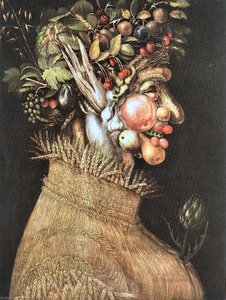
Giuseppe Arcimboldo's "Nature Studies," particularly the vibrant watercolor depicting a deer and an unidentified horned creature, are not merely charming botanical arrangements; they represent a profound engagement with the intellectual currents of 16th-century Europe. Born in Milan in 1527, Arcimboldo’s career blossomed within the opulent courts of Vienna and Prague, where he served as court painter to emperors Rudolf II and Maximilian II. His unique approach—constructing portraits entirely from meticulously assembled fruits, vegetables, flowers, and even books – defied conventional portraiture, offering a captivating blend of artistry, symbolism, and playful observation. These works weren’t simply decorative; they were carefully crafted allegories designed to resonate with the sophisticated minds of the Renaissance elite, reflecting their fascination with natural philosophy, classical mythology, and the burgeoning scientific exploration of the world.
The historical context surrounding Arcimboldo's work is crucial to understanding its significance. The late 16th century was a period of intense intellectual ferment, marked by the rediscovery of classical texts, advancements in astronomy and anatomy, and a growing interest in the natural sciences. Rudolf II, in particular, was an avid collector of curiosities – exotic animals, rare plants, and unusual objects – reflecting his patronage of the arts and sciences. Arcimboldo’s portraits were commissioned to entertain this discerning ruler, but they also served as visual representations of complex ideas about nature, power, and human identity. The careful selection of each element—the delicate antlers of the deer, the textured fur of the horned creature—was deliberate, imbued with symbolic meaning that spoke to the prevailing worldview of the time.
A Symphony of Color and Texture: Technique and Materials
Arcimboldo’s mastery lies in his exquisite technique – a testament to his meticulous observation and artistic skill. The “Nature Studies” are executed primarily in watercolor on paper, a medium perfectly suited to capturing the delicate textures and subtle gradations of color found in natural forms. He employed a layering technique, building up washes of pigment to create depth and luminosity, mimicking the appearance of fur, wood grain, and foliage with remarkable accuracy. Fine lines define the intricate details of the antlers and the contours of the animals’ faces, while soft, blurred edges suggest the ephemeral nature of the subject matter. The muted earth tones—ochres, browns, greens, and creams—create a harmonious palette that evokes a sense of tranquility and natural beauty.
The artist's use of watercolor is particularly noteworthy for its ability to convey texture. He skillfully manipulated the pigment to simulate the rough bark of trees, the smooth surface of fruit skins, and the delicate petals of flowers. The slight variations in color and tone create a sense of depth and volume, drawing the viewer into the composition. The choice of paper itself—likely parchment—adds to the overall effect, lending a tactile quality to the artwork that invites close examination.
Decoding the Symbolism: Animals, Objects, and Allegory
Each element within Arcimboldo’s “Nature Studies” carries symbolic weight. The deer, often associated with grace, nobility, and the hunt, represents strength and vitality. The unidentified horned creature, shrouded in shadow, evokes a sense of mystery and perhaps even danger – a reminder of the wildness that lies beneath the surface of civilization. The inclusion of books within the composition is particularly significant, referencing the humanist ideals of education and knowledge prevalent during the Renaissance. Arcimboldo’s portraits are not simply representations of animals; they are complex allegories that invite interpretation and contemplation.
Furthermore, the arrangement of these objects—the careful juxtaposition of disparate elements—creates a visual dialogue between nature and humanity. The deer's antlers intertwine with the books, suggesting a connection between the natural world and intellectual pursuits. The overall effect is one of harmonious integration, reflecting Arcimboldo’s belief in the interconnectedness of all things. It’s a subtle but powerful commentary on the Renaissance fascination with balance, harmony, and the pursuit of knowledge.
A Timeless Appeal: Emotional Impact and Artistic Legacy
Despite their historical context, Arcimboldo's “Nature Studies” continue to resonate with viewers today. The whimsical nature of these portraits—the unexpected combination of familiar objects—evokes a sense of delight and wonder. They invite us to see the world in new ways, to appreciate the beauty and complexity of the natural world, and to question our assumptions about representation and reality. The artwork’s enduring appeal lies not only in its technical brilliance but also in its ability to capture a fleeting moment of harmony between humanity and nature—a sentiment that remains profoundly relevant in our increasingly complex and disconnected world.
Reproductions of these captivating works offer a unique opportunity to bring the artistry of Arcimboldo into your home or office. Whether you choose a large-scale canvas print or a smaller watercolor reproduction, you’ll be acquiring a piece of art history that celebrates the beauty, mystery, and enduring power of nature.
Biografia umelca
Giuseppe Arcimboldo: A Master of Illusion and Symbol
Giuseppe Arcimboldo, meno conosciuto di altri grandi maestri del Rinascimento, è un artista che continua a stupire e affascinare per la sua capacità unica di trasformare oggetti comuni – frutta, verdura, fiori, libri, persino strumenti musicali – in ritratti umani straordinari. La sua arte, caratterizzata da una profonda simbologia e da una maestria tecnica senza pari, lo colloca come un precursore del Surrealismo e un’icona dell'ingegno rinascimentale. Nato a Milano nel 1527, Arcimboldo non fu semplicemente un pittore; fu un artista poliedrico, un decoratore di corte, un costumista e un innovatore che sfidò le convenzioni artistiche del suo tempo.Gli Anni Giovanili e la Formazione Artistica
Giuseppe Arcimboldo crebbe in un ambiente artistico stimolante. Suo padre, Biagio Arcimboldo, era già pittore e lavorava presso la Fabbrica del Duomo a Milano, occupandosi di decorazioni per la cattedrale. Questa esperienza precoce fornì al giovane Giuseppe una solida base tecnica e un’apprezzamento per i dettagli, elementi che sarebbero diventati fondamentali nel suo stile distintivo. Inizialmente, Arcimboldo lavorò come assistente in vetreria, creando vetrate colorate per chiese e palazzi, un lavoro che affinò la sua abilità nella composizione e nell'uso del colore. Tuttavia, fu l’incontro con il pittore Giuseppe Meda, che collaborava alla decorazione della cattedrale di Monza, a segnare una svolta decisiva nella sua carriera artistica.La Corte degli Asburgo: Unità di Arte e Politica
Nel 1562, Arcimboldo ottenne un’opportunità cruciale: fu nominato pittore di corte per Ferdinando I d'Asburgo a Vienna. Questo incarico lo catapultò nel cuore del potere imperiale e gli offrì l'occasione di esprimere la sua creatività in un contesto di raffinata eleganza e ambizione politica. Durante i suoi oltre vent’anni al servizio di Maximilian II e Rudolf II, Arcimboldo non fu solo un pittore; fu anche decoratore di corte, costumista, organizzatore di feste e collezionista d'arte. La corte asburgica, nota per la sua apertura mentale e il suo interesse per le nuove idee, offrì ad Arcimboldo un ambiente ideale per sperimentare e sviluppare il suo stile unico.Lo Stile Inconfondibile: Composizioni Oggetto
L’elemento distintivo dell'arte di Arcimboldo è senza dubbio la sua tecnica delle “composizioni oggetto” ( *teste composte*). Invece di dipingere ritratti tradizionali, Arcimboldo creava figure umane assemblate da una miriade di oggetti diversi: frutta, verdura, fiori, libri, strumenti musicali, animali e persino elementi architettonici. Questi oggetti non erano semplicemente disposti casualmente; venivano accuratamente selezionati e posizionati per creare un’illusione di realtà, simulando la pelle, i capelli, gli abiti e le espressioni del soggetto ritratto. La sua capacità di trasformare oggetti banali in volti riconoscibili era straordinaria, e i suoi dipinti erano spesso interpretati come allegorie complesse, ricche di significati simbolici.Simbolismo e Allegoria: Un Linguaggio Visivo Profondo
Dietro l'apparente giocosità delle composizioni oggetto di Arcimboldo si cela un profondo simbolismo. Ogni oggetto scelto per il ritratto aveva un significato specifico, legato alla personalità del soggetto, alla sua professione o al suo status sociale. Ad esempio, i libri disposti in una testa rappresentano la conoscenza e lo studio, mentre gli strumenti musicali simboleggiano l’arte e l'armonia. I suoi ritratti dei quattro stagioni, in particolare, sono ricchi di significati botanici e allegorici, riflettendo il rapporto tra l'uomo e la natura, e la ciclicità della vita. Arcimboldo non si limitava a creare immagini bizzarre; voleva comunicare messaggi complessi, invitando lo spettatore a decifrare i simboli nascosti dietro la composizione.Eredità e Riscoperta: Un Precursore del Surrealismo
Nonostante il suo successo durante la sua vita, l'opera di Arcimboldo rimase relativamente sconosciuta per secoli. I suoi dipinti furono spesso considerati curiosità artistiche, apprezzati per la loro abilità tecnica ma trascurando la loro profondità simbolica e intellettuale. Fu solo nel XX secolo che il suo lavoro fu riscoperto e rivalutato, grazie in gran parte all'influenza del Surrealismo. Artisti come Salvador Dalí furono affascinati dalla sua capacità di sfidare le convenzioni artistiche e di esplorare l'inconscio attraverso composizioni sorprendenti e inaspettate. L’opera di Arcimboldo continua ad ispirare artisti, designer e creativi di tutto il mondo, testimoniando la sua straordinaria originalità e la sua capacità di vedere il mondo con occhi nuovi. Oggi, le sue opere sono esposte nei musei più importanti del mondo, tra cui il Kunsthistorisches Museum a Vienna e il Louvre a Parigi, assicurando che il suo genio artistico possa essere apprezzato da nuove generazioni.
Giuseppe Arcimboldo
1527 - 1593 , Taliansko
Základné informácie
- Artistic Movement Or Style: Mannerizmus, Surrealizmus
- Artists Or Movements Influenced By This Artist: ['Salvador Dalí']
- Artists Who Influenced This Artist: ['Leonardo da Vinci']
- Date Of Birth: 5. apríl 1527
- Date Of Death: 11. júl 1593
- Full Name: Giuseppe Arcimboldo
- Nationality: Taliančania
- Notable Artworks:
- Letné 1
- Jeseň
- Vietor
- Place Of Birth: Miláno, Taliansko
Súvisiace články

Ramsay Richard Reinagle: A Study in British Sporting Art & Zoological Illustration
Explore the life & work of Ramsay Richard Reinagle (1775-1862), a key figure in British sporting art and animal portraiture. Discover his landscapes, panoramas, and contributions to zoological illustration with OriginalUniqueArt.
James Ward: A Study in British Romantic Landscape and Animal Painting
Explore the captivating world of James Ward (1769-1859), a master of British Romantic landscape & animal painting. Discover his iconic 'Gordale Scar' and exquisite portraits – a timeless art investment. Learn about his influences, style, and enduring legacy.

John Singer Sargent's 25 Masterpieces: Portraits & Beyond | OriginalUniqueArt
Explore 25 iconic John Singer Sargent paintings – from dazzling portraits to Impressionist landscapes. Discover the stories behind Madame X, El Jaleo & more! Find museum-quality art reproductions and elevate your home decor with OriginalUniqueArt.com.

Mannerism: Bridging Renaissance Harmony & Baroque Drama – A Study of Style & Affectation
Explore the fascinating world of Mannerism! Discover its key characteristics, pioneering artists like Pontormo & Bronzino, and its pivotal role in bridging Renaissance harmony to Baroque drama. A comprehensive guide for art enthusiasts.

Top 10 legendárnych vodafarieb, ktoré zmenili svet umenia | OriginalUniqueArt.com
Objavte top 10 legendárnych vodafarieb od Turner, Homer a ďalších majstrov! História umenia, techniky a inšpirácia pre váš interiér. Reprodukcie obrazov na OriginalUniqueArt.com – kvalita múzejnej úrovne.