Zobraziť v interiéri
 Odoslať
 Zdieľať
 Podrobnosti
 Príručka

 Stiahnuť
 Podobné položky
 RTG skúška
 Prehliadanie diapo\]
 Štatistiky
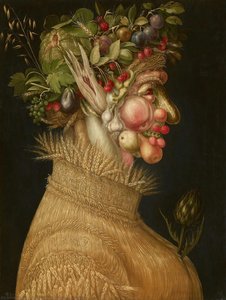
Jeseň


 Prečítať si viac
Giclée / Umenotlač
Giclée tlač alebo plátno múzeálnej kvality s rýchlou výrobou a rôznymi možnosťami povrchovej úpravy. ( Objednať ručne maľovanú reprodukciu Prepnúť na digitálnu verziu obrazu)




P118B €10

P118H €10

P118W €10

P438Z €10

P508JH €12

P508YH €12

P805H €10

P805Z €10

P919BZ €10

P919G €10

P919XJ €10

P959ZH €10

P968JZ €12

W106C €8

W218G €10

W218JH €8

W218Y €10

W307PJ €10

W316G €10

W316PJ €8

W316Y €10

W398PJ €8

W4111J €10

W500HY €15

W500JH €15

W692G €12

W849H €8

W940BG €15

W953PJ €8




Vyberte si z našich preddefinovaných rozmerov, ktoré zodpovedajú pôvodným pomeroḿ diela.

Zadajte šírku a výšku, ktoré potrebujete, aby sa reprodukcia hodila k vášmu rámu alebo stene. Print možno len orezávať, nikdy však nemennú veľkosť zvětšiť oproti pôvodnému obrázku, preto pri inom formáte stráca časť obrazu. Pred samotným vytlačiacím procesom vám pošleme digitálny náhľad na schválenie. Obrázok zobrazený na tejto stránke nezobrazuje reálny rez — len digitálny náhľad ukazuje presný výsledok.
Celosvetová doprava () do 2 týždňov namiesto štandardných 4 až 5 týždňov. (21 október)

Bezplatná expresná doprava po celom svete

Vysokokvalitné lnianske plátno

Úplné poistenie prepravy

Záruka vrátenia colného poplatku

Záruka presného farebného zhodnutia

100-dená politika vrátenia tovaru (iba pri vadách)

100% záruka vrátenia peňazí

Ponuka množstevnej zľavy
 Možnosť skla je dostupná len pri rozmeroch pod 110 cm

Jeseň
Giclée / Umenotlač
Veľkosť reprodukcie
-


Celková cena
€ 70
Giuseppe Arcimboldo: L'Automne – A Symphony of Seasons Embodied
Giuseppe Arcimboldo’s *L’Automne* (The Autumn) stands as an unparalleled testament to Renaissance artistic ingenuity and a masterful exploration of visual symbolism. Completed in 1573, this monumental oil painting on panel transcends mere representation; it achieves a breathtaking illusion – a human portrait meticulously constructed entirely from autumnal fruits, vegetables, and foliage. More than just a decorative piece, *L’Automne* is an intellectual puzzle, inviting viewers to decipher its layered meanings and appreciate Arcimboldo's unparalleled skill in manipulating form and color to convey profound ideas about the natural world and humanity’s relationship with it.Composition and Technique: A Delicate Balance of Organic Forms
The painting’s central figure – a dignified gentleman – is formed from an astonishing array of meticulously arranged elements. Apples, pears, plums, pumpkins, gourds, artichokes, and leaves intertwine to create the contours of his face and torso, demonstrating Arcimboldo's mastery of trompe-l'œil technique. Unlike traditional portraiture which strives for realistic depiction, Arcimboldo deliberately eschews perspective and shading, prioritizing instead a flattened surface punctuated by vibrant hues. The artist’s brushstrokes are visible yet blended seamlessly, contributing to the painting’s rich textural quality – the smooth surfaces of ripe fruit juxtaposed against the rougher textures of dried leaves and woody stems. This deliberate choice reflects Arcimboldo's embrace of Mannerist aesthetics, characterized by stylized forms and an emphasis on decorative effect rather than faithful representation.Symbolism Rooted in Renaissance Neo-Platonism
The selection of autumnal fruits and vegetables is laden with symbolic significance. The abundance of harvest represents prosperity and fertility – core concepts within the Renaissance worldview influenced heavily by Neo-Platonic philosophy, which sought to reconcile classical ideals with Christian theology. Arcimboldo’s deliberate use of seasonal imagery speaks to the cyclical nature of life and death, mirroring the transformative process occurring during autumn. Furthermore, the carefully positioned elements—such as the barrel-like structure supporting the figure—suggest stability and permanence amidst change. The decorative border of flowers and leaves reinforces this overarching theme, encapsulating the beauty and vitality of the season.A Masterpiece of Illusion and Artistic Vision
*L’Automne* exemplifies Arcimboldo's genius not merely as a painter but as an artist who understood how to communicate complex ideas through visual language. It is a captivating spectacle for the eye—a celebration of nature’s artistry and a profound meditation on human existence. The painting’s diffused lighting enhances its ethereal quality, casting a gentle glow upon the assembled forms and emphasizing their luminous colors. Its enduring appeal lies in its ability to inspire wonder and provoke contemplation – reminding us that beauty can be found even in unexpected combinations and that art possesses the power to transcend literal representation, achieving instead an emotional resonance that transcends time. This remarkable artwork continues to fascinate audiences today as a symbol of creativity and artistic innovation.- Artist: Giuseppe Arcimboldo
- Year: 1573
- Medium: Oil on Panel
- Style: Mannerist
- Location: Musée du Louvre, Paris
Otázky a odpovede
Môžem si „Jeseň“ od Giuseppe Arcimboldo pozrieť pod iným osvetlením?
X-ray pohľad na dielo „Jeseň“ od Giuseppe Arcimboldo nájdete na stránke RTG skenovanie pre dané dielo: ide o interaktívne skúmanie obrazu prostredníctvom jedenástich optických vrstiev.
Na čo sa odporúča použiť tlač obrazu „Jeseň"]?
Odporané použitie pre „Jeseň“ od Giuseppe Arcimboldo je Akcentujúce. Môže však slúžiť aj na iné účely.
Aký typ umeleckého diela predstavuje „Jeseň“ od Giuseppe Arcimboldo?
„Jeseň“ je WallArt dielo.
Biografia umelca
Giuseppe Arcimboldo: A Master of Illusion and Symbol
Giuseppe Arcimboldo, meno conosciuto di altri grandi maestri del Rinascimento, è un artista che continua a stupire e affascinare per la sua capacità unica di trasformare oggetti comuni – frutta, verdura, fiori, libri, persino strumenti musicali – in ritratti umani straordinari. La sua arte, caratterizzata da una profonda simbologia e da una maestria tecnica senza pari, lo colloca come un precursore del Surrealismo e un’icona dell'ingegno rinascimentale. Nato a Milano nel 1527, Arcimboldo non fu semplicemente un pittore; fu un artista poliedrico, un decoratore di corte, un costumista e un innovatore che sfidò le convenzioni artistiche del suo tempo.Gli Anni Giovanili e la Formazione Artistica
Giuseppe Arcimboldo crebbe in un ambiente artistico stimolante. Suo padre, Biagio Arcimboldo, era già pittore e lavorava presso la Fabbrica del Duomo a Milano, occupandosi di decorazioni per la cattedrale. Questa esperienza precoce fornì al giovane Giuseppe una solida base tecnica e un’apprezzamento per i dettagli, elementi che sarebbero diventati fondamentali nel suo stile distintivo. Inizialmente, Arcimboldo lavorò come assistente in vetreria, creando vetrate colorate per chiese e palazzi, un lavoro che affinò la sua abilità nella composizione e nell'uso del colore. Tuttavia, fu l’incontro con il pittore Giuseppe Meda, che collaborava alla decorazione della cattedrale di Monza, a segnare una svolta decisiva nella sua carriera artistica.La Corte degli Asburgo: Unità di Arte e Politica
Nel 1562, Arcimboldo ottenne un’opportunità cruciale: fu nominato pittore di corte per Ferdinando I d'Asburgo a Vienna. Questo incarico lo catapultò nel cuore del potere imperiale e gli offrì l'occasione di esprimere la sua creatività in un contesto di raffinata eleganza e ambizione politica. Durante i suoi oltre vent’anni al servizio di Maximilian II e Rudolf II, Arcimboldo non fu solo un pittore; fu anche decoratore di corte, costumista, organizzatore di feste e collezionista d'arte. La corte asburgica, nota per la sua apertura mentale e il suo interesse per le nuove idee, offrì ad Arcimboldo un ambiente ideale per sperimentare e sviluppare il suo stile unico.Lo Stile Inconfondibile: Composizioni Oggetto
L’elemento distintivo dell'arte di Arcimboldo è senza dubbio la sua tecnica delle “composizioni oggetto” ( *teste composte*). Invece di dipingere ritratti tradizionali, Arcimboldo creava figure umane assemblate da una miriade di oggetti diversi: frutta, verdura, fiori, libri, strumenti musicali, animali e persino elementi architettonici. Questi oggetti non erano semplicemente disposti casualmente; venivano accuratamente selezionati e posizionati per creare un’illusione di realtà, simulando la pelle, i capelli, gli abiti e le espressioni del soggetto ritratto. La sua capacità di trasformare oggetti banali in volti riconoscibili era straordinaria, e i suoi dipinti erano spesso interpretati come allegorie complesse, ricche di significati simbolici.Simbolismo e Allegoria: Un Linguaggio Visivo Profondo
Dietro l'apparente giocosità delle composizioni oggetto di Arcimboldo si cela un profondo simbolismo. Ogni oggetto scelto per il ritratto aveva un significato specifico, legato alla personalità del soggetto, alla sua professione o al suo status sociale. Ad esempio, i libri disposti in una testa rappresentano la conoscenza e lo studio, mentre gli strumenti musicali simboleggiano l’arte e l'armonia. I suoi ritratti dei quattro stagioni, in particolare, sono ricchi di significati botanici e allegorici, riflettendo il rapporto tra l'uomo e la natura, e la ciclicità della vita. Arcimboldo non si limitava a creare immagini bizzarre; voleva comunicare messaggi complessi, invitando lo spettatore a decifrare i simboli nascosti dietro la composizione.Eredità e Riscoperta: Un Precursore del Surrealismo
Nonostante il suo successo durante la sua vita, l'opera di Arcimboldo rimase relativamente sconosciuta per secoli. I suoi dipinti furono spesso considerati curiosità artistiche, apprezzati per la loro abilità tecnica ma trascurando la loro profondità simbolica e intellettuale. Fu solo nel XX secolo che il suo lavoro fu riscoperto e rivalutato, grazie in gran parte all'influenza del Surrealismo. Artisti come Salvador Dalí furono affascinati dalla sua capacità di sfidare le convenzioni artistiche e di esplorare l'inconscio attraverso composizioni sorprendenti e inaspettate. L’opera di Arcimboldo continua ad ispirare artisti, designer e creativi di tutto il mondo, testimoniando la sua straordinaria originalità e la sua capacità di vedere il mondo con occhi nuovi. Oggi, le sue opere sono esposte nei musei più importanti del mondo, tra cui il Kunsthistorisches Museum a Vienna e il Louvre a Parigi, assicurando che il suo genio artistico possa essere apprezzato da nuove generazioni.
Giuseppe Arcimboldo
1527 - 1593 , Taliansko
Rýchle fakty
- Artistic Movement Or Style: Mannerizmus, Surrealizmus
- Artists Or Movements Influenced By This Artist: ['Salvador Dalí']
- Artists Who Influenced This Artist: ['Leonardo da Vinci']
- Date Of Birth: 5. apríl 1527
- Date Of Death: 11. júl 1593
- Full Name: Giuseppe Arcimboldo
- Nationality: Taliančania
- Notable Artworks:
- Letné 1
- Jeseň
- Vietor
- Place Of Birth: Miláno, Taliansko
Súvisiace články

John Constable: Top 25 Majstrovských Diel pre Váš Domov | OriginalUniqueArt.sk
Ponorte sa do sveta Johna Constabla s OriginalUniqueArt.sk! Objavte top 25 majstrovských diel anglického romantizmu – od ikonického Hay Wain až po krajinárske motívy Suffolku. Kvalitné reprodukcie obrazov pre váš domov. Preskúmajte celú kolekciu online!

Top 10 Majstrov Romantickej Krajinomaľby: Obrazy, ktoré zmenili svet umenia
Ponorte sa do sveta romantickej krajinomaľby! Objavte top 10 majstrovských diel od Friedricha, Turnera a ďalších. Historické obrazy prírody s nádychom emócií. Reprodukcie obrazov pre váš interiér na OriginalUniqueArt.com.

Evocations of Place: A Historical Journey Through Landscape Art
Explore the rich history of landscape art with OriginalUniqueArt. Discover renowned artists, movements like Impressionism & Romanticism, and expert guidance for collecting timeless pieces. Find your perfect serene escape today!

Paul Cézanne: Top 25 Majstrovských Diel pre Váš Domov – Kolekcia OriginalUniqueArt
Objavte top 25 diel Paula Cézanna – impresionistické krajinomaľby, zátišia a portréty. Prežite príbeh umelca a jeho majstrovských techník. Reprodukcie obrazov pre luxusný domov na OriginalUniqueArt.com

The Bountiful Still Life: Symbolism & Artistic Representation of Fruit Across Art History
Explore the rich history of still life painting & the symbolism of fruit across art movements. Discover masterpieces from Caravaggio to Cézanne with OriginalUniqueArt – expert guidance & museum-quality reproductions.