Zobraziť v interiéri
 Odoslať
 Zdieľať
 Podrobnosti
 Príručka

 Stiahnuť
 Podobné položky
 RTG skúška
 Prehliadanie diapo\]
 Štatistiky
Birds


 Prečítať si viac
Ručne maľovaná olejová reprodukcia
Ručne maľovaný olej na plátne vo vašej zvolenej veľkosti a v ráme, vyrobený na mieru našimi umelcami. ( Prepnúť na tlač Prepnúť na digitálnu verziu obrazu)




P118B €10

P118H €10

P118W €10

P438Z €10

P508JH €12

P508YH €12

P805H €10

P805Z €10

P919BZ €10

P919G €10

P919XJ €10

P959ZH €10

P968JZ €12

W106C €8

W218G €10

W218JH €8

W218Y €10

W307PJ €10

W316G €10

W316PJ €8

W316Y €10

W398PJ €8

W4111J €10

W500HY €15

W500JH €15

W692G €12

W849H €8

W940BG €15

W953PJ €8




Vyberte si z našich preddefinovaných rozmerov, ktoré zodpovedajú pôvodným pomeroḿ diela.

Zadajte šírku a výšku, ktoré potrebujete, aby sa dielo hodilo k vášmu rámu alebo stene. Keďže ide o ručnú maľbu, pri rozmeroch s odlišným pomerom strán môže umelec namalovať o niečo viac okolo obrázka alebo ho mierne orezatú — výber patrí vám. Pred začatím maľovania vám pošleme digitálnu ukážku na schválenie. Obrázok zobrazený na tejto stránke nenahrádza reálny výsledok — ten zobrazuje iba digitálna ukážka.
Po odoslaní objednávky vám tím OriginalUniqueArt.com pošle e-mail s pokynmi a poskytne náhľad na návrh
Celosvetová doprava () za 3 až 4 týždne namiesto štandardných 5 týždňov. (22 október). Bez kompromisov v kvalite.

Bezplatná expresná doprava po celom svete

Vysokokvalitné lnianske plátno

Úplné poistenie prepravy

Záruka vrátenia colného poplatku

Záruka presného farebného zhodnutia

100-dená politika vrátenia tovaru (iba pri vadách)

100% záruka vrátenia peňazí

Ponuka množstevnej zľavy
 Možnosť skla je dostupná len pri rozmeroch pod 110 cm

Birds
Spôsob reprodukcie
Veľkosť reprodukcie
-


Celková cena
€ 263
The Enigmatic Beauty of ‘Birds’
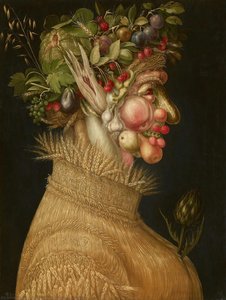
Giuseppe Arcimboldo's “Birds,” a watercolor executed around 1576, isn’t merely a depiction of avian life; it’s an immersive portal into the intellectual and artistic landscape of the late Renaissance. Within its serene confines resides a profound meditation on nature, symbolism, and the very essence of human perception. The painting immediately captivates with its delicate balance – a harmonious blend of meticulous detail and ethereal softness that draws the viewer in, inviting prolonged contemplation. It’s a work that transcends simple representation, becoming instead a carefully constructed allegory, a visual riddle designed to challenge and delight.
The subject itself is deceptively straightforward: a solitary heron standing upon a moss-covered rock, seemingly poised for flight. However, closer inspection reveals the astonishing complexity beneath this apparent simplicity. Arcimboldo has painstakingly assembled the bird from an array of meticulously arranged objects – fragments of fruit, delicate blossoms, and intricately rendered feathers. This technique, characteristic of his oeuvre, transforms the mundane into the extraordinary, elevating everyday elements to the realm of art. The choice of materials—the vibrant hues of berries, the velvety texture of petals, the iridescent sheen of feathers—contributes significantly to the painting’s overall richness and visual allure.
A Mannerist Masterpiece: Technique and Style
“Birds” firmly establishes Arcimboldo as a pivotal figure within the Mannerist movement. Mannerism, flourishing in Europe during the 16th century, rejected the idealized forms of High Renaissance art in favor of heightened drama, stylized figures, and an emphasis on technical virtuosity. Arcimboldo’s work embodies these principles perfectly. The painting showcases his mastery of watercolor techniques—a medium he favored for its ability to capture subtle nuances of color and texture. He employs a loose, almost impressionistic brushstroke, allowing the individual elements to retain their distinct identities while contributing to a cohesive whole. Notice how he builds up layers of pigment, creating depth and luminosity within the composition. The careful rendering of each feather, the delicate curve of the beak, and the subtle shading of the rock all speak to Arcimboldo’s exceptional skill and attention to detail.
Furthermore, “Birds” demonstrates a remarkable understanding of perspective and spatial relationships. The heron is positioned slightly off-center, creating a sense of dynamism and movement. The background—a soft, muted pinkish-beige—provides a gentle contrast with the darker tones of the bird, enhancing its presence within the scene. This careful orchestration of visual elements contributes to the painting’s overall harmony and aesthetic appeal.
Symbolism and Historical Context
Beyond its technical brilliance, “Birds” is rich in symbolic meaning. Arcimboldo's works were frequently commissioned by wealthy patrons—particularly Emperor Rudolf II of Prague—and served as elaborate visual metaphors reflecting the patron’s power, status, and intellectual interests. The heron itself has a complex symbolism within Renaissance art, often representing wisdom, vigilance, and prophecy. Its solitary nature further reinforces this association with contemplation and introspection.
The inclusion of various fruits and flowers—cherries, berries, and blossoms—adds layers of meaning related to fertility, abundance, and the cyclical rhythms of nature. These elements were particularly significant within the context of the Renaissance, a period marked by renewed interest in classical mythology and symbolism. The painting’s provenance – housed within the Österreichische Nationalbibliothek in Vienna – underscores its historical importance as a key example of Habsburg-era art.
A Timeless Legacy: Reproduction and Inspiration
“Birds” continues to resonate with audiences today, offering a glimpse into the artistic genius of Giuseppe Arcimboldo. OriginalUniqueArt offers high-quality reproductions that faithfully capture the painting’s delicate beauty and intricate detail. Whether displayed in a private residence or a public space, this artwork serves as a reminder of the power of art to transform the ordinary into the extraordinary. Consider how the composition—a single subject surrounded by carefully arranged elements—can be applied to interior design, creating focal points that spark conversation and evoke a sense of wonder. “Birds” is more than just a painting; it’s an invitation to engage with the rich tapestry of Renaissance art and appreciate the enduring legacy of one of its most imaginative masters.
Otázky a odpovede
Kde kúpiť ručne maľované kópie diela „Birds“ od Giuseppe Arcimboldo?
Ručne maľovanú reprodukciu diela „Birds“ od Giuseppe Arcimboldo si môžete objednať priamo na jeho stránke Ručne maľovaná reprodukcia: ručne maľovaná olejná reprodukcia na plátne z ľanu, vyrábanú na mieru.
Je „Birds“ od Giuseppe Arcimboldo portrétna, krajinárska alebo štvorcová kompozícia?
Formát diela „Birds“ je Portrait. Je to užitočné pri plánovaní miesta, kam bude reprodukcia umiestnená.
Aká farba dominuje v kompozícii diela „Birds“ od Giuseppe Arcimboldo?
Farbou, ktorá v diele „Birds“ najvýraznejšie vyniká, je Rosy Brown (#b57b73). Dominantná farba je užitočná pri prispôsobovaní umelackého diela interiéru.
Biografia umelca
Giuseppe Arcimboldo: A Master of Illusion and Symbol
Giuseppe Arcimboldo, meno conosciuto di altri grandi maestri del Rinascimento, è un artista che continua a stupire e affascinare per la sua capacità unica di trasformare oggetti comuni – frutta, verdura, fiori, libri, persino strumenti musicali – in ritratti umani straordinari. La sua arte, caratterizzata da una profonda simbologia e da una maestria tecnica senza pari, lo colloca come un precursore del Surrealismo e un’icona dell'ingegno rinascimentale. Nato a Milano nel 1527, Arcimboldo non fu semplicemente un pittore; fu un artista poliedrico, un decoratore di corte, un costumista e un innovatore che sfidò le convenzioni artistiche del suo tempo.Gli Anni Giovanili e la Formazione Artistica
Giuseppe Arcimboldo crebbe in un ambiente artistico stimolante. Suo padre, Biagio Arcimboldo, era già pittore e lavorava presso la Fabbrica del Duomo a Milano, occupandosi di decorazioni per la cattedrale. Questa esperienza precoce fornì al giovane Giuseppe una solida base tecnica e un’apprezzamento per i dettagli, elementi che sarebbero diventati fondamentali nel suo stile distintivo. Inizialmente, Arcimboldo lavorò come assistente in vetreria, creando vetrate colorate per chiese e palazzi, un lavoro che affinò la sua abilità nella composizione e nell'uso del colore. Tuttavia, fu l’incontro con il pittore Giuseppe Meda, che collaborava alla decorazione della cattedrale di Monza, a segnare una svolta decisiva nella sua carriera artistica.La Corte degli Asburgo: Unità di Arte e Politica
Nel 1562, Arcimboldo ottenne un’opportunità cruciale: fu nominato pittore di corte per Ferdinando I d'Asburgo a Vienna. Questo incarico lo catapultò nel cuore del potere imperiale e gli offrì l'occasione di esprimere la sua creatività in un contesto di raffinata eleganza e ambizione politica. Durante i suoi oltre vent’anni al servizio di Maximilian II e Rudolf II, Arcimboldo non fu solo un pittore; fu anche decoratore di corte, costumista, organizzatore di feste e collezionista d'arte. La corte asburgica, nota per la sua apertura mentale e il suo interesse per le nuove idee, offrì ad Arcimboldo un ambiente ideale per sperimentare e sviluppare il suo stile unico.Lo Stile Inconfondibile: Composizioni Oggetto
L’elemento distintivo dell'arte di Arcimboldo è senza dubbio la sua tecnica delle “composizioni oggetto” ( *teste composte*). Invece di dipingere ritratti tradizionali, Arcimboldo creava figure umane assemblate da una miriade di oggetti diversi: frutta, verdura, fiori, libri, strumenti musicali, animali e persino elementi architettonici. Questi oggetti non erano semplicemente disposti casualmente; venivano accuratamente selezionati e posizionati per creare un’illusione di realtà, simulando la pelle, i capelli, gli abiti e le espressioni del soggetto ritratto. La sua capacità di trasformare oggetti banali in volti riconoscibili era straordinaria, e i suoi dipinti erano spesso interpretati come allegorie complesse, ricche di significati simbolici.Simbolismo e Allegoria: Un Linguaggio Visivo Profondo
Dietro l'apparente giocosità delle composizioni oggetto di Arcimboldo si cela un profondo simbolismo. Ogni oggetto scelto per il ritratto aveva un significato specifico, legato alla personalità del soggetto, alla sua professione o al suo status sociale. Ad esempio, i libri disposti in una testa rappresentano la conoscenza e lo studio, mentre gli strumenti musicali simboleggiano l’arte e l'armonia. I suoi ritratti dei quattro stagioni, in particolare, sono ricchi di significati botanici e allegorici, riflettendo il rapporto tra l'uomo e la natura, e la ciclicità della vita. Arcimboldo non si limitava a creare immagini bizzarre; voleva comunicare messaggi complessi, invitando lo spettatore a decifrare i simboli nascosti dietro la composizione.Eredità e Riscoperta: Un Precursore del Surrealismo
Nonostante il suo successo durante la sua vita, l'opera di Arcimboldo rimase relativamente sconosciuta per secoli. I suoi dipinti furono spesso considerati curiosità artistiche, apprezzati per la loro abilità tecnica ma trascurando la loro profondità simbolica e intellettuale. Fu solo nel XX secolo che il suo lavoro fu riscoperto e rivalutato, grazie in gran parte all'influenza del Surrealismo. Artisti come Salvador Dalí furono affascinati dalla sua capacità di sfidare le convenzioni artistiche e di esplorare l'inconscio attraverso composizioni sorprendenti e inaspettate. L’opera di Arcimboldo continua ad ispirare artisti, designer e creativi di tutto il mondo, testimoniando la sua straordinaria originalità e la sua capacità di vedere il mondo con occhi nuovi. Oggi, le sue opere sono esposte nei musei più importanti del mondo, tra cui il Kunsthistorisches Museum a Vienna e il Louvre a Parigi, assicurando che il suo genio artistico possa essere apprezzato da nuove generazioni.
Giuseppe Arcimboldo
1527 - 1593 , Taliansko
Rýchle fakty
- Artistic Movement Or Style: Mannerizmus, Surrealizmus
- Artists Or Movements Influenced By This Artist: ['Salvador Dalí']
- Artists Who Influenced This Artist: ['Leonardo da Vinci']
- Date Of Birth: 5. apríl 1527
- Date Of Death: 11. júl 1593
- Full Name: Giuseppe Arcimboldo
- Nationality: Taliančania
- Notable Artworks:
- Letné 1
- Jeseň
- Vietor
- Place Of Birth: Miláno, Taliansko
Súvisiace články

Nadčasová príťažlivosť akvarelu: História, techniky a súčasná prax
Objavte fascinujúci svet akvarelu! História, techniky, tipy od majstrov a inšpirácia pre vašu tvorbu. Sprievodca pre začiatočníkov aj pokročilých.

Top 10 legendárnych vodafarieb, ktoré zmenili svet umenia | OriginalUniqueArt.com
Objavte top 10 legendárnych vodafarieb od Turner, Homer a ďalších majstrov! História umenia, techniky a inšpirácia pre váš interiér. Reprodukcie obrazov na OriginalUniqueArt.com – kvalita múzejnej úrovne.

Ephemeral Visions: Exploring the Artistic Legacy & Nuances of Watercolor Painting
Explore the captivating world of watercolor painting! Discover its rich history, essential techniques, influential artists & collecting tips from art experts. A comprehensive guide for enthusiasts.

Ephemeral Visions: Exploring the History & Emotional Resonance of Watercolor Painting
Explore the captivating history of watercolor painting, from ancient techniques to modern masters like Kandinsky & Blake. Discover essential artists, collecting tips & the emotional power of this luminous medium. Expert insights for art enthusiasts.

Ephemeral Visions: Exploring the Artistic Legacy & Contemporary Practice of Watercolor Painting
Explore the captivating world of watercolor painting! Discover its rich history, essential techniques, influential artists & collecting tips. A comprehensive guide for art enthusiasts from OriginalUniqueArt.