
 Náhľad
 Odoslať
 Zdieľať
 Podrobnosti o dielo

 Stiahnuť
 Podobné diela
 RTG skúška
 Prezentácia
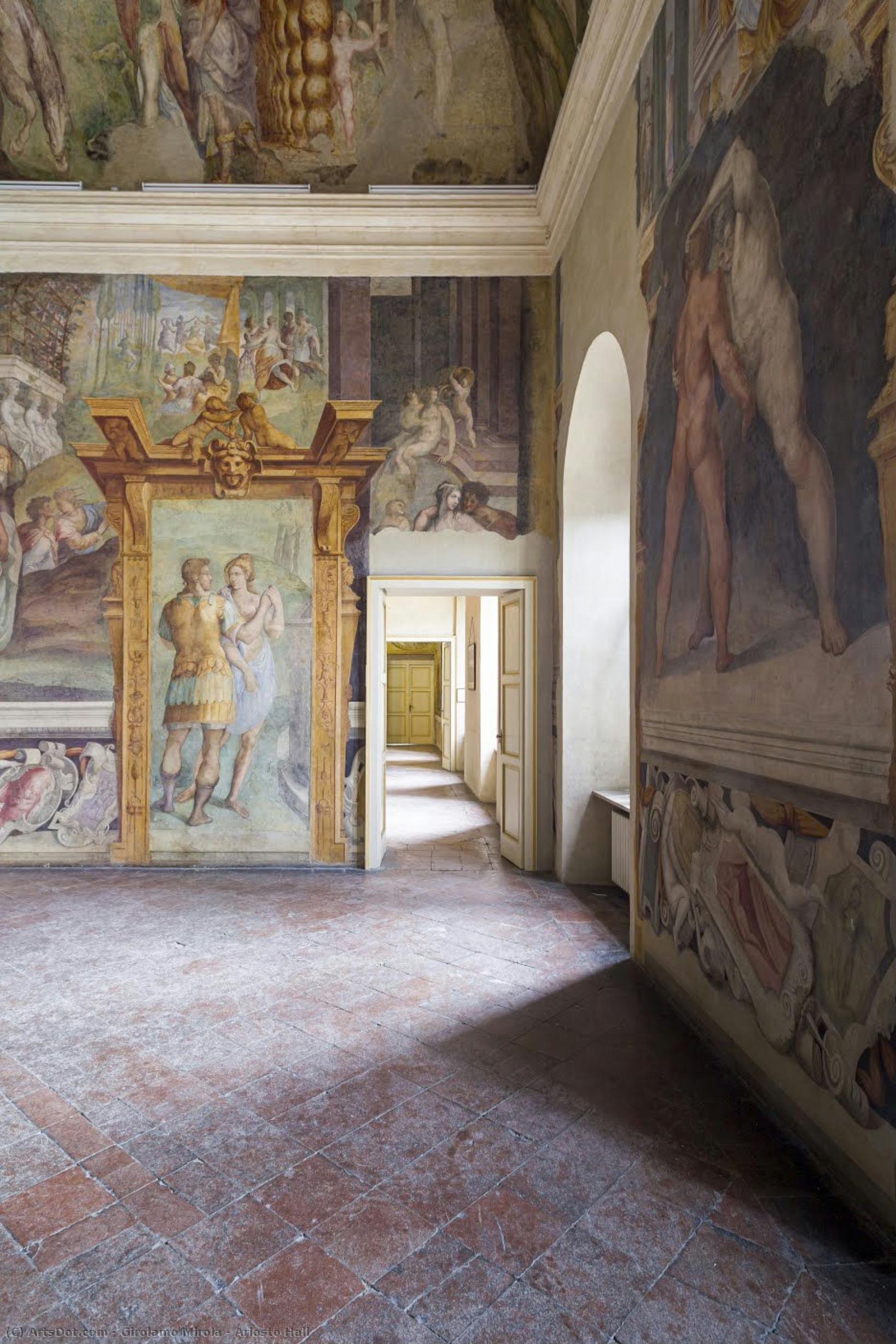
Ariosto Hall


 Zobraziť viac
Ručne maľovaná olejová reprodukcia
Ručne maľovaný olej na plátne vo vašej zvolenej veľkosti a v ráme, vyrobený na mieru našimi umelcami. ( Kúpiť tlač Kúpiť obrázok)




































Vyberte si z našich preddefinovaných rozmerov, ktoré zodpovedajú pôvodným pomeroḿ diela.

Môžete zadať vlastné rozmery tak, aby sa hodili do konkrétneho rámu alebo priestoru. Ak sa váš zvolený rozmer nezhoduje s pôvodnými proporciami obrazu, dielo buď orezáme, alebo ho doplníme ručne maľovanými prvkami. Pred začiatkom výroby vám zašleme digitálny náhľad na schválenie.
Upozorňujeme, že ukážka na obrazovke neodráža skutočné orezanie alebo doplnenie. Skutočnú finálnu kompozíciu zobrazuje iba digitálny náhľad.
Hoci sú k dispozícii vlastné rozmery, odporúčame vybrať rozmer z preddefinovaného zoznamu, aby sme zachovali pôvodné proporcie.
Po odoslaní objednávky vám tím OriginalUniqueArt.com pošle e-mail s pokynmi a poskytne náhľad na návrh.
Celosvetová doprava () za 3 až 4 týždne namiesto štandardných 5 týždňov. (20 august). Bez kompromisov v kvalite.

Bezplatná expresná doprava po celom svete

Prémiové lnianske plátno

Kompletné poistenie prepravy

Záruka vrátenia colného poplatku

Záruka presného farebného zhodnutia

60-dňá politika vrátenia (iba pri defektoch)

100% záruka vrátenia peňazí

Výhodná množstevná zľava
 Možnosť skla je dostupná len pri rozmeroch pod 110 cm

Ariosto Hall
Technika reprodukcie
Veľkosť reprodukcie
-


Celková cena za vybrané možnosti
$ 325
Popis diela
Biografia umelca
Early Life and Formation in Bologna
Girolamo Mirola, born in Bologna around 1530 or 1535, emerged during a vibrant period of artistic ferment in the Emilian region of Italy. While specific details regarding his early training remain elusive, it is understood that he absorbed the prevailing aesthetic currents of his native city—a center renowned for its sophisticated painting traditions and intellectual life. Bologna at this time was steeped in the legacy of Renaissance masters, yet also receptive to emerging Mannerist styles. This confluence likely shaped Mirola’s artistic sensibilities from a young age, fostering a blend of classical elegance and expressive dynamism that would characterize his mature work.
The Palazzo del Giardino Commissions
Mirola's career gained significant momentum through his involvement in the ambitious decorative schemes at the Palazzo del Giardino in Parma. Engaged alongside Jacopo Zanguidi, known as il Bertoja, he contributed to a series of breathtaking frescoes that transformed the palace into a veritable showcase of Renaissance artistry. These commissions, undertaken during the 1560s, provided Mirola with an unparalleled opportunity to demonstrate his skills on a grand scale and establish his reputation among discerning patrons. The Palazzo del Giardino became synonymous with refined taste and intellectual pursuits under the patronage of Octavius Farnese, and Mirola’s contributions were integral to this vision.
A Style Rooted in Emilian Tradition
Mirola's artistic style is firmly anchored within the Emilian school of painting—a tradition celebrated for its harmonious compositions, luminous color palettes, and graceful figural representations. He possessed a remarkable ability to depict mythological narratives with both elegance and emotional depth. His frescoes are characterized by fluid lines, balanced forms, and a subtle yet captivating use of light and shadow. While influenced by the broader Renaissance aesthetic, Mirola infused his work with a distinctive personal touch—a sensitivity to narrative detail and an aptitude for creating atmospheric settings that enhance the dramatic impact of his scenes.
The ‘Rape of the Sabine Women’ and Narrative Power
Among Mirola's most celebrated achievements is his fresco depicting ‘The Rape of the Sabine Women’. This work, executed at the Palazzo del Giardino, exemplifies his mastery of narrative storytelling. The scene pulsates with energy and drama, capturing the chaos and intensity of the legendary event. Mirola’s composition skillfully balances dynamic action with a sense of classical order, showcasing his ability to convey both physical struggle and emotional turmoil. The figures are rendered with anatomical precision and expressive gestures, drawing the viewer into the heart of the unfolding conflict. Beyond its technical brilliance, ‘The Rape of the Sabine Women’ reveals Mirola's profound understanding of human psychology and his capacity to imbue mythological subjects with compelling realism.
Legacy and Historical Significance
Although Girolamo Mirola’s career was tragically cut short by his premature death in 1570, his artistic legacy endures through the remarkable frescoes he left behind at the Palazzo del Giardino. His work represents a high point of Renaissance painting in Parma, embodying the refined aesthetic sensibilities and intellectual ambitions of the Farnese court. Mirola’s contributions helped to solidify the Emilian school's reputation for elegance, harmony, and narrative power. His paintings continue to captivate viewers with their beauty, grace, and emotional depth, offering a glimpse into the artistic world of 16th-century Italy.

girolamo mirola
1530 - 1570 , Italy
Základné informácie
- Artistic Movement Or Style: Emilian School
- Date Of Birth: 1530/35
- Date Of Death: 1570
- Full Name: Girolamo Mirola
- Nationality: Italian
- Notable Artworks: ['Rape of the Sabine Women']
- Place Of Birth: Bologna, Italy
Súvisiace články

Freska ako rodinné dedičstvo: Zachovajte svoj pôvod v obrazoch na stenách
Objavte silu fresiek ako rodinného dedičstva! Ponúkame kvalitné reprodukcie a originálne maľby na mieru. Prepojte svoju históriu s umením a vytvorte jedinečný interiér.

The Enduring Legacy of Fresco Painting: Techniques, History & Contemporary Relevance
Explore the rich history & enduring artistry of fresco painting – from Giotto to Michelangelo! Discover techniques, conservation efforts, & modern applications. Learn how OriginalUniqueArt brings this timeless art form to your home.

The Enduring Legacy of Fresco: Technique, History & Artistic Expression Across Cultures
Explore the rich history & enduring legacy of fresco painting! Discover ancient techniques, Giotto's masterpieces, and modern applications. Expert insights for art lovers & professionals.

Drama and Light: A Definitive Guide to the Italian Baroque Masterpieces and the Revolution of Chiaroscuro
Explore the dramatic world of Italian Baroque art. Discover how masters like Caravaggio used chiaroscuro and tenebrism to revolutionize painting through light, shadow, and profound realism. A definitive guide for history lovers and art collectors.

Art That Lives With You: The Emotional Power of a Custom Interior Fresco
Discover the emotional power & timeless beauty of custom interior frescoes. Explore history, design tips & expert guidance from – creating lasting legacies.

