

 Náhľad
 Odoslať
 Zdieľať
 Podrobnosti o dielo

 Stiahnuť
 Podobné diela
 RTG skúška
 Prezentácia
 Štatistiky
Allegorical

 Zobraziť viac
Ručne maľovaná olejová reprodukcia
Ručne maľovaný olej na plátne vo vašej zvolenej veľkosti a v ráme, vyrobený na mieru našimi umelcami. ( Prepnúť na tlač Prepnúť na digitálny obraz)




































Vyberte si z našich preddefinovaných rozmerov, ktoré zodpovedajú pôvodným pomeroḿ diela.

Môžete zadať vlastné rozmery tak, aby sa hodili do konkrétneho rámu alebo priestoru. Ak sa váš zvolený rozmer nezhoduje s pôvodnými proporciami obrazu, dielo buď orezáme, alebo ho doplníme ručne maľovanými prvkami. Pred začiatkom výroby vám zašleme digitálny náhľad na schválenie.
Upozorňujeme, že ukážka na obrazovke neodráža skutočné orezanie alebo doplnenie. Skutočnú finálnu kompozíciu zobrazuje iba digitálny náhľad.
Hoci sú k dispozícii vlastné rozmery, odporúčame vybrať rozmer z preddefinovaného zoznamu, aby sme zachovali pôvodné proporcie.
Po odoslaní objednávky vám tím OriginalUniqueArt.com pošle e-mail s pokynmi a poskytne náhľad na návrh.
Celosvetová doprava () za 3 až 4 týždne namiesto štandardných 5 týždňov. (16 september). Bez kompromisov v kvalite.

Bezplatná expresná doprava po celom svete

Prémiové lnianske plátno

Kompletné poistenie prepravy

Záruka vrátenia colného poplatku

Záruka presného farebného zhodnutia

100-dená politika vrátenia tovaru (iba pri vadách)

100% záruka vrátenia peňazí

Výhodná množstevná zľava
 Možnosť skla je dostupná len pri rozmeroch pod 110 cm

Allegorical
Technika reprodukcie
Veľkosť reprodukcie
-


Celková cena za vybrané možnosti
$ 300
Biografia umelca
The Florentine Master of Mannerist Drama
Girolamo Macchietti stands as a luminous figure within the vibrant, often turbulent landscape of late 16th-century Florence. A painter whose brush captured the very essence of the Mannerist transition, his life and work reflect the sophisticated evolution from High Renaissance stability to the heightened emotionality and complex compositions that would eventually pave the way for the Baroque era. Born in Florence around 1535 or 1541, Macchietti emerged from a rich artistic lineage, receiving his formative training under the meticulous Michele Tosini. This early education provided him with a foundation of realism and a mastery of color that he would later infuse with the characteristic artifice and psychological depth defining the Mannerist style.
The trajectory of Macchietti’s career was irrevocably shaped by his proximity to the giants of his age, most notably Giorgio Vasari. During the transformative years between 1556 and 1562, Macchietti served as a vital assistant in Vasari's monumental task of decorating the Palazzo Vecchio. Working within the Salone dei Cinquecenti alongside Mirabello Cavalori, he was immersed in a world of grand-scale fresco painting and complex allegorical narratives. This period of intense collaboration did more than merely hone his technical proficiency; it integrated him into the very heart of Florentine civic identity, exposing him to the grandeur and political symbolism that would permeate his later religious and mythological commissions.
A Legacy of Myth and Devotion
As Macchietti’s individual voice matured, his oeuvre began to showcase a remarkable ability to navigate both the sacred and the profane. His participation in the decoration of Francesco I Medici’s prestigious studiolo remains one of his most celebrated achievements. In works such as Jason and Medea (1570) and The Baths of Pozzuoli (1572), he demonstrated a masterful command over composition, using bold colors and dramatic lighting to breathe life into classical legends. These canvases are not merely illustrations of myth but are profound explorations of human passion and tension, rendered with the elongated forms and sophisticated elegance typical of the Florentine school.
Beyond the mythological realms of the Medici court, Macchietti’s spiritual devotion found expression in powerful altarpieces that anchored the religious life of Florence. His Martyrdom of Saint Lawrence for Santa Maria Novella serves as a testament to his ability to evoke profound piety through dramatic movement and light. Whether painting the celestial glory of the Apotheosis of San Lorenzo for the Empoli Cathedral or more intimate religious scenes, he maintained a consistent focus on the psychological weight of his subjects. His later travels, including a significant period in Rome and a two-year sojourn in Spain between 1587 and 1589, further expanded his artistic horizons, though much of his most enduring impact remains rooted in the Florentine tradition.
The historical significance of Girolamo Macchietti lies in his role as a bridge between eras. His work embodies the following characteristics:
- Stylistic Fluidity: The seamless integration of Tosini’s realism with Vasari’s grand Mannerist vision.
- Narrative Complexity: An ability to weave intricate mythological and biblical stories into cohesive, emotionally resonant visual experiences.
- Technical Mastery: A sophisticated use of color, light, and composition that anticipated the dramatic intensity of the coming Baroque period.
Today, as we look upon his surviving works, from the striking Portrait of Lorenzo de' Medici to his evocative religious panels, we witness the hand of an artist who was both a student of tradition and a pioneer of change. Macchietti’s legacy is etched into the very walls of Florence, reminding us of a time when art was a profound dialogue between classical antiquity, religious fervor, and the burgeoning complexity of the modern soul.

Girolamo Macchietti
1535 - 1592 , Italy
Základné informácie
- Artistic Movement Or Style: Mannerist
- Artists Or Movements Influenced By This Artist: ['Giorgio Vasari']
- Artists Who Influenced This Artist: ['Michele di Ridolfo']
- Date Of Birth: ca. 1535/1541
- Date Of Death: 1592
- Full Name: Girolamo di Francesco di Mariotto Macchietti
- Nationality: Italian
- Notable Artworks:
- Baths at Pozzuoli
- Portrait of Lorenzo de’ Medici
- Allegorical
- Place Of Birth: Florence, Italy
Súvisiace články

Drama and Light: A Definitive Guide to the Italian Baroque Masterpieces and the Revolution of Chiaroscuro
Explore the dramatic world of Italian Baroque art. Discover how masters like Caravaggio used chiaroscuro and tenebrism to revolutionize painting through light, shadow, and profound realism. A definitive guide for history lovers and art collectors.

The Dramatic Flourish: Exploring the Baroque Movement's Enduring Legacy in Art History
Explore the dramatic world of Baroque art! Discover iconic artists like Caravaggio & Rubens, defining techniques, and its lasting impact on art history. Expert insights for collectors & enthusiasts at OriginalUniqueArt.

Top 10 majstrovských diel baroka: Umění a dekor pre váš domov
Ponorte sa do sveta baroka! Objavte top 10 majstrovských diel od Caravaggia, Rembrandta a ďalších slávnych maliarov. Reprodukcie obrazov pre luxusný dekor vášho domova na OriginalUniqueArt.com.
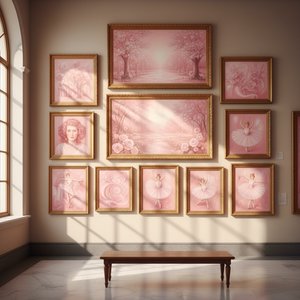
Top 10 slávnych obrazov v odtieňoch jemnej ružovej: Krása a história umenia pre váš domov
Objavte top 10 slávnych obrazov v odtieňoch jemnej ružovej! Od Botticelliho po Renoir – ponorte sa do histórie umenia a romantiky. Umelecké reprodukcie pre váš domov na OriginalUniqueArt.com. Preskúmajte celú kolekciu online.

The Visceral Stage: Exploring Dramatic Narratives & Emotional Intensity in Baroque Art
Explore the dramatic world of Baroque art! Discover iconic masters like Caravaggio & Rembrandt, their techniques, and the movement's lasting impact. Expert insights for collectors & enthusiasts at OriginalUniqueArt.