Zobraziť v interiéri
 Odoslať
 Zdieľať
 Podrobnosti
 Príručka

 Stiahnuť
 Podobné položky
 RTG skúška
 Prehliadanie diapo\]
 Štatistiky
Prudence


 Prečítať si viac
Giclée / Umenotlač
Giclée tlač alebo plátno múzeálnej kvality s rýchlou výrobou a rôznymi možnosťami povrchovej úpravy. ( Objednať ručne maľovanú reprodukciu Prepnúť na digitálnu verziu obrazu)




P118B €10

P118H €10

P118W €10

P438Z €10

P508JH €12

P508YH €12

P805H €10

P805Z €10

P919BZ €10

P919G €10

P919XJ €10

P959ZH €10

P968JZ €12

W106C €8

W218G €10

W218JH €8

W218Y €10

W307PJ €10

W316G €10

W316PJ €8

W316Y €10

W398PJ €8

W4111J €10

W500HY €15

W500JH €15

W692G €12

W849H €8

W940BG €15

W953PJ €8




Vyberte si z našich preddefinovaných rozmerov, ktoré zodpovedajú pôvodným pomeroḿ diela.

Zadajte šírku a výšku, ktoré potrebujete, aby sa reprodukcia hodila k vášmu rámu alebo stene. Print možno len orezávať, nikdy však nemennú veľkosť zvětšiť oproti pôvodnému obrázku, preto pri inom formáte stráca časť obrazu. Pred samotným vytlačiacím procesom vám pošleme digitálny náhľad na schválenie. Obrázok zobrazený na tejto stránke nezobrazuje reálny rez — len digitálny náhľad ukazuje presný výsledok.
Celosvetová doprava () do 2 týždňov namiesto štandardných 4 až 5 týždňov. (22 október)

Bezplatná expresná doprava po celom svete

Vysokokvalitné lnianske plátno

Úplné poistenie prepravy

Záruka vrátenia colného poplatku

Záruka presného farebného zhodnutia

100-dená politika vrátenia tovaru (iba pri vadách)

100% záruka vrátenia peňazí

Ponuka množstevnej zľavy
 Možnosť skla je dostupná len pri rozmeroch pod 110 cm

Prudence
Giclée / Umenotlač
Veľkosť reprodukcie
-


Celková cena
€ 70
A Mirror of Virtue: The Luminous World of Giovanni Bellini
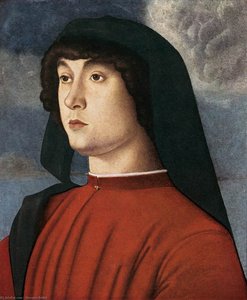
In the golden age of the Venetian Renaissance, few names resonate with as much grace and atmospheric brilliance as Giovanni Bellini. His masterpiece, Prudence, painted around 1490, serves as a breathtaking window into a period where art sought to harmonize the physical beauty of the human form with the profound depths of moral philosophy. This exquisite work is not merely a portrait but an allegory, part of a sophisticated series designed to provoke contemplation. As one gazes upon the canvas, the viewer is immediately struck by the soft, ethereal light that seems to eman quite naturally from within the painting itself, a hallmark of Bellini’s revolutionary approach to oil on panel.
The composition centers on a striking female figure, whose presence commands both reverence and curiosity. While some interpretations suggest a scene of vanity due to her engagement with a mirror, a deeper, more scholarly reading reveals the true essence of Prudence. The act of looking into the glass is a metaphor for self-reflection—the ability to examine one's own soul, actions, and character with clarity and honesty. This duality between outward beauty and inward wisdom creates a captivating tension that has enchanted collectors and art historians for centuries. The delicate rendering of her skin and the subtle, thoughtful expression on her face invite the observer into a silent dialogue about the importance of mindfulness in an ever-changing world.
Technique and the Venetian Glow
Bellini’s mastery lies in his unparalleled ability to manipulate color and light to create a sense of palpable atmosphere. Unlike the sharp, linear precision found in Florentine art of the same era, Bellini embraced the sfumato-like softness that would later define the Venetian school. Through the meticulous application of oil glazes, he achieved a luminous depth that allows colors to glow from beneath the surface. The intricate folds of fabric and the tender textures of the human form are rendered with such precision that they possess a tactile quality, making the scene feel remarkably alive.
The setting itself contributes to the painting's profound sense of balance. The presence of architectural elements, such as the brick wall and the nearby window, provides a structured contrast to the organic softness of the figures. This interplay between the man-made and the natural creates a harmonious environment that cradles the subjects in a state of eternal serenity. For the discerning interior designer or art enthusiast, this painting offers more than just visual splendor; it provides a focal point of intellectual and emotional depth, capable of transforming a space into a sanctuary of reflection and classical elegance.
An Enduring Legacy for the Modern Collector
To possess a reproduction of Prudence is to bring a piece of history into the contemporary home. It is an invitation to slow down and appreciate the nuances of light, shadow, and symbolism. Whether placed in a grand gallery or a quiet study, the painting acts as a bridge between the Renaissance workshop of Venice and the modern aesthetic appreciation for timeless beauty. The work stands as a testament to Bellini's role in shaping the trajectory of Western art, influencing legends such as Giorgione and Titian.
For those seeking to curate an environment filled with inspiration, this artwork offers a unique blend of:
- Historical Significance: A direct connection to the pinnacle of the Venetian Renaissance.
- Symbolic Depth: A rich tapestry of meanings ranging from self-reflection to classical mythology.
- Aesthetic Versatility: A soft, luminous palette that complements both traditional and sophisticated modern interiors.
Otázky a odpovede
Kedy a v akom štýle vzniklo dielo „Prudence“ od Giovanni Bellini?
Dielo „Prudence“ od Giovanni Bellini pochádza z roku 1490 a patrí do smeru Renaissance.
Môžem si pozrieť RTG pohľad diela „Prudence“ od Giovanni Bellini?
X-ray pohľad na dielo „Prudence“ od Giovanni Bellini nájdete na stránke RTG skenovanie pre dané dielo: ide o interaktívne skúmanie obrazu prostredníctvom jedenástich optických vrstiev.
Akú atmosféru by do miestnosti priniesla reprodukcia diela „Prudence“ od Giovanni Bellini?
Vďaka svojej Classic nálade je dielo „Prudence“ vhodné do Living Room.
Biografia umelca
A Venetian Master: The Life and Legacy of Giovanni Bellini
Giovanni Bellini, meno conosciuto di altri grandi maestri del Rinascimento veneziano come Giorgione o Tiziano, rappresenta una figura cruciale nel passaggio tra le tradizioni bizantine e l’innovativa spinta che avrebbe definito il XVI secolo. Nato intorno al 1430 – sebbene alcune fonti indichino il 1433 – in una famiglia profondamente radicata nel mondo dell'arte, il percorso di Bellini fu segnato da una continua evoluzione, caratterizzata da una profonda sensibilità per colore, luce e dall’emergente umanesimo del suo tempo. La natura precisa dei suoi rapporti familiari è stata oggetto di dibattito; per anni Jacopo Bellini era stato considerato suo padre, ma la moderna ricerca accademica indica che Jacopo era in realtà il fratello maggiore di Giovanni, con Gentile Bellini come cugino piuttosto che fratello. Indipendentemente da queste complessità, giovane Giovanni crebbe immerso in un laboratorio vibrante di creatività e competenza tecnica, assorbendo le fondamenta della pittura dall’infanzia. Il suo addestramento iniziale probabilmente coinvolse le tecniche tradizionali a tempera, favorite all'epoca, ma il suo talento innato per l’osservazione ed esprimere emozioni lo avrebbe distinto.Le Prime Influenze e lo Sviluppo Artistico
Il panorama artistico del XV secolo a Venezia era un affascinante mix di influenze. La posizione della città come importante centro commerciale espose i suoi artisti a stili e idee diverse, mentre l’eredità bizantina continuava ad esercitare una forte attrazione. Le prime opere di Bellini riflettono questa dualità. Inizialmente, il suo stile portò l'impronta del padre e del fratello, Gentile, con composizioni spesso caratterizzate da un dettaglio meticoloso e una palette emotiva piuttosto contenuta. Tuttavia, anche in queste prime opere iniziarono a emergere indizi della sua futura brillantezza – una delicata gestione della luce, un crescente interesse per ambientazioni naturalistiche e la capacità di infondere ai personaggi religiosi un palpabile senso di pathos umano. L’influenza di Andrea Mantegna, suo suocero, è evidente anche in questo periodo, soprattutto nella chiarezza delle linee e nelle forme scultoree. Bellini iniziò le sue commissioni spesso collaborando con altri artisti del laboratorio, come Gentile, per creare opere su larga scala che riflettevano l’importanza della comunità artistica veneziana.La Rivoluzione nel Colore e nella Tecnica
La vera rivoluzione di Bellini risiedette nell'abbraccio della pittura a olio. Sebbene non sia stato il primo a utilizzare questa tecnica, fu tra i primi artisti veneziani ad sfruttarne appieno il potenziale. A differenza della tempera, che si asciugava rapidamente e richiedeva un approccio lineare preciso, la pittura a olio permise a Bellini di creare dipinti con una profondità e una luminosità senza precedenti. Il suo uso del colore divenne sempre più sofisticato, allontanandosi dalle tonalità vivaci e spesso aggressive della pittura veneziana precedente verso una palette più sfumata e armoniosa. Imparò a catturare gli effetti della luce e dell'atmosfera, infondendo nei suoi paesaggi un senso di serenità e realismo rivoluzionari per l’epoca. Questa maestria nella pittura a olio non solo trasformò il suo lavoro, ma pose anche le basi per lo stile distintivo che avrebbe definito la scuola veneziana – uno stile celebrato per la sua sensualità, ricchezza cromatica e prospettiva atmosferica. I suoi dipinti emanavano una luce interiore, riflettendo una profondità spirituale che risuonava con i suoi contemporanei.Opere Mature e l'Eredità Duratura
Con il passare degli anni, la visione artistica di Bellini continuò ad evolversi. Le sue opere monumentali, come quelle create per le chiese di San Zaccaria e Santa Corona, dimostrano la sua capacità di creare composizioni complesse piene di significato simbolico e risonanza emotiva. *La Trasfigurazione*, ora ospitata nel Museo Capodimonte a Napoli, esemplifica il suo stile maturo – uno spirito sereno combinato con poteri artistici maturati. Servì anche come conservatore delle pitture del Palazzo Ducale, consolidando ulteriormente la sua reputazione come artista di spicco di Venezia. La sua influenza si estese ben oltre la sua vita. Diventò un mentore per una generazione di giovani artisti, tra cui Giorgione e Tiziano, che avrebbero portato avanti il suo lascito e spinto i confini dell'arte veneziana ancora più in là. Questi studenti assorbirono le tecniche e i principi estetici di Bellini, adattandoli ai loro stili individuali e contribuendo all’età d’oro della pittura veneziana. L'impatto di Bellini può essere visto nelle opere di numerosi artisti successivi, consolidando il suo posto come vero maestro del Rinascimento. Morì a Venezia nel 1516, lasciando dietro di sé un corpo di lavoro che continua ad ispirare ammirazione e stupore secoli dopo.Un’Eredità Che Dura nel Tempo
La significatività di Giovanni Bellini va oltre le sue innovazioni tecniche e i suoi risultati artistici. Ha catturato lo spirito di un mondo in cambiamento – un mondo che si confrontava con nuove idee sulla umanità, la spiritualità e il rapporto tra arte e natura. I suoi dipinti non sono semplici rappresentazioni di scene religiose; sono profonde meditazioni sulla fede, la bellezza e la condizione umana. La sua capacità di infondere nei suoi personaggi dignità e grazia, combinata con la sua maestria nel colore e nella luce, creò una lingua visiva che risuonava profondamente con i suoi contemporanei e continua a catturare il pubblico odierno. L’eredità di Bellini non è solo un'eccellenza artistica; è una testimonianza del potere dell'arte di trascendere il tempo e connetterci ai valori duraturi dell'esperienza umana.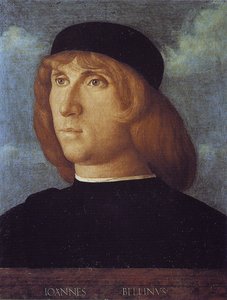
Giovanni Bellini
1433 - 1516 , Taliansko
Rýchle fakty
- Artistic Movement Or Style: Benátska škola
- Artists Or Movements Influenced By This Artist:
- Giorgione
- Titian
- Artists Who Influenced This Artist:
- Jacopo Bellini
- Gentile Bellini
- Mantegna
- Date Of Birth: c. 1430
- Date Of Death: 1516
- Full Name: Giovanni Bellini
- Nationality: Taliančania
- Notable Artworks:
- St. Jerome
- Transfigurácia
- Place Of Birth: Venice, Taliansko
Súvisiace články

Mastering the Surface: The Timeless Elegance and Technical Brilliance of Oil on Panel Painting
Discover the enduring allure of oil on panel painting. Explore the technical mastery, historical significance, and luminous depth that define this prestigious medium, from Renaissance masters to modern fine art reproductions for discerning collectors.
Oil on Panel: A Historical Survey of Technique, Support & Aesthetic Evolution
Explore the rich history of oil on panel painting! Discover Renaissance techniques, support structures & aesthetic evolution. Expert insights for art collectors and enthusiasts.
Mastering the Surface: A Historical and Technical Guide to the Art of Oil on Panel Painting
Explore the profound history and technical brilliance of oil on panel painting. From Renaissance masters to modern techniques, discover why this rigid support offers unparalleled precision and permanence for fine art lovers and collectors.
Oil on Panel: A Historical Survey of Technique, Support, and Aesthetic Impact
Explore the rich history of oil on panel painting! Discover Renaissance techniques, support construction, & the enduring legacy of this masterful art form. Expert insights for collectors and enthusiasts.
Top 10 olejov na plátne: Majstrovské diela, ktoré zmenili svet umenia | OriginalUniqueArt.sk
Objavte top 10 legendárnych olejov na plátne od Van Gogha, Rembrandta a Da Vinciho. História umenia, techniky a príbehy majstrovských diel. Reprodukcie obrazov pre váš interiér – OriginalUniqueArt.sk