Zobraziť v interiéri
 Odoslať
 Zdieľať
 Podrobnosti
 Príručka

 Stiahnuť
 Podobné položky
 RTG skúška
 Prehliadanie diapo\]
 Štatistiky
Madonna with Child
 Oil On Canvas
- WallArt
- Renaissance Humanism
 1465
1465 78.0 x 50.0 cm
 Sforzský hrad
 Prečítať si viac
Giclée / Umenotlač
Giclée tlač alebo plátno múzeálnej kvality s rýchlou výrobou a rôznymi možnosťami povrchovej úpravy. ( Objednať ručne maľovanú reprodukciu Prepnúť na digitálnu verziu obrazu)




P118B €10

P118H €10

P118W €10

P438Z €10

P508JH €12

P508YH €12

P805H €10

P805Z €10

P919BZ €10

P919G €10

P919XJ €10

P959ZH €10

P968JZ €12

W106C €8

W218G €10

W218JH €8

W218Y €10

W307PJ €10

W316G €10

W316PJ €8

W316Y €10

W398PJ €8

W4111J €10

W500HY €15

W500JH €15

W692G €12

W849H €8

W940BG €15

W953PJ €8




Vyberte si z našich preddefinovaných rozmerov, ktoré zodpovedajú pôvodným pomeroḿ diela.

Zadajte šírku a výšku, ktoré potrebujete, aby sa reprodukcia hodila k vášmu rámu alebo stene. Print možno len orezávať, nikdy však nemennú veľkosť zvětšiť oproti pôvodnému obrázku, preto pri inom formáte stráca časť obrazu. Pred samotným vytlačiacím procesom vám pošleme digitálny náhľad na schválenie. Obrázok zobrazený na tejto stránke nezobrazuje reálny rez — len digitálny náhľad ukazuje presný výsledok.
Celosvetová doprava () do 2 týždňov namiesto štandardných 4 až 5 týždňov. (24 október)

Bezplatná expresná doprava po celom svete

Vysokokvalitné lnianske plátno

Úplné poistenie prepravy

Záruka vrátenia colného poplatku

Záruka presného farebného zhodnutia

100-dená politika vrátenia tovaru (iba pri vadách)

100% záruka vrátenia peňazí

Ponuka množstevnej zľavy
 Možnosť skla je dostupná len pri rozmeroch pod 110 cm

Madonna with Child
Giclée / Umenotlač
Veľkosť reprodukcie
-


Celková cena
€ 70
Giovanni Bellini’s Madonna with Child: A Venetian Renaissance Masterpiece
Giovanni Bellini stands as an undisputed titan of Venetian Renaissance art, bridging the gap between Byzantine tradition and the burgeoning humanist spirit that would define the 16th century. Born around 1430 – though some sources suggest 1433 – into a family deeply entrenched in the artistic world, Bellini’s journey was one marked by ceaseless evolution, fueled by an unparalleled sensitivity to color, light, and the profound humanism of his era. The precise nature of his familial relationships has been debated; for years Jacopo Bellini was considered his father, but modern scholarship increasingly points towards Jacopo being Giovanni's elder half-brother, with Gentile Bellini as his nephew rather than sibling. Regardless of these intricacies, young Giovanni grew up immersed in a workshop brimming with creativity and technical expertise, absorbing the foundational principles of painting from an early age. His formative years were spent honing skills alongside his father and brother, mastering techniques that would become hallmarks of his distinctive style – a style characterized by luminous color palettes and meticulous detail, qualities that would resonate throughout his prolific career.- Subject Matter: The Madonna with Child embodies the quintessential devotional image of the Renaissance, depicting Mary cradling Jesus in her arms—a motif deeply rooted in Christian iconography and symbolizing divine motherhood and grace.
- Style: Bellini’s approach aligns seamlessly with Venetian Mannerism, prioritizing elegance and psychological nuance over strict realism. He eschews excessive ornamentation, favoring a restrained aesthetic that emphasizes compositional balance and harmonious color relationships.
- Technique: Employing tempera on panel—a technique favored by Venetian artists of the period—Bellini achieved remarkable luminosity through careful layering of translucent glazes. This method allowed him to capture subtle gradations of light and shadow, creating an ethereal atmosphere that elevates the scene beyond mere representation.
Historical Context: Venice at the Crossroads of Cultures
Venice during Bellini’s lifetime was a vibrant hub of artistic innovation, experiencing a period of unparalleled prosperity thanks to its maritime trade empire. The city fostered a cosmopolitan environment where Byzantine influences mingled with emerging humanist ideals—a confluence that profoundly impacted Venetian art. Artists like Bellini drew inspiration from both Eastern and Western traditions, synthesizing them into a uniquely Venetian aesthetic. The patronage system prevalent in Venice fueled artistic ambition, encouraging masters to produce ambitious works intended to glorify their patrons and elevate the prestige of the city itself. This context underscores the significance of Bellini’s Madonna with Child as a testament to Venice's cultural dynamism and its role as a conduit for artistic exchange.Symbolism: Layers of Meaning Beyond Beauty
The Madonna with Child is replete with symbolic references that speak to core theological concepts—primarily the Virgin Mary’s role as Mother of God and her unwavering faith. The landscape depicted behind Mary—a stylized vista reminiscent of Flemish painting—represents Paradise, symbolizing divine grace and eternal life. The angel on the rightward side embodies divine protection and heralds the arrival of salvation. Furthermore, Bellini's meticulous attention to detail—particularly in portraying Jesus’s face—reflects humanist concerns about capturing human emotion and psychological realism. The luminous color palette—dominated by blues and golds—evokes spiritual contemplation and reinforces the Madonna’s sanctity.Emotional Impact: A Moment of Serenity and Devotion
Ultimately, Giovanni Bellini's Madonna with Child transcends mere visual representation; it aspires to evoke a profound emotional response in the viewer. The serene stillness of Mary’s posture conveys tranquility and acceptance—a reflection of her unwavering faith and devotion. The gentle gaze of Jesus embodies innocence and divine compassion. Through his masterful technique and astute compositional choices, Bellini succeeds in capturing a timeless moment of spiritual beauty—one that continues to inspire admiration and contemplation centuries after its creation. Its enduring appeal testifies to the power of art to communicate universal themes of love, faith, and redemption.Otázky a odpovede
Aká podkladová farba prechádza dielom „Madonna with Child“ od Giovanni Bellini?
Dominantným odtieňom diela „Madonna with Child“ od Giovanni Bellini je Golden Yellow Range. Tento odtieň predstavuje základný tón palety.
Koľko ľudí si prezera "Madonna with Child"?
Stránka Štatistiky diela „Madonna with Child“ od Giovanni Bellini prezentuje štatistiky verejných návštev: mesačné návštevy tohto diela, porovnanie s najnavštevovanejšími prácami daného umelca a informácie o tom, odkiaľ návštevníci prichádzajú.
Kde kúpiť ručne maľované kópie diela „Madonna with Child“ od Giovanni Bellini?
Ručne maľované kópie diela „Madonna with Child“ od Giovanni Bellini sa predávajú na stránke táto webstránka: ručne maľovaná olejná reprodukcia na plátne z ľanu, pričom objednávka sa realizuje prostredníctvom ich stránky Ručne maľovaná reprodukcia.
Biografia umelca
A Venetian Master: The Life and Legacy of Giovanni Bellini
Giovanni Bellini, meno conosciuto di altri grandi maestri del Rinascimento veneziano come Giorgione o Tiziano, rappresenta una figura cruciale nel passaggio tra le tradizioni bizantine e l’innovativa spinta che avrebbe definito il XVI secolo. Nato intorno al 1430 – sebbene alcune fonti indichino il 1433 – in una famiglia profondamente radicata nel mondo dell'arte, il percorso di Bellini fu segnato da una continua evoluzione, caratterizzata da una profonda sensibilità per colore, luce e dall’emergente umanesimo del suo tempo. La natura precisa dei suoi rapporti familiari è stata oggetto di dibattito; per anni Jacopo Bellini era stato considerato suo padre, ma la moderna ricerca accademica indica che Jacopo era in realtà il fratello maggiore di Giovanni, con Gentile Bellini come cugino piuttosto che fratello. Indipendentemente da queste complessità, giovane Giovanni crebbe immerso in un laboratorio vibrante di creatività e competenza tecnica, assorbendo le fondamenta della pittura dall’infanzia. Il suo addestramento iniziale probabilmente coinvolse le tecniche tradizionali a tempera, favorite all'epoca, ma il suo talento innato per l’osservazione ed esprimere emozioni lo avrebbe distinto.Le Prime Influenze e lo Sviluppo Artistico
Il panorama artistico del XV secolo a Venezia era un affascinante mix di influenze. La posizione della città come importante centro commerciale espose i suoi artisti a stili e idee diverse, mentre l’eredità bizantina continuava ad esercitare una forte attrazione. Le prime opere di Bellini riflettono questa dualità. Inizialmente, il suo stile portò l'impronta del padre e del fratello, Gentile, con composizioni spesso caratterizzate da un dettaglio meticoloso e una palette emotiva piuttosto contenuta. Tuttavia, anche in queste prime opere iniziarono a emergere indizi della sua futura brillantezza – una delicata gestione della luce, un crescente interesse per ambientazioni naturalistiche e la capacità di infondere ai personaggi religiosi un palpabile senso di pathos umano. L’influenza di Andrea Mantegna, suo suocero, è evidente anche in questo periodo, soprattutto nella chiarezza delle linee e nelle forme scultoree. Bellini iniziò le sue commissioni spesso collaborando con altri artisti del laboratorio, come Gentile, per creare opere su larga scala che riflettevano l’importanza della comunità artistica veneziana.La Rivoluzione nel Colore e nella Tecnica
La vera rivoluzione di Bellini risiedette nell'abbraccio della pittura a olio. Sebbene non sia stato il primo a utilizzare questa tecnica, fu tra i primi artisti veneziani ad sfruttarne appieno il potenziale. A differenza della tempera, che si asciugava rapidamente e richiedeva un approccio lineare preciso, la pittura a olio permise a Bellini di creare dipinti con una profondità e una luminosità senza precedenti. Il suo uso del colore divenne sempre più sofisticato, allontanandosi dalle tonalità vivaci e spesso aggressive della pittura veneziana precedente verso una palette più sfumata e armoniosa. Imparò a catturare gli effetti della luce e dell'atmosfera, infondendo nei suoi paesaggi un senso di serenità e realismo rivoluzionari per l’epoca. Questa maestria nella pittura a olio non solo trasformò il suo lavoro, ma pose anche le basi per lo stile distintivo che avrebbe definito la scuola veneziana – uno stile celebrato per la sua sensualità, ricchezza cromatica e prospettiva atmosferica. I suoi dipinti emanavano una luce interiore, riflettendo una profondità spirituale che risuonava con i suoi contemporanei.Opere Mature e l'Eredità Duratura
Con il passare degli anni, la visione artistica di Bellini continuò ad evolversi. Le sue opere monumentali, come quelle create per le chiese di San Zaccaria e Santa Corona, dimostrano la sua capacità di creare composizioni complesse piene di significato simbolico e risonanza emotiva. *La Trasfigurazione*, ora ospitata nel Museo Capodimonte a Napoli, esemplifica il suo stile maturo – uno spirito sereno combinato con poteri artistici maturati. Servì anche come conservatore delle pitture del Palazzo Ducale, consolidando ulteriormente la sua reputazione come artista di spicco di Venezia. La sua influenza si estese ben oltre la sua vita. Diventò un mentore per una generazione di giovani artisti, tra cui Giorgione e Tiziano, che avrebbero portato avanti il suo lascito e spinto i confini dell'arte veneziana ancora più in là. Questi studenti assorbirono le tecniche e i principi estetici di Bellini, adattandoli ai loro stili individuali e contribuendo all’età d’oro della pittura veneziana. L'impatto di Bellini può essere visto nelle opere di numerosi artisti successivi, consolidando il suo posto come vero maestro del Rinascimento. Morì a Venezia nel 1516, lasciando dietro di sé un corpo di lavoro che continua ad ispirare ammirazione e stupore secoli dopo.Un’Eredità Che Dura nel Tempo
La significatività di Giovanni Bellini va oltre le sue innovazioni tecniche e i suoi risultati artistici. Ha catturato lo spirito di un mondo in cambiamento – un mondo che si confrontava con nuove idee sulla umanità, la spiritualità e il rapporto tra arte e natura. I suoi dipinti non sono semplici rappresentazioni di scene religiose; sono profonde meditazioni sulla fede, la bellezza e la condizione umana. La sua capacità di infondere nei suoi personaggi dignità e grazia, combinata con la sua maestria nel colore e nella luce, creò una lingua visiva che risuonava profondamente con i suoi contemporanei e continua a catturare il pubblico odierno. L’eredità di Bellini non è solo un'eccellenza artistica; è una testimonianza del potere dell'arte di trascendere il tempo e connetterci ai valori duraturi dell'esperienza umana.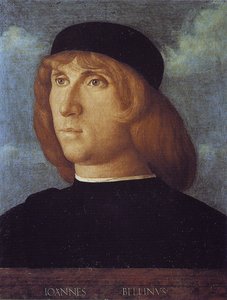
Giovanni Bellini
1433 - 1516 , Taliansko
Rýchle fakty
- Artistic Movement Or Style: Benátska škola
- Artists Or Movements Influenced By This Artist:
- Giorgione
- Titian
- Artists Who Influenced This Artist:
- Jacopo Bellini
- Gentile Bellini
- Mantegna
- Date Of Birth: c. 1430
- Date Of Death: 1516
- Full Name: Giovanni Bellini
- Nationality: Taliančania
- Notable Artworks:
- St. Jerome
- Transfigurácia
- Place Of Birth: Venice, Taliansko
Súvisiace články
Tempera on Panel: A Procurement Guide to Durable, High-Quality Art for Large-Scale Hospitality Projects
A professional procurement guide for hotel designers on the durability and prestige of tempera on panel. Discover how these high-quality, large-scale artworks offer unmatched longevity and architectural impact for premium hospitality projects and commercial interiors.

The Timeless Glow of Tempera on Panel: A Guide to This Luminous Art Medium
Discover the luminous beauty of tempera on panel. Explore the historical techniques, egg-based alchemy, and enduring legacy of this radiant medium used by Renaissance masters to capture light and eternal grace.
Illuminating Surfaces: A Comprehensive Exploration of Tempera on Panel Painting Techniques & Historical Significance
Explore the rich history & techniques of tempera painting! Discover Renaissance masters like Botticelli & Fra Angelico, conservation insights, and the enduring legacy of this captivating art form. Learn more now!
Tempera on Panel: Unveiling the Timeless Techniques and Sacred Artistry of the Old Masters
Unveil the sacred secrets of egg tempera on panel. Journey through the technical mastery and profound artistry of the Old Masters, from Giotto to Botticelli. An essential educational guide for Renaissance art enthusiasts seeking deep historical insight and expertise.
Top 10 majstrovských diel tempery na dreve, ktoré zmenili svet umenia | OriginalUniqueArt
Objavte 10 legendárnych majstrovských diel tempery na dreve od Botticelliho, van Eycka a ďalších. Prežite príbeh umenia renesancie a gotiky! Reprodukcie obrazov pre luxusný interiér – OriginalUniqueArt.