
 Náhľad v interiéri
 Odoslať ako digitálnu kartu
 Zdieľať
 Podrobnosti o dielo
 Príručka

 Stiahnuť obraz
 Podobné položky
 RTG skúška
 Prehliadanie diapozoje
 Otázky a odpovede
 Štatistiky
Cup


 Zobraziť viac
Giclée / Umenotlač
Giclée tlač alebo plátno múzeálnej kvality s rýchlou výrobou a rôznymi možnosťami povrchovej úpravy. ( Kúpiť ručne maľovaný obraz Prepnúť na digitálny obraz)




P118B €10

P118H €10

P118W €10

P438Z €10

P508JH €12

P508YH €12

P805H €10

P805Z €10

P919BZ €10

P919G €10

P919XJ €10

P959ZH €10

P968JZ €12

W106C €8

W218G €10

W218JH €8

W218Y €10

W307PJ €10

W316G €10

W316PJ €8

W316Y €10

W398PJ €8

W4111J €10

W500HY €15

W500JH €15

W692G €12

W849H €8

W940BG €15

W953PJ €8




Vyberte si z našich preddefinovaných rozmerov, ktoré zodpovedajú pôvodným pomeroḿ diela.

Zadajte šírku a výšku, ktoré potrebujete, aby sa reprodukcia hodila k vášmu rámu alebo stene. Print možno len orezávať, nikdy však nemennú veľkosť zvětšiť oproti pôvodnému obrázku, preto pri inom formáte stráca časť obrazu. Pred samotným vytlačiacím procesom vám pošleme digitálny náhľad na schválenie. Obrázok zobrazený na tejto stránke nezobrazuje reálny rez — len digitálny náhľad ukazuje presný výsledok.
Celosvetová doprava () do 2 týždňov namiesto štandardných 4 až 5 týždňov. (7 november)

Bezplatná expresná doprava po celom svete

Vysokokvalitné lnianske plátno

Kompletné poistenie prepravy

Záruka vrátenia colného poplatku

Záruka presného farebného zhodnutia

100-dená politika vrátenia tovaru (iba pri vadách)

100% záruka vrátenia peňazí

Zľava pri väčšom množstve
 Možnosť skla je dostupná len pri rozmeroch pod 110 cm

Cup
Giclée / Umenotlač
Veľkosť reprodukcie
-


Celková cena
€ 72
Giovanni Battista Gariboldi: Cup - A Study in Organic Texture and Serene Green
Giovanni Battista Gariboldi’s 1936 ceramic bowl stands as a testament to the enduring power of Italian craftsmanship and a masterful exploration of natural forms. More than just tableware, it embodies a deliberate aesthetic choice—a commitment to capturing the essence of organic beauty within a meticulously crafted medium.
- Subject Matter: The bowl’s central focus is simplicity itself: a single ceramic vessel designed to hold liquid. However, its unassuming appearance belies a profound consideration for visual harmony and textural richness.
- Style: Gariboldi's work aligns squarely with the principles of ceramic art—a tradition rooted in ancient techniques and celebrated for its ability to transform raw materials into objects of enduring elegance. Influenced by Art Deco sensibilities, it leans towards geometric forms softened by organic contours.
- Technique: The bowl’s surface is achieved through a painstaking process of hand-building – likely utilizing coil construction—followed by careful glazing application. This technique ensures that every piece possesses unique variations in tone and texture, reflecting the inherent irregularities of natural materials.
The glaze itself contributes significantly to the overall impression. Gariboldi skillfully employs a palette dominated by shades of green – from deep olive tones reminiscent of ancient woodlands to lighter hues suggestive of tranquil lagoons. These colors aren’t merely decorative; they evoke feelings of serenity and connection with the natural world.
Historical Context: Created in 1936, Gariboldi's bowl reflects the broader artistic currents of its time—a period marked by a renewed interest in organic forms and a desire to express emotion through visual language. It stands as an exemplar of Italian ceramic art during the Fascist era, showcasing a dedication to tradition while embracing stylistic innovations.
Symbolism: The bowl’s textured surface – resembling a leaf or petal – speaks to themes of growth, fragility, and renewal. These symbols resonate deeply within Pre-Raphaelite aesthetics—a movement that championed idealized beauty and sought inspiration in medieval myths and legends. Gariboldi's piece invites contemplation on the relationship between humanity and nature.
Emotional Impact: Viewing Gariboldi’s bowl is an experience of quiet contemplation. Its understated elegance and harmonious color palette inspire a sense of calm and appreciation for artisanal skill—a reminder that beauty can be found in simplicity and that objects crafted with care hold profound emotional resonance.
Otázky a odpovede
Je možné legálne reprodukovať dielo „Cup“ od Giovanni Battista Gariboldi, ktoré sa nachádza v múzeu Sforzský hrad?
Dielo „Cup“ od Giovanni Battista Gariboldi, ktoré sa nachádza v múzeu Sforzský hrad, je v v slobodnom prostredí – autorské práva vypršali. Tento stav určuje, či je možné vytvárať reprodukcie tohto obrazu.
Do ktorej obdobia tvorby Giovanni Battista Gariboldi spadá dielo "Cup"?
V rámci kariéry umelca Giovanni Battista Gariboldi spadá dielo „Cup“ do obdobia Early Modern, čo umožňuje jeho porovnanie s ostatnými prácami tohto umelca.
Kto vytvoril „Cup“ a v ktorom roku?
Giovanni Battista Gariboldi vytvoril/a „Cup“ v roku 1936.
Súvisiace články

The Alchemy of Clay: A Collector's Guide to the Mastery, Texture, and Timeless Form of Ceramic Art
Discover the profound beauty of ceramic art. Our expert guide explores the alchemy of clay, texture, and glaze, offering collectors deep insights into mastering earth and fire to create timeless, sculptural masterpieces for any curated collection.

The Art of Ceramics: A Guide to Mastery, Texture, and Timeless Form for the Discerning Collector
Explore the profound elegance of ceramic art. From master glazes to sculptural forms, our expert guide offers discerning collectors deep insights into the mastery, texture, and timeless value of fine ceramics for sophisticated collections and luxury interiors.

Fernand Léger: Top 25 diel pre milovníkov moderného umenia a dizajnu interiéru
Objavte top 25 diel Fernand Légera – priekopníka kubizmu a tubizmu. Prežite príbeh za ikonickými obrazmi, farebnou kompozíciou a strojovým vekom. Reprodukcie pre váš interiér na OriginalUniqueArt.com! Preskúmajte celú kolekciu online.
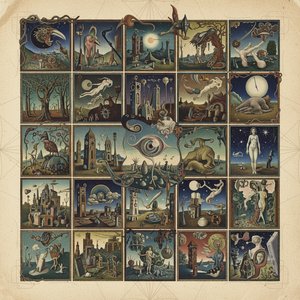
Max Ernst: Top 25 diel surrealistického majstra pre váš domov | OriginalUniqueArt
Ponorte sa do sveta Maxa Ernsta! Objavte top 25 diel surrealistického majstra – od Frottage po snové krajiny. Kúpiť reprodukcie obrazov online na OriginalUniqueArt.com a doprajte si luxusný dekor do interiéru.

Paul Cézanne: Top 25 Majstrovských Diel pre Váš Domov – Kolekcia OriginalUniqueArt
Objavte top 25 diel Paula Cézanna – impresionistické krajinomaľby, zátišia a portréty. Prežite príbeh umelca a jeho majstrovských techník. Reprodukcie obrazov pre luxusný domov na OriginalUniqueArt.com