
 Prepnúť na tlač
 Zobraziť viac







































 V prípade umeleckých diel alebo reprodukcií, ktorých ktorákoľvek strana je väčšia ako 105 cm (cca 41 palcov), sa rám dodáva v rozloženom stave ako sada. Táto metóda zabezpečuje bezpečnú доставu a chráni pred poškodením počas prepravy.


Giotto di Bondone’s *Nativity*: A Revolution in Religious Painting
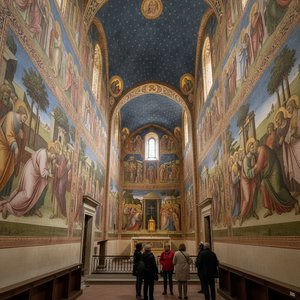
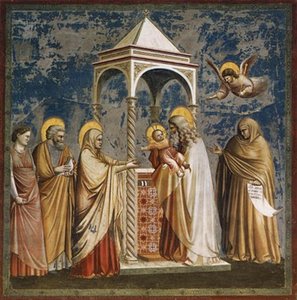
Giotto di Bondone's *Nativity*, painted in 1306 as part of the breathtaking fresco cycle within the Scrovegni Chapel in Padua, Italy, represents a monumental leap forward in Western art history. This isn’t merely another depiction of Jesus’ birth; it is an audacious undertaking that decisively bridges the gap between the stylized conventions of Byzantine iconography and the nascent naturalism characteristic of the burgeoning Renaissance movement. Giotto fundamentally reshaped artistic approaches to biblical narratives, imbuing his scenes with unprecedented emotional resonance and a palpable sense of human empathy—a departure from previous representations that prioritized symbolic abstraction over realistic portrayal. Artistic Style & Technique: Embracing Naturalism Amidst Tradition Prior to Giotto’s groundbreaking work, images of biblical events frequently adhered to rigid stylistic formulas. Figures were typically rendered in flattened planes, elongated proportions, and bathed in shimmering gold backgrounds—elements designed to elevate them beyond the earthly realm and emphasize their spiritual significance. Giotto boldly challenged this established paradigm. He championed a more naturalistic style, grounding his figures within spatial depth using rudimentary perspective – a concept that was revolutionary for its time and foreshadowed the stylistic innovations of the coming centuries. His masterful manipulation of *chiaroscuro*, the dramatic interplay between light and shadow, lends volume and weight to the forms, creating an illusion of three-dimensional space that profoundly impacted subsequent artists. The fresco technique itself—applying pigment directly onto wet plaster—necessitated swift execution and meticulous planning – skills Giotto honed with exceptional precision. Despite employing a restrained palette compared to later Renaissance masterpieces, his colors contribute significantly to the scene’s overall clarity and luminosity. A Scene of Humble Majesty: Composition and Emotion The *Nativity* portrays the pivotal moment of Jesus' arrival into the world, surrounded by Mary, Joseph, shepherds, angels, and animals – notably a donkey and sheep—creating a carefully orchestrated composition that conveys both grandeur and profound humility. Giotto skillfully arranges the figures not in static poses but rather with subtle movements reflecting reverence, wonder, and quiet contemplation. Observe how Mary reclines gracefully, gazing tenderly upon her newborn son, while Joseph stands vigilantly beside him, expressing paternal concern. The descending angels herald divine intervention with gestures of solemnity and awe. These nuanced expressions capture the essence of the biblical narrative—a testament to Giotto’s ability to convey emotion through visual representation. Historical Context & Significance: Breaking Barriers Giotto's work stands apart from its predecessors due to its profound influence on artistic development. Byzantine art, characterized by stylized figures and symbolic ornamentation, dominated European painting for centuries before Giotto’s time. Giotto’s insistence on spatial depth and realistic depiction represented a decisive break from this tradition—a pivotal step toward establishing the Renaissance aesthetic. The Scrovegni Chapel itself served as an incubator for artistic experimentation, fostering a dialogue between established conventions and emerging ideas that would shape the course of Western art history. Symbolism & Artistic Legacy: Echoes of Faith and Humanity The *Nativity* is replete with symbolic elements—angels embodying divine grace, animals symbolizing innocence and humility, and the humble stable signifying the incarnation of Christ—reflecting the theological preoccupations of the medieval period. Giotto’s achievement transcends mere technical prowess; it resides in his ability to infuse his art with spiritual contemplation and human compassion. His legacy continues to inspire artists today, demonstrating that true artistic greatness lies not only in mastering technique but also in conveying profound emotional truths—a timeless testament to the enduring power of faith and beauty.- Artist: Giotto di Bondone (1267-1337)
- Date: 1306
- Size: 200 x 185 cm
- Location: Scrovegni Chapel, Padua
Otázky a odpovede
Je možné si dielo „Narodzisko.“ pozrieť v rozšírenej realite?
Dielo „Narodzisko.“ od Giotto di Bondone si môžete vyskúšať priamo na vašej stene pomocou rozšírenej reality na kompatibilnom zariadení na stránke Náhľad v AR pre AR náhľad.
Aká veľkosť tlače diela „Narodzisko.“ od Giotto di Bondone sa hodí do odporúčanej miestnosti?
Pre Obývací izba je odporúčaná veľkosť vytlačenej verzie diela „Narodzisko.“ od Giotto di Bondone Veľký formát.
Ako sa téma diela „Narodzisko.“ vzťahuje k bežným témam umelca Giotto di Bondone?
„Narodzisko.“ zachytáva religious painting, nativity scene, medieval art, giotto di bondone, renaissance transition, italian fresco, biblical narrative, chiaroscuro technique, zatiaľ čo v tvorbe umelca Giotto di Bondone sa pravidelne objavujú témy ako byzantine tradition, human emotion depth, religious symbolism, spatial perspective shift, scrovegni chapel legacy. Porovnanie týchto dvoch aspektov ukazuje, ako toto dielo nadväzuje na bežné motívy tohto umelca.
 Náhľad v interiéri
 Odoslať ako digitálnu kartu
 Zdieľať
 Podrobnosti o dielo
 Príručka

 Stiahnuť obraz
 Podobné položky
 RTG skúška
 Prehliadanie diapozoje
 Otázky a odpovede
 Štatistiky






![Posledný súd - Detail [03]](/media/artworks/images-thumb/7d/a9/7da93e3737abc9f37453cee26f9f9796.jpg)
