Zobraziť v interiéri
 Odoslať
 Zdieľať
 Podrobnosti
 Príručka

 Stiahnuť
 Podobné položky
 RTG skúška
 Prehliadanie diapo\]
 Štatistiky
justice


 Prečítať si viac
Giclée / Umenotlač
Giclée tlač alebo plátno múzeálnej kvality s rýchlou výrobou a rôznymi možnosťami povrchovej úpravy. ( Objednať ručne maľovanú reprodukciu Prepnúť na digitálnu verziu obrazu)




P118B €10

P118H €10

P118W €10

P438Z €10

P508JH €12

P508YH €12

P805H €10

P805Z €10

P919BZ €10

P919G €10

P919XJ €10

P959ZH €10

P968JZ €12

W106C €8

W218G €10

W218JH €8

W218Y €10

W307PJ €10

W316G €10

W316PJ €8

W316Y €10

W398PJ €8

W4111J €10

W500HY €15

W500JH €15

W692G €12

W849H €8

W940BG €15

W953PJ €8




Vyberte si z našich preddefinovaných rozmerov, ktoré zodpovedajú pôvodným pomeroḿ diela.

Zadajte šírku a výšku, ktoré potrebujete, aby sa reprodukcia hodila k vášmu rámu alebo stene. Print možno len orezávať, nikdy však nemennú veľkosť zvětšiť oproti pôvodnému obrázku, preto pri inom formáte stráca časť obrazu. Pred samotným vytlačiacím procesom vám pošleme digitálny náhľad na schválenie. Obrázok zobrazený na tejto stránke nezobrazuje reálny rez — len digitálny náhľad ukazuje presný výsledok.
Celosvetová doprava () do 2 týždňov namiesto štandardných 4 až 5 týždňov. (22 október)

Bezplatná expresná doprava po celom svete

Vysokokvalitné lnianske plátno

Úplné poistenie prepravy

Záruka vrátenia colného poplatku

Záruka presného farebného zhodnutia

100-dená politika vrátenia tovaru (iba pri vadách)

100% záruka vrátenia peňazí

Ponuka množstevnej zľavy
 Možnosť skla je dostupná len pri rozmeroch pod 110 cm

justice
Giclée / Umenotlač
Veľkosť reprodukcie
-


Celková cena
€ 70
The Weight of Justice: Giotto’s Vision in “Justice”
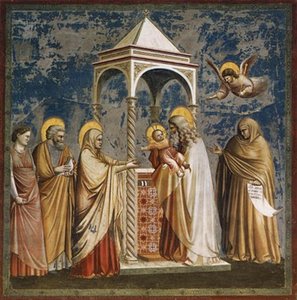
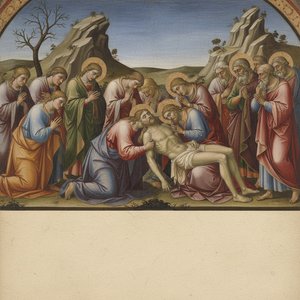
Giotto di Bondone's "Justice," painted circa 1305, isn’t merely a portrait; it’s a profound meditation on moral order and the very foundations of society. Emerging from his workshop in Padua, this fresco—now meticulously reproduced as a stunning oil painting by OriginalUniqueArt—captures a pivotal moment in art history: the Proto-Renaissance, where Giotto began to dismantle the rigid conventions of Byzantine iconography and embrace a more humanistic, emotionally resonant style. The image depicts a seated woman, embodying Justice herself, rendered with an unprecedented sense of realism and psychological depth that would define the Renaissance aesthetic. She’s not a distant, ethereal figure but a powerfully grounded presence, radiating authority yet imbued with a quiet dignity.
The composition is strikingly formal, echoing the architectural grandeur of the Arena Chapel where it resides. The woman sits within an ornate niche, reminiscent of Gothic architecture, its arches and columns framing her like a sacred space. Below her, a decorative frieze—a series of small sculpted figures—adds layers of symbolic detail, hinting at the consequences of both righteous action and unjust behavior. The careful use of lines – sharp angles defining the architectural elements, flowing curves in the drapery – creates a sense of stability and structure, reflecting the underlying order Giotto sought to convey. The palette is restrained, dominated by earthy tones—ochres, browns, and deep reds—that lend the scene an air of solemnity and gravitas.
A Study in Symbolism
Giotto’s genius lies not just in his technical skill but in his masterful deployment of symbolism. The woman herself is a complex figure, representing Justice as both a legal principle and a moral ideal. Her crown and regal attire signify her authority, while the scales she holds represent the weighing of evidence—the careful consideration required to render true justice. Crucially, Giotto doesn’t depict Justice as an abstract concept; he humanizes her, imbuing her with a palpable sense of empathy and responsibility. The inclusion of figures representing both virtue and vice beneath her throne underscores the ongoing struggle between good and evil that defines the human condition.
The architectural setting is equally laden with meaning. The niche itself can be interpreted as a representation of divine judgment, while the sculpted frieze below serves as a visual reminder of the consequences of actions—rewards for virtue and punishments for vice. Notably, Giotto’s depiction of Justice aligns closely with earlier medieval representations of the concept, but he elevates it through his newfound realism and emotional intensity. The figures are no longer stylized icons; they possess individual characteristics and expressions, inviting viewers to connect with them on a deeper level.
The Proto-Renaissance Breakthrough
“Justice” stands as a cornerstone of Giotto’s revolutionary approach to painting. He moved decisively away from the flattened perspectives and symbolic abstractions of Byzantine art, embracing instead a more naturalistic representation of space and form. This shift is evident in the way he renders the folds of the woman's clothing, the subtle modeling of her face, and the sense of depth created by the architectural setting. Giotto’s innovations—his use of light and shadow to create volume, his attention to anatomical detail, and his ability to convey emotion through gesture—laid the groundwork for the High Renaissance and profoundly influenced generations of artists to come.
The fresco's influence extends beyond its aesthetic qualities; it represents a fundamental shift in artistic philosophy. Giotto sought to capture not just the outward appearance of his subjects but also their inner lives, reflecting a growing interest in human psychology that would characterize the Renaissance. His work signaled a move towards portraying humanity with dignity and complexity—a departure from the more didactic and symbolic approach of medieval art.
Bringing “Justice” Home
Today, OriginalUniqueArt’s meticulously crafted oil reproduction captures the essence of Giotto's masterpiece with breathtaking fidelity. Each brushstroke faithfully recreates the fresco’s rich textures and nuanced colors, allowing you to experience the profound beauty and intellectual depth of this iconic work of art. Whether adorning a grand salon or a smaller study, “Justice” serves as a timeless reminder of the enduring power of art to illuminate our understanding of morality, justice, and the human condition.
- Explore high-quality reproductions at OriginalUniqueArt
Otázky a odpovede
Kde sa odporúča vystaviť obraz vo formáte Tall s názvom „justice“?
Formát Tall diela „justice“ od Giotto di Bondone je odporúčaný pre Living Room. Formát a priestor spoločne určujú najvhodnejšie umiestnenie reprodukcie.
Akú paletu a aký pocit spája dielo "justice"?
V diele „justice“ sprevádzajú Neutrals farby Reflective pocit.
Aký je formát diela „justice"]?
Formát diela „justice“ je Tall. Je to užitočné pri plánovaní miesta, kam bude reprodukcia umiestnená.
Biografia umelca
Život a legenda Giotta di Bondone: Z pastiera k renesančnému majstrovi
Giotto di Bondone, narodený okolo roku 1267 v malebnom toskánskom Colle di Vespignano neďaleko Florencie, je bezpochyby jednou z najvýznamnejších postáv prechodu od stredovekého umenia k renesancii. Jeho rané životné osudy sú obalené legendami – rozpráva sa o pastierovi, ktorý na skalách kreslil pozoruhodne realistické ovce a upútal pozornosť florentského majstra Cimabueho. Či ide o fakt alebo folklór, tento príbeh dokonale vystihuje podstatu Giottovho génia: vrodenú schopnosť zachytiť prírodný svet s nebývalým realizmom a emocionálnou hĺbkou. Prijatý ako učeň Cimabueom, Giotto ho rýchlo prekonal, osvojil si technické zručnosti, no zároveň si vydláždil vlastnú cestu. V dobe dominujúceho byzantského štýlu, ktorý preferoval štylizované postavy, sploštenú perspektívu a bohaté zlaté pozadie – symboly duchovnej transcendencie skôr než pozemskej reprezentácie – Giotto túžil zobraziť ľudstvo nielen ako éterické ikony, ale ako jednotlivcov prežívajúcich pocity a existujúcich v hmatateľnom priestore.
Prelom s byzantskou tradíciou: Nový naturalizmus
Giottova umelecká revolúcia nebola náhlym prevratom, ale postupnou evolúciou. Jeho skoré diela už naznačovali nadchádzajúcu zmenu, prejavujúcu sa rastúcim dôrazom na objem, váhu a vierohodnú anatómiu. Začal vnímať svetlo a tieň nielen ako dekoratívne prvky, ale ako nástroje na modelovanie tvarov a vytváranie hĺbky. Tento vznikajúci naturalizmus je evidentný v jeho príspevkoch k freskám vo vrchnom kostole baziliky svätého Františka v Assisi – napriek spornosti autorstva uznávajú mnohí odborníci Giottovu ruku v scénach, ktoré predstavujú výrazný odklon od prevládajúcej byzantskej estetiky. Neodmietal tradíciu; budoval na nej a vštepoval do zavedených foriem nový pocit ľudskosti a emocionálnej rezonancie. Pochopil silu narácie, vytvárajúc kompozície, ktoré rozprávali príbehy nielen prostredníctvom rigidnej symboliky, ale aj prostredníctvom expresívnych gest, vierohodných interakcií a premyslene zostavených kulís.
Fresky v Scrovegniho kaplnke: Majstrovské dielo rozprávania
Giottovo majstrovské dielo, a zároveň jedno z najdôležitejších diel západného umenia, je freskový cyklus zdobiaci Scrovegniho kaplnku (známu aj ako Arena Chapel) v Padove. Dokončený okolo roku 1305, tento úchvatný seriál zobrazuje život Krista a Panny Márie s revolučnou úrovňou realizmu a emocionálnej intenzity. Každá scéna sa odvíja ako starostlivo inscenovaná dráma, obývaná postavami, ktoré nie sú len reprezentáciami náboženských archetypov, ale plne zrealizovanými ľuďmi prežívajúcimi radosť, smútok, strach a nádej. *Posledný súd*, dominantná na celej jednej stene, je silným svedectvom Giottovej schopnosti vyjadriť božskú majestátnosť i surovú zraniteľnosť ľudstva čeliacemu svojmu poslednému rozúčtovaniu. Použitie perspektívy, hoci nie matematicky presné podľa neskorších renesančných štandardov, vytvára presvedlivú ilúziu hĺbky a vtiahne diváka do príbehu. Postavy sú uzemnené, ich telá majú váhu a objem a ich výrazy vyjadrujú rozsahy emócií, ktoré boli predtým v náboženskom umení nevídané.
Okrem fresiek: Architektúra a trvalý odkaz
Giottove nadanie presahovalo maľbu; bol tiež rešpektovaným architektom. V roku 1334 ho poverili návrhom zvonice – florentskej katedrály, projektu, ktorý demonštroval jeho inovatívny prístup k architektonickej forme. Hoci zomrel pred jej dokončením, jeho návrhy položili základy pre túto ikonickú florentskú pamiatku. Jeho vplyv na nasledujúce generácie umelcov je nesmierny. Premostil prieklamu medzi stredovekom a renesanciou, čím pripravil cestu majstrom ako Masaccio, Leonardo da Vinci a Michelangelo. Vasari vo svojom zásadnom diele *Životy najvýznamnejších maliarov, sochárov a architektov* pripisuje Giottovi „darovanie maľbe veľkého umenia robiť veci z prírody“, čo svedčí o jeho hlbokom vplyve na priebeh západného umenia. Giotto nielen zobrazoval svet; snažil sa ho pochopiť, zachytiť jeho podstatu a odovzdať toto porozumenie prostredníctvom sily vizuálneho rozprávania. Jeho odkaz stále vzbudzuje úžas a obdiv stáročia po jeho smrti, čím si upevňuje svoje miesto ako jedného z najväčších umeleckých inovátorov v dejinách.
Kľúčové úspechy & Trvalý vplyv
- Revolucionalizoval maľbu: Posunul sa od byzantskej štylizácie smerom k naturalizmu a emocionálnemu realizmu.
- Pionier perspektívy: Zaviedol techniky na vytvorenie hĺbky a priestorového vedomia v obrazoch.
- Majsterské rozprávanie príbehov: Vytvoril presvedčivé naratívy prostredníctvom freskových cyklov, ako je Scrovegniho kaplnka.
- Architektonické príspevky: Navrhol zvonicu florentskej katedrály, demonštrujúc architektonickú zručnosť.
- Základy renesančného umenia: Jeho dielo položilo základy umeleckých úspechov obdobia renesancie.

Giotto di Bondone
1267 - 1337 , Taliansko
Rýchle fakty
- Artistic Movement Or Style: Proto-renesancia
- Artists Or Movements Influenced By This Artist:
- Masaccio
- Renesančné umenie
- Artists Who Influenced This Artist: ['Cimabue']
- Date Of Birth: cca 1267
- Date Of Death: 1337
- Full Name: Giotto di Bondone
- Nationality: Talian
- Notable Artworks:
- Scrovegniho kaplnka
- Ognissanti Madonna
- Campanile
- Place Of Birth (City And Country): Florencia, Taliansko
Súvisiace články
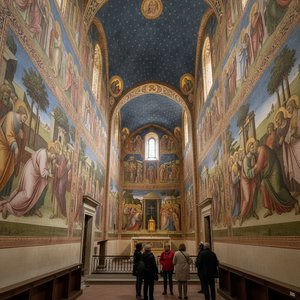
The Proto-Renaissance Revolution: How Giotto Shattered the Mold to Create Modern Visual Impact
Discover how the Proto-Renaissance shattered artistic norms. Explore Giotto’s revolutionary shift from flat Byzantine icons to raw human emotion and naturalism—the true origin of modern visual impact and storytelling in art history.

Gothic Vibes: From Dark Shadows to Bold Modern Edge | The Ultimate Trend Forecast
Explore the evolution of Gothic vibes, from historical shadows to bold modern edge. Discover how dark aesthetics, noir interiors, and contemporary subcultures are redefining modern design through a high-impact, trend-focused lens.
Top 10 majstrovských diel protorenesancie: Umění, ktoré zmenilo svet | OriginalUniqueArt
Objavte 10 majstrovských diel protorenesancie – Giotto, Cimabue a ďalší. Ponorte sa do príbehov umenia, techník a farieb talianskej renesancie. Reprodukcie obrazov pre váš interiér na OriginalUniqueArt.com.
Giotto di Bondone: Top 25 majstrovských diel pre váš domov | OriginalUniqueArt.sk
Objavte top 25 majstrovských diel Giotta di Bondone! Fresky, renesančné obrazy a historické motívy plné emócií. Nájdite reprodukcie obrazov pre váš domov na OriginalUniqueArt.com – múzejná kvalita a inšpirácia pre interiérový dizajn.
Giotto di Bondone: Revolutionizing Late Medieval Painting through Narrative Innovation
Explore the revolutionary art of Giotto di Bondone! Discover his groundbreaking techniques, iconic frescoes like those in the Arena Chapel, and lasting impact on Renaissance painting. A deep dive for art enthusiasts.