

 Zobraziť v interiéri
 Odoslať
 Zdieľať
 Podrobnosti
 Príručka

 Stiahnuť
 Podobné položky
 RTG skúška
 Prehliadanie diapo\]
 Štatistiky
Three Beggars
 Oil On Canvas
- WallArt
- Baroque Painting
 1736
1736 131.0 x 95.0 cm
 Fundación Colección Thyssen-Bornemisza
 Prečítať si viac
Giclée / Umenotlač
Giclée tlač alebo plátno múzeálnej kvality s rýchlou výrobou a rôznymi možnosťami povrchovej úpravy. ( Objednať ručne maľovanú reprodukciu Prepnúť na digitálnu verziu obrazu)




P118B €10

P118H €10

P118W €10

P438Z €10

P508JH €12

P508YH €12

P805H €10

P805Z €10

P919BZ €10

P919G €10

P919XJ €10

P959ZH €10

P968JZ €12

W106C €8

W218G €10

W218JH €8

W218Y €10

W307PJ €10

W316G €10

W316PJ €8

W316Y €10

W398PJ €8

W4111J €10

W500HY €15

W500JH €15

W692G €12

W849H €8

W940BG €15

W953PJ €8




Vyberte si z našich preddefinovaných rozmerov, ktoré zodpovedajú pôvodným pomeroḿ diela.

Zadajte šírku a výšku, ktoré potrebujete, aby sa reprodukcia hodila k vášmu rámu alebo stene. Print možno len orezávať, nikdy však nemennú veľkosť zvětšiť oproti pôvodnému obrázku, preto pri inom formáte stráca časť obrazu. Pred samotným vytlačiacím procesom vám pošleme digitálny náhľad na schválenie. Obrázok zobrazený na tejto stránke nezobrazuje reálny rez — len digitálny náhľad ukazuje presný výsledok.
Celosvetová doprava () do 2 týždňov namiesto štandardných 4 až 5 týždňov. (27 október)

Bezplatná expresná doprava po celom svete

Vysokokvalitné lnianske plátno

Úplné poistenie prepravy

Záruka vrátenia colného poplatku

Záruka presného farebného zhodnutia

100-dená politika vrátenia tovaru (iba pri vadách)

100% záruka vrátenia peňazí

Ponuka množstevnej zľavy
 Možnosť skla je dostupná len pri rozmeroch pod 110 cm

Three Beggars
Giclée / Umenotlač
Veľkosť reprodukcie
-


Celková cena
€ 70
Giacomo Ceruti’s “Three Beggars”: A Study in Human Suffering and Baroque Dignity
“Three Beggars,” painted by Giacomo Ceruti (Pitocchetto) in 1736, is more than just a depiction of poverty; it's a profoundly moving meditation on human suffering rendered with the characteristic dignity and realism that defined the late Baroque period. This oil-on-canvas masterpiece, currently residing within the esteemed collection at the Fundación Colección Thyssen-Bornemisza in Pedralbes, Spain, offers a stark yet beautiful glimpse into the lives of those marginalized by society – a poignant commentary on social injustice viewed through the lens of an artist deeply attuned to the human condition. Measuring 131 x 95 cm, the painting’s scale invites contemplation, drawing the viewer into the quiet desperation of its subjects.
- The Artist's Vision: Giacomo Ceruti (Pitocchetto), born in Milan in 1698 and passing away in 1767, was a key figure in the Venetian art scene. His work, often characterized by its meticulous detail and realistic portrayal of peasants and beggars, reflects a deep empathy for those less fortunate. He skillfully employed a dark background to elevate his figures, creating a dramatic contrast that intensifies their plight.
- Composition and Technique: Ceruti’s technique is immediately apparent in the rich textures he achieves – from the rough weave of the beggars' clothing to the subtle nuances of expression on their faces. The deliberate use of chiaroscuro, the interplay of light and shadow, further emphasizes the figures and adds a sense of solemnity to the scene.
Subject Matter and Symbolic Representation
The painting’s subject matter is deliberately stark: three individuals – a blind beggar woman, a man with a resigned posture, and another woman seated on a stool clutching a staff – each representing a different facet of hardship. The central figure, the blind beggar woman, immediately commands attention. Her vulnerability and dependence are powerfully conveyed through her slumped form and the suggestion of age etched onto her face. To her right, the man embodies quiet desperation, his posture a silent testament to years of struggle. The third figure, seated and reliant on her staff, symbolizes resilience and the enduring need for support in the face of adversity. These aren't merely portraits of poverty; they are archetypes of human suffering, rendered with an almost sculptural quality.
- Symbolism of the Staff: The beggar woman’s staff is not simply a tool for walking; it represents her reliance on charity and the precariousness of her existence.
- The Blind Woman's Significance: Her blindness adds another layer of symbolism, representing both physical impairment and spiritual darkness – a common motif in Baroque art.
Historical Context and Artistic Legacy
Created during the 18th century, “Three Beggars” stands as a testament to the enduring power of social commentary within the realm of art. Ceruti’s work aligns with the broader trends of the late Baroque period, characterized by its emotional intensity and dramatic compositions. His paintings have been rediscovered and appreciated in recent centuries, finding their place in prominent museums like the Museo Thyssen-Bornemisza in Madrid. The painting's enduring appeal lies not only in its technical skill but also in its ability to evoke a profound sense of empathy and understanding for those who are marginalized.
This reproduction offers an exceptional opportunity to own a piece of art history, allowing you to appreciate the genius of Giacomo Ceruti (Pitocchetto) and his powerful exploration of the human condition. Its evocative imagery continues to resonate with viewers today, solidifying its place as a significant work within the canon of 18th-century art.
Otázky a odpovede
Ako môžem získať print diela „Three Beggars“ od Giacomo Ceruti (Pitocchetto)?
„Three Beggars“ je dostupná ako umelecká tlač na bavlnenom plátne alebo archivnom plátnovom papieri. Objednávky sa podávajú na jej stránke Výškovotlač fine art v rozmeroch podľa vašej voľby.
S akým pocitom sa spája „Three Beggars“?
„Three Beggars“ od Giacomo Ceruti (Pitocchetto) vyžaruje Melancholic emocionálny tón.
Kde by mala byť vystavená reprodukcia diela „Three Beggars“ od Giacomo Ceruti (Pitocchetto)?
Formát (Portrait) a odporúčaný priestor (Dining Room) sú dve informácie o umiestnení zaznamenané pre „Three Beggars“ od Giacomo Ceruti (Pitocchetto).
Súvisiace články
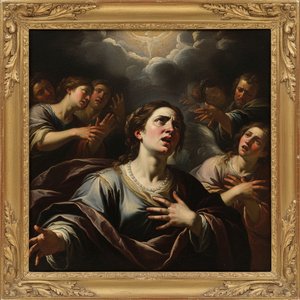
Chiaroscuro and Soul: A Definitive Guide to the Drama and Emotion of Italian Baroque Masterpieces
Embark on a sophisticated journey through Italian Baroque art. Discover the dramatic interplay of light and emotion in Caravaggio’s masterpieces and explore how to bring this timeless grandeur into your collection with expert art insights.

Top 10 majstrovských diel baroka: Umění a dekor pre váš domov
Ponorte sa do sveta baroka! Objavte top 10 majstrovských diel od Caravaggia, Rembrandta a ďalších slávnych maliarov. Reprodukcie obrazov pre luxusný dekor vášho domova na OriginalUniqueArt.com.

Baroková Dráma: Umenie, ktoré prináša nádheru do domova
Objavte nádheru barokového štýlu! Spoznajte jeho históriu, kľúčové prvky a inšpirujte sa tipmi pre váš domov. Kvalitné reprodukcie diel od .

The Enduring Power of Painting: A Historical & Contemporary Exploration of Form and Emotion
Explore the rich history & enduring techniques of oil painting with OriginalUniqueArt. Discover masterpieces, learn about art collecting, and find authentic handmade reproductions crafted by skilled artists.

Italian Baroque Unlocked: High-Drama Art That Hits Hard
Dive into the high-drama world of Italian Baroque art. Discover how chiaroscuro, intense emotion, and theatrical lighting redefined aesthetics. Explore the visceral power of the Counter-Reformation through a modern lens with expert insights from OriginalUniqueArt.com.
