

 Zobraziť v interiéri
 Odoslať
 Zdieľať
 Podrobnosti
 Príručka

 Stiahnuť
 Podobné položky
 RTG skúška
 Prehliadanie diapo\]
 Štatistiky
An Evening School
 Oil On Panel
- Dutch Golden Age
 1655
1655 25.0 x 23.0 cm
 Metropolitné múzeum umenia
 Prečítať si viac
Ručne maľovaná olejová reprodukcia
Ručne maľovaný olej na plátne vo vašej zvolenej veľkosti a v ráme, vyrobený na mieru našimi umelcami. ( Prepnúť na tlač Prepnúť na digitálnu verziu obrazu)




P118B €10

P118H €10

P118W €10

P438Z €10

P508JH €12

P508YH €12

P805H €10

P805Z €10

P919BZ €10

P919G €10

P919XJ €10

P959ZH €10

P968JZ €12

W106C €8

W218G €10

W218JH €8

W218Y €10

W307PJ €10

W316G €10

W316PJ €8

W316Y €10

W398PJ €8

W4111J €10

W500HY €15

W500JH €15

W692G €12

W849H €8

W940BG €15

W953PJ €8




Vyberte si z našich preddefinovaných rozmerov, ktoré zodpovedajú pôvodným pomeroḿ diela.

Zadajte šírku a výšku, ktoré potrebujete, aby sa dielo hodilo k vášmu rámu alebo stene. Keďže ide o ručnú maľbu, pri rozmeroch s odlišným pomerom strán môže umelec namalovať o niečo viac okolo obrázka alebo ho mierne orezatú — výber patrí vám. Pred začatím maľovania vám pošleme digitálnu ukážku na schválenie. Obrázok zobrazený na tejto stránke nenahrádza reálny výsledok — ten zobrazuje iba digitálna ukážka.
Po odoslaní objednávky vám tím OriginalUniqueArt.com pošle e-mail s pokynmi a poskytne náhľad na návrh
Celosvetová doprava () za 3 až 4 týždne namiesto štandardných 5 týždňov. (21 október). Bez kompromisov v kvalite.

Bezplatná expresná doprava po celom svete

Vysokokvalitné lnianske plátno

Úplné poistenie prepravy

Záruka vrátenia colného poplatku

Záruka presného farebného zhodnutia

100-dená politika vrátenia tovaru (iba pri vadách)

100% záruka vrátenia peňazí

Ponuka množstevnej zľavy
 Možnosť skla je dostupná len pri rozmeroch pod 110 cm

An Evening School
Spôsob reprodukcie
Veľkosť reprodukcie
-


Celková cena
€ 327
A Moment of Quiet Instruction: Gerrit Dou’s “An Evening School”
Gerrit Dou's "An Evening School," painted around 1655-57, isn’t merely a depiction of a classroom; it’s a carefully constructed tableau of learning, contemplation, and the quiet dignity of shared knowledge. Emerging from the Dutch Golden Age, this small masterpiece exemplifies the ‘fijnschilder’ style – a hallmark of Dou's oeuvre characterized by meticulous detail, subtle gradations of tone, and an almost photographic realism achieved through painstaking layering of paint. The painting immediately draws the viewer in with its dramatic chiaroscuro, a masterful manipulation of light and shadow that creates a sense of intimacy and mystery within the dimly lit interior.
At the heart of the composition sits a man, presumably a teacher, seated at a table surrounded by three eager young students. The arrangement is deliberately triangular, anchoring the scene with the central figure while subtly guiding the eye through the carefully rendered details – the open books, the sharpened quill pen, and the flickering candlelight that casts long shadows across the room. Dou’s skill lies not just in capturing individual likenesses but in conveying a palpable sense of atmosphere; you can almost feel the warmth of the fire and hear the rustle of pages.
The Language of Light and Symbol
Dou's use of light is profoundly symbolic, acting as both illumination and metaphor. The single candle, positioned centrally within the scene, isn’t simply a source of visibility; it represents knowledge itself – a beacon guiding the students towards enlightenment. The carefully controlled shadows suggest introspection and the quiet contemplation that often accompanies learning. Notice how Dou renders the flame itself—not as a simple shape but as a dynamic, almost tangible presence, imbued with warmth and luminosity. This attention to detail extends throughout the painting, from the rough texture of the clothing to the subtle variations in tone within the wooden table.
The students’ expressions are particularly noteworthy. They aren't posed stiffly; instead, they exhibit a genuine curiosity and attentiveness, their faces illuminated by the candlelight and reflecting a desire to absorb the knowledge being imparted. This portrayal of engaged learners speaks to Dou’s humanist sensibilities – a belief in the importance of education and its transformative power.
Technique and Historical Context
“An Evening School” is a testament to Gerrit Dou's mastery of oil painting technique, particularly his innovative glazing method. He applied incredibly thin layers of paint, building up color and texture gradually over time – a process that allowed him to achieve the luminous effects and subtle gradations of tone so characteristic of his work. This meticulous approach demanded immense patience and skill, contributing to the painting’s remarkable realism and depth.
Painted during the Dutch Golden Age (roughly 1600-1700), this piece reflects a period of unprecedented artistic flourishing in the Netherlands. The rise of the merchant class fueled a demand for art that celebrated domestic life, education, and moral values. Dou’s work aligns with this trend, offering a glimpse into the everyday world of a Dutch community while simultaneously exploring themes of knowledge, virtue, and family.
A Timeless Image of Learning
“An Evening School” transcends its historical context to offer a timeless meditation on learning, mentorship, and the pursuit of wisdom. The painting’s quiet intimacy, combined with Dou's masterful technique and evocative symbolism, creates an experience that is both visually stunning and emotionally resonant. It’s a reminder of the enduring value of education and the importance of passing knowledge from one generation to the next – a message as relevant today as it was nearly 400 years ago.
Otázky a odpovede
Aká je technika a rozmer diela „An Evening School“ od Gerrit Dou?
„An Evening School“ bola vytvorená v technike Oil On Panel a vo svojej pôvodnej podobe má rozmery 25 x 23 cm.
O čom je dielo "An Evening School" a akú atmosféru vyžaruje?
„An Evening School“ od Gerrit Dou zachytáva night school, dutch painting, candlelight, education, children, chiaroscuro, domestic scene v Calm nálade. Predmet a atmosféra spoločne definujú toto dielo.
Aké využitie a priestor sa odporúčajú pre „An Evening School“ od Gerrit Dou?
Použitie (Reflective) a priestor (Living Room) sú dve odporúčania uvedené pre „An Evening School“ od Gerrit Dou.
Biografia umelca
Gerrit Dou – Život a Dielo
Gerrit Dou, tiež známý ako Gerard Douw alebo Dow, bol významný holandský maliar zlatého veku (1613–1675), ktorý sa stal jednou z hlavných postav zlatého veka holandskej tvorby. Narodil sa v Leidene, kde jeho otec bol výrobca sklá, a zomrel februára 9., 1675., pričom odkázal svetovému umeniu impozantné dielo vyrezávaných obrazov, ktoré stále fascinujú milovníkov umenia po celom svete. Jeho životný príbeh začal v pomerne biednych podmienkach – Gerrit bol najmladší syn Marytje Jansdr van Rosenburgovej a Douwe Jansza de Vriesa van Arentsvelta z Harlingenu. Už ako mladý vykazoval záujem o kreslenie, čo ho zaviedlo k štúdiu obrazového umenia pod vedením Bartolomeusa Dolenda, odborníka na kreslenie skla. V roku 1628 získal svoj prvý umelecký vzdelanie od Rembrandt van Rijna, ktorý žil v susedných domoch. Tento pomerne mladý Rembrandt ho poslal študovať obrazové umenie do dielenského učebiska Pieter Couwenhorna, kde pokračoval v ďalšej tvorbe až do roku 1631. Gerrit Dou bol Rembrandtovým žiakovým bratom Janom (1609– cca 1647), čo znamenalo spoluprácu medzi dvoma významnými umelcami obdobia zlatého veka.Štýl a Technika
Dou sa rýchlo vyprofiloval ako samostatný umelec, pričom jeho tvorba odlišovala od Rembrandtovej štýlu už v roku 1631. Jeho osobný umelecký styl bol charakteristický svojou nesmiernou pozornosťou k detailom a použitím veľmi jemných farieb – tzv. *fijnschilderij*, čo znamená „jemné kreslenie“. Tento štýl sa vyznačoval extrémnou presnosťou a dôslednosťou pri tvorbe obrazov, ktoré boli často malé rozmerovo. Gerrit Dou bol oslavovaný svojimi odborníkmi ako „výborný učiteľ“, najmä v oblasti drobného umeleckého diela. Jeho zvláštna technika používania svetla – *chiaroscuro* – bola jednou z jeho najväčších výhod. Používal špeciálne zariadenie, ktoré mu umožňovalo dosiahnuť dokonalé reprodukcie svetla v interiéroch osvetlených svietidlami, čo bolo veľmi efektívne a výrazné. Gerrit Dou často používal pomocou konvexného zrkadla kombinovaného s konkávnym čiernym šošovkom (čo zlepšovalo vnímanie svetla, pričom druhý poskytoval obraz hore správne), aby získal dokonalosť pri kreslení. Jeho práce boli vždy malé rozmerovo. Gerrit Dou bol považovaný za zakladateľa holandskej školy *fijnschilderij*, ktorá pokračovala až do nesprávneho obdobia – XVIII. storočia.Významné Diela
Najväčším uznaním Dou bolo jeho dielo „Astronaut“, ktoré dokázalo vyjadriť zvláštny svetelný efekt a zároveň pôsobiť veľmi pokojne a harmonicky. Tento obraz získal významnú pozornosť odborníkov a kritikov, ktorí ho označili za vrcholné umelecké dielo obdobia zlatého veka holandskej tvorby. Gerrit Dou bol tiež oslavovaný svojimi žiakmi, medzi ktorých patrili Frans van Mieris mladší a Gabriel Metsu. Jeho práce boli vystavené v mnohých múzeách Európy, najmä v Leidene, kde sa nachádza rozsiahla kolekcia európského umenia z XVI. až XVIII. storočia. Jeho obraz „Leiden Collection“ získal svetové uznanie ako jedno z najvýznamnejších umeleckých zbierok svojho času. Gerrit Dou bol tiež veľkým podporiteľom Rembrandtovej tvorby, čo dokazuje jeho osobné vzťah s jednou z najväčších ikon holandského umenia. Jeho dielo si získalo miesto v mnohých významných európskych múzeách a je stále predmetom intenzívneho výskumu odborníkov. Gerrit Dou zomrel februára 9., 1675., pričom jeho posledné roky žil v Leidene, kde bol celý život. Jeho umelecké dielo bude mať nezabudateľný odkaz na svetové umenie a kultúru.
Gerrit Dou
1613 - 1675 , Nízky Holandsko
Rýchle fakty
- Artistic Movement Or Style: Fijnschilderstvo
- Artists Or Movements Influenced By This Artist: ['Frans van Mieris']
- Artists Who Influenced This Artist: ['Rembrandt van Rijn']
- Date Of Birth: 7 apríl 1613
- Date Of Death: 9 februára 1675
- Full Name: Gerrit Dou
- Nationality: Holanďanský
- Notable Artworks:
- Astronomický obraz
- Portrét ženy
- Žánrové scény
- Place Of Birth: Leiden, Holandsko
Súvisiace články
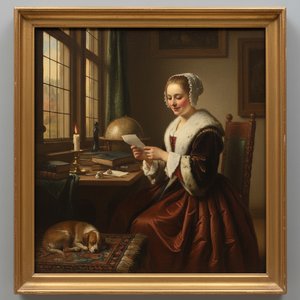
Gerrit Dou: Intimacy & Light in the Dutch Golden Age
Explore the exquisite world of Gerrit Dou, a master of Dutch Golden Age painting. Discover his intimate genre scenes, signature use of light, and lasting legacy. Learn about collecting Dou's works & their value.

Golden Light & Dutch Skies: The Timeless Magic of Dutch Golden Age Landscapes
Discover the breathtaking beauty of Dutch Golden Age landscapes. Explore the mastery of light, chiaroscuro, and 17th-century realism through an expert art history lens, celebrating the enduring legacy of the Dutch Masters for discerning collectors and art lovers.
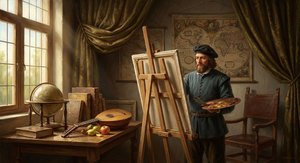
Illuminating Realism: Exploring the Dutch Golden Age of Painting (1600-1700)
Explore the Dutch Golden Age of painting (1600-1700) with OriginalUniqueArt. Discover Rembrandt, Vermeer & other masters. Learn about techniques, history & find museum-quality reproductions.

Top 10 majstrovských diel holandskej Zlatej éry: Umění pre váš domov s OriginalUniqueArt.com
Ponorte sa do sveta holandskej Zlatej éry s OriginalUniqueArt.com! Objavte príbehy Rembrandta, Vermeera a ďalších majstrov baroka. Reprodukcie obrazov pre váš domov – inšpirujte sa nadčasnými dielami. Preskúmajte kolekciu online!

Golden Age Reflections: Dutch Baroque Painting & Cultural Innovation
Explore the Dutch Golden Age of painting! Discover key artists like Vermeer & ter Borch, their innovative techniques, and the rich cultural context behind these Baroque masterpieces. Learn about collecting & appreciating this iconic art period.


