

 Odoslať
 Zdieľať
 Podrobnosti o dielo

 Stiahnuť
 Podobné diela
 Prezentácia
 Štatistiky
Anturiuns Cruzados


 Zobraziť viac
Giclée / Umenotlač
Giclée tlač alebo plátno múzeálnej kvality s rýchlou výrobou a flexibilnými možnosťami povrchovej úpravy. ( Kúpiť ručne maľovaný obraz Prepnúť na digitálny obraz)




































Vyberte si z našich preddefinovaných rozmerov, ktoré zodpovedajú pôvodným pomeroḿ diela.

Môžete zadať vlastné rozmery, aby sa reprodukcia prispôsobila konkrétnemu rámu alebo priestoru. Ak zvolená veľkosť nebude zodpovedať proporciám originálu, dielo buď orežeme, alebo obraz rozšírime pomocou zrkadlenia či farebného doplnenia okrajov. Pred začatím výroby vám pošleme digitálnu ukážku na schválenie.
Máte na vedomí, že náhľad na obrazovke neodzrkadľuje skutočné orezanie alebo rozšírenie. Len digitálna ukážka presne zobrazí finálnu kompozíciu.
Hoci sú k dispozícii vlastné rozmery, pre zachovanie pôvodných proporcií odporúčame vybrať si rozmer z vopred definovaného zoznamu.
Celosvetová doprava () do 2 týždňov namiesto štandardných 4/5 týždňov. (17 september)

Bezplatná expresná doprava po celom svete

Prémiové lnianske plátno

Kompletné poistenie prepravy

Záruka vrátenia colného poplatku

Záruka presného farebného zhodnutia

100-dená politika vrátenia tovaru (iba pri vadách)

100% záruka vrátenia peňazí

Výhodná množstevná zľava
 Možnosť skla je dostupná len pri rozmeroch pod 110 cm

Anturiuns Cruzados
Giclée / Umenotlač
Veľkosť reprodukcie
-


Celková cena za vybrané možnosti
$ 80
The Silent Symphony of Leaves
German de Mello’s “Anturiuns Cruzados” isn't merely a photograph; it’s an immersion into the quiet grandeur of the natural world. Created in 1960, this monochrome image captures a dense cluster of tropical leaves – likely Philodendrons or similar species – arranged with a deliberate artistry that belies their organic origins. The palette is relentlessly gray, ranging from deep charcoal shadows to subtle highlights, creating an almost sculptural effect where the foliage appears to emerge from and recede into darkness. It’s a masterful exercise in tonal control, transforming simple leaves into objects of profound visual weight and texture. De Mello doesn't seek to depict the leaves as they appear in direct sunlight; instead, he employs dramatic lighting to emphasize their form, revealing intricate vein patterns and the subtle variations in surface texture that define each individual leaf. The composition itself is carefully balanced, drawing the eye through the layers of foliage with a sense of controlled depth – a deliberate invitation to linger within the image’s shadowed embrace.A Legacy of the São Paulo School
To fully appreciate “Anturiuns Cruzados,” it's crucial to understand its context within the broader artistic landscape of Brazil in the mid-20th century. De Mello was a key figure in the São Paulo School of photography, a movement that prioritized stark realism and an intimate engagement with everyday Brazilian life. Unlike the vibrant colors often associated with Brazilian art, the São Paulo School favored monochrome imagery – black and white – to heighten emotional impact and explore themes of urban decay, social inequality, and the beauty found in the mundane. De Mello’s work reflects this aesthetic sensibility perfectly, stripping away extraneous details and focusing on the essential elements of his subject matter. Born in São Paulo in 1922 and passing away in 2021, de Mello dedicated his life to photography, initially as an accountant before dedicating himself fully to capturing the essence of Brazil through his lens. His early career involved working for Foto Cinema Clube Bandeirante, a pivotal group that shaped the direction of Brazilian photography during this period.The Language of Light and Shadow
De Mello’s technical skill is evident in his manipulation of light and shadow. He doesn't simply record the leaves as they appear; he actively shapes them through careful exposure and post-processing. The deep shadows create a sense of mystery and depth, while the highlights accentuate the texture and form of each leaf. Notice how the light catches on the edges, revealing their sharp contours and creating an illusion of three-dimensionality. This technique isn’t merely decorative; it serves to elevate the leaves beyond their purely botanical function, transforming them into objects of artistic contemplation. The photograph feels almost like a study in chiaroscuro – a dramatic contrast between light and dark – reminiscent of the works of Rembrandt or Caravaggio. The grainy texture of the paper substrate further enhances this effect, adding a tactile quality to the image that invites closer inspection.Symbolism and Serenity
Beyond its technical merits, “Anturiuns Cruzados” possesses a quiet emotional resonance. The dense foliage evokes a sense of enclosure and intimacy, while the monochromatic palette contributes to an atmosphere of serenity and contemplation. The leaves themselves can be interpreted as symbols of resilience, growth, and interconnectedness – mirroring the enduring strength of nature in the face of adversity. There’s a subtle suggestion of stillness within the image, inviting the viewer to pause and appreciate the beauty of the natural world. It's a reminder that even in the most ordinary subjects—a collection of leaves—there can be profound artistic merit and emotional depth. The title itself, "Anturiuns Cruzados," hints at a crossing or convergence – perhaps representing the meeting of different worlds, or simply the intricate relationships within the plant’s own structure.A Timeless Reproduction
Reproductions of “Anturiuns Cruzados” offer a remarkable opportunity to bring this evocative image into your home or office. The meticulous detail and tonal control of the original photograph are faithfully preserved in high-quality reproductions, allowing you to experience its beauty and serenity firsthand. Consider framing the artwork within a simple, minimalist frame to allow the image to take center stage – a testament to de Mello’s artistic vision. This piece is more than just decoration; it's an invitation to connect with the natural world and appreciate the subtle wonders that surround us.Biografia umelca
Early Life and Influences
- Born: São Paulo, Brazil (1922)
- Died: 2021
- Initially studied accounting at Liceu Acadêmico de São Paulo.
- Started his own accounting business in 1952 before dedicating himself to photography.
- Joined Foto Cinema Clube Bandeirante in 1959, a pivotal group for Brazilian photographers like Thomaz Farkas and Chico Albuquerque.
- Served as the official photographer for the celebration of the 400th anniversary of São Paulo in 1954.
Artistic Development and Key Works
- Known primarily for his striking black and white photographs.
- His work showcases a unique approach to visual composition and attention to detail.
- Notable works include:
- Le Diable au Corps (1949): A significant early photograph demonstrating his artistic vision.
- Curvas Concêntricas (1955): Highlights his compositional skills.
- Apartments or: Captures the essence of urban living.
- Still Life: Demonstrates meticulous attention to detail.
- His photography often explored themes of urban life and still life subjects.
Style and Techniques
- Distinctive Style: German de Mello’s style is characterized by its stark simplicity, masterful use of light and shadow, and a keen eye for geometric forms.
- Technical Proficiency: He was highly skilled in traditional photographic techniques, particularly black-and-white printing.
- Compositional Approach: His compositions often feature carefully arranged elements that create a sense of balance and harmony.
- Influences: The Foto Cine Clube Bandeirante played a crucial role in shaping his artistic development, exposing him to modernist photographic trends.
Recognition and Legacy
- His photographs are housed in prestigious museums including the Museu de Arte de São Paulo Assis Chateaubriand (MASP).
- Recognized as a key figure of the "Escola Paulista de Fotografia" (São Paulo School of Photography).
- Continued to be celebrated for his contributions to Brazilian photography well into his later years.
- His work has been exhibited internationally, solidifying his place in art history.
- Died in 2021 leaving behind a legacy of captivating photographs that continue to inspire artists and photographers.
Historical Significance
- Pioneer of Brazilian Photography: De Mello was instrumental in the development of modern photography in Brazil, contributing significantly to its artistic recognition.
- Documenting Urban Life: His photographs offer a valuable visual record of São Paulo and its evolving urban landscape during the mid-20th century.
- Influence on Subsequent Generations: His unique style and approach have influenced countless photographers in Brazil and beyond.
- Preservation of Cultural Heritage: Through his work, he helped preserve a vital part of Brazilian cultural heritage for future generations.

german de mello
1922 - 2021 , Brazil
Základné informácie
- Artistic Movement Or Style: Photography
- Artists Who Influenced This Artist:
- Thomaz Farkas
- Chico Albuquerque
- Date Of Birth: 1922
- Date Of Death: 2021
- Full Name: German de Mello
- Nationality: Brazilian
- Notable Artworks:
- Le Diable Au Corps
- Curvas Concêntricas
- Apartments or
- Still Life
- Place Of Birth: São Paulo, Brazil
Súvisiace články

Beyond the Lens: Photography's Enduring Influence on Modern & Contemporary Art
Explore photography's pivotal role in shaping modern & contemporary art. Discover key movements, influential artists like Stieglitz, and expert collecting advice from OriginalUniqueArt.

Monochrome Visions: Exploring the Aesthetic & Historical Significance of Black & White Photography
Explore the rich history & artistic power of black and white photography. From early techniques to iconic masters like Ansel Adams, discover why monochrome continues to captivate art lovers today. Expert insights for collectors.

Francisco Goya: Top 25 Majstrovských Diel pre Váš Domov | OriginalUniqueArt.com
Ponorte sa do sveta Francisca Goya a jeho 25 najvýznamnejších diel. Objavte príbehy za ikonickými obrazmi romantizmu, portrétmi a Čiernymi maľbami. Reprodukcie obrazov pre váš interiér na OriginalUniqueArt.com – luxusné dekorácie s umením.

O nás
Objavte náš príbeh! Prinášame svetové umenie do vášho života prostredníctvom odbornej selekcie, zákazkových diel a bezplatných ukážok. Osvedčené jednotlivcami aj firmami od roku 2000.
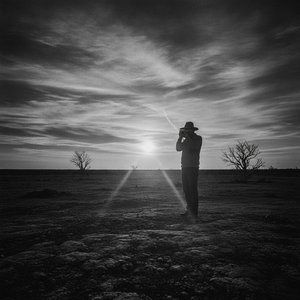
Timeless Shadows: The Artistry, History, and Emotional Resonance of Black and White Photography
Explore the profound artistry of black and white photography. From historical mastery to the interplay of light and shadow, discover how monochrome captures timeless emotion and form through a sophisticated lens of art history.