

 Zobraziť v interiéri
 Odoslať
 Zdieľať
 Podrobnosti
 Príručka

 Stiahnuť
 Podobné položky
 RTG skúška
 Prehliadanie diapo\]
 Štatistiky
Solon and Croesus
 Oil On Canvas
- WallArt
- Baroque
 1624
1624 169.0 x 210.0 cm
 Hamburger Kunsthalle
 Prečítať si viac
Ručne maľovaná olejová reprodukcia
Ručne maľovaný olej na plátne vo vašej zvolenej veľkosti a v ráme, vyrobený na mieru našimi umelcami. ( Prepnúť na tlač Prepnúť na digitálnu verziu obrazu)




P118B €10

P118H €10

P118W €10

P438Z €10

P508JH €12

P508YH €12

P805H €10

P805Z €10

P919BZ €10

P919G €10

P919XJ €10

P959ZH €10

P968JZ €12

W106C €8

W218G €10

W218JH €8

W218Y €10

W307PJ €10

W316G €10

W316PJ €8

W316Y €10

W398PJ €8

W4111J €10

W500HY €15

W500JH €15

W692G €12

W849H €8

W940BG €15

W953PJ €8




Vyberte si z našich preddefinovaných rozmerov, ktoré zodpovedajú pôvodným pomeroḿ diela.

Zadajte šírku a výšku, ktoré potrebujete, aby sa dielo hodilo k vášmu rámu alebo stene. Keďže ide o ručnú maľbu, pri rozmeroch s odlišným pomerom strán môže umelec namalovať o niečo viac okolo obrázka alebo ho mierne orezatú — výber patrí vám. Pred začatím maľovania vám pošleme digitálnu ukážku na schválenie. Obrázok zobrazený na tejto stránke nenahrádza reálny výsledok — ten zobrazuje iba digitálna ukážka.
Po odoslaní objednávky vám tím OriginalUniqueArt.com pošle e-mail s pokynmi a poskytne náhľad na návrh
Celosvetová doprava () za 3 až 4 týždne namiesto štandardných 5 týždňov. (22 október). Bez kompromisov v kvalite.

Bezplatná expresná doprava po celom svete

Vysokokvalitné lnianske plátno

Úplné poistenie prepravy

Záruka vrátenia colného poplatku

Záruka presného farebného zhodnutia

100-dená politika vrátenia tovaru (iba pri vadách)

100% záruka vrátenia peňazí

Ponuka množstevnej zľavy
 Možnosť skla je dostupná len pri rozmeroch pod 110 cm

Solon and Croesus
Spôsob reprodukcie
Veľkosť reprodukcie
-


Celková cena
€ 393
Solon and Croesus: A Baroque Drama of Wisdom and Wealth
Gerard van Honthorst’s “Solon and Croesus,” painted in 1624, isn't merely a historical depiction; it’s a meticulously crafted tableau brimming with dramatic tension and profound philosophical weight. Emerging from the Utrecht Caravaggisti School, Honthorst, nicknamed "Gherardo delle Notti" for his mastery of evocative light and shadow, transports us to a pivotal moment in Greek legend – the encounter between the sage Solon and the fabulously wealthy King Croesus. The painting captures not just an event, but the very essence of wisdom versus material prosperity, rendered with the intensity characteristic of the Baroque period.
The scene unfolds within a shallow space, creating a sense of immediacy and drawing the viewer directly into the conversation between these two iconic figures. Croesus, resplendent in crimson robes and adorned with a golden crown, sits upon his throne – a symbol of absolute power and earthly dominion. His posture exudes confidence, yet beneath the surface lies an unsettling vulnerability. Opposite him stands Solon, depicted in stark contrast: clad in simpler attire, he gestures emphatically towards the viewer, as if imparting a crucial lesson. The composition is dominated by strong diagonals, guiding our eye across the scene and amplifying the sense of movement and urgency. Honthorst’s masterful use of *tenebrism*, a technique borrowed from Caravaggio, plunges much of the canvas into deep shadow, highlighting key elements – Croesus's face, his crown, and Solon’s outstretched hand – while leaving other areas shrouded in darkness. This dramatic lighting not only creates visual interest but also underscores the central theme: the contrast between light and knowledge versus the obscurity of wealth.
A Masterclass in Baroque Technique
Honthorst's skill as a painter is immediately apparent in the meticulous detail with which he renders textures and fabrics. The richness of Croesus’s robes, the smoothness of his crown, and the intricate folds of Solon’s garment are all rendered with remarkable precision. Notice the subtle variations in color – the deep reds and golds contrasted against the muted browns and grays – creating a sense of depth and realism. The artist's brushwork is visible, adding to the painting’s tactile quality. The rough texture of the stone walls behind the figures, the delicate details of the lute held by the old matchmaker, all contribute to a heightened sense of presence. Honthorst doesn’t shy away from depicting imperfections; these deliberate choices enhance the overall realism and imbue the scene with an authentic feel.
Furthermore, the painting's color palette is carefully considered. The dominant hues—rich reds, golds, and browns—evoke a sense of opulence and grandeur, reflecting Croesus’s immense wealth. However, these vibrant colors are tempered by darker tones, creating a dynamic interplay between light and shadow that mirrors the philosophical tension at the heart of the scene. The use of *chiaroscuro*, or strong contrasts between light and dark, is particularly effective in drawing attention to key elements and intensifying the emotional impact of the narrative.
Symbolism and its Enduring Relevance
“Solon and Croesus” is replete with symbolic meaning. Croesus’s wealth, represented by the overflowing vessels filled with gold and silver, becomes a symbol of earthly possessions – ultimately fleeting and insufficient to guarantee happiness or wisdom. Solon's gesture, pointing towards the viewer, suggests that true understanding lies beyond material gain. The old matchmaker, a figure of experience and perhaps even cynicism, represents the practical realities of life, highlighting the potential pitfalls of unchecked ambition. The story itself—a cautionary tale about the dangers of pride and the value of humility—resonates powerfully across centuries. It speaks to our own anxieties about wealth, power, and the pursuit of happiness.
A Timeless Masterpiece for Collectors and Designers
Reproductions of “Solon and Croesus” offer a captivating glimpse into the dramatic world of Baroque art. Its powerful composition, masterful technique, and profound symbolism make it an ideal addition to any collection or interior space. The painting’s rich colors and dynamic lighting will add depth and visual interest to any room, while its timeless message continues to resonate with viewers today. Consider a high-quality print for a study, a grand salon, or even a sophisticated entryway – this iconic artwork is sure to spark conversation and inspire contemplation.
Otázky a odpovede
Ako sa v díle „Solon and Croesus“ od Gerard van Honthorst stretávajú umelecký smer a éra?
V diele „Solon and Croesus“ od Gerard van Honthorst sa stretáva smer Baroque s érou Raná modernosť.
Môžem použiť rozšírenú realitu na to, aby som si zobrazil „Solon and Croesus“ od Gerard van Honthorst vo svojej miestnosti?
Dielo „Solon and Croesus“ od Gerard van Honthorst si môžete vyskúšať priamo na vašej stene pomocou rozšírenej reality na kompatibilnom zariadení na stránke AR náhľad pre AR náhľad.
Aká je celková nálada diela „Solon and Croesus“ od Gerard van Honthorst?
„Solon and Croesus“ od Gerard van Honthorst je v nálade opísaný ako Dramatic. Táto klasifikácia môže pomôcť pri prislúchajúcom umiestnení diela.
Biografia umelca
A Master of Light and Shadow: The Life and Art of Gerard van Honthorst
Gerard van Honthorst, známy tiež ako Gerrit van Honthorst alebo Gherardo delle Notti, bol významná postava holandskej maľby 17. storočia, ktorý sa stal majstrom v dramatickom barokovom umení a mistrom osvetlenia. Jeho diela sú charakterizované silným kontrastom svetla a tmy, čo dodáva obrazom hlboký emocionálny dojem. Narodil sa v Utrechtu v roku 1592 a zomrel v roku 1656. Jeho život bol plný cestovania, vzťahov s významnými osobnostami a neustáleho rozvoja jeho umenia.Ranné roky a Vplyv Otca
Gerard van Honthorst začal svoje umelecké vzdelanie v Utrechtu pod vedením svojho otca, Hermana van Honthorsta, ktorý bol renomovaný dekoratívny maľiar. Tento prvotný trénink mu poskytol pevné základy v technike a kompozícii. Počas jeho detstva sa však mladý Gerard stretol s Abrahamom Bloemaertom, ďalším významným umelcom Utrechtu, ktorý ho naučil precíznym kreslením a štýlovým prvkám holandskej maľby. Tento raný vplyv ovplyvnil jeho technické schopnosti a zmysel pre detail, ktoré sa potom objavili v mnohých jeho dielach.Transformácia v Ríme: Zrodenie Caravaggista
Kľúčovým bodom v živote Gerard van Honthorsta bola jeho cesta do Ríma okolo roku 1616. V tomto talianskych srdci baroka sa stretol s dielom Karavaggia, čím sa stal súčasťou kruhu *Utrecht Caravaggisti*. Karavaggiho dramatická technika osvetlenia – *tenebrism* – ho hlboko ovplyvnila a stala sa jeho charakteristickým znakom. Van Honthorst nebolo len o napodobňovaní, ale o prekladaní talianskych inovácií do jedinečného holandskeho zmyslu pre realitu, s dôrazom na intímne scény osvetlené umelým svetlom – sviečky, lampy a ohnice. Tento prístup k svetlu nebol len technická zručnosť, ale prostriedok na odhalenie charakteru, na vtiahnutie diváka do emocionálneho centra každého obrazu.Úspech v Ríme a Patronáž
V Ríme dosiahol Gerard van Honthorst značný úspech a získal si početnú klientelu, vrátane Vincenzo Giustiniani, pre ktorého vytvoril silné dielo *Kristus pred Vysokým Prínoštom*, ktoré sa nachádza v Národnej galérii v Londýne. Tento obraz ukazuje jeho mistrovstvo v technike osvetlenia a schopnosť vyjadriť hlbokú psychologickú náročnosť v postavách. Ďalej si upevnil svoju reputáciu tým, že pracoval pre Cosimo II. de' Medici, Veľkňucha Tuskánskeho, čo mu umožnilo prácovať na rozsiahlych projektoch a prezentovať svoje diela v najvýznamnejších palácoch talianskych kráľovstiev.Návrat do Holandska a Portrétná Špecializácia
Počas svojho pobytu v Ríme sa Gerard van Honthorst vrátil do Holandska, kde sa rýchlo etabloval ako vedúci portrétny maľiar. Jeho schopnosť zachytiť nielen fyzické podobnosti, ale aj charakter a spoločenské postavenie jeho klientov ho učinila žiadaným umelcom medzi bohatými obchodníkmi, šľachticami a dokonca kráľovskou dvornou kanceriou. V tomto období vytvoril rozsiahly počet portrétov, ktoré odrážajú jeho umelecký rozvoj a schopnosť zachytiť jemné nuansy osobnosti.Dielo a Dedičiná
Gerard van Honthorst zanechal po sebe rozsiahlu zbierku obrazov, ktoré sa vyznačujú dramatickým svetelným kontrastom, realistickými postavami a hlbokou psychologickou náročnosťou. Jeho diela sú súčasťou významných umeleckých zbierok po celom svete, vrátane Národnej galérie v Londýne a Gettyho muzea v Los Angeles. Jeho prínos pre holandskú maľbu je nepoprehnaný – bol kľúčovou figúrkou *Utrecht Caravaggisti* a významným predstaviteľom barokového umenia, ktorý ovplyvnil generácie nasledovníkov. Jeho diela sú dodnes fascinujúce a odrážajú jeho schopnosť prepojiť taliansky vplyv s holandskou originalitou.Kľúčové Práce
* *Kristus pred Vysokým Prínoštom* (Národná galéria, Londýn) * *Supper Party* (privátna zbierka) * *Diana a Apollo* (Hampton Court Palace) * *The Taking of Christ* (privátna zbierka)
Gerard van Honthorst
1590 - 1656 , Nízne Holandsko
Rýchle fakty
- Artistic Movement Or Style: Barokový, Utrecht Caravaggisti
- Artists Or Movements Influenced By This Artist: ['Utrecht Caravaggisti']
- Artists Who Influenced This Artist: ['Caravaggio']
- Date Of Birth: 1590
- Date Of Death: 1656
- Full Name: Gerard van Honthorst
- Nationality: Holandský
- Notable Artworks:
- Christ Before the High Priest
- Diana a Apollo
- Place Of Birth: Utrecht, Holandsko
Súvisiace články

Golden Light & Dutch Skies: The Timeless Magic of Dutch Golden Age Landscapes
Discover the breathtaking beauty of Dutch Golden Age landscapes. Explore the mastery of light, chiaroscuro, and 17th-century realism through an expert art history lens, celebrating the enduring legacy of the Dutch Masters for discerning collectors and art lovers.

Top 10 majstrovských diel holandskej baroka: Umění pre váš domov s OriginalUniqueArt
Objavte top 10 majstrovských diel holandskej baroka s OriginalUniqueArt! Rembrandt, Vermeer a ďalší. Prežite príbehy umenia, techniky a farieb. Reprodukcie obrazov pre váš domov – Explore the full collection online.
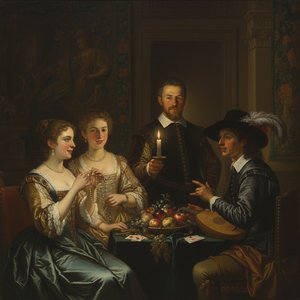
Gerard van Honthorst: Illuminating the Dutch Golden Age with Caravaggism & Courtly Grace
Explore the captivating world of Gerard van Honthorst, a Dutch Golden Age master renowned for his dramatic chiaroscuro & courtly portraits. Discover his life, art, and lasting influence on Baroque painting.

Top 10 majstrovských diel holandskej Zlatej éry: Umění pre váš domov s OriginalUniqueArt.com
Ponorte sa do sveta holandskej Zlatej éry s OriginalUniqueArt.com! Objavte príbehy Rembrandta, Vermeera a ďalších majstrov baroka. Reprodukcie obrazov pre váš domov – inšpirujte sa nadčasnými dielami. Preskúmajte kolekciu online!

Golden Age Reflections: Dutch Baroque Painting & Cultural Innovation
Explore the Dutch Golden Age of painting! Discover key artists like Vermeer & ter Borch, their innovative techniques, and the rich cultural context behind these Baroque masterpieces. Learn about collecting & appreciating this iconic art period.
