

 Zobraziť v interiéri
 Odoslať
 Zdieľať
 Podrobnosti
 Príručka

 Stiahnuť
 Podobné položky
 RTG skúška
 Prehliadanie diapo\]
 Štatistiky
Granida and Daifilo
 Oil On Canvas
- WallArt
- Baroque Painting
 1625
1625 145.0 x 179.0 cm
 Centraal Museum
 Prečítať si viac
Giclée / Umenotlač
Giclée tlač alebo plátno múzeálnej kvality s rýchlou výrobou a rôznymi možnosťami povrchovej úpravy. ( Objednať ručne maľovanú reprodukciu Prepnúť na digitálnu verziu obrazu)




P118B €10

P118H €10

P118W €10

P438Z €10

P508JH €12

P508YH €12

P805H €10

P805Z €10

P919BZ €10

P919G €10

P919XJ €10

P959ZH €10

P968JZ €12

W106C €8

W218G €10

W218JH €8

W218Y €10

W307PJ €10

W316G €10

W316PJ €8

W316Y €10

W398PJ €8

W4111J €10

W500HY €15

W500JH €15

W692G €12

W849H €8

W940BG €15

W953PJ €8




Vyberte si z našich preddefinovaných rozmerov, ktoré zodpovedajú pôvodným pomeroḿ diela.

Zadajte šírku a výšku, ktoré potrebujete, aby sa reprodukcia hodila k vášmu rámu alebo stene. Print možno len orezávať, nikdy však nemennú veľkosť zvětšiť oproti pôvodnému obrázku, preto pri inom formáte stráca časť obrazu. Pred samotným vytlačiacím procesom vám pošleme digitálny náhľad na schválenie. Obrázok zobrazený na tejto stránke nezobrazuje reálny rez — len digitálny náhľad ukazuje presný výsledok.
Celosvetová doprava () do 2 týždňov namiesto štandardných 4 až 5 týždňov. (26 október)

Bezplatná expresná doprava po celom svete

Vysokokvalitné lnianske plátno

Úplné poistenie prepravy

Záruka vrátenia colného poplatku

Záruka presného farebného zhodnutia

100-dená politika vrátenia tovaru (iba pri vadách)

100% záruka vrátenia peňazí

Ponuka množstevnej zľavy
 Možnosť skla je dostupná len pri rozmeroch pod 110 cm

Granida and Daifilo
Giclée / Umenotlač
Veľkosť reprodukcie
-


Celková cena
€ 70
A Dutch Master’s Nocturne: Unveiling “Granida and Daifilo” by Gerard van Honthorst
Gerard van Honthorst's "Granida and Daifilo," painted in 1625, is more than just a pastoral scene; it’s a meticulously crafted tableau of romance, intrigue, and the dramatic interplay of light and shadow that defined the artist’s signature style. This captivating work, now housed within the collections of esteemed institutions like the Rijksmuseum, offers a glimpse into the burgeoning artistic landscape of 17th-century Holland – a period marked by Caravaggio's profound influence and a fervent embrace of theatrical lighting.
The painting depicts a tender encounter between Granida, a princess from an Eastern kingdom, and Daifilo, a shepherd who has captured her heart. The narrative unfolds amidst a verdant woodland setting, populated with a cast of characters engaged in a delicate dance of courtship and potential conflict. A watchful soldier stands poised to apprehend Daifilo, hinting at the obstacles inherent in their love – a subtle tension that elevates the scene beyond simple idyllic beauty. The composition is remarkably balanced, drawing the eye through a carefully orchestrated arrangement of figures and elements, creating a sense of depth and inviting the viewer into this intimate world.
The Shadowed Light: Honthorst’s Caravaggistic Technique
Honthorst's mastery lies in his ability to evoke atmosphere through masterful manipulation of light. He was deeply influenced by Caravaggio, adopting his signature *tenebrism* – a dramatic contrast between intensely bright highlights and deep shadows. In “Granida and Daifilo,” this technique is particularly evident in the way the figures are illuminated, creating a sense of mystery and drawing attention to their faces and gestures. The dappled sunlight filtering through the trees casts an ethereal glow upon the scene, while pockets of darkness conceal details and heighten the drama.
The artist’s brushwork is remarkably loose and expressive, contributing to the painting's dynamic quality. Notice how he uses rapid, short strokes to define the foliage and create a sense of movement within the landscape. Furthermore, Honthorst skillfully employs color – rich greens, earthy browns, and subtle hints of red – to establish mood and enhance the overall visual impact. The use of warm tones in the foreground contrasts with the cooler shades in the background, creating a compelling depth of field.
A Courtly Tale: Context and Symbolism
“Granida and Daifilo” was commissioned by Stadholder Frederik Hendrik for his residence at Honselaerdijk as one of a series of pastoral paintings intended to adorn his lavish home. The play itself, written by Pieter Hooft, was immensely popular during the Dutch Golden Age, exploring themes of love, loyalty, and social upheaval. The painting’s subject matter – a forbidden romance between a princess and a shepherd – resonated deeply with audiences, reflecting broader anxieties about social hierarchies and the challenges faced by those who dared to defy convention.
Beyond its narrative content, the work is laden with symbolism. The soldier represents societal constraints and the potential for disruption within the established order. The setting itself—a lush woodland—evokes notions of freedom, escape, and the untamed wilderness. Even the sheep present in the scene can be interpreted as symbols of innocence and vulnerability. The inclusion of a bowl suggests hospitality and generosity – elements central to the pastoral ideal.
An Emotional Resonance: Beauty and Intrigue
“Granida and Daifilo” transcends its historical context, offering viewers an enduring sense of beauty and intrigue. The painting’s evocative lighting, dynamic composition, and compelling narrative combine to create a truly captivating experience. It's not merely a depiction of a romantic encounter; it’s a meditation on love, loss, and the delicate balance between desire and duty. The subtle tension within the scene—the impending arrest, the unspoken longing—keeps the viewer engaged long after they’ve turned away, prompting reflection on the complexities of human relationships and the enduring power of art to capture the essence of our emotions.
Reproductions of this masterpiece offer a remarkable opportunity to bring its atmospheric drama into any setting. Consider framing it in a manner that complements its rich palette and dramatic lighting—perhaps against a dark wall to enhance the effect of *tenebrism*, or within a room bathed in natural light to capture the painting’s luminous quality.
Otázky a odpovede
Ako sa v díle „Granida and Daifilo“ spájajú kontrast a harmónia?
Farebná kompozícia diela „Granida and Daifilo“ od Gerard van Honthorst spája Bold kontrast s Strong Color Unity harmóniou.
Môžem si pred objednávkou pozrieť náhľad diela „Granida and Daifilo“ od Gerard van Honthorst?
Ak si chcete pozrieť náhľad reprodukcie diela „Granida and Daifilo“ od Gerard van Honthorst, otvorte stránku Náhľad daného diela.
Kde sa odporúča vystaviť obraz vo formáte Landscape s názvom „Granida and Daifilo“?
Vďaka svojmu tvaru Landscape je reprodukcia diela „Granida and Daifilo“ ideálnou voľbou do Living Room.
Biografia umelca
A Master of Light and Shadow: The Life and Art of Gerard van Honthorst
Gerard van Honthorst, známy tiež ako Gerrit van Honthorst alebo Gherardo delle Notti, bol významná postava holandskej maľby 17. storočia, ktorý sa stal majstrom v dramatickom barokovom umení a mistrom osvetlenia. Jeho diela sú charakterizované silným kontrastom svetla a tmy, čo dodáva obrazom hlboký emocionálny dojem. Narodil sa v Utrechtu v roku 1592 a zomrel v roku 1656. Jeho život bol plný cestovania, vzťahov s významnými osobnostami a neustáleho rozvoja jeho umenia.Ranné roky a Vplyv Otca
Gerard van Honthorst začal svoje umelecké vzdelanie v Utrechtu pod vedením svojho otca, Hermana van Honthorsta, ktorý bol renomovaný dekoratívny maľiar. Tento prvotný trénink mu poskytol pevné základy v technike a kompozícii. Počas jeho detstva sa však mladý Gerard stretol s Abrahamom Bloemaertom, ďalším významným umelcom Utrechtu, ktorý ho naučil precíznym kreslením a štýlovým prvkám holandskej maľby. Tento raný vplyv ovplyvnil jeho technické schopnosti a zmysel pre detail, ktoré sa potom objavili v mnohých jeho dielach.Transformácia v Ríme: Zrodenie Caravaggista
Kľúčovým bodom v živote Gerard van Honthorsta bola jeho cesta do Ríma okolo roku 1616. V tomto talianskych srdci baroka sa stretol s dielom Karavaggia, čím sa stal súčasťou kruhu *Utrecht Caravaggisti*. Karavaggiho dramatická technika osvetlenia – *tenebrism* – ho hlboko ovplyvnila a stala sa jeho charakteristickým znakom. Van Honthorst nebolo len o napodobňovaní, ale o prekladaní talianskych inovácií do jedinečného holandskeho zmyslu pre realitu, s dôrazom na intímne scény osvetlené umelým svetlom – sviečky, lampy a ohnice. Tento prístup k svetlu nebol len technická zručnosť, ale prostriedok na odhalenie charakteru, na vtiahnutie diváka do emocionálneho centra každého obrazu.Úspech v Ríme a Patronáž
V Ríme dosiahol Gerard van Honthorst značný úspech a získal si početnú klientelu, vrátane Vincenzo Giustiniani, pre ktorého vytvoril silné dielo *Kristus pred Vysokým Prínoštom*, ktoré sa nachádza v Národnej galérii v Londýne. Tento obraz ukazuje jeho mistrovstvo v technike osvetlenia a schopnosť vyjadriť hlbokú psychologickú náročnosť v postavách. Ďalej si upevnil svoju reputáciu tým, že pracoval pre Cosimo II. de' Medici, Veľkňucha Tuskánskeho, čo mu umožnilo prácovať na rozsiahlych projektoch a prezentovať svoje diela v najvýznamnejších palácoch talianskych kráľovstiev.Návrat do Holandska a Portrétná Špecializácia
Počas svojho pobytu v Ríme sa Gerard van Honthorst vrátil do Holandska, kde sa rýchlo etabloval ako vedúci portrétny maľiar. Jeho schopnosť zachytiť nielen fyzické podobnosti, ale aj charakter a spoločenské postavenie jeho klientov ho učinila žiadaným umelcom medzi bohatými obchodníkmi, šľachticami a dokonca kráľovskou dvornou kanceriou. V tomto období vytvoril rozsiahly počet portrétov, ktoré odrážajú jeho umelecký rozvoj a schopnosť zachytiť jemné nuansy osobnosti.Dielo a Dedičiná
Gerard van Honthorst zanechal po sebe rozsiahlu zbierku obrazov, ktoré sa vyznačujú dramatickým svetelným kontrastom, realistickými postavami a hlbokou psychologickou náročnosťou. Jeho diela sú súčasťou významných umeleckých zbierok po celom svete, vrátane Národnej galérie v Londýne a Gettyho muzea v Los Angeles. Jeho prínos pre holandskú maľbu je nepoprehnaný – bol kľúčovou figúrkou *Utrecht Caravaggisti* a významným predstaviteľom barokového umenia, ktorý ovplyvnil generácie nasledovníkov. Jeho diela sú dodnes fascinujúce a odrážajú jeho schopnosť prepojiť taliansky vplyv s holandskou originalitou.Kľúčové Práce
* *Kristus pred Vysokým Prínoštom* (Národná galéria, Londýn) * *Supper Party* (privátna zbierka) * *Diana a Apollo* (Hampton Court Palace) * *The Taking of Christ* (privátna zbierka)
Gerard van Honthorst
1590 - 1656 , Nízne Holandsko
Rýchle fakty
- Artistic Movement Or Style: Barokový, Utrecht Caravaggisti
- Artists Or Movements Influenced By This Artist: ['Utrecht Caravaggisti']
- Artists Who Influenced This Artist: ['Caravaggio']
- Date Of Birth: 1590
- Date Of Death: 1656
- Full Name: Gerard van Honthorst
- Nationality: Holandský
- Notable Artworks:
- Christ Before the High Priest
- Diana a Apollo
- Place Of Birth: Utrecht, Holandsko
Súvisiace články

Top 10 majstrovských diel baroka: Umění a dekor pre váš domov
Ponorte sa do sveta baroka! Objavte top 10 majstrovských diel od Caravaggia, Rembrandta a ďalších slávnych maliarov. Reprodukcie obrazov pre luxusný dekor vášho domova na OriginalUniqueArt.com.

Rembrandt van Rijn: Top 25 Majstrovských Diel pre Váš Domov | OriginalUniqueArt
Ponorte sa do sveta Rembrandta van Rijna s OriginalUniqueArt.com! Objavte 25 majstrovských diel holandského baroka, portrétov a ikonických obrazov plných svetla a tieňa. Kúpiť kvalitné reprodukcie pre váš interiér. Preskúmajte celú kolekciu online!
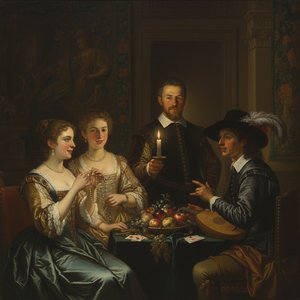
Gerard van Honthorst: Illuminating the Dutch Golden Age with Caravaggism & Courtly Grace
Explore the captivating world of Gerard van Honthorst, a Dutch Golden Age master renowned for his dramatic chiaroscuro & courtly portraits. Discover his life, art, and lasting influence on Baroque painting.

The Visceral Stage: Exploring Dramatic Narratives & Emotional Intensity in Baroque Art
Explore the dramatic world of Baroque art! Discover iconic masters like Caravaggio & Rembrandt, their techniques, and the movement's lasting impact. Expert insights for collectors & enthusiasts at OriginalUniqueArt.

The Dramatic Flourish: Exploring the Baroque Movement's Enduring Legacy in Art History
Explore the dramatic world of Baroque art! Discover iconic artists like Caravaggio & Rubens, defining techniques, and its lasting impact on art history. Expert insights for collectors & enthusiasts at OriginalUniqueArt.
