
 Náhľad
 Odoslať
 Zdieľať
 Podrobnosti o dielo

 Stiahnuť
 Podobné diela
 RTG skúška
 Prezentácia
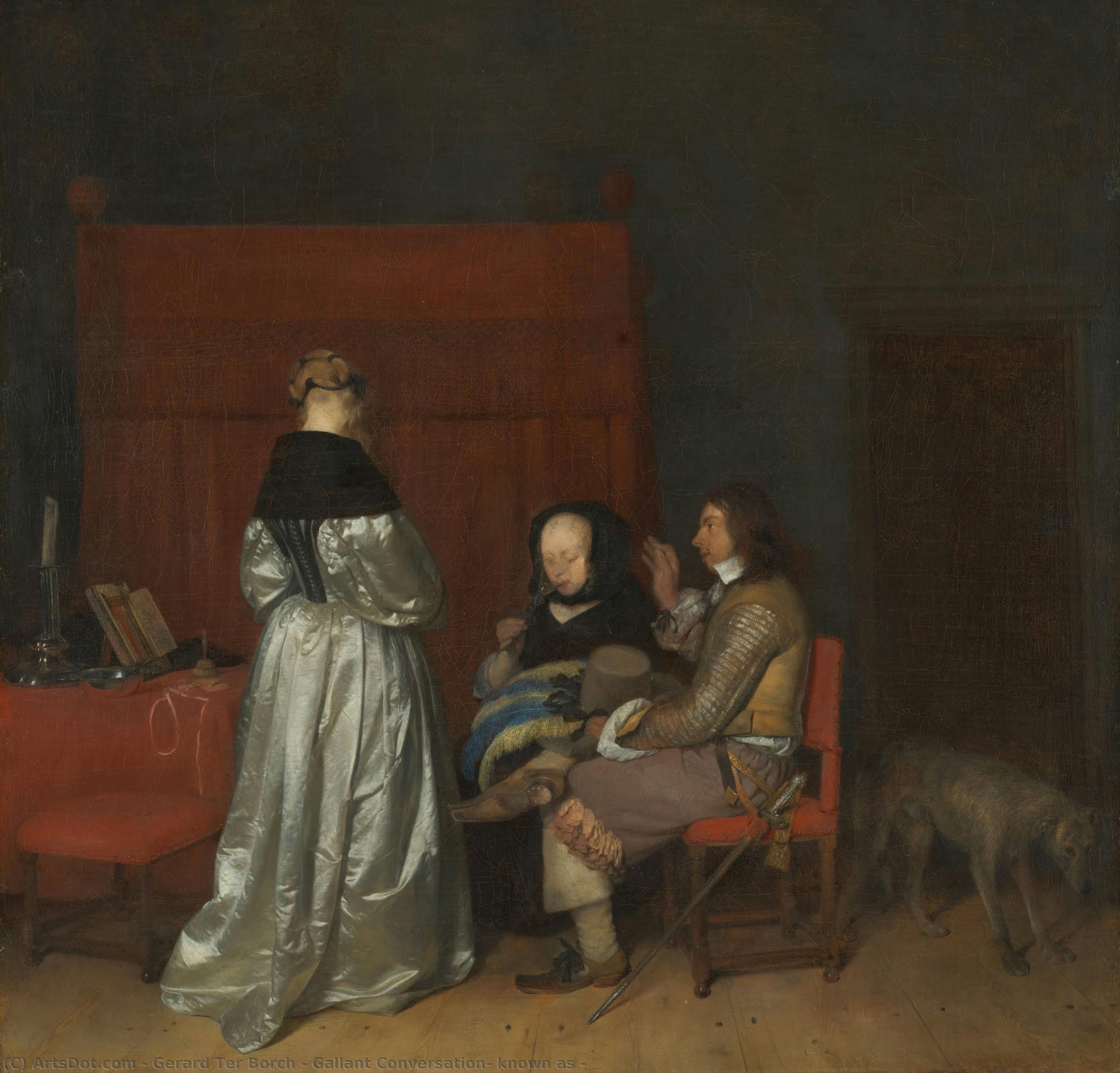
Gallant Conversation, known as
 Acrylic On Canvas
- WallArt
- Dutch Golden Age
 1655
1655 73.0 x 71.0 cm
 Rijksmuseum
 Zobraziť viac
Ručne maľovaná olejová reprodukcia
Ručne maľovaný olej na plátne vo vašej zvolenej veľkosti a v ráme, vyrobený na mieru našimi umelcami. ( Kúpiť tlač Kúpiť obrázok)




P118B $10

P118H $10

P118W $10

P438Z $10

P508JH $12

P508YH $12

P805H $10

P805Z $10

P919BZ $10

P919G $10

P919XJ $10

P959ZH $10

P968JZ $12

W106C $8

W218G $10

W218JH $8

W218Y $10

W307PJ $10

W316G $10

W316PJ $8

W316Y $10

W398PJ $8

W4111J $10

W500HY $15

W500JH $15

W692G $12

W849H $8

W940BG $15

W953PJ $8




Vyberte si z našich preddefinovaných rozmerov, ktoré zodpovedajú pôvodným pomeroḿ diela.

Môžete zadať vlastné rozmery tak, aby sa hodili do konkrétneho rámu alebo priestoru. Ak sa váš zvolený rozmer nezhoduje s pôvodnými proporciami obrazu, dielo buď orezáme, alebo ho doplníme ručne maľovanými prvkami. Pred začiatkom výroby vám zašleme digitálny náhľad na schválenie.
Upozorňujeme, že ukážka na obrazovke neodráža skutočné orezanie alebo doplnenie. Skutočnú finálnu kompozíciu zobrazuje iba digitálny náhľad.
Hoci sú k dispozícii vlastné rozmery, odporúčame vybrať rozmer z preddefinovaného zoznamu, aby sme zachovali pôvodné proporcie.
Po odoslaní objednávky vám tím OriginalUniqueArt.com pošle e-mail s pokynmi a poskytne náhľad na návrh.
Celosvetová doprava () za 3 až 4 týždne namiesto štandardných 5 týždňov. (20 august). Bez kompromisov v kvalite.

Bezplatná expresná doprava po celom svete

Prémiové lnianske plátno

Kompletné poistenie prepravy

Záruka vrátenia colného poplatku

Záruka presného farebného zhodnutia

60-dňá politika vrátenia (iba pri defektoch)

100% záruka vrátenia peňazí

Výhodná množstevná zľava
 Možnosť skla je dostupná len pri rozmeroch pod 110 cm

Gallant Conversation, known as
Technika reprodukcie
Veľkosť reprodukcie
-


Celková cena za vybrané možnosti
$ 300
Popis diela
A Shadowed Intimacy: Unraveling Gerard ter Borch’s *Gallant Conversation*
Gerard ter Borch's *Gallant Conversation*, painted in 1655, is not merely a portrait; it’s an exquisitely rendered tableau of veiled secrets and subtle anxieties. Initially known as “The paternal admonition,” the painting quickly revealed a far more complex narrative – one that challenged viewers at the time and continues to intrigue today. It's a masterful example of Dutch Golden Age genre painting, showcasing ter Borch’s unparalleled ability to capture not just appearances but the very essence of human interaction, particularly within the confines of a private, almost clandestine setting.
The scene unfolds within a modestly furnished room, bathed in a muted red light that casts long shadows and adds an air of mystery. A young soldier, strikingly handsome yet undeniably youthful, occupies a central position, engaged in conversation with a woman of considerable elegance – likely a courtesan or prostitute. A third figure, a woman holding a glass, observes the interaction from a distance, her expression hinting at both amusement and perhaps a degree of control. The inclusion of a dog, casually observing the scene, further contributes to the feeling that this is a carefully constructed tableau, a staged moment rather than an impromptu gathering. The deliberate ambiguity surrounding the relationships – who is admonishing whom? – is precisely what makes this painting so compelling.
The Delicate Dance of Light and Shadow: Ter Borch’s Technique
Ter Borch's genius lies in his painstaking attention to detail and his revolutionary approach to light. Unlike many of his contemporaries, he eschewed the dramatic chiaroscuro favored by Rembrandt, opting instead for a subtle, almost photographic realism. He meticulously built up layers of translucent glazes, creating an astonishingly delicate surface texture that captures the sheen of silk, the gleam of metal, and the softness of skin with remarkable precision. Notice how the light catches the folds of the woman’s dress, revealing the intricate weave, or how it subtly illuminates the soldier's face, highlighting his youthful features and a hint of vulnerability. This technique wasn’t simply about realism; it was about capturing the *atmosphere* of the scene – a sense of quiet contemplation punctuated by unspoken tensions.
- Glazing Technique: Ter Borch employed countless thin layers of translucent paint, building up color and depth gradually.
- Subtle Modeling: He masterfully used light and shadow to sculpt the figures, creating a sense of volume and form without resorting to harsh contrasts.
- Attention to Texture: The meticulous rendering of fabrics, metal, and skin demonstrates his dedication to capturing the tactile qualities of the scene.
A Brothel in Disguise: Historical Context and Symbolism
The painting’s true subject matter – a clandestine meeting within a brothel – was initially met with considerable debate. The original title, “The paternal admonition,” suggested a familial setting, leading to confusion about the nature of the scene. However, clues abound that point towards a more illicit reality: the bed in the background, the table with a mirror (a common feature in such establishments), and the overall atmosphere of intimacy and veiled intent. This ambiguity reflects the social realities of 17th-century Amsterdam – a city rife with wealth, commerce, and a thriving underworld. Ter Borch’s willingness to depict this darker side of society was remarkably bold for his time.
The soldier's youth is particularly significant. He isn’t a father dispensing wisdom; he’s a young man indulging in the pleasures of the flesh, suggesting themes of youthful folly and the corrupting influence of wealth. The woman observing from afar embodies a certain power – perhaps ownership or control – while the courtesan herself represents allure and danger.
Capturing Emotion: A Portrait of Quiet Tension
*Gallant Conversation* is not a painting that shouts; it whispers. It’s a study in restraint, conveying a complex web of emotions through subtle gestures and averted glances. The figures are caught in a moment of quiet contemplation, their faces betraying a mixture of curiosity, amusement, and perhaps even apprehension. The overall effect is profoundly unsettling – a reminder that appearances can be deceiving and that beneath the surface of polite conversation often lie hidden desires and unspoken truths. This painting’s enduring power lies in its ability to evoke a sense of unease and intrigue, prompting viewers to question what they are seeing and, more importantly, what they *aren't* being told.
Biografia umelca
Gerard ter Borch – Pionier Nederlandse Genre Schilderkunst
Gerard ter Borch (1617-1681), ook bekend als Gerard Terburg, was een invloedrijke en baanbrekende Nederlandse genre schilder die woonde tijdens de Gouden Eeuw van Nederland. Hij beïnvloedde zijn tijdgenoten Gabriel Metsu, Gerrit Dou, Eglon van der Neer en Johannes Vermeer.
Zijn geboorte vond plaats in december 1617 in Zwolle, provincie Overijssel, het huidige Nederlands Koninkrijk. Hij ontving een uitstekende opleiding van zijn vader Gerard ter Borch sr., ook een kunstenaar, en ontwikkelde zijn talent zeer vroeg.
De exacte omstandigheden rondom zijn jeugd zijn weinig gedocumenteerd, maar het staat vast dat hij uitgebreid reisde door Europa, waaronder Londen, Duitsland, Frankrijk, Spanje en Italië. Deze ervaring gaf hem een brede kijk op kunst en cultuur, wat zich terugvond in zijn stijl.
Vroege Levensloop en Onderwijs
Gerard ter Borch sr., een bekroonde kunstenaar zelf, zorgde ervoor dat zijn zoon een goede opleiding kreeg. Een belangrijke gebeurtenis was de studie van het hoofd bij Willem Cornelisz Duyster en Pieter Codde in Amsterdam in 1632. Deze invloedrijke leraren legden de basis voor Ter Borch’s artistieke ontwikkeling.
Hij studeerde verder onder Pieter de Molijn in Haarlem in 1634, waar hij een belangrijke stijlvorming doormaakte. Zijn zus Gesina volgde ook een carrière als kunstenaar en draagde bij aan het kunsthistorische bewustzijn van het gezin.
Beknopte Werken en Stijl
Ter Borch’s stijl werd gekenmerkt door een combinatie van realisme en aandacht voor licht en schaduw. Hij gebruikte vaak een gedetailleerde techniek om de atmosfeer en emoties binnen zijn composities weer te geven.
Een van zijn meest bekende werken is “De Brief” (1634), een meesterwerk dat laat zien hoe Ter Borch het licht en de textuur beheerst. Ook “Het elegante gesprek” (1646), uitgevoerd door Johann Georg Wille, illustreert zijn vermogen om complexe emoties op een subtiele manier weer te geven.
Hij schilderde onder andere het portret van Adrian Pauw bij aankomst in Münster en verschillende andere belangrijke historische gebeurtenissen. Zijn werk wordt vaak beschouwd als een voorbeeld van Nederlandse genre kunst uit de Gouden Eeuw.
Musea en Collecties met Ter Borch’s Kunst
Ter Borch’s werken bevinden zich nu in verschillende musea wereldwijd, waaronder het Hermitage Paleis in Sint Petersburg, Rusland; het Gemäldegalerie Alte Meister in Berlijn, Duitsland; en het Getty Center voor de Kunst in Los Angeles, Verenigde Staten.
Deze musea bieden bezoekers een prachtige kans om zijn kunstwerken te bewonderen en kennis te maken met zijn stijl en historische context. Een belangrijke verzameling vindt je ook in het Mauritshuis te Den Haag.
Erfenis en Impact
Gerard ter Borch wordt beschouwd als een pionier van Nederlandse genre schilderkunst en hij oefende grote invloed uit op zijn tijdgenoten. Zijn stijl werd gekopieerd door andere kunstenaars, zoals Gabriel Metsu, Gerrit Dou en Johannes Vermeer.
Hij staat bekend om zijn innovatieve manier van werken en zijn aandacht voor het weergeven van het dagelijks leven met een hoog niveau van detail en emotionele expressie. Ter Borch’s werk blijft een belangrijk onderdeel van de kunstgeschiedenis en wordt nog steeds gewaardeerd door kunsthistorici en verzamelaars wereldwijd.

Gerard ter Borch mladší
1617 - 1681 , Nemecko
Základné informácie
- Artistic Movement Or Style: Genre painting
- Artists Or Movements Influenced By This Artist:
- Gabriel Metsu
- Gerrit Dou
- Artists Who Influenced This Artist:
- Willem Cornelisz Duyster
- Pieter Codde
- Date Of Birth: December 1617
- Date Of Death: 8 december 1681
- Full Name: Gerard ter Borch
- Nationality: Dutch
- Notable Artworks:
- The Letter
- The Gallant Conversation
- Place Of Birth: Zwolle, Netherlands
Súvisiace články

Gerard ter Borch: Intimacy & Light in the Dutch Golden Age
Explore the captivating world of Gerard ter Borch, a master of Dutch Golden Age genre painting. Discover his intimate scenes, masterful light, and lasting influence on art history. Learn more at OriginalUniqueArt.

Golden Age Reflections: Dutch Baroque Painting & Cultural Innovation
Explore the Dutch Golden Age of painting! Discover key artists like Vermeer & ter Borch, their innovative techniques, and the rich cultural context behind these Baroque masterpieces. Learn about collecting & appreciating this iconic art period.
Genre Painting: A Window into Daily Life & Societal Values of the Dutch Golden Age
Explore the captivating world of Dutch Golden Age genre painting! Discover realistic depictions of daily life, masterful artists like Ostade & Metsu, and hidden symbolism. Learn about this influential art movement with OriginalUniqueArt.
Illuminating Realism: Exploring the Dutch Golden Age of Painting (1600-1700)
Explore the Dutch Golden Age of painting (1600-1700) with OriginalUniqueArt. Discover Rembrandt, Vermeer & other masters. Learn about techniques, history & find museum-quality reproductions.
Scenes of Daily Life: A Comprehensive Exploration of Genre Painting Through History
Explore the rich history of genre painting! Discover Dutch Masters & European artists who captured everyday life with stunning realism. Learn about symbolism, techniques & lasting influence.



