
 Náhľad
 Odoslať
 Zdieľať
 Podrobnosti o dielo

 Stiahnuť
 Podobné diela
 RTG skúška
 Prezentácia
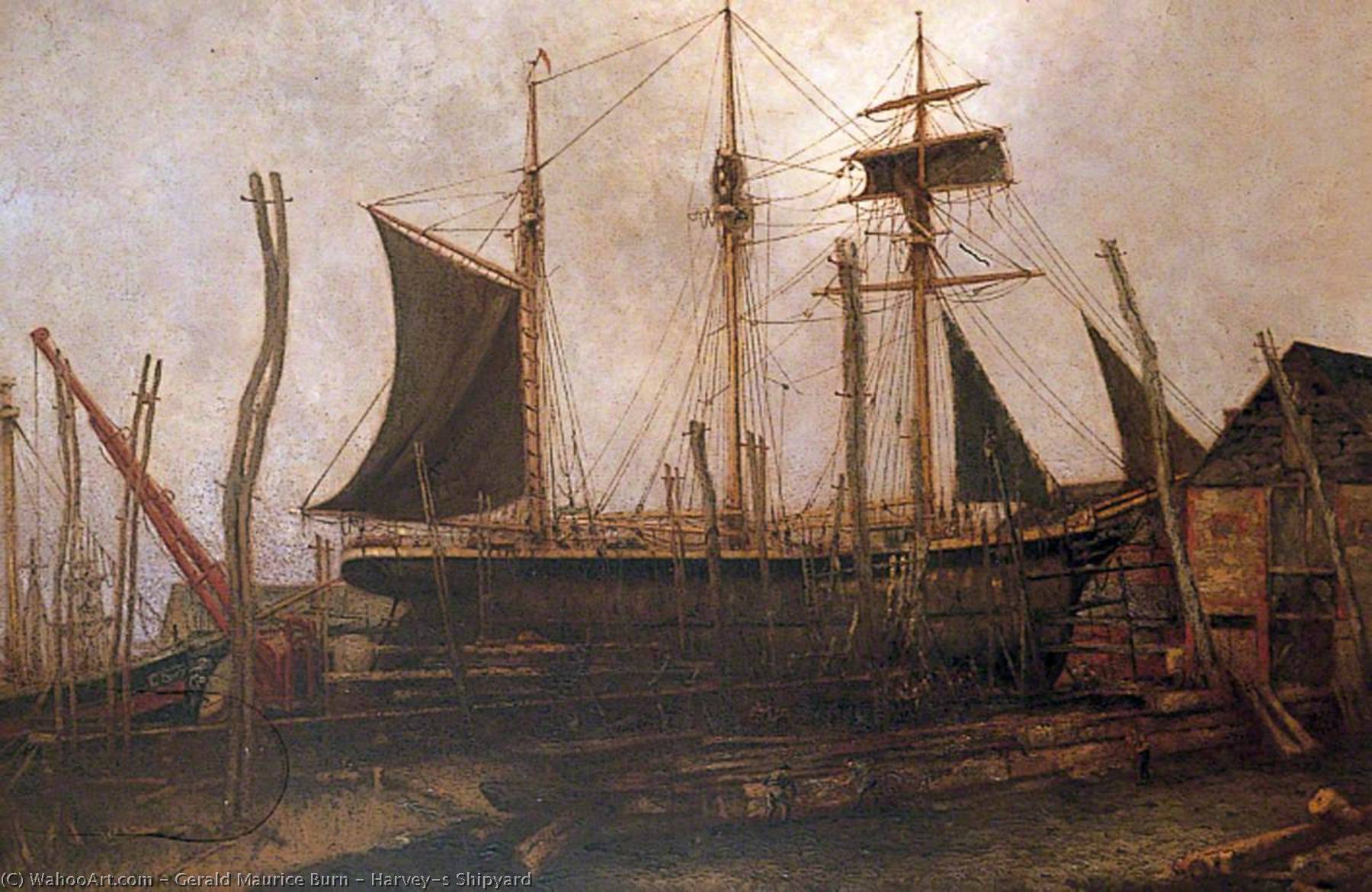
Harvey’s Shipyard
 75.0 x 111.0 cm
 Zobraziť viac
Ručne maľovaná olejová reprodukcia
Ručne maľovaný olej na plátne vo vašej zvolenej veľkosti a v ráme, vyrobený na mieru našimi umelcami. ( Kúpiť tlač Kúpiť obrázok)




































Vyberte si z našich preddefinovaných rozmerov, ktoré zodpovedajú pôvodným pomeroḿ diela.

Môžete zadať vlastné rozmery tak, aby sa hodili do konkrétneho rámu alebo priestoru. Ak sa váš zvolený rozmer nezhoduje s pôvodnými proporciami obrazu, dielo buď orezáme, alebo ho doplníme ručne maľovanými prvkami. Pred začiatkom výroby vám zašleme digitálny náhľad na schválenie.
Upozorňujeme, že ukážka na obrazovke neodráža skutočné orezanie alebo doplnenie. Skutočnú finálnu kompozíciu zobrazuje iba digitálny náhľad.
Hoci sú k dispozícii vlastné rozmery, odporúčame vybrať rozmer z preddefinovaného zoznamu, aby sme zachovali pôvodné proporcie.
Po odoslaní objednávky vám tím OriginalUniqueArt.com pošle e-mail s pokynmi a poskytne náhľad na návrh.
Celosvetová doprava () za 3 až 4 týždne namiesto štandardných 5 týždňov. (25 august). Bez kompromisov v kvalite.

Bezplatná expresná doprava po celom svete

Prémiové lnianske plátno

Kompletné poistenie prepravy

Záruka vrátenia colného poplatku

Záruka presného farebného zhodnutia

60-dňá politika vrátenia (iba pri defektoch)

100% záruka vrátenia peňazí

Výhodná množstevná zľava
 Možnosť skla je dostupná len pri rozmeroch pod 110 cm

Harvey’s Shipyard
Technika reprodukcie
Veľkosť reprodukcie
-


Celková cena za vybrané možnosti
$ 300
Biografia umelca
Gerald Maurice Burn: A Mariner's Vision of London and Beyond
Gerald Maurice Burn (1862-1945) emerged from humble beginnings as a bricklayer in London, destined for an artistic path profoundly shaped by his formative years at the Rhode Island School of Design and later honed under the mentorship of R.B. Kitaj at the Royal College of Art. His journey wasn’t merely chronological; it was marked by deliberate choices—abandoning stability for creative pursuit, embracing solitude alongside exploration—a pattern that would define his distinctive artistic style and ultimately lead him to establish a home in Santa Fe, New Mexico. Burn's fascination with mathematics initially foreshadowed his future vocation as an artist. He attended the University of Michigan before embarking on formal training at RISD, where he mastered foundational drawing techniques and developed a keen eye for detail. This early grounding in precision would become a cornerstone of his artistic approach throughout his life—a characteristic that distinguishes him from many of his contemporaries who favored looser brushwork and spontaneous expression. The Rhode Island School of Design instilled in him an appreciation for meticulous observation and technical mastery, shaping his aesthetic sensibilities before he encountered R.B. Kitaj at the Royal College of Art. His pivotal encounter with R.B. Kitaj revolutionized Burn’s artistic sensibilities. Kitaj's guidance instilled in him an appreciation for expressive brushwork and encouraged experimentation with perspective, propelling Burn toward a bolder, more nuanced visual language. Like many artists of his generation—embracing both European traditions and modernist innovations—Burn sought to synthesize disparate influences into a cohesive artistic vision. This collaborative relationship fostered a dialogue about art history and cultural identity, profoundly impacting his stylistic evolution. He moved to Santa Fe in 1907, drawn by the expansive landscapes of New Mexico and captivated by the vibrant Native American art scene. Burn’s oeuvre encompasses a remarkable range of subjects, demonstrating his versatility as an artist. Among his most celebrated pieces are “HMS Thunderer,” a detailed etching depicting the venerable battleship—a testament to his technical prowess and artistic sensitivity—and “Old Waterloo Bridge,” London, which captures the iconic landmark with evocative tonal harmonies. Furthermore, "Falaba" showcases Burn’s masterful blending of realism and impressionism, conveying both grandeur and contemplative reflection. These artworks stand as enduring symbols of Victorian maritime culture and British architectural heritage. His meticulous technique—characterized by precise linework and subtle shading—reflects a lifelong dedication to artistic exploration—a pursuit that culminated in establishing Santa Fe as his creative home. Burn’s artistic output reflects the broader cultural currents of his era, embodying Victorian ideals of craftsmanship and observation alongside a burgeoning interest in modernist experimentation. His embrace of Santa Fe’s artistic community cemented his place as a pioneer of Southwestern art—a movement that championed Native American traditions while simultaneously forging new visual vocabularies. Burn's legacy extends beyond his individual artworks; he represents a pivotal figure in British and American art history—a testament to the transformative power of artistic vision and unwavering commitment to creative practice.
Základné informácie
- Artistic Movement Or Style: Marináľstvo
- Artists Or Movements Influenced By This Artist: ['R.B. Kitaj']
- Artists Who Influenced This Artist:
- James FitzMaurice FitzGerald
- Maurice FitzGerald, 1st Earl of Desmond
- Date Of Birth: 1862
- Date Of Death: Living
- Full Name: Gerald Maurice Burn
- Nationality: Británia
- Notable Artworks:
- HMS Thunderer
- Old Waterloo Bridge
- Place Of Birth: Londýn

