Zobraziť v interiéri
 Odoslať
 Zdieľať
 Podrobnosti
 Príručka

 Stiahnuť
 Podobné položky
 RTG skúška
 Prehliadanie diapo\]
 Štatistiky
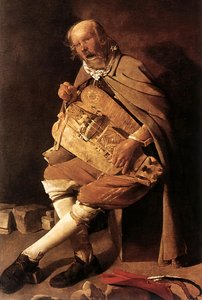
The Beggars' Brawl
 Oil On Canvas
- WallArt
- Tenebrism
 1620
1620 33.0 x 55.0 cm
 Prečítať si viac
Giclée / Umenotlač
Giclée tlač alebo plátno múzeálnej kvality s rýchlou výrobou a rôznymi možnosťami povrchovej úpravy. ( Objednať ručne maľovanú reprodukciu Prepnúť na digitálnu verziu obrazu)




P118B €10

P118H €10

P118W €10

P438Z €10

P508JH €12

P508YH €12

P805H €10

P805Z €10

P919BZ €10

P919G €10

P919XJ €10

P959ZH €10

P968JZ €12

W106C €8

W218G €10

W218JH €8

W218Y €10

W307PJ €10

W316G €10

W316PJ €8

W316Y €10

W398PJ €8

W4111J €10

W500HY €15

W500JH €15

W692G €12

W849H €8

W940BG €15

W953PJ €8




Vyberte si z našich preddefinovaných rozmerov, ktoré zodpovedajú pôvodným pomeroḿ diela.

Zadajte šírku a výšku, ktoré potrebujete, aby sa reprodukcia hodila k vášmu rámu alebo stene. Print možno len orezávať, nikdy však nemennú veľkosť zvětšiť oproti pôvodnému obrázku, preto pri inom formáte stráca časť obrazu. Pred samotným vytlačiacím procesom vám pošleme digitálny náhľad na schválenie. Obrázok zobrazený na tejto stránke nezobrazuje reálny rez — len digitálny náhľad ukazuje presný výsledok.
Celosvetová doprava () do 2 týždňov namiesto štandardných 4 až 5 týždňov. (23 október)

Bezplatná expresná doprava po celom svete

Vysokokvalitné lnianske plátno

Úplné poistenie prepravy

Záruka vrátenia colného poplatku

Záruka presného farebného zhodnutia

100-dená politika vrátenia tovaru (iba pri vadách)

100% záruka vrátenia peňazí

Ponuka množstevnej zľavy
 Možnosť skla je dostupná len pri rozmeroch pod 110 cm

The Beggars' Brawl
Giclée / Umenotlač
Veľkosť reprodukcie
-


Celková cena
€ 70
A Shadowed Tableau: Unveiling Georges de la Tour’s ‘The Beggars’ Brawl’
Georges de la Tour’s “The Beggars’ Brawl,” painted in 1620, isn't merely a depiction of a street scene; it’s a meticulously crafted exploration of human nature bathed in the dramatic chiaroscuro that defined his signature style. This intimate canvas, measuring just 33 x 55 cm, transports us to a dimly lit corner of 17th-century Lorraine, a world where poverty and desperation simmer beneath a veneer of uneasy truce. The painting immediately arrests the eye with its masterful use of light – a single, almost theatrical lantern illuminating the central figures while plunging the surrounding space into deep shadow. This technique, characteristic of Tenebrism, isn’t simply an aesthetic choice; it serves to heighten the drama and focus our attention on the intense interaction unfolding before us.

A Study in Human Condition: Symbolism and Narrative
At the heart of the scene stands a man, identifiable by his prominent beard and animated gestures, holding what appears to be an object – perhaps a coin or a piece of food – that fuels the dispute. His face is etched with a mixture of anger and desperation, mirroring the expressions of those around him. The other figures—a collection of beggars, their clothing ragged and worn—are caught in a moment of intense confrontation. The bowl on the right side of the painting isn’t just a prop; it suggests a shared hardship, a communal reliance on meager resources. It speaks to a society where survival was often precarious, and even the simplest interactions could escalate into conflict. The inclusion of a drum-beater further emphasizes the chaotic nature of the gathering – a signal for attention, perhaps a call to action or simply a desperate attempt to draw sympathy.
The Master’s Technique: Chiaroscuro and Baroque Realism
Georges de la Tour was a master of light and shadow, meticulously rendering textures and forms with an almost photographic realism. He achieved this through painstaking layering of thin glazes of oil paint, building up the image gradually to create a sense of depth and volume. Notice how he captures the sheen of wet clothing, the roughness of weathered skin, and the subtle folds in the fabric. His use of color is restrained – predominantly browns, ochres, and blacks—further enhancing the dramatic effect. De la Tour’s work represents a departure from the idealized representations common in earlier Renaissance art; instead, he presents a raw and unflinching portrayal of everyday life, capturing not just appearances but also the underlying emotions and tensions of his subjects.
Historical Context: Lorraine in Transition
“The Beggars’ Brawl” was painted during a period of significant social and political upheaval in France. The Duchy of Lorraine, then under French control, experienced a complex interplay of religious fervor, economic hardship, and political instability. De la Tour's work reflects this atmosphere, offering a glimpse into the lives of those marginalized by society – the poor, the dispossessed, and the forgotten. The painting’s setting in Lunévi, a small town within Lorraine, adds to its authenticity, grounding the scene in a specific time and place. It’s important to note that de la Tour's artistic career unfolded largely outside of Paris, allowing him to develop a distinct style influenced by both Northern European traditions (particularly the Dutch Caravaggisti) and the spiritual intensity of his own region.
Bringing ‘The Beggars’ Brawl’ Home: A Reproduction for Your Space
OriginalUniqueArt offers meticulously crafted hand-painted reproductions of “The Beggars’ Brawl,” allowing you to experience the power and beauty of de la Tour's masterpiece in your own home. Our skilled artists replicate every detail, from the subtle nuances of light and shadow to the expressive faces of the figures, ensuring an authentic representation of this iconic work. Available in a range of sizes and mediums – including fine art prints on premium canvas or archival paper – our reproductions provide a stunning addition to any collection. Explore our selection today and bring the drama and emotional depth of “The Beggars’ Brawl” into your space.
Otázky a odpovede
Akú saturáciu a intenzitu predstavuje „The Beggars' Brawl“ od Georges de La Tour?
Farby diela „The Beggars' Brawl“ od Georges de La Tour vykazujú Balanced Soft saturáciu s intenzitou Balanced.
Môžem použiť rozšírenú realitu na to, aby som si zobrazil „The Beggars' Brawl“ od Georges de La Tour vo svojej miestnosti?
K dielu „The Beggars' Brawl“ je k dispozícii náhľad v rozšírenej realite: stránka AR náhľad pre tento kus umenia vám umožní zobraziť si ho vo vašom vlastnom priestore pomocou kompatibilného zariadenia.
Z akého materiálu je vyrobené dielo „The Beggars' Brawl“ a v akom je štýle?
„The Beggars' Brawl“ je vytvorené v technike Oil On Canvas v štýle Tenebrism.
Biografia umelca
A Life Bathed in Shadow: The Enigmatic World of Georges de La Tour
Georges de La Tour, meno známe meno než jeho kolegových barokových majstrov, zostáva jednou z najzaujímavejších figúr francúzskej barokovej éry. Narodil sa v roku 1593 v Vic-sur-Seille, malebnom mestečku zasnívajúcim sa do Lorraine, a jeho život prebiehal v prostredí náboženskej vášne a politických búrčiek. Hoci detaily o jeho ranom vzdelaní súceňované – odborníci štekajú o možných cestách do Talianska alebo učebniach u miestnych umelcov, ako Jacques Bellange – semená jeho umeleckej vize boli bezpochyby zasiate v tomto prostredí. Nebol narodený z umeleckej rodiny; jeho otec bol pekáč, no okolnosti matkinej pôvodnosti naznačujú možný vzťah k šľachte, jemné vplyv, ktorý možno odôvodniť dôstojnosťou a pokojnou gráciou, ktoré prenikajú doom jeho diel. V roku 1617 sa oženil s Diane Le Nerf, založili si stabilný domov v Lunéville, kde väčšinu svojej kariéry strávil slúčať sa francúzskej kráľovskej dvore a grófom Lorraine. Tento dvojitý patrónát mu umožnil rozkvitnúť, no práve v intímnych priestoroch domáceho života a náboženskej kontemplácie našla jeho pravá génia vyjadrenie.The Dance of Light and Darkness: Artistic Influences and Development
De La Tourova umelecká cesta nebola cestou radikálnej inovácie, ale skôr mistrskou synézou existujúcich vplyvov, transformovaných prostredníctvom pohľadu jeho jedinečného zmyslu. Dramatické chiaroscuro – ostrý kontrast medzi svetlom a tmou – ktorý definuje jeho maľby, nesie neoddeliteľný dlh od Caravaggia, talianskyho majstra, ktorý revolučne prešiel maľbou intenzívnymi realistickými a emocionálne nabitými scénami. No De La Tour neukrádali len imitáciu; filtrovali Caravaggizmus cez prizmu holandských Caravaggistov, najmä tých z Utrechtu, ako Hendrick Terbrugghen. Táto fúzia viedla k štýlu, ktorý bol zároveň silný a obmedzený, charakterizovaný tlmenou paletou dominujúcou zemnými tónmi a jemnými gradáciami svetla. Jeho skoré diela, pred rokom 1630, vykazujú väčšiu vitalitu a dynamiku, odrážajúce vplyv Utrechtskej školy. Ale ako sa jeho kariéra rozvíjala, posúval sa k čoraz introspektívnejšej a minimalistickej estetike. Začal zredukovať kompozície, zameriaci sa na esenciálne formy a redukovanie okrajových detailov, vytváral scenérie, ktoré boli zároveň vnímané ako večné a hlboko osobné. Táto evolúcia nebola len technická; bola to odraz jeho rastúcej duchovnej hĺbky a jeho túžby vyjadriť hlboké emocionálne pravdy najjednoduchším možným spôsobom.Candlelight and Contemplation: Major Works and Recurring Themes
Kľúčovým prvkom De La Tourovej oeuvre je bezpochyby jeho mistrčstvo v práci s svietidlami, ktorému venoval nielen zdroj osvetlenia, ale aj metaforu božskej milosti a duchovného probodzenia. Jeho maľby sú často zasadené do nocí, s postavami osvietenými teplým, mihotajúcim svetlom jedného svietidla alebo lampy. To vytvára atmosféru intímnosti a pokojnej kontemplácie, vtáča diváka do scény a vyzýva ho, aby sa podelil o emocionný zážitok postáv. *The Fortune-Teller*, maľovaný okolo roku 1630, je tento raný štýl – živá žánrová scéna vykreslená s ostrým pozorovaním a dramatickým osvetlením. Ale jeho neskoršie náboženské diela skutočne ukážú jeho génius. *Adoration of the Shepherds*, vytvorená okolo roku 1640, demonštruje jeho schopnosť vniesť tradičný motív s hlbokým emocionálnym rezonancom. Postavy nie sú idealizované ani hrdinské; sú obyčajní ľudia, pokorovaní predstavením božstva. *The Tears of Saint Peter*, maľovaná v 60-tych rokoch, je obzvlášť dojemná ukážka jeho psychologického vedomia – apoštolova smútok vykreslený s trápením a realistom. *Saint Joseph the Carpenter* je ďalšia ikonická práca, ktorá zobrazuje pokojnú domáce scéne, zdôrazňujúcu De La Tourovu zručnosť zachytávať pokojnú dôstojnosť každodenného života. Tieto maľby nie sú len znázornenia náboženských udalostí; sú meditáciami o viere, pochybnostiach a ľudskej podstate.A Rediscovered Legacy: Historical Significance and Enduring Appeal
Hoci dosiahol uznanie počas svojho života – bol menovaný „Maľiarom kráľovskej dvore“ Louisom XIII v roku 1638 – jeho dielo upadlo do pomernej neistoty po jeho smrti v roku 1652. Storočia boli mnohé z jeho maľieb nesprávne pripisované iným umelcom a jeho meno zmizlo z umeleckej histórie. Nebolo až dodnes, kým sa v 20. storočí nepodarilo vykonať rozsiahlu snahu o prehodnotenie jeho oeuvre, vedenú odborníkmi ako Hermann Voss. Táto re-odpoveď odhalila umelca s výnimočnou originalitou a hĺbkou, ktorého dielo spájalo Caravaggizmus s francúzskym klasicizmom. De La Tourova inovatívna práca so svetlom a tmou, kombinovaná s jeho psychologickým vedomím o svojich postavách, stále fascinuje divákov dnes. Jeho maľby ponúkajú pohľad na život a duchovnosť 17. storočia, odrážajúce ako náboženskú vášňu, tak sociálne skutočnosti jeho času.
Georges de La Tour
1593 - 1652 , Francúzsko
Rýchle fakty
- Artistic Movement Or Style: Baroko, Tenebrizmus
- Artists Or Movements Influenced By This Artist: ['Francúzsky Klasicizmus']
- Artists Who Influenced This Artist:
- Caravaggio
- Terbrugghen
- Date Of Birth: 13 mar. 1593
- Date Of Death: 30 jan. 1652
- Full Name: Georges de La Tour
- Nationality: Francúzsky
- Notable Artworks:
- Fortune Teller
- Ador.
- St. Peter
- Tears St. Peter
- Place Of Birth: Vic-le-Comte, Francúzsko
Súvisiace články

Francisco Goya: Top 25 Majstrovských Diel pre Váš Domov | OriginalUniqueArt.com
Ponorte sa do sveta Francisca Goya a jeho 25 najvýznamnejších diel. Objavte príbehy za ikonickými obrazmi romantizmu, portrétmi a Čiernymi maľbami. Reprodukcie obrazov pre váš interiér na OriginalUniqueArt.com – luxusné dekorácie s umením.
Georges de La Tour: Luminosity, Spirituality & Realism in Baroque Painting
Discover the captivating world of Georges de La Tour, a Baroque master renowned for his dramatic chiaroscuro & spiritual realism. Explore key works, influences, and his remarkable rediscovery. Learn more at OriginalUniqueArt.

Georges Braque: Top 25 diel pre milovníkov umenia a luxusného interiéru
Ponorte sa do sveta Georges Braquea a jeho 25 ikonických diel! Objavte príbehy za kubistickými majstrovskými dielmi, impresionistické odtiene a revolučné techniky. Luxusné reprodukcie obrazov pre váš interiér na OriginalUniqueArt.com.

Maurice Quentin de La Tour: Light, Shadow & the Rococo Portrait
Explore the captivating world of Maurice Quentin de La Tour, a master of Rococo portraiture. Discover his innovative pastel techniques, intimate depictions of French aristocracy, and lasting artistic legacy. Learn more at OriginalUniqueArt.

Georges Seurat: Top 25 Majstrovských Diel pre Váš Domov | OriginalUniqueArt.com
Objavte top 25 diel Georges Seurata – majstra impresionizmu a pointilizmu. Prežite príbeh farieb, svetla a revolučného umenia s OriginalUniqueArt.com. Reprodukcie obrazov pre váš domov. Preskúmajte celú kolekciu online!