
 Zobraziť v interiéri
 Odoslať
 Zdieľať
 Podrobnosti
 Príručka

 Stiahnuť
 Podobné položky
 RTG skúška
 Prehliadanie diapo\]
 Štatistiky
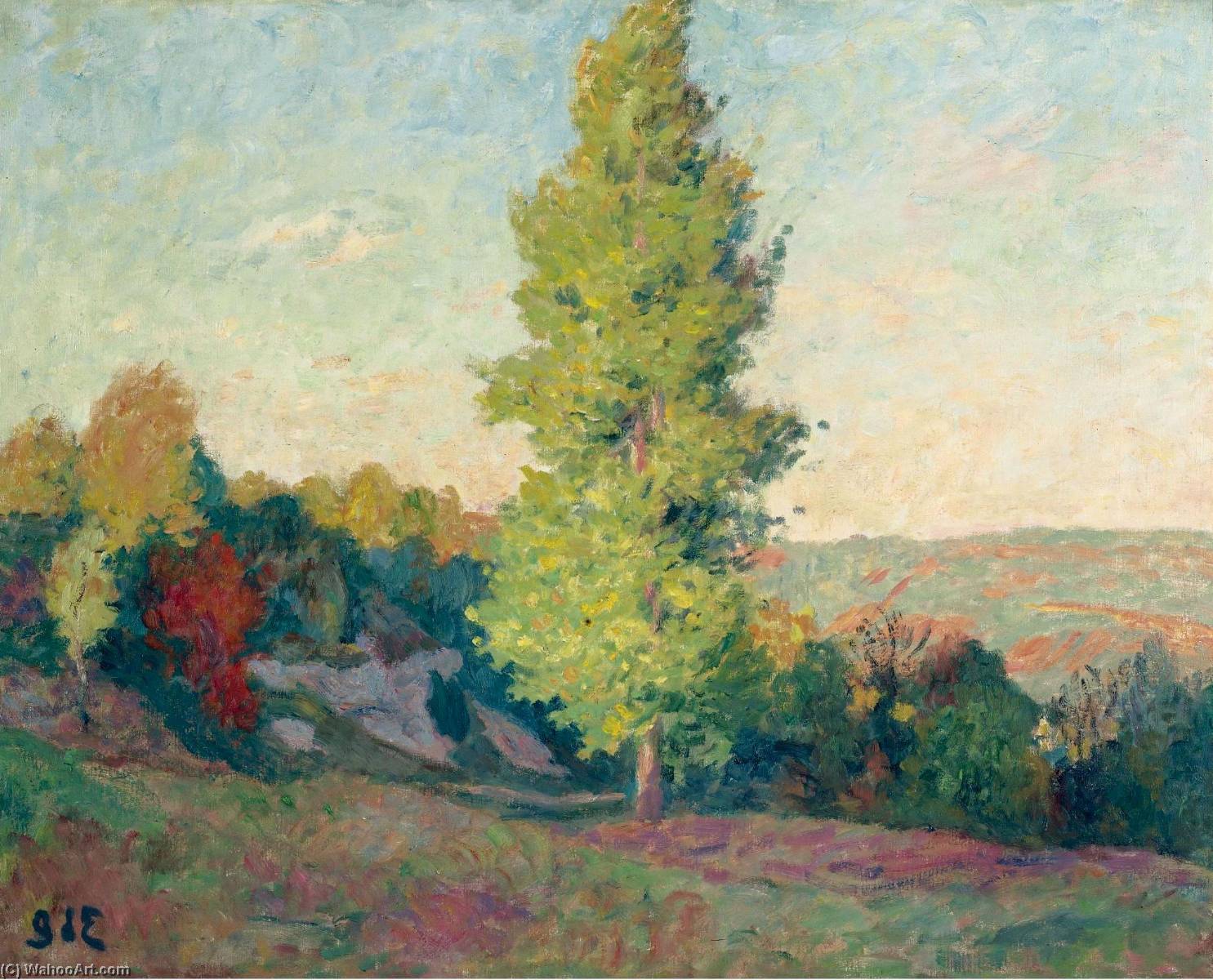
Landscape


 Prečítať si viac
Ručne maľovaná olejová reprodukcia
Ručne maľovaný olej na plátne vo vašej zvolenej veľkosti a v ráme, vyrobený na mieru našimi umelcami. ( Prepnúť na tlač Prepnúť na digitálnu verziu obrazu)




































Vyberte si z našich preddefinovaných rozmerov, ktoré zodpovedajú pôvodným pomeroḿ diela.

Zadajte šírku a výšku, ktoré potrebujete, aby sa dielo hodilo k vášmu rámu alebo stene. Keďže ide o ručnú maľbu, pri rozmeroch s odlišným pomerom strán môže umelec namalovať o niečo viac okolo obrázka alebo ho mierne orezatú — výber patrí vám. Pred začatím maľovania vám pošleme digitálnu ukážku na schválenie. Obrázok zobrazený na tejto stránke nenahrádza reálny výsledok — ten zobrazuje iba digitálna ukážka.
Po odoslaní objednávky vám tím OriginalUniqueArt.com pošle e-mail s pokynmi a poskytne náhľad na návrh
Celosvetová doprava () za 3 až 4 týždne namiesto štandardných 5 týždňov. (25 október). Bez kompromisov v kvalite.

Bezplatná expresná doprava po celom svete

Vysokokvalitné lnianske plátno

Úplné poistenie prepravy

Záruka vrátenia colného poplatku

Záruka presného farebného zhodnutia

100-dená politika vrátenia tovaru (iba pri vadách)

100% záruka vrátenia peňazí

Ponuka množstevnej zľavy
 Možnosť skla je dostupná len pri rozmeroch pod 110 cm

Landscape
Spôsob reprodukcie
Veľkosť reprodukcie
-


Celková cena
€ 263
Biografia umelca
Odkaz svetla: Život a um Georges D’Espagnat
V živobudnej tapisérii francúzskeho umenia konca 19. a začiatku 20. storočia existuje len málo postáv, ktoré dokázali tak graciozne stvárniť prechod od tradície k modernizmu ako Georges D’Espató. Narodený v Melune v roku 1870 bol D’Espagnat osudom predurčený na život ponorený do estetiky krásy. Založenie legendárnej galérie Durand-Ruel jeho otcom mu poskytlo bezprecedentný výhľad do evolúcie modernizmu a postavilo ho priamo do srdca parížskeho umeleckého sveta. Táto skorá expozícia mu umožnila na vlastné oči svedčiť o meniace sa vlne umeleckej histórie, čo v ňom vyvinulo jedinečnú perspektívu, ktorá mu neskôr umožnila premostiť priepast medzi drsným realizmom Barbizonskej školy a svetlej, pomijavé senzácie impresionizmu.
Umelecká cesta D’Espagnata bola cestou hlbokej syntézy. Zatiaľ čo jeho formatívne roky formovali ťažké, úprimné zobrazenia vidieckého života, ktoré presadzovali majstri ako Gustave Courbet a Jean-François Millet, jeho srdce sa gravitovalo k lyrickickejšej a atmosférickejšej výprazdňovacej forme. V roku 1888 sa presťahoval do Paríža, kde začal s autonómnym tréningom, občas vedeným maľbarmi ako Gustave-Claude-Etienne Courtois. Jeho štýl nakoniec rozkvitol do sofistikovaného postimpresionistického jazyka, silne pod的影响ovaním jemného, bodkovitého svetla Pierre-Auguste Renoir a jemných textúr Alfreda Sisleyho. Táto štylistická dualita — štrukturálna integrita realizmu spojená s emotívnou silou farby — sa stala jeho umeleckým znamením.
Majstrovstvo predmetu a ducha
Šírka D’Espagnatovej tematiky odráža hlbokú, trvajúcu úctu k ľudskej forme aj k prírodnému svetu. Jeho krajinárske diela nie sú len topografickými záznammi, ale emocionálnymi vyvolávaniami francúzskeho vidieka. V díloch ako jeho majstrovské dielo z roku 1900 "Krajina" možno pozorovať, ako voľné, tančiace ťahy štetcom vytvárajú ilúziu pohybu a zachytávajú samotnú podstatu preletejujúceho sa vánku alebo meniaceho sa slnečného svitu. Jeho schopnosť vyjadriť pokoj prostredníctvom živých odtieňov a textúrovaných vrstiev umožňuje divákovi vstúpiť priamo do tichej, prirodzenej chvíle.
Za horizontom prírody D’Espagnat skúmal intimitu ľudskej skúsenosti prostredníctvom svojich aktov a domácich scén. Jeho zobrazenia ľudskej postavy sú oslavované pre svoju anatomickú presnosť, no nikdy nie sú klinické; namiesto toho majú gracioznú, poetickú kvalitu dosiahnutú jemným tieňovanjem a mäkkým svetlom. Táto nežnosť sa rozprestiera aj do jeho žánerových malieb, ako je napríklad "Femmes et enfants dans la terrace du moulin de Beaulieu à Villennes sur Seine", kde zachytáva tichú mágiu rodinného života v bujných, zelených záhradách. Či už mal západnú kompozíciu ako živé "Červené kvety a ovocie" alebo nežný materský moment v obraze "Žena a dieťa," jeho práca zostáva ukotvená v hmatateľnom pocite atmosféry a emócie.
Historický význam a trvajúci vplyv
D’Espagnat bol oveľa viac než len maliar; bol vitalným účastníkom kultúrneho tkaniva svojej éry. Jeho kariéra zahŕňala vystavovanie v prestížnom Salon des Refusés a neskôr prispievanie k samotným základom Salon d’Automne, kde nakoniec pôsobil ako viceprezident. Jeho intelektuálny dosah sa rozšíril aj do literatúry a scenografie, keď ilustroval diela uznávaných autorov ako Alphonates Daudet a Rémy de Gourmont, čo dokazuje, že jeho umelecká vízia bola hlboko prepletená s širšími literárnymi prúdmi Francúzska.
Dnes je historický význam Georges D’Espagnata potvrdený prítomnosťou jeho diel v najuznávaných svetových inštitúciách. Jeho odkaz žije v zbierkach ako:
- Musée d’Orsay v Paríži, ktorá uchováva jeho príspevky k francúzskej impresionistickej tradícii.
- Metropolitan Museum of Art v New Yorku, ktorý demonštruje jeho medzinárodný dosah.
- Art Institute of Chicago, kde jeho majstrovstvo svetla a formy naďalej inšpiruje.
- Museo Thyssen-Bornemisza, ktoré vyzdvihuje jeho miesto medzi významnými predstaviteľmi postimpresionizmu.
Keď sa pozrieme späť na život, ktorý pokrýval obdobie od vrcholu vplyvu Barbizonovej školy až po úsvit modernej abstrakcie, D’Espagnat zostáva svetlou postavou. Naučil nás, že umenie môže ctiť váhu tradície a zároveň objímateľ aj pomijavú krásu prítomného okamihu, pričom za sebou zanechal umelecký doroz, ktorý naďalej dýcha svetlom a životom.
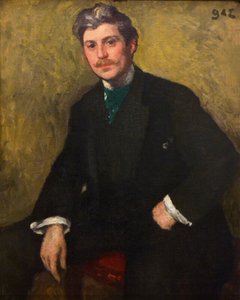
Georges D'Espagnat
1870 - 1950 , Francúzsko
Rýchle fakty
- Artistic Movement Or Style: Postimpresionizmus
- Artists Or Movements Influenced By This Artist: ['Impresionisti']
- Artists Who Influenced This Artist:
- Paul Cézanne
- Vincent van Gogh
- Date Of Birth: 1870
- Date Of Death: 1950
- Full Name: Georges D’Espagnat
- Nationality: Francúz
- Notable Artworks:
- Akt
- Krajina
- Červené kvety a ovocie
- Place Of Birth: Melun, Francúzsko
Súvisiace články

Georges Braque: Top 25 diel pre milovníkov umenia a luxusného interiéru
Ponorte sa do sveta Georges Braquea a jeho 25 ikonických diel! Objavte príbehy za kubistickými majstrovskými dielmi, impresionistické odtiene a revolučné techniky. Luxusné reprodukcie obrazov pre váš interiér na OriginalUniqueArt.com.

Georges Seurat: Top 25 Majstrovských Diel pre Váš Domov | OriginalUniqueArt.com
Objavte top 25 diel Georges Seurata – majstra impresionizmu a pointilizmu. Prežite príbeh farieb, svetla a revolučného umenia s OriginalUniqueArt.com. Reprodukcie obrazov pre váš domov. Preskúmajte celú kolekciu online!

Top 10 impresionistických krajín: Majstrovské diela, ktoré zmenili umenie a dekoráciu interiéru
Ponorte sa do sveta impresionizmu! Objavte top 10 majstrovských diel krajinárstva od Monet, Renoir a ďalších. Inšpirujte sa farebnými plátnami a dekorujte svoj dom s OriginalUniqueArt.com – múzejnou kvalitou pre váš interiér. Preskúmajte kolekciu online!
Capturing the Soul: The Most Emotionally Moving Impressionist and Post-Impressionist Masterpieces
Discover the profound emotional depth of Impressionist and Post-Impressionist masterpieces. Explore how legends like Monet, Van Gogh, and Gauguin captured light and soul through evocative landscapes and vibrant brushwork for a timeless connection to art history.

Top 10 impresionistických krajín: Majstrovské diela, ktoré zmenili umenie
Ponorte sa do sveta impresionizmu! Objavte top 10 majstrovských diel krajinárskej maľby od Monet, Renoir a ďalších. Inšpirujte sa farebnými plátnami a prineste si kúsok francúzskeho umenia do vášho interiéru s OriginalUniqueArt.com. Preskúmajte rozsiahlu kolekciu online!