

 Zobraziť v interiéri
 Odoslať
 Zdieľať
 Podrobnosti
 Príručka

 Stiahnuť
 Podobné položky
 RTG skúška
 Prehliadanie diapo\]
 Štatistiky
My Mother


 Prečítať si viac
Giclée / Umenotlač
Giclée tlač alebo plátno múzeálnej kvality s rýchlou výrobou a rôznymi možnosťami povrchovej úpravy. ( Objednať ručne maľovanú reprodukciu Prepnúť na digitálnu verziu obrazu)




P118B €10

P118H €10

P118W €10

P438Z €10

P508JH €12

P508YH €12

P805H €10

P805Z €10

P919BZ €10

P919G €10

P919XJ €10

P959ZH €10

P968JZ €12

W106C €8

W218G €10

W218JH €8

W218Y €10

W307PJ €10

W316G €10

W316PJ €8

W316Y €10

W398PJ €8

W4111J €10

W500HY €15

W500JH €15

W692G €12

W849H €8

W940BG €15

W953PJ €8




Vyberte si z našich preddefinovaných rozmerov, ktoré zodpovedajú pôvodným pomeroḿ diela.

Zadajte šírku a výšku, ktoré potrebujete, aby sa reprodukcia hodila k vášmu rámu alebo stene. Print možno len orezávať, nikdy však nemennú veľkosť zvětšiť oproti pôvodnému obrázku, preto pri inom formáte stráca časť obrazu. Pred samotným vytlačiacím procesom vám pošleme digitálny náhľad na schválenie. Obrázok zobrazený na tejto stránke nezobrazuje reálny rez — len digitálny náhľad ukazuje presný výsledok.
Celosvetová doprava () do 2 týždňov namiesto štandardných 4 až 5 týždňov. (22 október)

Bezplatná expresná doprava po celom svete

Vysokokvalitné lnianske plátno

Úplné poistenie prepravy

Záruka vrátenia colného poplatku

Záruka presného farebného zhodnutia

100-dená politika vrátenia tovaru (iba pri vadách)

100% záruka vrátenia peňazí

Ponuka množstevnej zľavy
 Možnosť skla je dostupná len pri rozmeroch pod 110 cm

My Mother
Giclée / Umenotlač
Veľkosť reprodukcie
-


Celková cena
€ 70
George Wesley Bellows’ “My Mother”: A Portrait of Resilience Amidst Urban Decay
The painting "My Mother," completed in 1921 by George Wesley Bellows, stands as a poignant testament to the artist's masterful observation of human emotion and his distinctive Ashcan School style. More than just a depiction of an elderly woman seated in a chair—a motif frequently revisited by Bellows—the artwork embodies a profound exploration of familial bonds against the backdrop of America’s rapidly changing cityscape during the early 20th century.Style and Technique: The Ashcan Aesthetic
Bellows, deeply rooted in the Ashcan School movement, rejected academic conventions favoring gritty realism over idealized beauty. His approach to “My Mother” exemplifies this ethos through a deliberate simplification of form—a technique honed by influences from Jay Hambidge’s theory of dynamic symmetry. The artist meticulously constructed the portrait's composition using proportionate rectangles and triangles, creating an impression of stability amidst apparent disorder. Bold brushstrokes dominate the canvas, conveying texture and capturing the subtle nuances of light and shadow – characteristics typical of Ashcan painters who sought to depict everyday life with unflinching honesty.Subject Matter: Domestic Tranquility Amidst Urban Flux
The painting portrays Anna Bellows, George Wesley Bellows’ mother, seated in a Victorian parlor chair. This seemingly simple depiction holds profound significance. The artist deliberately chose a setting that reflects the prevailing aesthetic of Parisian artists like Édouard Manet—a deliberate reference to artistic trends of the time. The composition emphasizes stillness and dignity against the backdrop of a bustling city, symbolizing familial warmth and resilience within the context of rapid societal change. Bellows’ masterful use of muted colors and subtle brushstrokes contributes to the painting's contemplative mood, inviting viewers to contemplate themes of motherhood, memory, and quiet strength. The artwork itself is an oil on canvas measuring approximately 49 inches by 76.2 centimeters (124.4 cm). It exemplifies Bellows’ signature Ashcan School style—a movement characterized by gritty realism and unflinching portrayals of urban life. Unlike the idealized landscapes favored by many Impressionists, Bellows focused intently on capturing the textures and nuances of everyday scenes, particularly those inhabited by ordinary people. His technique involved applying paint in thick impasto strokes, creating a palpable sense of physicality and immediacy that distinguishes his work from smoother, more polished styles. Careful observation and meticulous detail were paramount to his artistic process—he spent considerable time studying his subjects before embarking on the painting itself.George Wesley Bellows: “My Mother” – A Portrait of Resilience
“My Mother,” painted in 1921 by George Wesley Bellows, stands as a cornerstone of American realist art and exemplifies Bellows’s masterful command of technique and his profound understanding of human emotion. Executed on canvas with oil paints, the artwork captures Anna Bellows—Bellows's wife—seated in a Victorian parlor bathed in soft light. This seemingly simple composition belies a complex exploration of motherhood, dignity, and quiet strength – themes that resonate powerfully even today.- Style: The painting adheres to the Ashcan School style, characterized by its unflinching depiction of urban life and its rejection of idealized beauty. Unlike Impressionists who sought to capture fleeting moments of light and color, Bellows prioritized capturing the essence of human experience with a focus on realism and psychological depth.
- Technique: Executed in oil paint on canvas, Bellows employed meticulous brushwork—particularly visible in the rendering of drapery and textures—to convey a palpable sense of materiality. His technique is notable for its deliberate use of geometric forms (rectangles and triangles) informed by Jay Hambidge’s theory of dynamic symmetry, contributing to the painting's visual stability while simultaneously conveying movement.
- Historical Context: “My Mother,” completed in 1921, stands as a quintessential example of American Modernism during the interwar period. It emerged from the Ashcan School movement, which championed gritty depictions of urban life and challenged prevailing artistic conventions. Influenced by Thomas Eakins’s portraiture style—particularly his masterful use of light and shadow—Bellows sought to capture not merely a likeness but also an essence of human experience.
- Style & Technique: Bellows employed oil paint on canvas, utilizing a technique characterized by bold brushstrokes and expressive layering. The muted palette – dominated by browns, grays, and ochres – reflects the somber mood conveyed by the composition. Careful attention was paid to anatomical accuracy, mirroring the influence of Thomas Eakins’s meticulous observation of the human form.
- Symbolism & Emotional Impact: “My Mother,” painted in 1921, transcends a simple portrait; it embodies themes of maternal love, resilience, and quiet dignity. The seated posture of Anna Bellows—her hands folded calmly on her lap—suggests inner strength despite the passage of time. The diffused light illuminating her face evokes tenderness and contemplation, inviting viewers to reflect on familial bonds and enduring beauty.
- Historical Context: George Wesley Bellows’s oeuvre is firmly rooted in the Ashcan School movement, a group of American artists who championed realism and unflinching depictions of urban life during the early 20th century. Influenced by Impressionism and Symbolism, Bellows sought to capture the gritty realities of New York City—the tenements, the factories, the working-class struggles—without romanticizing them. “My Mother,” painted in 1921, exemplifies this stylistic approach, mirroring the aesthetic sensibilities prevalent at the time.
- Style and Technique: Bellows’s distinctive style is characterized by bold brushwork, expressive color palettes, and a masterful command of composition—particularly his use of dynamic symmetry. He meticulously studied Jay Hambidge's theories on geometric harmony, applying them to create balanced yet energetic images that capture the essence of human experience. “My Mother” showcases this technique brilliantly; the artist employs thick impasto strokes to convey texture and depth, emphasizing the solidity of the chair and the dignified posture of his mother.
- Historical Context: The painting emerged during a period of significant artistic experimentation in America—the Ashcan School. Artists like George Wesley Bellows sought to depict urban life with unflinching realism, rejecting idealized representations in favor of portraying gritty realities and social struggles. This movement challenged prevailing aesthetic conventions and championed an honest portrayal of the human condition. “My Mother” reflects this spirit of rebellion against artistic dogma, presenting a portrait that prioritizes psychological insight over decorative embellishment.
- Symbolism: Beyond its formal composition, "My Mother" carries profound symbolic weight. The seated figure embodies strength, resilience, and maternal devotion—themes central to Victorian values. The muted palette contributes to the painting's contemplative mood, emphasizing introspection and quiet dignity. The careful arrangement of objects—the vase and mirror—suggests a reflection on domestic life and familial bonds.
- Technique: Bellows employed oil paint on canvas with meticulous attention to detail and tonal gradation. His brushwork is loose yet controlled, conveying both texture and dynamism. He skillfully captured the subtle nuances of light and shadow, creating an illusionistic depth that draws the viewer into the scene. The artist’s masterful use of color—primarily browns, creams, and ochres—reflects the prevailing aesthetic sensibilities of his time.
George Wesley Bellows: A Portrait of Quiet Strength
The painting “My Mother” by George Wesley Bellows stands as a poignant testament to familial devotion and understated beauty within the broader context of American Modernism. Executed in 1921, this piece exemplifies Bellows’s signature Ashcan School style—a movement characterized by gritty realism and an unflinching portrayal of urban life—yet transcends its genre conventions through profound psychological insight. It's a deceptively simple composition: a seated woman dominates the canvas, bathed in soft light emanating from a window behind her. The careful arrangement of geometric shapes—primarily rectangles and triangles—reflects Bellows’s influence by Jay Hambidge, who championed dynamic symmetry as a compositional principle.Subject Matter and Composition
Bellows chose to depict his mother, Anna Bellows, in a moment of quiet contemplation within their Victorian parlor. This intimate portrayal speaks volumes about familial bonds and the dignity of aging. The woman’s posture exudes calmness and resilience—a deliberate contrast to the turbulent era in which she lived. Notice how the chair itself is positioned centrally, anchoring the composition and drawing the viewer's eye directly to her figure. The placement of the window and mirror subtly enhances the sense of depth and reinforces the idea of reflection – both literal and metaphorical. ## Emma and Her Children: A Study in Domestic Tranquility George Wesley Bellows’ “Emma and Her Children” (1921) stands as a cornerstone of Ashcan School realism, capturing a scene of profound simplicity amidst the bustling cityscape of New York City. Executed on canvas with meticulous attention to detail—a hallmark of Bellows' artistic approach—the painting exemplifies his commitment to portraying everyday life with unflinching honesty and emotional resonance. Unlike Impressionist explorations of fleeting moments, Bellows delves into the quiet dignity of domesticity, presenting a portrait of Emma Goldman’s children in a sparsely furnished parlor bathed in soft light. This deliberate choice underscores Bellows'Otázky a odpovede
Aká veľkosť reprodukcie sa odporúča pre „My Mother“ od George Wesley Bellows?
Pre dielo „My Mother“ od George Wesley Bellows sa odporúča reprodukcia vo veľkom formáte Large. Veľkosť je možné upraviť pri zachovaní pomerov.
Z akého materiálu je vyrobené „My Mother“?
Technikou diela „My Mother“ od George Wesley Bellows je Acrylic. Reprodukcie majú za cieľ verné odovzdanie vzhľadu tejto techniky.
K ktorej fáze kariéry George Wesley Bellows zodpovedá dátum 1921 diela „My Mother“?
Vzhľadom na dátum jej vzniku (1921) patrí dielo „My Mother“ do obdobia Mature Period umelca George Wesley Bellows.
Biografia umelca
George Wesley Bellows: A Bold Obrazovník Amerického Života
George Wesley Bellows, meno synonymom divokej energie a rozvíjajúcej sa modernej doby v skorom 20. storočí Ameriky, vynikal ako významná postava realistickej maľby. Narodil sa v Columbuse, Ohio, 12. alebo 19. augusta 1882, jeho cesta od športového potenciálu k umeleckému sláve je dôkazom síl vášne a neochrabného záväzku. Už pred formálnym vzdelaním ukázal mladý George vrodený talent v kreslení, napĺňajúc zápisníky náčrtmi, ktoré naznačovali pozorujúci zrak a rozvíjajúce sa zručnosti vnútri. Jeho výchova nebola len venovaná umeniu; vynikal aj v športoch, hral baseball a basketbal na Ohio State University – táto dvojitá zložitosť výrazne ovplyvnila jeho umelecký pohľad, čím obohatila jeho diela o pocit dynamického pohybu a fyzickej hmotnosti. Tento športový pôvod mu nielenže vniesol disciplínu, ale aj rešpekt k ľudskej forme v akcii, téma, ktorá sa stala centrálnou témou mnohých z jeho najvýznamnejších maľieb. Odscholil univerzite ešte pred ukončením štúdia, poháňaný neodolateľným ťahom do New Yorku a sľubom umeleckého vzdelania.Formovanie Cesty: Ashcan School a Za Nimi
Prílet do New Yorku v roku 1904 Bellows rýchlo našiel vedenie od Roberta Henriho, vedúceho osobnosti skupiny umelcov známej ako Ashcan School. Táto skupina umelcov – vrátane Johna Sloana, Williama Glackena a Georgea Luksa – sa úmyselne odvracala od akademických konvencií a namiesto toho zobrazovala hrubé skutočnosti urbánskeho života: preplnené obytné bloky, ruchulské ulice a každodenné ťažoby pracujúcich tried. Bellows sa s touto etosom plne zarmúčil, najprv odrážal Henriho voľný štýl maľovania a záväzok k sociálnemu realizmu. Avšak nebol spokojný len s replikovaním učiteľového štýlu; mal ambíciu vytvoriť si vlastný jedinečný umelecký hlas. V roku 1906 založil studio s kolegom umelcom Edwardom Keefe, čo znamenalo začiatok plodnej obdobia experimentovania. Jeho skoré diela, prezentované v roku 1908, boli sprevádzané smiešnymi reakciami – niektorí kritici ich považovali za hrubé, zatiaľ čo iní rozpoznali ich odvážny duch a inovácie. Jeho témy boli často kontroverzné pre svoju dobu, zpochybňujúc tradičné vnímanie toho, čo predstavuje „akceptovateľné“ umenie. Neváhajúco zobrazoval menej glamózne aspekty mestského života, zachytával scény chudoby, práce a voľného času s bezprostrednosťou.Aréna Života: Boxovanie a Mestský Spektákulár
Zatiaľ čo rozsiahla paleta Bellowsa zahŕňala portréty, krajinky, morené scenérie, stal sa najznámejším svojimi silnými reprezentáciami boxerských zápasov. Tieto neboli len športové udalosti pre neho; boli to mikrokosmy ľudského dramatu, vyjadrujúce témam ako boj, odolnosť a príkorné inštinkty, ktoré poháňajú súťaž. Pravidelne navštevoval dymivé boxerské kluby, starostlivo študoval pohyby bojovníkov, intenzitu ich pohľadov a energiu publika. Maľby ako *Both Members of This Club* (1909) a *Stag at Sharkey’s* (1909) sú vynikajúcimi príkladmi jeho schopnosti zachytiť túto atmosféru, využívať dramatické osvetlenie, dynamické kompozície a pocit napätia. Boxerské scény neboli len o športe samotnom; boli to metafory života, odrážajúce sociálnu darwinistickú mentalitu vládnuvшую v americkej spoločnosti vtedy. Okrem boxu Bellows našiel inšpiráciu aj v ďalších mestských spektáklách – sprievody, cirkusy a preplnené ulice – všetky ponúkali príležitosti na skúmanie tém pohybu, energie a kolektívneho zážitku.Evolúcia Štýlu a Trvalá Dedina
Keď Bellows dozriával ako umelec, jeho štýl podstupoval jemnú, ale významnú evolúciu. Zatiaľ čo si udržal záväzok k realizmu, začal sa odmietať voľnému štýlu z detských rokov a prijímal viac stylizovaný vzhľad charakterizovaný hladkými krivkami, monumentálnymi formami a zvýšeným pocitom dramatu. Tento posun je evidentný v neskorších dielach, ako *Dempsey and Firpo* (1924), monumentálnej maľbe zachytávajúcej kulmináciu legendárneho boxerského zápasu s úžasnou intenzitou. Experimentoval aj s litografiou, pričom vytvoril sériu pôsobivých vydaní, ktoré demonštrovali jeho zručnosť v líniách a tónoch. Napriek tomu, že dosiahol značný úspech počas svojho života – vrátane zvolenia za akademika Národnej akadémie umení v roku 1913 – zostával Bellows zaviazaný posúvania umeleckých hraníc a zpochybňovaniu konvencií. Jeho náhlý smrť v roku 1925 vo veku 42 rokov skratil slibnú kariéru, ale jeho dedičstvo pretrváva ako jeden z najvýznamnejších realistických maľiarov Ameriky. *On zanechal dielo, ktoré dodnes rezonuje u publika*, ponúka silný a bezprostredný portrét amerického života v ranom 20. storočí – svet plný energie, konfliktu a trvalého ducha ľudstva. Jeho vplyv sa prejavil v ďalších generáciách umelcov, ktorí hľadali spôsob, ako zachytiť dynamiku a komplexitu moderného urbánneho zážitku.Kľúčové Práce a Uznanie
- *Both Members of This Club* (1909) – Kľúčová práca zachytávajúca atmosféru boxerského klubu.
- *Stag at Sharkey’s* (1909) – Ďalšia ikonická reprezentácia boxerského zápasu, známa pre svoj dramatický dizajn a kompozíciu.
- *Men of the Docks* (1912) – Silný portrét pracujúcich tried, ktorý ukazuje Bellowsovu zručnosť v zachytávaní fyzikálnych vlastností a textúry.
- *The Germans Arrive* (1918) – Séria litografií zobrazujúca zločiny spáchané počas Prvej svetovej vojny, demonštrujúca jeho zapojenie do sociálnych a politických otázok.
- *Dempsey and Firpo* (1924) – Monumentálna maľba zachytávajúca kulmináciu legendárneho boxerského zápasu s úžasnou intenzitou.
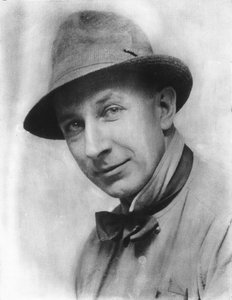
George Wesley Bellows
1882 - 1925 , Spojené štáty americké
Rýchle fakty
- Artistic Movement Or Style: Realizmus, Ashcan School
- Artists Or Movements Influenced By This Artist: ['Henriho štýl']
- Artists Who Influenced This Artist: ['Robert Henri']
- Date Of Birth: 1882
- Date Of Death: 1925
- Full Name: George Wesley Bellows
- Nationality: Amerikanec
- Notable Artworks:
- Both Members
- Stag at Sharkey’s
- Men of the Docks
- Place Of Birth: Columbus, USA
Súvisiace články
American Realism: Social Commentary & Artistic Representation in Early 20th-Century Painting
Explore the powerful social commentary & artistic representation of American Realism. Discover key artists like Bellows & Sloan, and understand the movement's lasting impact on 20th-century art history.

Georges Seurat: Top 25 Majstrovských Diel pre Váš Domov | OriginalUniqueArt.com
Objavte top 25 diel Georges Seurata – majstra impresionizmu a pointilizmu. Prežite príbeh farieb, svetla a revolučného umenia s OriginalUniqueArt.com. Reprodukcie obrazov pre váš domov. Preskúmajte celú kolekciu online!

The Ashcan School: A Guide to Urban Realism for Professional Interior Design and Hospitality Procurement
Discover the raw energy of the Ashcan School. Our guide for hotel designers explores urban realism, offering professional insights into sourcing hand-painted oil reproductions and custom large-scale murals for high-end hospitality and corporate interiors.
The Ashcan School: Realism, Urban Life & the Democratization of American Art
Explore the revolutionary Ashcan School! Discover how artists like Henri & Sloan challenged tradition with gritty realism, capturing urban life in early 20th-century America. Learn about their impact on American art history.

Georges Braque: Top 25 diel pre milovníkov umenia a luxusného interiéru
Ponorte sa do sveta Georges Braquea a jeho 25 ikonických diel! Objavte príbehy za kubistickými majstrovskými dielmi, impresionistické odtiene a revolučné techniky. Luxusné reprodukcie obrazov pre váš interiér na OriginalUniqueArt.com.
