

 Náhľad
 Odoslať
 Zdieľať
 Podrobnosti o dielo

 Stiahnuť
 Podobné diela
 RTG skúška
 Prezentácia
William Metcalfe
 Contemporary Realism
 1821
1821 127.0 x 102.0 cm
 Zobraziť viac
Ručne maľovaná olejová reprodukcia
Ručne maľovaný olej na plátne vo vašej zvolenej veľkosti a v ráme, vyrobený na mieru našimi umelcami. ( Prejsť na tlač Prepnúť na obrázok)




































Vyberte si z našich preddefinovaných rozmerov, ktoré zodpovedajú pôvodným pomeroḿ diela.

Môžete zadať vlastné rozmery tak, aby sa hodili do konkrétneho rámu alebo priestoru. Ak sa váš zvolený rozmer nezhoduje s pôvodnými proporciami obrazu, dielo buď orezáme, alebo ho doplníme ručne maľovanými prvkami. Pred začiatkom výroby vám zašleme digitálny náhľad na schválenie.
Upozorňujeme, že ukážka na obrazovke neodráža skutočné orezanie alebo doplnenie. Skutočnú finálnu kompozíciu zobrazuje iba digitálny náhľad.
Hoci sú k dispozícii vlastné rozmery, odporúčame vybrať rozmer z preddefinovaného zoznamu, aby sme zachovali pôvodné proporcie.
Po odoslaní objednávky vám tím OriginalUniqueArt.com pošle e-mail s pokynmi a poskytne náhľad na návrh.
Celosvetová doprava () za 3 až 4 týždne namiesto štandardných 5 týždňov. (10 august). Bez kompromisov v kvalite.

Bezplatná expresná doprava po celom svete

Prémiové lnianske plátno

Kompletné poistenie prepravy

Záruka vrátenia colného poplatku

Záruka presného farebného zhodnutia

60-dňá politika vrátenia (iba pri defektoch)

100% záruka vrátenia peňazí

Výhodná množstevná zľava
 Možnosť skla je dostupná len pri rozmeroch pod 110 cm

William Metcalfe
Technika reprodukcie
Veľkosť reprodukcie
-


Celková cena za vybrané možnosti
$ 300
Biografia umelca
George Watson (1767 – 1837): A Pioneer of Scottish Portraiture
George Watson was a pivotal figure in the artistic landscape of Scotland during the late Georgian and early Victorian eras, establishing himself as one of the foremost portrait painters of his time. Born in Edinburgh around 1767, he possessed an innate talent for capturing likenesses with remarkable accuracy and subtlety—a skill that quickly garnered him recognition within the burgeoning Scottish art scene. His career spanned over seven decades, during which he produced a prolific body of work characterized by its refined style and meticulous attention to detail.Early Life and Artistic Training
Watson’s formative years were marked by exposure to influential artistic currents circulating in Edinburgh. He apprenticed under John Ramsay, a celebrated Scottish landscape painter who instilled in Watson a deep appreciation for tonal harmony and atmospheric perspective—techniques that would become hallmarks of his distinctive approach to portraiture. Ramsay's guidance fostered Watson’s understanding of how to convey emotion through color and form, shaping him into an artist deeply attuned to the psychological complexities inherent in human subjects. Furthermore, Watson studied briefly at the Royal Academy in London, broadening his artistic horizons and exposing him to European stylistic innovations prevalent during that period.Watson's Artistic Style and Technique
Watson’s artistic style distinguished itself from its contemporaries through a commitment to tonal gradation—a technique whereby he skillfully blended shades of color to create illusions of depth and volume within his canvases. Unlike many artists who favored brighter palettes, Watson prioritized muted hues, favoring browns, greys, and ochres to achieve an understated elegance that perfectly complemented the solemn dignity of his subjects. He meticulously rendered textures with painstaking precision, utilizing glazing techniques—applying thin layers of translucent paint over subsequent coats—to build up surfaces with remarkable realism. This meticulous approach demanded considerable patience and skill, resulting in portraits imbued with a palpable sense of presence and psychological insight.Notable Commissions and Artistic Achievements
Watson’s reputation grew steadily throughout his lifetime thanks to numerous prestigious commissions from aristocratic families and prominent figures across Scotland. He painted portraits of members of the Scottish aristocracy—including Earl Grey, Lord Melville, and Sir William Wallace—capturing their likenesses with unwavering fidelity while simultaneously conveying their character and bearing. His work extended beyond portraiture into genre scenes depicting domestic interiors and landscapes, demonstrating his versatility as an artist. Among his most celebrated achievements was his depiction of Elizabeth Oliver, the wife of John Singleton Copley—a painting that exemplifies Watson’s mastery of tonal harmony and psychological observation. This masterpiece remains a testament to his artistic vision and enduring legacy.Legacy and Historical Significance
George Watson's influence on Scottish art history is undeniable. He championed a style rooted in observation and restraint, establishing himself as a pioneer of Scottish portraiture—a genre that would flourish throughout the Victorian era. His meticulous technique and unwavering dedication to capturing human emotion solidified his place among Scotland’s artistic luminaries. Watson’s paintings continue to be admired for their beauty and psychological depth, serving as invaluable records of the social and cultural milieu of his time. He is remembered not merely as a skilled painter but as an artist who profoundly shaped the aesthetic sensibilities of his era—a legacy that persists to this day.
george watson
1767 - 1837
Základné informácie
- Artistic Movement Or Style: Neoclassical
- Artists Who Influenced This Artist:
- Joshua Reynolds
- Benjamin West
- Date Of Birth: 1767
- Date Of Death: 1837
- Full Name: George Watson
- Nationality: Scottish
- Notable Artworks:
- The Duchess of Sutherland
- Portrait of William Lyon Mackenzie
- Place Of Birth: Edinburgh, Scotland
Súvisiace články
Reinterpretácia portrétu v duchu historických majstrov: Zakázkové diela pre súčasnú identitu a odkaz
Objavte umenie zakázkových portrétov od OriginalUniqueArt.com! Vytvoríme jedinečný obraz na mieru, inšpirovaný historickými majstrami. Zachovajte svoju identitu a dedičstvo s autentickým dielom.
Sir John Watson Gordon: A Study in Scottish Landscape Painting & Tonal Impressionism
Explore the captivating portraits of Sir John Watson Gordon, a leading Scottish master. Discover his evolution from neoclassical style to atmospheric Tonalism and influence on 19th-century British art. Learn about his iconic sitters & legacy.
From Imagination to Canvas: Commissioning Bespoke Fantasy Art with Traditional Oil Painting Techniques
Commission breathtaking bespoke fantasy art with skilled oil painters. Explore techniques, artist selection & preservation tips. Invest in a unique masterpiece today!
William Bradford: Navigating Faith, Landscape & Artistic Innovation in Early American Painting
Explore the captivating world of William Bradford, American Romanticist painter renowned for his dramatic Arctic seascapes & ship portraits. Discover his artistic evolution, influences, and lasting legacy with OriginalUniqueArt.
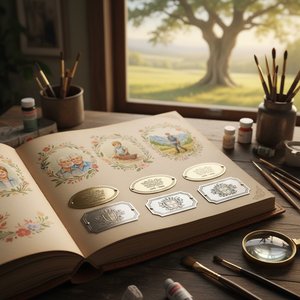
Rámovanie spomienok: Trvalá hodnota personalizovaného menného štítku v kontexte umeleckých diel
Vytvorte trvalý umelecký odkaz s OriginalUniqueArt! Ručne maľované portréty a reprodukcie obrazov na mieru. Kvalita, precíznosť a garancia spokojnosti pre milovníkov histórie a zberateľov umenia.

