
 Náhľad v interiéri
 Odoslať ako digitálnu kartu
 Zdieľať
 Podrobnosti o dielo
 Príručka

 Stiahnuť obraz
 Podobné položky
 RTG skúška
 Prehliadanie diapozoje
 Q&A
Q&A Štatistiky
The Fall of Phaëton

- 97.0 x 122.0 cm


 Zobraziť viac
Giclée / Umenotlač
Giclée tlač alebo plátno múzeálnej kvality s rýchlou výrobou a rôznymi možnosťami povrchovej úpravy. ( Kúpiť ručne maľovaný obraz Prepnúť na digitálny obraz)




P118B €10

P118H €10

P118W €10

P438Z €10

P508JH €12

P508YH €12

P805H €10

P805Z €10

P919BZ €10

P919G €10

P919XJ €10

P959ZH €10

P968JZ €12

W106C €8

W218G €10

W218JH €8

W218Y €10

W307PJ €10

W316G €10

W316PJ €8

W316Y €10

W398PJ €8

W4111J €10

W500HY €15

W500JH €15

W692G €12

W849H €8

W940BG €15

W953PJ €8




Vyberte si z našich preddefinovaných rozmerov, ktoré zodpovedajú pôvodným pomeroḿ diela.

Zadajte šírku a výšku, ktoré potrebujete, aby sa reprodukcia hodila k vášmu rámu alebo stene. Print možno len orezávať, nikdy však nemennú veľkosť zvětšiť oproti pôvodnému obrázku, preto pri inom formáte stráca časť obrazu. Pred samotným vytlačiacím procesom vám pošleme digitálny náhľad na schválenie. Obrázok zobrazený na tejto stránke nezobrazuje reálny rez — len digitálny náhľad ukazuje presný výsledok.
Celosvetová doprava () do 2 týždňov namiesto štandardných 4 až 5 týždňov. (2 november)

Bezplatná expresná doprava po celom svete

Vysokokvalitné lnianske plátno

Kompletné poistenie prepravy

Záruka vrátenia colného poplatku

Záruka presného farebného zhodnutia

100-dená politika vrátenia tovaru (iba pri vadách)

100% záruka vrátenia peňazí

Zľava pri väčšom množstve
 Možnosť skla je dostupná len pri rozmeroch pod 110 cm

The Fall of Phaëton
Giclée / Umenotlač
Veľkosť reprodukcie
-


Celková cena
€ 71
A Collision of Myth and Mastery: Unveiling George Stubbs’s ‘The Fall of Phaëton’
George Stubbs's “The Fall of Phaëton,” painted in 1777, isn’t merely a depiction of a Greek myth; it’s a visceral experience. This monumental canvas, now residing within the National Trust at Saltram, transcends its narrative origins to become a profound meditation on power, destruction, and the sublime beauty of chaos. Stubbs, a revolutionary figure in 18th-century art, deliberately eschewed the idealized forms favored by his contemporaries, instead opting for an anatomical realism that bordered on the unsettling, particularly when applied to subjects as grand and terrifying as the sun god’s son attempting to wrest control from his father.
The scene unfolds with breathtaking dynamism. Phaeton, a young man consumed by ambition and perhaps hubris, is shown at the apex of his disastrous journey – driving the chariot of the sun across the heavens. His face, contorted in panic and exertion, reflects the impending doom that threatens to engulf him and all beneath. The horses themselves are rendered with astonishing detail, their muscular forms straining against the reins, each a testament to Stubbs’s meticulous study of equine anatomy. The composition is dominated by diagonals – the sweeping arc of the chariot, the downward plunge of the thunderbolts, and the frantic movement of the steeds – creating a sense of relentless forward momentum that pulls the viewer directly into the heart of the drama.
Anatomy as Revelation: Stubbs’s Scientific Approach
Stubbs's commitment to anatomical accuracy was legendary. His fascination with the inner workings of animals, fueled by his time dissecting horses at York County Hospital, informed every brushstroke. “The Fall of Phaëton” is a prime example of this approach; Stubbs didn’t simply paint a horse; he painted its very essence – the sinews beneath the skin, the skeletal structure supporting the musculature, and the intricate network of veins pulsing with life. This dedication to realism was considered radical at the time, challenging the prevailing artistic conventions that prioritized idealized beauty over scientific observation.
The painting’s color palette further enhances its dramatic effect. Stark contrasts between light and shadow – a consequence of Stubbs's masterful use of chiaroscuro – heighten the sense of urgency and impending disaster. The fiery hues of the sun chariot are juxtaposed against the deepening blues and purples of the approaching night, symbolizing the irreversible shift from day to darkness. The subtle gradations of color within each figure’s form contribute to a remarkable sense of volume and depth, drawing the viewer into the scene with an almost unsettling immediacy.
Mythic Symbolism and Emotional Resonance
Beyond its technical brilliance, “The Fall of Phaëton” is rich in symbolic meaning. The myth itself speaks to themes of unchecked ambition, divine retribution, and the consequences of defying fate. Phaeton’s downfall serves as a cautionary tale against hubris and a reminder that even those blessed with extraordinary power are ultimately subject to mortality. The figures surrounding the event – the Heliades, transformed into poplar trees in mourning for their brother, and Cycnus, hiding his face in despair – amplify this sense of loss and tragedy.
However, the painting transcends mere allegory. It evokes a profound emotional response—a mixture of awe, terror, and pity. The sheer scale of the scene, combined with Stubbs’s dramatic composition and masterful use of color, creates an overwhelming sensory experience that leaves the viewer breathless. “The Fall of Phaëton” is not simply a depiction of a myth; it's a powerful meditation on human nature, the forces of destruction, and the enduring beauty of tragedy—a timeless masterpiece that continues to captivate audiences centuries after its creation.
A Legacy Enduring: Reproductions and Artistic Inspiration
Reproductions of “The Fall of Phaëton” offer a remarkable opportunity to experience Stubbs’s artistic vision firsthand. Whether displayed in a grand salon or a more intimate setting, this painting commands attention with its dramatic intensity and technical brilliance. Collectors appreciate the work's historical significance, scientific rigor, and enduring aesthetic appeal. Interior designers often incorporate reproductions into spaces seeking to evoke a sense of grandeur, drama, and intellectual curiosity – a testament to Stubbs’s lasting influence on art history.
Otázky a odpovede
Ako možno využiť „The Fall of Phaëton“ od George Stubbs pri dekorovaní domácnosti?
„The Fall of Phaëton“ od George Stubbs sa odporúča pre Statement, ideálne do Living Room. Spojenie použitia a priestoru vám pomôže určiť, kde sa reprodukcia hodí.
Kedy a v akom štýle vzniklo dielo „The Fall of Phaëton“ od George Stubbs?
Dielo „The Fall of Phaëton“ vzniklo v roku 1777 v rámci smeru Romanticism.
Obsahuje „The Fall of Phaëton“ výrazné svetlo-tmavé kontrasty?
„The Fall of Phaëton“ od George Stubbs vykazuje Statement kontrast medzi svetlými a tmavými časťami diela.
Biografia umelca
Early Life and Artistic Beginnings
George Stubbs, narodený 25. augusta 1724 v Liverpoole, bol známy anglický maľiar, ktorého diela sú dodnes oslavované pre ich anatomickú presnosť a majstrovské zobrazenie koní. Jeho rané roky boli poznačené relatívne obmedzenou dostupnosťou informácií, pričom väčšina poznatkov pochádza z príbehov Oziasa Humphryho, založených na rozhovoroch s Stubbsom v roku 1794. Stubbs začal svoju umelckú cestu už v 15 rokoch, pôvodne pracoval pod ošetrovaním svojho otca, ktorý bol kožiarom alebo vyrábačom kože. Potom sa obrátil na Hamleta Winstanleya, lancashierskeho maľára a gravéru, za krátky umelecký vzdelávací pobyt. Tento stručný pobyt mu umožnil študovať zbierku v Knowsley Hall. Jeho ranná vášeň pre anatómie ho priviedla do Yorku v roku 1744, kde sa učil pod cirurgom Charlesom Atkissonom na York County Hospital. Jedným z jeho najskorších známych diel je sada ilustrácií pre John Burtonovu učebnicu o pôrodnosti, publikovanú v roku 1751.Artistic Development and Notable Works
Stubbsova vášeň pre anatómie ho priviedla do Yorku v roku 1744, kde sa učil pod cirurgom Charlesom Atkissonom na York County Hospital. Jedným z jeho najskorších známych diel je sada ilustrácií pre John Burtonovu učebnicu o pôrodnosti, publikovanú v roku 1751. V roku 1756 si Stubbs prenajal farmu v Lincolneshire a strávil 18 mesiacov dissekujúc koní, pod vedením svojej spoločníčky Mary Spencer. Toto doviedlo k vydaniu *Anatomie koňa* v roku 1766, s pôvodnými kresbami uloženými v Kráľovskom múzeu. Jeho diela rýchlo získali uznanie medzi vedúcimi aristokratickými patrónmi, vrátane 3. vojvodu z Richmondu, ktorý objednal tri rozsiahle maľby v roku 1759. Toto bolo začiatok jeho úspešnej kariéry, s prácami vytvorenými pre niekoľko veliteľov a lordov, čo viedlo k nákupu domu v Marylebone, Londýne. Jeho diela sa vyznačujú inovatívnym prístupom k zobrazeniu koní, odlišujúcim sa od tradičných portrétov.The Lion and the Horse – A Revolutionary Composition
Stubbs je najznámejší pre sériu maľieb zobrazujúcich leva útočiaceho na koňa, ktoré predstavujú revolučný umelecký koncept v 18. storočí. Tieto diela, vrátane *Lion Attacking a Horse*, sú považované za predchodcov romantického umenia. Stubbs sa inšpiroval antickým mýtom o lese, kde leva a koňa napadla divoká zver. Jeho maľby predtým neprejavovali takú dramatickú dynamiku a emócie. Najvýznamnejšia verzia, *Lion Attacking a Horse*, je dnes vystavená v Yale Center for British Art v New Haven. Stubbs bol schopný zachytiť esenciu koní s neuveriteľnou presnosťou a zároveň vyjadriť ich silu a majestát.Whistlejacket – A Masterpiece of Equestrian Portraiture
Najznámejším dielom George Stubbsa je *Whistlejacket*, portrét pretekárskeho koňa, ktorý sa vznáša na zadných nohách, objednaný 2. markrískom z Rockinghamu. Toto dielo sa vyznačuje neobvyklým pozadím – jednoduché, monochromatické plochy – čo bolo vtedy novinkou a odlišovalo ho od tradičných portrétov koní. *Whistlejacket* je považovaný za vrchol Stubbsovej tvorby a je vystavený v Národnej galérii v Londýne. Jeho schopnosť zachytiť podstatu pretekárskeho koňa, jeho silu a energiu, je dodnes oslavovaná.Legacy and Influence
George Stubbs zanechal nesmierne významné dielo v histórii umenia. Jeho presvedčivé maľby koní, kombinované s jeho hlbokým porozumeniu anatómie, ho zaradili medzi najvýznamnejších maľiarov 18. storočia. Jeho prácou ovplyvnilo mnoho ďalších umelcov a jeho diela sú dodnes vystavené v najväčších galériách sveta. Stubbs bol predtým klasifikovaný len ako nadriadený športový maľiar, ale dnes je považovaný za jedného z najvýznamnejších anglických maľiarov svojho času. Jeho diela sú dodnes oslavované a inšpirujú umelcov po celom svete.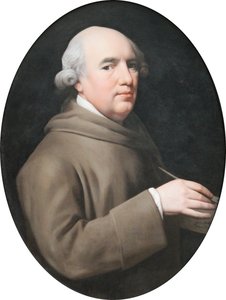
George Stubbs
1724 - 1806 , Spojené kráľovskosti
Základné informácie
- Artistic Movement Or Style: Romantizmus, Kôňart
- Artists Or Movements Influenced By This Artist: ['Joshua Reynolds']
- Artists Who Influenced This Artist: ['Hamlet Winstanley']
- Date Of Birth: 25 august 1724
- Date Of Death: 10 júl 1806
- Full Name: George Stubbs
- Nationality: Anglický
- Notable Artworks:
- Whistlejacket
- Lyžovník
- Lev a kôň
- Place Of Birth: Liverpool, UK
Súvisiace články
George Stubbs: Anatomical Precision & Romantic Vision in 18th-Century British Art
Explore the captivating world of George Stubbs, the 18th-century master renowned for his anatomical precision & Romantic animal paintings. Discover his legacy and investment potential.
Echoes of Olympus: Mythological Narratives in Western Art Through the Ages
Explore the captivating history of mythological narratives in Western art! From ancient Greece to modern masterpieces, discover iconic artworks & symbolism. Expert analysis and high-quality reproductions at OriginalUniqueArt.
Timeless Legends: A Curated Guide to the Eternal Allure of Mythological Masterpieces
Embark on a sophisticated journey through the eternal allure of mythological art. Discover how master painters breathe life into ancient legends, from Greek deities to Baroque masterpieces, and learn to curate these timeless narratives within your own exquisite art collection.
The Noble Steed on Canvas: A Historical & Artistic Exploration of Horse Painting Across Cultures
Explore the rich history of horse painting! Discover masterpieces from Stubbs to Munnings & learn about symbolism, techniques & artists. Find museum-quality reproductions at OriginalUniqueArt.
The Noble Steed: A Historical and Artistic Exploration of Horses in Fine Art
Explore the rich history of horses in fine art! From ancient depictions to Renaissance masterpieces & beyond, discover iconic artworks and artists. Learn about symbolism, techniques, and find museum-quality reproductions at OriginalUniqueArt.


