

 Náhľad
 Odoslať
 Zdieľať
 Podrobnosti o dielo

 Stiahnuť
 Podobné diela
 RTG skúška
 Prezentácia
Wolf Point


 Zobraziť viac
Kúpte si digitálnu snímku vo vysokom rozlíšení s vylepšenými detailmi, ktorá je oveľa kvalitnejšia než online náhľad.
Každý súbor starostlivo pripravujú naši interní špecialisti pomocou pokročilých nástrojov a odborného manuálneho retušovania. Zabezpečujeme, aby každý obrázok disponoval výnimočnou čistotou, presnou farebnou vernosťou a jemnými detailmi.
Konečný súbor vám bude doručený e-mailom do 72 hodín, optimalizovaný pre okamžité použitie v profesionálnom, redakčnom aj tlačovom prostredí. Ide o rovnakú kvalitu, ktorej dôverajú špičkové dizajnérske štúdiá, vydavateľstvá a galérie.
Digitálny obraz
Stiahnite si vysokorozlíšený súbor na osobné zobrazovanie, tlačenie a kreatívne projekty. ( Prejsť na tlač Prejsť na ručne maľovanú reprodukciu)
Súčasťou každej objednávky digitálneho obrazu
Expetórne digitálne doručenie, garantované
Keď si vyberiete OriginalUniqueArt.com, nedostávate len obrázok – získate profesionálne upravené digitálne umenie, vytvorené s precíznosťou a so zárukou vašej maximálnej spokojnosti. Tu je všetko, čo je súčasťou vašej objednávky automaticky:

Rýchle doručenie e-mailom
Vaša vysokorozlíšená digitálna súprava obrázkov vám bude zaslaná e-mailom do 72 hodín od objednávky – pripravená na okamžité použitie.

Digitálny súbor s vylepšením AI
Vaše dielo je profesionálne optimalizované pomocou pokročilých nástrojov umelej inteligencie a manuálnej editácie, čo zaručuje maximálnu úroveň detailov, čistotu a presnosť farieb.

Bezplatné celoživotné opätovné doručenie
Náhodou ste zmazali alebo ste stratili svoj súbor? Nebavžte sa – pošleme vám ho kedykoľvek znova, úplne bez poplatkov.

Bez poplatkov za dovoz – navždy
Užite si svoje umelodelo okamžite bez colných poplatkov, daní alebo nákladov na dopravu – digitálne stiahnutia sú vždy oslobodené od dane.

Garantovaná presnosť farieb
Pomocou profesionálnych nástrojov a farebného manažmentu zabezpečujeme, aby vaša digitálna fotografia čo najpresnejšie odrážala pôvodné farby.

60-dňová záruka spokojnosti
Ak nebudete spokojní so svojou digitálnou fotografiou, upravíme ju alebo vám vrátime 100% v priebehu 60 dní – bez zbytočných otázok.

100% Záruka vrátenia peňazí
Nie ste spokojní? Získajte plnú náhradu peňazí do 60 dní od prijatia vášho digitálneho súboru – bez zbytočných otázok.

Zľavy pri veľkom odbere
Kúpte si 3 obrazy, ušetrite 10% - Kúpte si 5, ušetrite 15% - Kúpte si 10+, ušetrite 20%. Ideálne pre kreatívne projekty, galérie a agentúry.
Životopis umelca
The Architect of Molecular Innovation
In the grand tapestry of the nineteenth century, where the soot of the Industrial Revolution met the burgeoning light of scientific inquiry, few figures cast a shadow as profound yet specialized as George Edward Davis. Born in the historic enclave of Eton, Buckinghamshire, in 1850, Davis was not an artist of the brush, but rather an architect of the unseen. While his contemporaries were capturing the fleeting light of the English landscape on canvas, Davis was meticulously mapping the complex, invisible flows of chemical reactions that would eventually give birth to a new discipline: chemical engineering. His life story is one of remarkable transition, moving from the tactile, traditional craft of bookbinding—an apprenticeship he began at the tender age of fourteen—to the rigorous, transformative world of industrial chemistry.
The evolution of Davis’s intellect was fueled by a relentless curiosity that could not be contained by the leather and glue of his early training. Driven by an innate passion for the molecular, he sought higher learning at the Slough Mechanics Institute and later at the prestigious Royal School of Mines in London. This period of intense academic immersion provided him with the theoretical scaffolding necessary to navigate the burgeoning chemical landscape of the United Kingdom. As he moved through the industrial heartlands around Manchester, Davis did not merely observe the progress of science; he became its primary navigator, applying a meticulous attention to detail that mirrored the precision of a master engraver.
A Legacy Written in Industry and Science
The true brilliance of George Edward Davis lay in his ability to bridge the gap between pure laboratory chemistry and the massive, roaring scale of industrial production. His career was marked by a series of monumental achievements that reshaped the very infrastructure of modern manufacturing. From his early days as an inspector for the Alkali Act of 1863—a pioneering piece of environmental legislation—to his transformative role as manager at the Lichfield Chemical Company, Davis demonstrated an unparalleled capacity for innovation. It was during this tenure that he designed and constructed facilities featuring what was then the tallest chimney in the United Kingdom, a towering symbol of his ability to manifest scientific theory into physical, monumental reality.
Beyond the construction of chimneys and chemical plants, Davis’s intellectual contributions were equally enduring. He is widely revered as the founding father of chemical engineering, a title earned through his seminal lectures and his landmark 1901 publication, "A Handbook of Chemical Engineering." This work served as a foundational text, codifying the principles of unit operations that remain central to the field today. His influence extended into the very fabric of scientific community building; he was instrumental in the formation of the Society of Chemical Industry in 1881 and founded the Chemical Trade Journal, ensuring that the rapid advancements of his era were documented and shared among his peers.
Even within the realm of pure science, Davis found a secondary passion in the delicate art of microscopy. As a founding member and former President of the Manchester Microscopical Society, he approached the microscopic world with the same reverence an artist might approach a fine detail in a portrait. His work as an amateur microscopist, characterized by skillfully prepared slides and influential publications like Practical Microscopy, showcased a man who found beauty in the minute and profound meaning in the infinitesimal. Through his dual mastery of the industrial and the microscopic, George Edward Davis left behind a legacy that continues to underpin the technological and scientific foundations of our modern world.
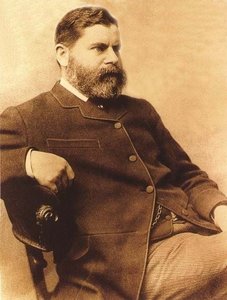
george edward davis
1850 - 1907 , United Kingdom
Základné informácie
- Artistic Movement Or Style: Chemical engineering art
- Artists Or Movements Influenced By This Artist:
- George Chinnery
- Sir Alfred James Munnings
- Artists Who Influenced This Artist: ['Nicholas Leblanc']
- Date Of Birth: July 27, 1850
- Date Of Death: April 20, 1907
- Full Name: George Edward Davis
- Nationality: British
- Notable Artworks: ['Wolf Point']
- Place Of Birth: Eton, United Kingdom

