() ·

A painting made for you, by hand

Creamer

Ručne maľovaná olejová reprodukcia

Ručne maľovaný olej na plátne vo vašej zvolenej veľkosti a v ráme, vyrobený na mieru našimi umelcami. ( Prepnúť na tlač Prepnúť na digitálny obraz)

Popis zberateľského predmetu

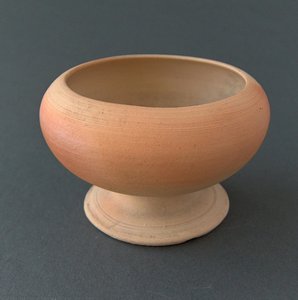
Discover George Edgar Ohr’s ‘Creamer’: a mesmerizing ceramic pitcher showcasing vibrant glaze textures & molten-metal hues. A unique realist piece reflecting 20th-century abstract expressionism.

Biografia umelca

George Edgar Ohr (1857-1918) bol americký keramičiar známy ako "Šílený majster z Biloxi". Jeho inovatívne, abstraktné keramiky a pioniersky prístup k tvorbe prelomili konvencie a dodnes inšpirujú umelcov. Pozrite si jeho jedinečné kusy v Ohr-O'Keefe Museum of Art!

from ·

Chapter 1

How large should it be?

Slide to change the size; the picture on the left shows the frame at its real width. The proportions of the original are kept.

Štandardné
na mieru
CM
INCH

Vyberte si z našich preddefinovaných rozmerov, ktoré zodpovedajú pôvodným pomeroḿ diela.

šírka
výška

Zadajte šírku a výšku, ktoré potrebujete, aby sa dielo hodilo k vášmu rámu alebo stene. Keďže ide o ručnú maľbu, pri rozmeroch s odlišným pomerom strán môže umelec namalovať o niečo viac okolo obrázka alebo ho mierne orezatú — výber patrí vám. Pred začatím maľovania vám pošleme digitálnu ukážku na schválenie. Obrázok zobrazený na tejto stránke nenahrádza reálny výsledok — ten zobrazuje iba digitálna ukážka.

Chapter 2

How should it arrive?

Choose the edges of the stretched canvas

Choose your frame

Corner sample of the WhiteWrap canvas edge finish, stretched on masívne drevo bars
White €1
Corner sample of the BlurSideWrap canvas edge finish, stretched on masívne drevo bars
Blurside €1
Corner sample of the ExtendedWrap canvas edge finish, stretched on masívne drevo bars
Extended €1
Corner sample of the P118B picture frame: lisovaný polystyrén, 5 cm wide and 3 cm thick
P118B €10
Corner sample of the P118H picture frame: lisovaný polystyrén, 5 cm wide and 3 cm thick
P118H €10
Corner sample of the P118W picture frame: lisovaný polystyrén, 5 cm wide and 3 cm thick
P118W €10
Corner sample of the P438Z picture frame: lisovaný polystyrén, 5.5 cm wide and 3.5 cm thick
P438Z €10
Corner sample of the P508JH picture frame: lisovaný polystyrén, 7 cm wide and 3.5 cm thick
P508JH €12
Corner sample of the P508YH picture frame: lisovaný polystyrén, 7 cm wide and 3.5 cm thick
P508YH €12
Corner sample of the P805H picture frame: lisovaný polystyrén, 5 cm wide and 3.5 cm thick
P805H €10
Corner sample of the P805Z picture frame: lisovaný polystyrén, 5 cm wide and 3.5 cm thick
P805Z €10
Corner sample of the P919BZ picture frame: lisovaný polystyrén, 7 cm wide and 3.5 cm thick
P919BZ €10
Corner sample of the P919G picture frame: lisovaný polystyrén, 7 cm wide and 3.5 cm thick
P919G €10
Corner sample of the P919XJ picture frame: lisovaný polystyrén, 7 cm wide and 3.5 cm thick
P919XJ €10
Corner sample of the P959ZH picture frame: lisovaný polystyrén, 5 cm wide and 3 cm thick
P959ZH €10
Corner sample of the P968JZ picture frame: lisovaný polystyrén, 6 cm wide and 4 cm thick
P968JZ €12
Corner sample of the W106C picture frame: masívne drevo, 5 cm wide and 3 cm thick
W106C €8
Corner sample of the W218G picture frame: masívne drevo, 5 cm wide and 3 cm thick
W218G €10
Corner sample of the W218JH picture frame: masívne drevo, 5 cm wide and 3 cm thick
W218JH €8
Corner sample of the W218Y picture frame: masívne drevo, 5 cm wide and 3 cm thick
W218Y €10
Corner sample of the W307PJ picture frame: masívne drevo, 6 cm wide and 3 cm thick
W307PJ €10
Corner sample of the W316G picture frame: masívne drevo, 6 cm wide and 3 cm thick
W316G €10
Corner sample of the W316PJ picture frame: masívne drevo, 6 cm wide and 3 cm thick
W316PJ €8
Corner sample of the W316Y picture frame: masívne drevo, 6 cm wide and 3 cm thick
W316Y €10
Corner sample of the W398PJ picture frame: masívne drevo, 5 cm wide and 3 cm thick
W398PJ €8
Corner sample of the W4111J picture frame: masívne drevo, 6.5 cm wide and 3.5 cm thick
W4111J €10
Corner sample of the W500HY picture frame: masívne drevo, 7 cm wide and 5 cm thick
W500HY €15
Corner sample of the W500JH picture frame: masívne drevo, 7 cm wide and 5 cm thick
W500JH €15
Corner sample of the W692G picture frame: masívne drevo, 8 cm wide and 4 cm thick
W692G €12
Corner sample of the W849H picture frame: masívne drevo, 5 cm wide and 3 cm thick
W849H €8
Corner sample of the W940BG picture frame: masívne drevo, 7.5 cm wide and 4.5 cm thick
W940BG €15
Corner sample of the W953PJ picture frame: masívne drevo, 6 cm wide and 3.5 cm thick
W953PJ €8
Corner sample of the H24-GOLD picture frame: řezané drevo s gessom, 10 cm wide and 6 cm thick
H24-GOLD €30
Corner sample of the H24-SILVER picture frame: řezané drevo s gessom, 10 cm wide and 6 cm thick
H24-SILVER €30
Corner sample of the H36-GOLD picture frame: řezané drevo s gessom, 15 cm wide and 6.5 cm thick
H36-GOLD €45
Corner sample of the H36-SILVER picture frame: řezané drevo s gessom, 15 cm wide and 6.5 cm thick
H36-SILVER €45
Náhľad v ráme
V rámoch

Moulding: . Overall size with the frame: .

Chapter 3

Who paints it, and should anything change?

Examples of what can be changed: Replace face with customer photo; Add pet (e.g., replace cat with dog); Include hidden message in background; Change background landscape or elements.
After order, OriginalUniqueArt.com team will email client for instructions and provide a mockup preview

Celosvetová doprava () za 3 až 4 týždne namiesto štandardných 5 týždňov. (1 november). Bez kompromisov v kvalite.

Chapter 4

The finishing touches

A nameplate, as in a museum?

Detaily vygravírovaného bronzového pláka

This elegant plaque features the artist's name and the title of the artwork, finely engraved for a timeless presentation.

It is made from bronze with a refined, elegant finish. The text is precisely laser-engraved for a sharp and permanent result. Measuring 9x2 cm, the plaque is compact yet easy to read. It's built to be durable and scratch-resistant, offering a professional, museum-quality look. Mounting is simple thanks to the included adhesive backing.

Detaily transparentnej akrylovej plăty

The plaque includes essential engraved details such as the artist's name, the title of the artwork, the date it was created, the type of media used-like oil on canvas or watercolor-a brief description of the piece, and a QR code that links to the complete artwork information.

It is crafted from clear acrylic, offering a sleek, modern appearance. The text is UV-engraved in black to ensure strong visual contrast. With a size of 10x15 cm, it ensures optimal readability. It comes equipped with two metal hooks for secure wall mounting. The plaque is designed to be weather-resistant, making it suitable for various environments, and it includes interactive features that work seamlessly with smartphone scanning.

Detaily čiernej akrylovej plăty

This elegant plaque includes engraved information such as the artist's name, the title of the artwork, the date it was created, the type of media used (like oil on canvas or watercolor), a short description of the artwork, and a QR code for quick access to more information.

The plaque itself is made from refined black acrylic with a premium finish. The text is laser-engraved in white for high contrast and readability. Its size is 10x15 cm, designed to be easy to read. It comes with two metal hooks for professional mounting. The design is sleek and fits any interior style. It is also weather-resistant and durable, with built-in digital integration for mobile compatibility.

A protective varnish?

When do you need it?

Chapter 5

Your painting, as you ordered it

Creamer

Technika reprodukcie

Veľkosť reprodukcie

-

Výborne skúsený umelec

Viac detailov, jemnosti a dodatočného času na výrobu

-

Rámovanie reprodukcie

-

-

V prípade umeleckých diel alebo reprodukcií, ktorých ktorákoľvek strana je väčšia ako 105 cm (cca 41 palcov), sa rám dodáva v rozloženom stave ako sada. Táto metóda zabezpečuje bezpečnú доставu a chráni pred poškodením počas prepravy.

Vyžaduje sa odborná montáž – toto nie je produkt na vlastnú prípravu (DIY).
Sada musí byť zmontovaná a plátno napnuté skúseným profesionálnym rámovaníkom, s použitím drevárneho lepidla (nie je súčasťou sady), klieš na napínanie plátna a svoriek na udržanie prav角的 rámov počas schnutia lepidla. Nesprávna montáž alebo nerovnomerné napnutie plátna môže trvalo poškodiť umelecké dielo, čo nie je kryté našou zárukou.

  • Všetky lišty z masívneho dreva sú súčasťou balenia, presne narezané na mieru.

  • Montuje sa pomocou súčasťou balenia dodaných skrutiek, plus drevolepu na spoje v rohoch, ktorý nie je súčasťou balenia a musí si ho zabezpečiť váš montážnik.

  • Vyžadujú sa profesionálne nástroje, ktoré nie sú súčasťou sady: kliešte na napínanie plátna (napínací nástroj) a svorky na udržanie pravých uhlov rámov počas schnutia lepidla.

Dôležité:
Spoje v rohoch si vyžadujú lepidlo na drevo, tyče je potrebné upevniť pomocou svoriek, kým lepidlo úplne newyschne, a napnutie plátna na zostavený rám si vyžaduje klieže na napínanie plátna. Žiadna z týchto pomôcok nie je súčasťou sady. Pred objednaním tejto veľkosti si, prosím, zabezpečte skúseného odborníka na zakladanie rámov.

Popisné označenie

-

-

Ochranný lak

Lesklý lak (zvýrazňuje farby, chráni pred svetlom a vlhkosťou)

-

Prispôsobiť moje dielo

Príklady možností úprav: nahradenie tváre vlastnou fotografiou; pridanie domáceho zvieraťa (napr. nahradenie mačky psom); vloženie skrytého odkazu do pozadia; zmena krajiny alebo prvkov v pozadí.

-

Prioritné doručenie

Celosvetová doprava () za 3 až 4 týždne namiesto štandardných 5 týždňov. (1 november). Bez kompromisov v kvalite.

-

Rýchle doručenie

Celosvetová doprava do za 5 týždňov. (8 november).

V cene

Celková cena

€ 267

Celková cena € 267

Možnosť skla je dostupná len pri rozmeroch pod 110 cm

Included with every order

  • Bezplatná expresná doprava po celom svete
  • Vysokokvalitné lnianske plátno
  • Kompletné poistenie prepravy
  • Záruka vrátenia colného poplatku
  • Záruka presného farebného zhodnutia
  • 100-dená politika vrátenia tovaru (iba pri vadách)
  • 100% záruka vrátenia peňazí
  • Zľava pri väčšom množstve

A Dance of Fire and Clay: Unveiling George Edgar Ohr’s “Creamer”

George Edgar Ohr, affectionately dubbed the "Mad Potter of Biloxi," wasn't merely a ceramicist; he was a revolutionary, a provocateur who shattered conventional notions of form and function within the world of art. His work, particularly pieces like “Creamer,” embodies this spirit – a vibrant explosion of texture, color, and unapologetic experimentation that foreshadowed much of 20th-century abstract expressionism. “Creamer,” created around 1908, isn’t simply a pitcher; it's a captured moment of molten energy, a testament to Ohr’s relentless pursuit of artistic freedom and his profound understanding of the inherent beauty within imperfection. The piece immediately commands attention with its audacious palette – a swirling vortex of deep reds, fiery oranges, sun-baked yellows, and earthy browns that seem to pulse with an internal heat. These aren't carefully blended hues; rather, they’re layered glazes applied with a deliberate roughness, mimicking the chaotic yet controlled process of metalworking or even volcanic activity. The surface is far from smooth; it’s deliberately textured with ridges, drips, and pools of glaze, creating a tactile experience that invites close inspection – a direct challenge to the polished perfection often associated with traditional ceramics.

The Biloxi Crucible: Contextualizing Ohr's Innovation

Ohr’s artistic journey was inextricably linked to his birthplace, Biloxi, Mississippi—a port city steeped in maritime history and brimming with diverse cultural influences. This unique environment profoundly shaped his aesthetic sensibilities. He initially worked as a utilitarian potter, producing functional wares for the local community. However, he quickly grew dissatisfied with this limited role, yearning to explore the expressive potential of clay. The fires that frequently ravaged Biloxi – devastating both physically and emotionally – became a crucial catalyst for his artistic evolution. These destructive events, particularly the 1894 fire that consumed his studio and much of his work, served as a powerful impetus for experimentation. He began to embrace the accidental, the broken, and the imperfect, transforming these losses into opportunities for innovation. This period saw him moving away from rigid forms and embracing techniques like “throwing” – creating shapes by hand without using a potter’s wheel—and layering glazes in ways that defied conventional ceramic practices.

A Symphony of Texture: Technique and Materiality

The creation of "Creamer" exemplifies Ohr's distinctive technique, a masterful blend of intuition and controlled chaos. He didn’t adhere to established methods; instead, he developed his own unique approach, often working directly on the clay surface with tools like knives, spatulas, and even his hands. The layering of glazes is particularly noteworthy – multiple applications were built up over time, creating a complex interplay of color and texture. The deliberate roughness isn’t simply accidental; it's a conscious choice to emphasize the materiality of the clay itself, celebrating its inherent irregularities and imperfections. Ohr’s use of glaze was revolutionary for his time, moving beyond traditional transparent glazes to create opaque, richly pigmented surfaces that seemed to glow from within. The piece is a testament to his mastery of material – he coaxed extraordinary effects from humble clay and simple glazes, transforming them into something truly remarkable.

Symbolism in the Shimmer: Interpretation and Emotional Resonance

While Ohr himself resisted definitive interpretations of his work, “Creamer” undeniably resonates with themes of transformation, resilience, and the beauty of imperfection. The fiery colors evoke images of molten metal – a primal force both destructive and creative. This imagery can be interpreted as a reflection of Biloxi’s history, its vulnerability to storms and fires, yet also its enduring spirit. The piece's irregular forms suggest a rejection of rigid order and an embrace of spontaneity and chance. The “Creamer” itself—a vessel designed for holding cream—adds another layer of complexity. It’s a seemingly mundane object elevated to the realm of art through Ohr’s transformative vision, suggesting that even the most ordinary things can be imbued with extraordinary beauty and meaning. The overall effect is one of intense energy and emotional depth – a captivating invitation to contemplate the power of creativity and the acceptance of imperfection.

Otázky a odpovede

Kde si môžem pozrieť náhľad diela „Creamer"?

Stránka s náhľadom diela „Creamer“ (Náhľad diela) vám umožňuje prezrieť si umelostné dielo ešte pred objednávkou.

V akom rozмере sa odporúča tlačiť dielo „Creamer“?

Pre dielo „Creamer“ sa odporúča veľkosť tlače Medium. K dispozícii sú aj інші veľkosti v rovnakých proporciách.

Kde by sa odporúčalo vystaviť dielo "Creamer", vzhľadom na jeho farebnú paletu?

Vzhľadom na jeho Earthy farebnú paletu sa dielo „Creamer“ odporúča do miestnosti typu Living Room.

More about this painting

Náhľad v interiéri Zobraziť v AR Prepnúť na tlač Prepnúť na digitálny obraz Odoslať ako digitálnu kartu
Podrobnosti o dielo Príručka Pridať do obľúbených Stiahnuť obraz Podobné položky RTG skúška Prehliadanie diapozoje Q&A Štatistiky

In numbers

  • 29frames to choose from
  • standard sizes, in its own proportions
  • 5weeks to paint and deliver it
George Edgar Ohr

George Edgar Ohr

1857 - 1918, Spojené štáty americké

Quick facts about George Edgar Ohr

  • Artistic Movement Or Style: Abstraktný expresionizmus
  • Artists Or Movements Influenced By This Artist: ['Americká keramiká']
  • Artists Who Influenced This Artist: ['Joseph Meyer']
  • Date Of Birth: 12. júl 1857
  • Date Of Death: 7. apríl 1918
  • Full Name: George Edgar Ohr
  • Nationality: Amerikanec
  • Notable Artworks:
    • Keramika
    • Hrniec
    • Misky
  • Place Of Birth: Biloxi, USA

Biografia umelca

The Singular Vision of George Edgar Ohr: The Mad Potter of Biloxi

George Edgar Ohr, meno spojené s inovatívnou a excentrickou tvorbou v americkom keramičnom umení, sa narodil 12. júla 1857 v prístavnom mestečku Biloxi na Mississippi. Jeho rodičia, nemecké imigranti hľadajúci nové príležitosti, v ňom zakorenením posilnili pracovitosť a možno aj štipku starého sveta umeleckej citlivosti. Avšak práve jedinečné prostredie Biloxi – miešanica kultúr a zdroj ľahko dostupnej hlieny – podnietalo jeho rozvíjajúci sa talent. Ohr nebol len majster výrobcov, ale aj skúmal tvar, textúru a glazúry, neustále posúval hranice toho, čo keramičný umenie mohlo byť. Prijal prezývku “Mad Potter of Biloxi”, nie ako odsudzenie, ale ako hrdé vyhlásenie o jeho nezvyčajnom prístupe a nerozbitnej oddanosti umeleckej slobode.

Early Influences and Artistic Awakening

Ohrin umelecký putovník začal pomerne náhodou. Po neposlušnom mládia strávenom skúšaním rôznych živností v New Orleans, našiel sa ako učeník Joseph Fortune Meyera, majstra výrobcov s prepojeniami na rozvíjajúci sa umelecký pohyb Arts & Crafts. Toto učenie poskytlo Ohrovi pevné základy v tradičných technikách, ale jeho nasledujúce cesty – šestnásťštátová prehliadka amerických keramičských dielní – zapálili jeho kreatívny zmysel. Využíval rozmanité metódy a štýly, no nebol spokojný len s ich napodobňovaním; hľadal transcendenciu. Vrátiť sa do Biloxi rozhodol, že vytvorí vlastnú cestu, založil “Biloki Art and Novelty Pottery”, kde mohol plne realizovať svoje umelecké videnie. Hliena z blízkeho Tchoutacabouffa River sa stala jeho médium a jeho ruky, jeho nástroje transformácie.

A Revolution in Clay: Technique and Innovation

Ohrina práca sa odlišuje svojím radikálnym odstupom od platných keramičských noriem. Zatiaľ čo mnohí majstri sa zameriavali na funkciu a symetrické tvary, Ohr prijal asymetriu, deformáciu a úmyselné odmietnutie dokonalosti. Pioniersky používal techniky ako ohýbanie, prehadzovanie, skladanie a natiahnutie hlieny zatiaľ čo bola vlhká, čím vytváral nádoby, ktoré vyzerali, že sa vzopriali gravitácii a podozrievajúceho pohľadu. Jeho glazúry boli rovnako experimentálne – živé, nepodarované a často vyzerali ako roztavený kov alebo lesklé perly. Nebol spokojný len s dekorovaním keramiky; tvaril ju pomocou farby a svetla. Natrhal svoje steny na neuveriteľne tenké vrstvy, dosiahnutím jemnosti, ktorá zriedka bola v keramičke. Tento odvážny prístup, kombinovaný so svojimi jedinečnými glazúrami, výsledkom vytvoril kusy, ktoré boli vizuálne úžasné a štruktúrno odvážne. Jeho práca predznamenala abstraktný expresionistický pohyb desiatky rokov skôr, ako bol plne objavený, demonštrovala ochotu uprednostniť tvar a emócie pred reprezentáciou.

Years of Isolation and Rediscovery

Napriek svojmu inovatívnemu zmyslu Ohr zápasil s uznaním počas svojho života. Veobecné publikum nebolo vždy pripravené na jeho radikálne návrhy a často sa ocitol v rozpore s platnými vkúsy. Frustrovaný nedostatkom oceňovania a nerozhodený, aby kompromisoval so svojim umeleckým integritou, prestal vyrábať okolo roku 1910 a opatrne zbalil tisíce nepredaných kusov do svojho ateliéru. Požiadal svoje deti, aby nechali zbierku nedotknutú päťdesiat rokov po jeho smrti, veril, že budúce generácie budú viac prijateľné k jeho dielu. Ohr tragicky zomrel 7. apríla 1918 počas pandémie chríčky, zatiaľ čo bol na konci Prvej svetovej vojny.

Legacy and Enduring Influence

Dnes je George Edgar Ohr oslavovaný ako jeden z najvýznamnejších predstaviteľov amerického keramičného umenia. Jeho pioniersky duch stále inšpiruje umelcov po celom svete. Jeho diela sa nachádzajú v hlavných múzeách, vrátane Smithsonian Institution a Metropolitan Museum of Art, a venovaný múzeum – Ohr–O'Keefe Museum of Art v Biloxi – stojí ako dôkaz jeho trvalého dedičstva.

Základné informácie

  • Artist: George Edgar Ohr
  • Artistic style: Realist, experimental
  • Medium: Ceramic
  • Notable elements: Textured glaze, organic shapes
  • Movement: Abstract Expressionism

Kvíz o umení

Pri každej otázke je iba jedna správna odpoveď.

Otázka 1:
What is the primary artistic movement associated with George Edgar Ohr’s ceramic work, as indicated by the description?
Otázka 2:
The description highlights a specific technique used in Ohr’s pottery. What is this technique?
Otázka 3:
What nickname did George Edgar Ohr famously adopt, reflecting his artistic approach?
Otázka 4:
According to the text, what was a significant factor contributing to Ohr’s initial struggles with recognition?
Otázka 5:
What does the description emphasize as a key characteristic of Ohr’s ceramic surfaces?