

 Náhľad
 Odoslať
 Zdieľať
 Podrobnosti o dielo

 Stiahnuť
 Podobné diela
 RTG skúška
 Prezentácia
Llanthony Valley
 Expressionism
 1949
1949 51.0 x 69.0 cm
 Zobraziť viac
Ručne maľovaná olejová reprodukcia
Ručne maľovaný olej na plátne vo vašej zvolenej veľkosti a v ráme, vyrobený na mieru našimi umelcami. ( Kúpiť tlač Kúpiť obrázok)




































Vyberte si z našich preddefinovaných rozmerov, ktoré zodpovedajú pôvodným pomeroḿ diela.

Môžete zadať vlastné rozmery tak, aby sa hodili do konkrétneho rámu alebo priestoru. Ak sa váš zvolený rozmer nezhoduje s pôvodnými proporciami obrazu, dielo buď orezáme, alebo ho doplníme ručne maľovanými prvkami. Pred začiatkom výroby vám zašleme digitálny náhľad na schválenie.
Upozorňujeme, že ukážka na obrazovke neodráža skutočné orezanie alebo doplnenie. Skutočnú finálnu kompozíciu zobrazuje iba digitálny náhľad.
Hoci sú k dispozícii vlastné rozmery, odporúčame vybrať rozmer z preddefinovaného zoznamu, aby sme zachovali pôvodné proporcie.
Po odoslaní objednávky vám tím OriginalUniqueArt.com pošle e-mail s pokynmi a poskytne náhľad na návrh.
Celosvetová doprava () za 3 až 4 týždne namiesto štandardných 5 týždňov. (29 august). Bez kompromisov v kvalite.

Bezplatná expresná doprava po celom svete

Prémiové lnianske plátno

Kompletné poistenie prepravy

Záruka vrátenia colného poplatku

Záruka presného farebného zhodnutia

60-dňá politika vrátenia (iba pri defektoch)

100% záruka vrátenia peňazí

Výhodná množstevná zľava
 Možnosť skla je dostupná len pri rozmeroch pod 110 cm

Llanthony Valley
Technika reprodukcie
Veľkosť reprodukcie
-


Celková cena za vybrané možnosti
$ 300
Biografia umelca
A Visionary of Light and Loss: The Life of Georg Mayer-Marton
The life of Georg Mayer-Marton (1897–1960) serves as a profound testament to the resilience of the human spirit amidst the turbulent currents of twentieth-century history. Born in Győr, Hungary, during the twilight of the Austro-Hungarian Empire, his early years were steeped in the cultural richness of Central Europe. Like many of his generation, the shadows of conflict soon descended upon him; his service in the Austro-Hungarian army during World War I left an indelible mark on his psyche, a weight that would later manifest in the expressive, often somber depths of his artistic vision. This early exposure to the fragility of existence became a foundational element of his creative identity, informing a style that sought to find beauty within the fractured landscapes of memory and displacement.
Mayer-Marton’s formal artistic journey began in earnest following the Great War, as he pursued rigorous training at the prestigious Academy of Fine Arts in Vienna and later in Munich. It was in the vibrant, avant-garde atmosphere of interwar Vienna that he truly found his voice. His ascent within the art world was remarkably swift; he became a central figure in the Hagenbund, a progressive society of artists where he served as both secretary and vice-precedent. During this period, his work began to bridge the gap between classical tradition and modern expressionism, characterized by a masterful command of oil, watercolor, and graphic media. His ability to weave complex narratives through color and form earned him recognition across Europe, with his works finding homes in the esteemed galleries of Budapest, Vienna, Prague, and Rome.
Exile, Resilience, and the Byzantine Spirit
The trajectory of Mayer-Marton’s life was irrevocably altered by the rise of Nazism. The Anschluss of 1938 and the implementation of the Nuremberg Laws forced him into a harrowing exile. Alongside his wife, he fled to England, leaving behind not only his homeland but also much of his established career. This period of displacement was marked by profound personal tragedy, most notably the loss of his parents during the Holocaust. Yet, even in the face of such overwhelming grief, Mayer-Marton’s creative impulse remained unextinguished. Though the London Blitz brought further devastation—destroying his studio and a lifetime of irreplaceable artwork—he continued to find solace in the act of creation.
In England, Mayer-Marton underwent a fascinating stylistic evolution. He became a pioneer of the Byzantine mosaic technique within the United Kingdom, drawing inspiration from his earlier studies in Ravenna, Italy. This fascination with the spiritual and the eternal allowed him to channel his experiences of loss into something monumental and enduring. His later years, spent settling in Liverpool, saw him serving as a senior lecturer at the College of Art, where he passed his knowledge to a new generation. His work from this era often reflects a synthesis of his diverse influences:
- Expressive Brushwork: A technique that utilized thick impasto and fluid motion to evoke raw emotion.
- Spiritual Symbolism: The integration of mosaic-like patterns and Byzantine aesthetics to explore themes of transcendence.
- Emotional Depth: A palette that could shift from the cool, melancholic blues of an abstract waterfall to the poignant, humanistic focus of his portraits.
Ultimately, the legacy of Georg Mayer-Marton is one of profound historical significance. He stands as a bridge between the lost world of the Austro-Hungarian intelligentsia and the modern European landscape. His art does not merely document a life lived through war and exile; it captures the very essence of survival, transforming the scars of history into a luminous tapestry of light, color, and enduring human dignity.

georg mayer marton
1897 - 1960
Základné informácie
- Artistic Movement Or Style: Expressionism
- Artists Or Movements Influenced By This Artist: ['Byzantine mosaic']
- Artists Who Influenced This Artist: ['Franz Marc']
- Date Of Birth: June 3, 1897
- Date Of Death: August 8, 1960
- Full Name: Georg Mayer Marton
- Nationality: Hungarian
- Notable Artworks:
- Self Portrait
- Llanthony Valley
- Waterfall
- Place Of Birth: Győr, Hungary
Súvisiace články

Georges Braque: Top 25 diel pre milovníkov umenia a luxusného interiéru
Ponorte sa do sveta Georges Braquea a jeho 25 ikonických diel! Objavte príbehy za kubistickými majstrovskými dielmi, impresionistické odtiene a revolučné techniky. Luxusné reprodukcie obrazov pre váš interiér na OriginalUniqueArt.com.

Georges Seurat: Top 25 Majstrovských Diel pre Váš Domov | OriginalUniqueArt.com
Objavte top 25 diel Georges Seurata – majstra impresionizmu a pointilizmu. Prežite príbeh farieb, svetla a revolučného umenia s OriginalUniqueArt.com. Reprodukcie obrazov pre váš domov. Preskúmajte celú kolekciu online!

Evocations of Place: A Historical Journey Through Landscape Art
Explore the rich history of landscape art with OriginalUniqueArt. Discover renowned artists, movements like Impressionism & Romanticism, and expert guidance for collecting timeless pieces. Find your perfect serene escape today!

Top 10 Majstrov Romantickej Krajinomaľby: Obrazy, ktoré zmenili svet umenia
Ponorte sa do sveta romantickej krajinomaľby! Objavte top 10 majstrovských diel od Friedricha, Turnera a ďalších. Historické obrazy prírody s nádychom emócií. Reprodukcie obrazov pre váš interiér na OriginalUniqueArt.com.
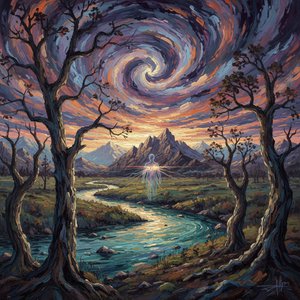
Beyond Reality: Capturing Emotion Through the Soul of Expressionist Landscapes
Explore the profound emotional depth of Expressionist landscapes. Discover how masters use color, texture, and light to transcend reality, capturing the raw essence of nature through an art-historical lens for the true connoisseur.

