
 Náhľad v interiéri
 Odoslať ako digitálnu kartu
 Zdieľať
 Podrobnosti o dielo
 Príručka

 Stiahnuť obraz
 Podobné položky
 RTG skúška
 Prehliadanie diapozoje
 Otázky a odpovede
 Štatistiky
On outpost
 Zobraziť viac
Giclée / Umenotlač
Giclée tlač alebo plátno múzeálnej kvality s rýchlou výrobou a rôznymi možnosťami povrchovej úpravy. ( Kúpiť ručne maľovaný obraz Prepnúť na digitálny obraz)




































Vyberte si z našich preddefinovaných rozmerov, ktoré zodpovedajú pôvodným pomeroḿ diela.

Zadajte šírku a výšku, ktoré potrebujete, aby sa reprodukcia hodila k vášmu rámu alebo stene. Print možno len orezávať, nikdy však nemennú veľkosť zvětšiť oproti pôvodnému obrázku, preto pri inom formáte stráca časť obrazu. Pred samotným vytlačiacím procesom vám pošleme digitálny náhľad na schválenie. Obrázok zobrazený na tejto stránke nezobrazuje reálny rez — len digitálny náhľad ukazuje presný výsledok.
Celosvetová doprava () do 2 týždňov namiesto štandardných 4 až 5 týždňov. (15 november)

Bezplatná expresná doprava po celom svete

Vysokokvalitné lnianske plátno

Kompletné poistenie prepravy

Záruka vrátenia colného poplatku

Záruka presného farebného zhodnutia

100-dená politika vrátenia tovaru (iba pri vadách)

100% záruka vrátenia peňazí

Zľava pri väčšom množstve
 Možnosť skla je dostupná len pri rozmeroch pod 110 cm

On outpost
Giclée / Umenotlač
Veľkosť reprodukcie
-


Celková cena
€ 72
Biografia umelca
The Quiet Observer: The Life and Legacy of Georg Friedrich Kersting
In the grand tapestry of German Romanticism, where dramatic peaks and tempestuous skies often dominate the visual narrative, there exists a more intimate, whispered beauty found in the works of Georg Friedrich Kersting. Born in 1785 in the modest village of Gostendorf to a glazier, Kersting’s journey from humble beginnings to the heights of Prussian artistic prestige is a testament to a life dedicated to the profound observation of the everyday. His early training at the Copenhagen Academy between 1805 and 1808 provided him with a foundation of stylistic clarity and meticulous draughtsmanship, earning him a silver medal and instilling in him a precision that would become his artistic hallmark.
Kersting’s life was not merely one of quiet studio contemplation; it was deeply intertwined with the turbulent political currents of his era. Upon moving to Dresden in 1808, he joined the Lützow Free Corps, a patriotic volunteer unit, embodying the spirit of national reform and service. This period of military involvement likely sharpened his eye for detail and human character, experiences that would later inform the psychological depth found in his paintings. It was during this era that he forged one of the most significant artistic bonds of the nineteenth century through his relationship with Caspar David Friedrich. Walking together through the rugged landscapes of the Riesengebirge, Kersting acted as both a companion and a collaborator, producing preparatory drawings that would serve as vital inspirations for Friedrich’s more monumental, sublime landscapes.
The Art of the Intimate: Style and Technique
While his mentor, Friedrich, sought to capture the infinite and the divine through overwhelming natural phenomena, Kersting found his calling in the Biedermeier tradition—a style characterized by a retreat into the domestic, the cozy, and the tranquil. He mastered the genre of interior scenes, transforming simple rooms into stages for quiet human drama. His technique was a sophisticated blend of Romantic sensitivity and a reverence for the seventeenth-century Dutch masters. By employing subtle nuances of light and color, Kersting could breathe life into a sunlit corner or a shadowed study, imbuing domesticity with a sense of dignity and timelessness.
His work is defined by several key artistic elements:
- Meticulous Realism: A dedication to the precise rendering of textures, from the grain of wooden furniture to the soft folds of fabric.
- Psychological Depth: The ability to capture fleeting moments of contemplation or quiet interaction, suggesting a rich inner life within his subjects.
- Luminous Atmosphere: A masterful use of light to create a sense of warmth and peace, often focusing on the way natural light enters a domestic space.
- The Beauty of the Ordinary: An elevated focus on everyday objects and scenes, finding profound meaning in the mundane aspects of life.
Historical Significance and Artistic Endurance
The historical importance of Georg Friedrich Kersting lies in his ability to bridge the gap between the sweeping emotionalism of Romanticism and the grounded, observational realism of the Biedermeier period. He provided a necessary counterpoint to the era's more grandiose movements, offering a window into the soul of the German middle class and the sanctity of the private sphere. His collaborations and his ability to translate the spirit of his time into intimate visual poetry ensure his place as a vital figure in European art history.
Through his paintings, Kersting invites us to slow our pace and find wonder in the stillness. He reminds us that greatness is not only found in the epic or the extraordinary, but in the quiet, light-filled moments of our shared human experience. His legacy remains a profound celebration of the beauty found within the boundaries of the home and the heart.

Georg Friedrich Kersting
1785 - 1847 , Germany
Základné informácie
- Full Name: Georg Friedrich Kersting
- Nationality: German
- Date Of Birth: 1785
- Date Of Death: 1847
- Place Of Birth: Gostendorf, Germany
- Notable Artworks:
- The Embroiderer
- Morning in the Riesengebirge
- Artistic Movement Or Style: Biedermeier
- Artists Who Influenced This Artist: Caspar David Friedrich
- Artists Or Movements Influenced By This Artist: Dutch Genre Painting
Súvisiace články
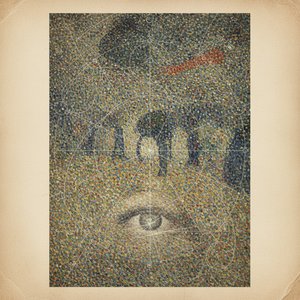
Georges Seurat: Pointillism, Perception & the Scientific Foundations of Modern Art
Explore the revolutionary art of Georges Seurat and the science behind Pointillism. Discover chromoluminarism, optical mixing, and the lasting impact of Neo-Impressionism on modern art history.