
 Zobraziť v interiéri
 Odoslať
 Zdieľať
 Podrobnosti
 Príručka

 Stiahnuť
 Podobné položky
 RTG skúška
 Prehliadanie diapo\]
 Štatistiky
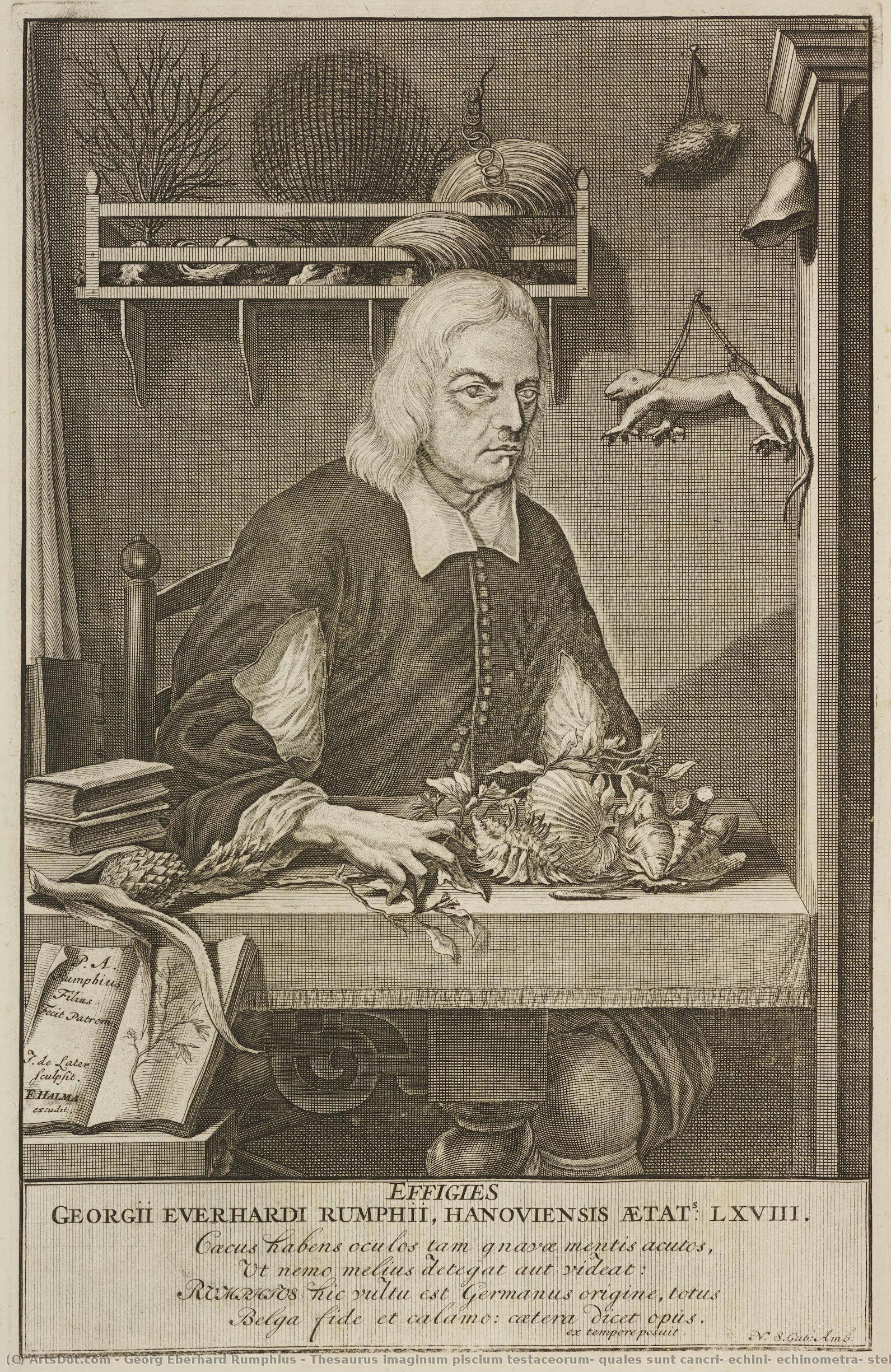
Thesaurus imaginum piscium testaceorum; quales sunt cancri, echini, echinometra, stellae marinae,


 Prečítať si viac
Kúpte si digitálnu snímku vo vysokom rozlíšení s vylepšenými detailmi, ktorá je oveľa kvalitnejšia než online náhľad.
Každý súbor starostlivo pripravujú naši interní špecialisti pomocou pokročilých nástrojov a odborného manuálneho retušovania. Zabezpečujeme, aby každý obrázok disponoval výnimočnou čistotou, presnou farebnou vernosťou a jemnými detailmi.
Konečný súbor vám bude doručený e-mailom do 72 hodín, optimalizovaný pre okamžité použitie v profesionálnom, redakčnom aj tlačovom prostredí. Ponúkame rovnakú kvalitu, ktorej dôverujú špičkové dizajnérske štúdiá, vydavateľstvá a galérie.
Digitálny obraz
Stiahnite si vysokorozlíšený súbor na osobné zobrazovanie, tlačenie a kreatívne projekty. ( Prepnúť na tlač Objednať ručne maľovanú reprodukciu)
Súčasťou každej objednávky digitálneho obrazu
Profesionálne digitálne doručenie, garantované
Keď si vyberiete OriginalUniqueArt.com, nezískate len obyčajný obrázok – získate profesionálne upravené digitálne umenie, vytvorené s maximálnou precíznosťou a podložené zárukou vašej spokojnosti. Tu je všetko, čo je súčasťou vašej objednávky automaticky:

Rýchle doručenie e-mailom
Vaša vysokorozlíšená digitálna súprava obrázkov vám bude zaslaná e-mailom do 72 hodín od objednávky – pripravená na okamžité použitie.

Digitálny súbor s vylepšením AI
Vaše dielo je profesionálne optimalizované pomocou pokročilých nástrojov umelej inteligencie a manuálnej úpravy, čo zaručuje maximálnu mieru detailov, čistotu a presnosť farieb.

Bezplatné celoživotné opätovné doručenie
Súbor ste náhodou zmazali alebo ste ho stratili? Nebojte sa – kedykoľvek vám ho môžeme poslať znova, úplne bez poplatkov.

Bez poplatkov za dovoz – navždy
Užite si svoje umelodelo okamžite bez colných poplatkov, daní alebo nákladov na dopravu – digitálne stiahnutia sú vždy oslobodené od dane.

Garantovaná presnosť farieb
Pomocou profesionálnych nástrojov a farebného manažmentu zabezpečujeme, aby vaša digitálna fotografia čo najpresnejšie odrážala pôvodné farby.

Záruka spokojnosti 100 dní
Ak nebudete spokojní so svojím digitálnym obrázkom, upravíme ho alebo vám v priebehu 100 dní vrátime 100% – bez zbytočných otázok.

100% Záruka vrátenia peňazí
Nie ste spokojní? Získajte plnú náhradu platby do 100 dní od prijatia digitálneho súboru – bez zbytočných otázok.

Zľavy pri veľkom odbere
Pri kúpe 3 obrázkov získate zľavu 10% - Pri kúpe 5 obrázkov získate zľavu 15% - Pri kúpe 10+ obrázkov získate zľavu 20%. Ideálne pre kreatívne projekty, galérie a agentúry.
Biografia umelca
Domenico Piola: The Architect of Genoese Ceilings
Domenico Piola, born in Genoa around 1627 and passing away in 1702, stands as a pivotal figure in the artistic landscape of his era – a true master of the Baroque period. More than simply a painter, he was the driving force behind the Piola family studio, a prolific workshop that dominated the decoration of ceilings throughout Genoa for nearly a century. His legacy isn’t defined by individual masterpieces hanging in grand museums, but rather by the sheer scale and enduring beauty of his contributions to countless churches and palaces across the city. Piola's influence extended beyond mere aesthetics; he was a meticulous planner, a skilled designer, and a shrewd manager, orchestrating a complex operation that produced an astonishing volume of decorative work.- Early Influences & Training: Piola’s artistic journey began under the tutelage of his older brother-in-law, Stefano Camogli, a respected Genoese painter. However, it was his connection to his even more accomplished brother, Pellegrino Piola, and the guidance of Pellegrino's teacher, Giovanni Domenico Cappellino – a prominent figure in the Roman Baroque – that truly shaped his style. Cappellino’s influence is particularly evident in Piola’s early works, characterized by a refined elegance and a masterful command of color and composition.
- The Rise of Casa Piola: Following Pellegrino's death, Domenico inherited the family studio, which quickly evolved into “Casa Piola.” This wasn’t merely a workshop; it was a fully integrated design and production center. The studio employed a team of skilled artisans – including Domenico’s brothers, Stefano Camogli, his sons, and even his sons-in-law – each contributing to the creation of elaborate ceiling decorations. This collaborative approach streamlined the process, allowing for the rapid execution of numerous commissions and establishing a distinctive style that became synonymous with the Piola name.
A Symphony of Color and Composition: The Style of Domenico Piola
Piola’s artistic signature is immediately recognizable – a vibrant, theatrical Baroque style infused with a distinctly Genoese sensibility. He wasn't interested in replicating existing styles; instead, he developed a unique approach that prioritized dynamism, illusionism, and an overwhelming sense of grandeur. His ceiling frescoes are not static images but rather immersive environments, designed to transport the viewer into a world of heightened emotion and spectacle.- Technique & Materials: Piola was renowned for his exceptional skill in *trompe-l'oeil* – creating the illusion of three-dimensional space on a flat surface. He employed a sophisticated understanding of perspective, light, and shadow to achieve this effect, often incorporating architectural elements, figures, and even landscapes that seemed to extend beyond the confines of the ceiling. His use of color was equally masterful, employing rich pigments and carefully calibrated harmonies to create dazzling visual effects.
- Thematic Elements: Piola’s decorations frequently featured allegorical scenes, religious narratives, and mythological subjects. He skillfully integrated these themes into the architectural context of each space, transforming churches and palaces into grand stages for divine stories and heroic tales. The *Palazzo Rosso* in Genoa is a prime example, where his depictions of the four seasons – Autumn, Winter, Spring, and Summer – are particularly celebrated for their dramatic intensity and meticulous detail.
Notable Works & Commissions
Piola’s prolific output resulted in an astonishing number of commissions throughout Genoa and beyond. While many of these works have been lost or damaged over the centuries, several remain as testaments to his skill and influence.- Palazzo Rosso (Genoa): His depictions of the four seasons within the Palazzo Rosso are arguably his most famous achievement. The dramatic intensity of Winter and Autumn, in particular, have been widely praised for their masterful use of color and composition.
- Churches throughout Genoa: Piola decorated numerous churches across the city, including the Duomo di San Lorenzo, the Chiesa di Santa Croce, and the Cappella di San Carlo Borromeo. His work in these spaces demonstrates his versatility and ability to adapt his style to different architectural contexts.
- Milan & Other Commissions: In 1684-85, Piola traveled to Milan, Piacenza, Bologna, and Asti, undertaking decorative projects for prominent patrons. These commissions further expanded his artistic repertoire and exposed him to new influences.
Legacy and Historical Significance
Domenico Piola’s impact on the art of Genoa is undeniable. He not only elevated the status of Genoese painting but also established a workshop that would shape the city's visual landscape for generations. His meticulous planning, innovative techniques, and collaborative approach revolutionized the process of ceiling decoration, transforming it from a craft-based activity into a sophisticated artistic endeavor. While his individual works may be less frequently exhibited than those of other Baroque masters, Piola’s legacy lives on in the countless ceilings that adorn the churches and palaces of Genoa – a vibrant testament to the genius of this remarkable artist. His work represents a crucial link between Italian Baroque painting and the development of decorative arts in Northern Europe, solidifying his place as a significant figure in European art history.
georg eberhard rumphius
1627 - 1702 , Germany
Rýchle fakty
- Artistic Movement Or Style: Baroque
- Artists Or Movements Influenced By This Artist: ['Casa Piola Studio']
- Artists Who Influenced This Artist:
- Stefano Camogli
- Giovanni Domenico Cappellino
- Date Of Birth: 1627
- Date Of Death: 1702
- Full Name: Domenico Piola
- Nationality: Italian
- Notable Artworks:
- Communion of Clare of Montefalco
- Decoration Palazzo Rosso
- Place Of Birth: Genoa, Italy