

 Náhľad
 Odoslať
 Zdieľať
 Podrobnosti o dielo

 Stiahnuť
 Podobné diela
 RTG skúška
 Prezentácia
 Štatistiky
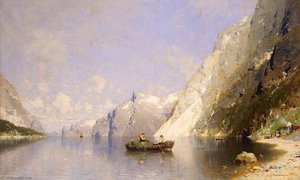
Untitled (AQVJ9F)
 1914
1914 87.0 x 635.0 cm
 Zobraziť viac
Giclée / Umenotlač
Giclée tlač alebo plátno múzeálnej kvality s rýchlou výrobou a flexibilnými možnosťami povrchovej úpravy. ( Kúpiť ručne maľovaný obraz Prepnúť na digitálny obraz)




































Vyberte si z našich preddefinovaných rozmerov, ktoré zodpovedajú pôvodným pomeroḿ diela.

Môžete zadať vlastné rozmery, aby sa reprodukcia prispôsobila konkrétnemu rámu alebo priestoru. Ak zvolená veľkosť nebude zodpovedať proporciám originálu, dielo buď orežeme, alebo obraz rozšírime pomocou zrkadlenia či farebného doplnenia okrajov. Pred začatím výroby vám pošleme digitálnu ukážku na schválenie.
Máte na vedomí, že náhľad na obrazovke neodzrkadľuje skutočné orezanie alebo rozšírenie. Len digitálna ukážka presne zobrazí finálnu kompozíciu.
Hoci sú k dispozícii vlastné rozmery, pre zachovanie pôvodných proporcií odporúčame vybrať si rozmer z vopred definovaného zoznamu.
Celosvetová doprava () do 2 týždňov namiesto štandardných 4/5 týždňov. (17 september)

Bezplatná expresná doprava po celom svete

Prémiové lnianske plátno

Kompletné poistenie prepravy

Záruka vrátenia colného poplatku

Záruka presného farebného zhodnutia

100-dená politika vrátenia tovaru (iba pri vadách)

100% záruka vrátenia peňazí

Výhodná množstevná zľava
 Možnosť skla je dostupná len pri rozmeroch pod 110 cm

Untitled (AQVJ9F)
Giclée / Umenotlač
Veľkosť reprodukcie
-


Celková cena za vybrané možnosti
$ 80
Biografia umelca
A Brush with the Nordic Soul: The Life and Art of Georg Anton Rasmussen
Georg Anton Rasmussen, born in 1842 and passing in 1914, remains a captivating figure within the landscape tradition of 19th-century German painting. Though not as widely celebrated as some of his contemporaries, Rasmussen’s evocative depictions of Norwegian fjords and coastal scenes possess a unique atmospheric quality that continues to resonate with art lovers today. His life, while relatively undocumented, appears deeply intertwined with the landscapes he so passionately portrayed – a dedication born perhaps from an early connection to the natural world. While biographical details are scarce, it is known that Rasmussen spent significant time in Norway, absorbing its dramatic beauty and translating it onto canvas with a distinctive palette knife technique. He wasn’t merely *recording* scenery; he was interpreting it through a lens of personal feeling, imbuing his works with a sense of quiet contemplation and the sublime power of nature.The Norwegian Influence: A Palette of Light and Shadow
Rasmussen's artistic journey was profoundly shaped by Norway’s breathtaking vistas. The country’s majestic fjords – deep inlets carved by glaciers, flanked by towering cliffs and cascading waterfalls – became his primary subject matter. Unlike the meticulous detail favored by some landscape artists, Rasmussen embraced a more impressionistic approach, prioritizing atmosphere and emotional impact over precise representation. His paintings are characterized by bold brushstrokes, often applied with a palette knife to create a textured surface that mimics the ruggedness of the Norwegian terrain. This technique lends his works a sense of immediacy and physicality; one can almost feel the chill of the Nordic air and hear the roar of the waves crashing against the shore. The light in Rasmussen’s paintings is particularly noteworthy – he masterfully captured the subtle nuances of the northern sky, from the soft glow of twilight to the dramatic contrasts of sunlight and shadow. He wasn't simply painting *what* he saw, but rather *how* it felt to be immersed within that environment.Technique and Style: Beyond Realism
Rasmussen’s distinctive style sets him apart from many of his contemporaries. While rooted in the realist tradition, his work transcends mere imitation of nature. The heavy impasto created by his palette knife technique is central to this effect. This wasn't a matter of simply applying paint; it was a deliberate attempt to capture the very *essence* of the landscape – its texture, its weight, its energy. The thick layers of pigment create a three-dimensional quality that draws the viewer into the scene. He often employed a limited color palette, focusing on blues, greens, grays, and browns to evoke the somber beauty of the Nordic environment. However, within this restrained range, he achieved remarkable depth and luminosity through subtle variations in tone and value. His paintings are not about vibrant spectacle; they’re about quiet power and enduring presence. This approach aligns him with a broader movement towards atmospheric realism that was gaining momentum in Europe during the late 19th century, though his focus on Norwegian landscapes remained uniquely personal.Legacy and Historical Context
Though Rasmussen did not achieve widespread fame during his lifetime, his work has experienced a resurgence of interest in recent years. His paintings offer a compelling glimpse into the artistic sensibilities of the 19th century – a period marked by both a fascination with realism and a growing desire to capture subjective experience. He stands as an important example of artists who sought to move beyond mere representation and explore the emotional power of landscape.- His work reflects the Romantic tradition’s emphasis on nature's sublime beauty.
- He contributed to the development of atmospheric realism in German painting.
- Rasmussen’s paintings provide valuable insights into the cultural and artistic exchange between Germany and Norway during the 19th century.
georg anton rasmussen
1842 - 1914