
 Náhľad
 Odoslať
 Zdieľať
 Podrobnosti o dielo

 Stiahnuť
 Podobné diela
 RTG skúška
 Prezentácia
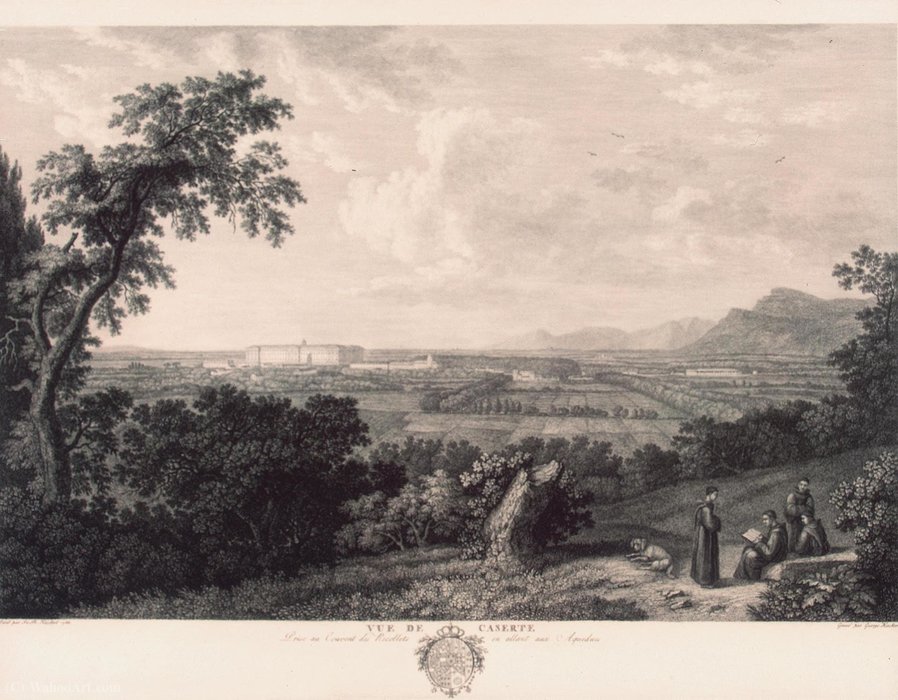
View of Caserta

 Zobraziť viac
Ručne maľovaná olejová reprodukcia
Ručne maľovaný olej na plátne vo vašej zvolenej veľkosti a v ráme, vyrobený na mieru našimi umelcami. ( Kúpiť tlač Kúpiť obrázok)




































Vyberte si z našich preddefinovaných rozmerov, ktoré zodpovedajú pôvodným pomeroḿ diela.

Môžete zadať vlastné rozmery tak, aby sa hodili do konkrétneho rámu alebo priestoru. Ak sa váš zvolený rozmer nezhoduje s pôvodnými proporciami obrazu, dielo buď orezáme, alebo ho doplníme ručne maľovanými prvkami. Pred začiatkom výroby vám zašleme digitálny náhľad na schválenie.
Upozorňujeme, že ukážka na obrazovke neodráža skutočné orezanie alebo doplnenie. Skutočnú finálnu kompozíciu zobrazuje iba digitálny náhľad.
Hoci sú k dispozícii vlastné rozmery, odporúčame vybrať rozmer z preddefinovaného zoznamu, aby sme zachovali pôvodné proporcie.
Po odoslaní objednávky vám tím OriginalUniqueArt.com pošle e-mail s pokynmi a poskytne náhľad na návrh.
Celosvetová doprava () za 3 až 4 týždne namiesto štandardných 5 týždňov. (22 august). Bez kompromisov v kvalite.

Bezplatná expresná doprava po celom svete

Prémiové lnianske plátno

Kompletné poistenie prepravy

Záruka vrátenia colného poplatku

Záruka presného farebného zhodnutia

60-dňá politika vrátenia (iba pri defektoch)

100% záruka vrátenia peňazí

Výhodná množstevná zľava
 Možnosť skla je dostupná len pri rozmeroch pod 110 cm

View of Caserta
Technika reprodukcie
Veľkosť reprodukcie
-


Celková cena za vybrané možnosti
$ 325
Biografia umelca
Georg Abraham Hackert: A Romantic Observer of Hungary and Berlin
Georg Abraham Hackert (1755-1805) stands as a pivotal figure in the transition between the late Baroque and the burgeoning Romanticism of German art. Born in Prenzlau, Prussia – now part of Germany – his life was inextricably linked to the shifting political landscape of 18th-century Europe, particularly through his extensive travels and artistic engagements in Hungary and Berlin. Hackert’s work isn't defined by grand, heroic narratives; instead, he offered a remarkably intimate and observant portrayal of everyday life, rural landscapes, and the remnants of history – a style that resonated deeply with the Romantic sensibility’s focus on emotion, nature, and the past.Early Life and Artistic Training
Hackert's early artistic training remains somewhat shrouded in mystery, though it’s known he began his career as an assistant to Johann Christian Fieger, a painter working in Berlin. This initial apprenticeship provided him with foundational skills in portraiture and decorative painting. However, Hackert quickly developed a fascination with engraving, a medium that allowed him to meticulously capture detail and explore the interplay of light and shadow – qualities crucial to his later landscape work. He honed his engraving skills under the tutelage of Johann Christian Fieger’s assistant, Carl Wilhelm von Nauck, further solidifying his technical expertise. Crucially, Hackert's early exposure to Prussian court life and the burgeoning interest in archaeological discoveries—particularly Roman ruins—would profoundly shape his artistic vision.Hungary: A Landscape of Transformation
In 1778, Hackert embarked on a pivotal journey to Hungary, commissioned by Frederick the Great of Prussia to document the country’s landscape and its transformation following the Habsburg-Turkish War. This extended sojourn proved transformative, both artistically and personally. He spent nearly two decades immersed in Hungarian life, capturing scenes of rural communities, peasant labor, and the dramatic beauty of the Hungarian plains. Unlike many artists who idealized nature, Hackert presented a more nuanced view – one that acknowledged the hardships faced by the peasantry while simultaneously celebrating the region’s rugged charm. His etchings and engravings from this period, such as “View of Vietri” and “View of the Environs of Carpentras,” are characterized by their meticulous detail, atmospheric perspective, and a subtle sense of melancholy. He wasn't simply recording scenery; he was attempting to capture the spirit of a people and a land undergoing significant change.Berlin: Portraits and Historical Scenes
Returning to Berlin in 1798, Hackert established himself as a respected portrait painter and continued his work on historical subjects. He produced numerous portraits of prominent figures, demonstrating a keen ability to capture character and personality. His engagement with the Prussian court provided him with access to luxurious settings and opulent costumes, which he rendered with remarkable accuracy. Simultaneously, he revisited themes from his Hungarian period, creating engravings that explored the ruins of Roman sites – a fascination rooted in his earlier experiences. Works like “Ruins of the Augustan Bridge at Narni” exemplify this blend of historical awareness and Romantic sensibility, presenting ancient structures not as relics of a distant past but as evocative reminders of human ambition and decay.Legacy and Influence
Georg Abraham Hackert’s legacy lies in his ability to bridge the gap between Neoclassicism and Romanticism. He was a master of observation, meticulously documenting the details of everyday life and the beauty of the natural world. His work anticipated many of the key themes of the Romantic movement – the importance of emotion, the fascination with nature, and the exploration of the past—though he did so through a distinctly German lens. His detailed engravings served as models for later generations of landscape artists, while his portraits offered insightful glimpses into the personalities of 18th-century Europe. Hackert’s influence can be seen in the works of Caspar David Friedrich and other prominent Romantic painters who followed in his footsteps, solidifying his place as a significant figure in the development of German art. His work continues to resonate today through its evocative depictions of human experience and the enduring power of landscape.
georg abraham hackert
1755 - 1805 , Germany
Základné informácie
- Artistic Movement Or Style: Romanticism
- Artists Or Movements Influenced By This Artist: ['Romantic Landscapes']
- Artists Who Influenced This Artist: ['Philipp the Younger']
- Date Of Birth: 1755
- Date Of Death: 1805
- Full Name: Georg Abraham Hackert
- Nationality: German
- Notable Artworks:
- View of Vietri
- View of Carpentras
- Ruins of Narni Bridge
- Place Of Birth: Prenzlau, Germany
Súvisiace články

Engraving: A Historical Survey of Technique, Artistic Expression & Enduring Legacy
Explore the rich history of engraving with OriginalUniqueArt. Discover techniques, iconic artists like Dürer & Callot, collecting tips, and expert guidance for preserving your art investment. Learn about intaglio printing & more!

Katsushika Hokusai: 25 Majstrovských Diel pre Krásu Vášho Domova | OriginalUniqueArt.com
Ponorte sa do sveta Katsushika Hokusaiho a objavte 25 jeho najznámejších umeleckých diel. Ukiyo-e, The Great Wave, Fujiyama – príbehy za ikonickými obrazmi. Kvalitné reprodukcie pre váš domov na OriginalUniqueArt.com.
Top 10 legendárnych rytín, ktoré navždy zmenili umenie | OriginalUniqueArt.sk
Objavte top 10 legendárnych rytín od Dürera, Rembrandta a Goya! Prežite príbeh majstrov grafiky a ich nadčasových diel. Kvalitné reprodukcie obrazov pre váš interiér na OriginalUniqueArt.sk. Preskúmajte kolekciu online!

Top 10 Majstrov Romantickej Krajinomaľby: Obrazy, ktoré zmenili svet umenia
Ponorte sa do sveta romantickej krajinomaľby! Objavte top 10 majstrovských diel od Friedricha, Turnera a ďalších. Historické obrazy prírody s nádychom emócií. Reprodukcie obrazov pre váš interiér na OriginalUniqueArt.com.

The Intricate World of Engraving: A Historical Survey of Technique, Artistic Expression & Enduring Legacy
Explore the rich history of engraving with OriginalUniqueArt. Discover techniques, iconic artists like Dürer & Callot, collecting tips, and expert guidance for preserving your art investment. Learn about intaglio printing & more!

