
 Náhľad v interiéri
 Odoslať ako digitálnu kartu
 Zdieľať
 Podrobnosti o dielo
 Príručka

 Stiahnuť obraz
 Podobné položky
 RTG skúška
 Prehliadanie diapozoje
 Q&A
Q&A Štatistiky
A Turkish Janissary


 Zobraziť viac
Giclée / Umenotlač
Giclée tlač alebo plátno múzeálnej kvality s rýchlou výrobou a rôznymi možnosťami povrchovej úpravy. ( Kúpiť ručne maľovaný obraz Prepnúť na digitálny obraz)




P118B €10

P118H €10

P118W €10

P438Z €10

P508JH €12

P508YH €12

P805H €10

P805Z €10

P919BZ €10

P919G €10

P919XJ €10

P959ZH €10

P968JZ €12

W106C €8

W218G €10

W218JH €8

W218Y €10

W307PJ €10

W316G €10

W316PJ €8

W316Y €10

W398PJ €8

W4111J €10

W500HY €15

W500JH €15

W692G €12

W849H €8

W940BG €15

W953PJ €8




Vyberte si z našich preddefinovaných rozmerov, ktoré zodpovedajú pôvodným pomeroḿ diela.

Zadajte šírku a výšku, ktoré potrebujete, aby sa reprodukcia hodila k vášmu rámu alebo stene. Print možno len orezávať, nikdy však nemennú veľkosť zvětšiť oproti pôvodnému obrázku, preto pri inom formáte stráca časť obrazu. Pred samotným vytlačiacím procesom vám pošleme digitálny náhľad na schválenie. Obrázok zobrazený na tejto stránke nezobrazuje reálny rez — len digitálny náhľad ukazuje presný výsledok.
Celosvetová doprava () do 2 týždňov namiesto štandardných 4 až 5 týždňov. (1 november)

Bezplatná expresná doprava po celom svete

Vysokokvalitné lnianske plátno

Kompletné poistenie prepravy

Záruka vrátenia colného poplatku

Záruka presného farebného zhodnutia

100-dená politika vrátenia tovaru (iba pri vadách)

100% záruka vrátenia peňazí

Zľava pri väčšom množstve
 Možnosť skla je dostupná len pri rozmeroch pod 110 cm

A Turkish Janissary
Giclée / Umenotlač
Veľkosť reprodukcie
-


Celková cena
€ 71
The Canvas of a Moment: Gentile Bellini’s “A Turkish Janissary”
Gentile Bellini's "A Turkish Janissary," painted circa 1480-1481, isn’t merely a depiction of a soldier; it’s a vibrant snapshot of a pivotal moment in Ottoman and Venetian history. This arresting portrait transcends the typical military subject matter, offering a glimpse into the complex interplay between two vastly different cultures – Venice, the maritime republic, and the burgeoning Ottoman Empire. Bellini, a master painter deeply influenced by Eastern aesthetics, skillfully captures the figure of a Janissary, the elite infantry force that formed the backbone of the Sultan’s army, within a meticulously rendered Venetian setting.
The painting immediately draws the eye to the central subject: a powerfully built man seated on the ground, his posture radiating both authority and a subtle weariness. His attire—a richly adorned tunic, a feathered hat, and the distinctive weaponry of a Janissary – speaks volumes about his status and role within the Ottoman military hierarchy. Bellini’s masterful use of chiaroscuro, the dramatic contrast between light and shadow, imbues the scene with an almost theatrical quality. The strong directional lighting highlights the figure's musculature and armor, emphasizing his strength and readiness for battle, while simultaneously casting a sense of solemnity over the composition.
- Style: Early Renaissance – blending Venetian realism with influences from the East.
- Technique: Primarily tempera on panel, showcasing Bellini’s innovative use of oil paint for richer colors and smoother transitions.
- Composition: A dynamic arrangement that balances formality and intimacy, reflecting the subject's importance.
Echoes of the Devşirme System and Imperial Ambition
Understanding “A Turkish Janissary” requires acknowledging the historical context surrounding its creation. The painting emerged during a period of intense diplomatic and military exchange between Venice and the Ottoman Empire. The Venetian Senate, recognizing the strategic importance of maintaining a balance of power in the Eastern Mediterranean, dispatched Bellini to Constantinople as part of an official delegation. This mission wasn’t solely artistic; it was also a calculated attempt to foster goodwill and secure trade agreements. The Janissaries themselves were products of the ‘devşirme’ system – a unique Ottoman practice of forcibly recruiting Christian boys from the Balkans, converting them to Islam, and training them as elite soldiers. This system, both brutal and ingenious, provided the Ottomans with a highly disciplined and loyal military force.
Bellini's decision to portray a Janissary in such detail—capturing his armor, weaponry, and even subtle facial expressions—suggests a genuine interest in understanding this enigmatic warrior culture. The inclusion of two other figures in the background, though less distinct, hints at a broader scene, perhaps depicting the Janissary’s duties or interactions within Ottoman society. The painting subtly reflects the ambition of both empires – Venice seeking to maintain its maritime dominance and the Ottomans striving to consolidate their power across vast territories.
Symbolism and the Fusion of Cultures
Beyond a simple portrait, “A Turkish Janissary” is laden with symbolic meaning. The Janissary’s pose—seated on the ground, holding his weapons—evokes both strength and vulnerability. The contrast between the soldier's attire and the Venetian landscape underscores the cultural divide between East and West. Bellini’s use of vibrant colors – particularly the rich reds and blues – reflects the opulent aesthetic favored in Ottoman art, a deliberate attempt to bridge the gap between these two distinct visual traditions.
The inclusion of the Janissary's bow suggests his role as a skilled archer, highlighting his military prowess. The carefully rendered details of his armor and weaponry speak to the sophistication of Ottoman military technology.A Legacy of Artistic Exchange
“A Turkish Janissary” stands as a remarkable testament to the artistic exchange that occurred between Venice and the Ottoman Empire during this period. Bellini’s painting not only provides valuable insights into the lives and customs of the Janissaries but also reveals the Venetian artist's fascination with Eastern cultures. Reproductions of this iconic work continue to captivate audiences today, offering a window into a fascinating chapter in European and Ottoman history—a story told through the evocative brushstrokes of one of Venice’s greatest masters.
Otázky a odpovede
Ako "A Turkish Janissary" vyvažuje svetlo a tieň?
Jasnosť diela „A Turkish Janissary“ od Gentile Bellini je zaznamenaná ako brilliant pri luminancii Luminous.
Do ktorej časti domova sa hodí reprodukcia diela „A Turkish Janissary“?
Reprodukcia diela „A Turkish Janissary“ sa skvele hodí do Living Room.
Akú náladu a emóciu v sebe spája dielo „A Turkish Janissary“?
V diele „A Turkish Janissary“ sprevádza Calm nálada Reflective emóciu.
Biografia umelca
Majster benetského renesancie
Gentile Bellini, narodený vo Venecii v roku 1429, pochádza z rodiny hlboko zakorenenej v umeleckom srdci mesta. Jeho otec, Jacopo Bellini, bol vizionárskou postavou, ktorá prijala vtedaj relatívne nové médium olejnej farby, a jeho mladší brat Giovanni neskôr dosiahol slávu ako jeden z najslávnejších vénetských majstrov. Gentilovo rané vzdelávanie sa odohrávalo v otcovskej dielni, kde si osvojil techniky, ktoré mu neskôr definovali celú kariéru. Jedna z najstarších prežívajúcich olejomalieb vo Venecii, Blahoslavený Lorenzo Giustinian (1445), slúži ako dôkaz tejto rané zručnosti a dnes je uložená v múzeu Accademia. Od týchto začiatkov sa sa Gentile rýchlo odlíšil, získal uznanie za svoj mimoriadny talent v portrétnej tvorbe a zabezpečil si pozíciu oficiálneho malára dogov – vládcov Venecie. Táto prestížna rola mala hlboký vplyv na jeho umeleckú dráhu a postavila ho do samého centra vénetskej moci a spoločnosti.Vplyvy a umelecký rozvoj
Štýl Gentileho Belliniho bol fascinujúcou syntézou rozmanitých vplyvov. Bohaté tradície Byzantskej empire vrhali dlhý tieň na vénetské umenie a prelievali ho špecifickou estetikou, ktorá sa v Gentilových dielach prejavovala prostredníctvom stylizovaných postáv a opulentných farebných paliet. Jeho umelecké obzory sa však dramaticky rozšírili po mimoriadnej ceste do Konštantínopola v roku 1479. Na pozvánku samotného sultána Mehmeda II. strávil Bellini čas na osmanskom dvore, čo bola skúsenosť, ktorá sa ukázala ako kľúčová pre jeho neskoršiu tvorbu. Toto stretnutie s inou kultúrou, architektúrou a spôsobom života vnieslo do jeho malieb jedinečnú perspektívu. Jeho portrét Mehmeda II., ktorý dnes sídli v National Gallery v Londýne, je striking príkladom tohto vplyvu – pútavým zobrazením moci a osobnosti podloženým priamym pozorovaním. Gentilove kompozície často predstavujú monumentálne scény osadené početnými postavami, čo odráža požiadavky na zakázky od mocných vénetských Scuole Grandi, významných bratrstiev, ktoré zohrávali vitálnu úlohu v občianskom živote.Majstrovské diela a umelecké oddedičstvo
Medzi najslávnejšie diela Gentileho Belliniho patria dve monumentálne maľby: Procesia Pravého Kríža na Piazza San Marco (1496) a Zázrak Pravého Kríža pri moste S. Lorenzo (okolo roku 1500). Prvá z nich je úchvatnou panorámou vénetskejších životov, ktorá zachytáva energiu a veľkoleposť náboženskej procesie s nesmiernou detailnosťou. Demonštruje jeho schopnosť vykresliť veľké davy a zložité architektonické prostredia s pozoruhodnou presnosťou. Maľba Zázrak Pravého Kríža pri moste S. Lorenzo je obzvlášť významná pre začlenenie autoportrétov – samotného Gentileho a jeho brata Giovannya Belliniho. Táto jemná umelecká spolupráca ponúka fascinujúci pohľad na ich vzájomný vzťah a tvorivý dialóg. Okrem jednotlivých obrazov si Gentile Bellini predstavuje dôležité miesto v dejinách umenia ako jeden z zakladateľov orientalistického smeru – hnutia charakterizovaného zobrazením východných kultúr a prostredia.Historický význam
Gentileho Belliniho oddedičstvo stojí na niekoľkých kľúčových úspechoch. Jeho pionierske používanie olejnej farby upevnilo jej pozíciu ako dominantného média v vénetskom malierstve, čo umožnilo dosiahnuť väčšiu detailnosť, svetlosť a realizmus. Okrem toho ho jeho kontakt s osmanskou kultúrou a následné začlenenie východných motívov do jeho tvorby etablovalo ako významnú postavy vo vývoji orientalistického umenia – trendu, ktorý fascinoval európskych umelcov po stáročia. Hoci je často zastinený slávou svojho brata Giovanna, príspevky Gentileho Bellujú sa dnes široko uznávajú ako nevyhnutné pre pochopenie evolúcie západneho malířstva. Umelecky majstrovsky skombinoval vénetské tradície s vplyvmi Byzantskej empire aj osmanskej kultúry a vytvoril jedinečný, pútavý štýl, ktorý rezonoval po celej Európe. Jeho dielo stojí ako dôkaz nielen jeho výnimočnej zručnosti a talentu, ale aj sily kultúrneho výmenného obchodu pri formovaní umeleckých inovácií.
Gentile Bellini
1429 - 1507 , Taliansko
Základné informácie
- Artistic Movement Or Style: Renesancia
- Artists Or Movements Influenced By This Artist: ['Orientalistické umenie']
- Artists Who Influenced This Artist:
- Jacopo Bellini
- Gentile da Fabriano
- Date Of Birth: 1429
- Date Of Death: 1507
- Full Name: Gentile Bellini
- Nationality: Talianska
- Notable Artworks:
- Processia na Piazza San Marco
- Zázrak Pravého kríža
- Portrét Mehmeda II.
- Place Of Birth: Benátky, Taliansko
Súvisiace články
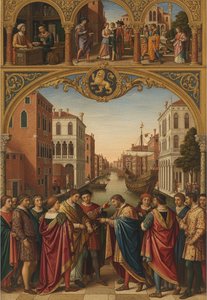
Vittore Carpaccio: Venetian Renaissance Narrative & the Poetics of Detail
Explore the captivating world of Vittore Carpaccio, a master storyteller of the Venetian Renaissance. Discover his intricate details, narrative cycles like 'The Legend of St. Ursula,' and unique artistic style.

Venetian Renaissance: The Mastery of Color, Light, and the Art of Colorito
Explore the luminous mastery of the Venetian Renaissance. Discover how masters like Titian and Giorgione revolutionized art through colorito, light, and atmosphere. An expert guide to the golden age of Italian painting for collectors and enthusiasts.

Jacopo Tintoretto: Top 25 majstrovských diel pre váš domov | OriginalUniqueArt.sk
Ponorte sa do sveta Jacopa Tintoretta a objavte jeho 25 najvýznamnejších diel. Benátska renesancia, barokové majstrovstvá a dramatické kompozície – nájdite perfektný obraz pre váš interiér na OriginalUniqueArt.com.
Golden Light & Rich Color: The Timeless Magic of Venetian Renaissance Art
Explore the luminous beauty of Venetian Renaissance art. Discover how masters like Titian used colorito and golden light to redefine painting through texture, emotion, and atmospheric brilliance in a masterclass of historical artistry.

Top 10 slávnych obrazov s dominantnou čiernou farbou | OriginalUniqueArt.sk
Objavte top 10 slávnych obrazov s dominantnou čiernou farbou od Rembrandta, Goya a ďalších majstrov. Prežite príbehy umenia, techniky a nadčasovej krásy. Reprodukcie obrazov pre váš interiér na OriginalUniqueArt.sk – múzejná kvalita!
