- Domov

- Tlač na plátno
- gabriel mälesskircher
- St Luke
 Objednať reprodukciu Kúpiť digitálnu verziu
 Odoslať
 Zdieľať
 Podrobnosti o dielo
 Pridať do obľúbených

 Stiahnuť
 Podobné diela
 RTG skúška
 Prezentácia
St Luke
 1477
1477 77.0 x 32.0 cm
 Thyssen-Bornemisza Museo Nacional
 Zobraziť viac
Giclée / Umenotlač
Giclée tlač alebo plátno múzeálnej kvality s rýchlou výrobou a flexibilnými možnosťami povrchovej úpravy.




































Vyberte si z našich preddefinovaných rozmerov, ktoré zodpovedajú pôvodným pomeroḿ diela.

Môžete zadať vlastné rozmery, aby sa reprodukcia prispôsobila konkrétnemu rámu alebo priestoru. Ak zvolená veľkosť nebude zodpovedať proporciám originálu, dielo buď orežeme, alebo obraz rozšírime pomocou zrkadlenia či farebného doplnenia okrajov. Pred začatím výroby vám pošleme digitálnu ukážku na schválenie.
Máte na vedomí, že náhľad na obrazovke neodzrkadľuje skutočné orezanie alebo rozšírenie. Len digitálna ukážka presne zobrazí finálnu kompozíciu.
Hoci sú k dispozícii vlastné rozmery, pre zachovanie pôvodných proporcií odporúčame vybrať si rozmer z vopred definovaného zoznamu.
Celosvetová doprava () do 2 týždňov namiesto štandardných 4/5 týždňov. (22 júl)

Bezplatná expresná doprava po celom svete

Prémiové lnianske plátno

Kompletné poistenie prepravy

Záruka vrátenia colného poplatku

Záruka presného farebného zhodnutia

60-dňá politika vrátenia (iba pri defektoch)

100% záruka vrátenia peňazí

Výhodná množstevná zľava
 Možnosť skla je dostupná len pri rozmeroch pod 110 cm

St Luke
Giclée / Umenotlač
Veľkosť reprodukcie
-


Celková cena za vybrané možnosti
-
Popis predmetu
The Artist and His Style
Gabriel Mälesskircher was a renowned German painter who lived and worked in Munich during the 15th century. His style is characterized by a strong narrative sense and a high degree of realism, evident in his depiction of everyday objects. The St Luke painting is a prime example of his work, showcasing his ability to capture the essence of his subjects.The Painting's Significance
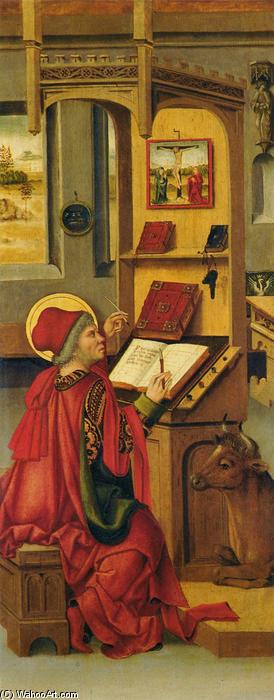
The St Luke painting is part of a series of altarpieces commissioned by the Benedictine monastery in Tegernsee. This particular painting depicts St Luke, one of the four Evangelists, engaged in writing or reading from a book. The level of detail and realism in this painting is remarkable, making it a standout piece in Mälesskircher's oeuvre. Key Features of the Painting:- The use of oil on panel, which allows for a high level of detail and texture
- The depiction of St Luke in a quiet, contemplative moment, highlighting his role as a writer and scholar
- The inclusion of everyday objects, such as books and a desk, which adds to the painting's sense of realism
The St Luke painting by Gabriel Mälesskircher is a testament to the artist's skill and craftsmanship. Its level of detail, realism, and historical significance make it a must-see for art enthusiasts and historians alike. For more information on Mälesskircher and his work, visit OriginalUniqueArt.com.
Biografia umelca
Gabriel Mälesskircher (1425 – 1495): The Silent Maestro of Bavarian Renaissance
Gabriel Mälesskircher remains a figure shrouded in scholarly debate, yet undeniably pivotal to the artistic landscape of late fifteenth-century Bavaria. While overshadowed by contemporaries like Albrecht Dürer and Hans Holbein, Mälesskircher’s contribution to German art—particularly his monumental altarpieces—continues to fascinate historians and inspire artists today. His legacy rests on a singular achievement: transforming the austere piety of his era into emotionally resonant narratives imbued with subtle Flemish influences.
- Early Life & Training: Precise biographical details remain elusive, fueled by scant surviving documentation. Evidence suggests he was born around 1425/30 in Munich, though definitive records are absent. His formative years were spent apprenticed to Hans Folz, a prominent Nuremberg painter known for his meticulous realism and mastery of oil paint—a stylistic approach that would profoundly shape Mälesskircher’s artistic sensibilities.
- Munich School & Patronage: Mälesskircher established himself as a leading figure within Munich's burgeoning artistic community. He served as Guild Master of St Luke, demonstrating his commitment to craftmanship and upholding the standards of artistic excellence. Crucially, he secured prestigious commissions from influential patrons like Duke Sigismund of Bavaria and Abbot Konrad Ayrinschmalz of Tegernsee Abbey—relationships that propelled him to the forefront of Bavarian art.
- The Tegernsee Altarpieces: Mälesskircher’s magnum opus comprises thirteen altarpieces executed for Tegernsee Abbey between 1473 and 1478. These monumental canvases represent a watershed moment in German Renaissance painting, showcasing his unparalleled skill in depicting biblical narratives with dramatic intensity and psychological depth. The Tavola della Vergine (Virgin Mary) and Saint Quirinus are considered masterpieces of their time, reflecting the artist’s profound understanding of humanist ideals and visual storytelling.
- Influence & Legacy: Mälesskircher's workshop fostered collaboration with talented artists like Michael Wolgemut—a formative influence on Albrecht Dürer—solidifying Bavaria’s position as a crucible for artistic innovation. His distinctive style, characterized by meticulous detail and emotive expression, continues to inspire artists exploring the complexities of human experience within religious contexts.
Despite his prolific output during his lifetime, Mälesskircher's oeuvre suffered significant losses due to fires—a tragic circumstance that robbed posterity of invaluable artworks. Nevertheless, surviving fragments—primarily altarpieces housed in museums across Europe—stand as testament to his artistic genius and enduring contribution to the history of German Renaissance art.

gabriel mälesskircher
1425 - 1495
Základné informácie
- Artistic Movement Or Style: Second Munich School of Painting
- Artists Or Movements Influenced By This Artist: ['Albrecht Dürer']
- Artists Who Influenced This Artist: ['Hans Baldung Grien']
- Date Of Death: 1495
- Full Name: Gabriel Mälesskircher
- Nationality: German
- Notable Artworks:
- Saint John the Evangelist
- Saint Mark the Evangelist
- Place Of Birth: ?, Bavaria


