

 Náhľad
 Odoslať
 Zdieľať
 Podrobnosti o dielo

 Stiahnuť
 Podobné diela
 RTG skúška
 Prezentácia
Grotesques with Flowers


 Zobraziť viac
Ručne maľovaná olejová reprodukcia
Ručne maľovaný olej na plátne vo vašej zvolenej veľkosti a v ráme, vyrobený na mieru našimi umelcami. ( Kúpiť tlač Kúpiť obrázok)




































Vyberte si z našich preddefinovaných rozmerov, ktoré zodpovedajú pôvodným pomeroḿ diela.

Môžete zadať vlastné rozmery tak, aby sa hodili do konkrétneho rámu alebo priestoru. Ak sa váš zvolený rozmer nezhoduje s pôvodnými proporciami obrazu, dielo buď orezáme, alebo ho doplníme ručne maľovanými prvkami. Pred začiatkom výroby vám zašleme digitálny náhľad na schválenie.
Upozorňujeme, že ukážka na obrazovke neodráža skutočné orezanie alebo doplnenie. Skutočnú finálnu kompozíciu zobrazuje iba digitálny náhľad.
Hoci sú k dispozícii vlastné rozmery, odporúčame vybrať rozmer z preddefinovaného zoznamu, aby sme zachovali pôvodné proporcie.
Po odoslaní objednávky vám tím OriginalUniqueArt.com pošle e-mail s pokynmi a poskytne náhľad na návrh.
Celosvetová doprava () za 3 až 4 týždne namiesto štandardných 5 týždňov. (15 august). Bez kompromisov v kvalite.

Bezplatná expresná doprava po celom svete

Prémiové lnianske plátno

Kompletné poistenie prepravy

Záruka vrátenia colného poplatku

Záruka presného farebného zhodnutia

60-dňá politika vrátenia (iba pri defektoch)

100% záruka vrátenia peňazí

Výhodná množstevná zľava
 Možnosť skla je dostupná len pri rozmeroch pod 110 cm

Grotesques with Flowers
Technika reprodukcie
Veľkosť reprodukcie
-


Celková cena za vybrané možnosti
$ 300
Biografia umelca
Gabriel de la Corte: A Master of Baroque Still Life
Gabriel de la Corte (1648 – 1694) stands as a prominent figure in Spanish Baroque painting, celebrated primarily for his captivating still lifes that capture the delicate beauty of floral arrangements and everyday objects. Born in Madrid, Spain, he emerged during a period marked by artistic innovation and intellectual fervor—a time when artists sought to express profound emotions and explore complex philosophical ideas within their canvases. While biographical details remain somewhat sparse compared to contemporaries like Rembrandt or Rubens, his legacy endures through the remarkable quality of his artwork and its contribution to the stylistic canon of the era.- Early Life & Training: De la Corte’s formative years were spent honing his artistic skills under the tutelage of Francisco Herrera Velázquez II, a renowned painter known for his mastery of illusionistic painting techniques—a style that would profoundly influence de la Corte's own approach. This mentorship instilled in him a meticulous attention to detail and an unwavering commitment to realism, characteristics that would become hallmarks of his oeuvre.
- Style & Technique: De la Corte’s distinctive artistic vision manifested itself in a highly ornamented Baroque style characterized by luminous color palettes, intricate textures, and masterful rendering of light and shadow. He skillfully employed chiaroscuro—the dramatic contrast between light and dark—to heighten the emotional impact of his compositions and imbue them with an aura of solemn grandeur.
- Floral Still Lifes: De la Corte’s fame rests principally upon his breathtaking floral still lifes, which exemplify the Baroque preoccupation with capturing fleeting moments of beauty and conveying spiritual contemplation. He meticulously depicted vases overflowing with blossoms—roses, lilies, tulips—often adorned with garlands and ribbons—creating scenes that resonate with an idealized vision of nature and human sensibility.
- Notable Works: Among his most celebrated paintings are “Vase of Flowers” (various versions), which exemplify his signature style and technical prowess. These works demonstrate a profound understanding of botanical illustration alongside artistic virtuosity, securing his place as one of the foremost painters of his time.
- Historical Significance: De la Corte’s contribution to Spanish Baroque art is significant not only for its aesthetic achievements but also for its reflection of broader cultural trends—namely, the burgeoning interest in scientific observation and the humanist ideals that championed human dignity and reason. His paintings serve as tangible reminders of a period when artists sought to elevate visual representation beyond mere decorative splendor, aiming instead to communicate profound truths about the human condition.
Influences & Artistic Context
De la Corte’s artistic development was undeniably shaped by the prevailing stylistic currents of his time—particularly the influence of Francisco Herrera Velázquez II and the broader Baroque movement in Spain. Like many artists of his generation, he embraced illusionistic painting techniques—a method pioneered by Andrea Pozzo and Caravaggio—that aimed to create a sense of spatial depth and theatrical grandeur within a confined canvas. Furthermore, De la Corte’s fascination with botanical illustration reflects the growing importance of scientific inquiry during the Baroque era, when naturalists meticulously documented plant specimens and pursued knowledge through observation and experimentation.Exploring Themes & Symbolism
De la Corte's still lifes transcend mere visual representation; they are imbued with symbolic meaning—a characteristic feature of Baroque art that sought to convey moral lessons and spiritual aspirations. Flowers, in particular, served as potent emblems of purity, innocence, and divine grace—representing the ephemeral beauty of earthly existence alongside its transcendent potential. The careful arrangement of blossoms within vases—often juxtaposed against dark backgrounds—created visual harmonies that mirrored theological concepts—such as the interplay between light and darkness symbolizing God’s illumination amidst human imperfection.Legacy & Artistic Reputation
Gabriel de la Corte's enduring artistic reputation stems from the exceptional quality of his paintings—characterized by meticulous detail, luminous color palettes, and masterful rendering of light and shadow. His works continue to inspire admiration for their technical brilliance and aesthetic beauty—serving as testament to the transformative power of Baroque artistry. Although overshadowed by more prolific contemporaries, De la Corte’s contribution to Spanish art history remains undeniable—solidifying his place among the most accomplished painters of his era and ensuring that his masterpieces endure as symbols of Baroque splendor.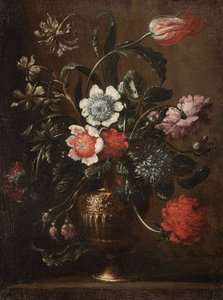
gabriel de la corte
1648 - 1694 , Spain
Základné informácie
- Artistic Movement Or Style: Baroque
- Artists Or Movements Influenced By This Artist: ['Rococo']
- Artists Who Influenced This Artist: ['Maurice Quentin de La Tour']
- Date Of Birth: Madrid, Spain (1648)
- Full Name: Gabriel de la Corte
- Nationality: Spanish
- Notable Artworks:
- Vase of Flowers
- Still life of flowers in a basket
- Place Of Birth: Madrid
Súvisiace články

Demandes Commerciales
APS ofrece reproducciones de bellas artes y encargos personalizados desde 2004. Confían en nosotros corporaciones, hoteles y coleccionistas selectos para obras de arte de calidad museística, servicio discreto y soluciones artísticas completas. ¡Póngase en contacto con nosotros para obtener un presupuesto personalizado!

Dante Gabriel Rossetti: Top 25 diel pre milovníkov umenia a luxusného interiéru
Ponorte sa do sveta Dante Gabriela Rossettiho! Objavte top 25 diel predrafaelitizmu, symbolizmu a viktoriánskej romantiky. Kvalitné reprodukcie obrazov pre váš interiér na OriginalUniqueArt.com. Preskúmajte celú kolekciu online.

Francisco Goya: Top 25 Majstrovských Diel pre Váš Domov | OriginalUniqueArt.com
Ponorte sa do sveta Francisca Goya a jeho 25 najvýznamnejších diel. Objavte príbehy za ikonickými obrazmi romantizmu, portrétmi a Čiernymi maľbami. Reprodukcie obrazov pre váš interiér na OriginalUniqueArt.com – luxusné dekorácie s umením.
Águeda Ruiz de la Prada: A Study of Eclecticism & Emotional Resonance in Contemporary Spanish Painting
Discover the vibrant world of Ágatha Ruiz de la Prada, a leading figure in contemporary Spanish art. Explore her eclectic style, emotional depth & legacy – a must-read for discerning collectors.
Georges de La Tour: Luminosity, Spirituality & Realism in Baroque Painting
Discover the captivating world of Georges de La Tour, a Baroque master renowned for his dramatic chiaroscuro & spiritual realism. Explore key works, influences, and his remarkable rediscovery. Learn more at OriginalUniqueArt.

