

 Náhľad v interiéri
 Odoslať ako digitálnu kartu
 Zdieľať
 Podrobnosti o dielo
 Príručka

 Stiahnuť obraz
 Podobné položky
 RTG skúška
 Prehliadanie diapozoje
 Štatistiky
Pellerhaus


 Zobraziť viac
Umelecké dielo zobrazené na tejto stránke je chránené autorským zákonom, čo znamená, že nemôžeme legálne vytvárať ani predávať jeho identickú reprodukciu. Táto ochrana je vymáhaná na základe medzinárodných dohôd, ako napríklad Bernská konvencia a národnými zákonmi, vrátane tých, ktoré sú stanovené v Autorské právo USA – Title 17. Všetky práva vyhradené.
Táto metóda plne dodržiava autorské práva, pretože nezahŕňa kopírovanie ani duplikovanie chráneného diela. Ide skôr o kreatívnu reinterpretáciu – nový obraz, ktorý je ovplybnený originálom, no nie je s ním identický.
Giclée / Umenotlač
Giclée tlač alebo plátno múzeálnej kvality s rýchlou výrobou a rôznymi možnosťami povrchovej úpravy. ( Kúpiť ručne maľovaný obraz Prepnúť na digitálny obraz)




































Vyberte si z našich preddefinovaných rozmerov, ktoré zodpovedajú pôvodným pomeroḿ diela.

Zadajte šírku a výšku, ktoré potrebujete, aby sa reprodukcia hodila k vášmu rámu alebo stene. Print možno len orezávať, nikdy však nemennú veľkosť zvětšiť oproti pôvodnému obrázku, preto pri inom formáte stráca časť obrazu. Pred samotným vytlačiacím procesom vám pošleme digitálny náhľad na schválenie. Obrázok zobrazený na tejto stránke nezobrazuje reálny rez — len digitálny náhľad ukazuje presný výsledok.
Celosvetová doprava () do 2 týždňov namiesto štandardných 4 až 5 týždňov. (28 október)

Bezplatná expresná doprava po celom svete

Vysokokvalitné lnianske plátno

Kompletné poistenie prepravy

Záruka vrátenia colného poplatku

Záruka presného farebného zhodnutia

100-dená politika vrátenia tovaru (iba pri vadách)

100% záruka vrátenia peňazí

Zľava pri väčšom množstve
 Možnosť skla je dostupná len pri rozmeroch pod 110 cm

Pellerhaus
Giclée / Umenotlač
Veľkosť reprodukcie
-


Celková cena
€ 70
Otázky a odpovede
Ako môžem objaviť diela podobné „Pellerhaus“ od Friedrich Neubauer?
Stránka Podobné diela diela „Pellerhaus“ od Friedrich Neubauer ponúka ďalšie súvisiace umelecké diela.
Aká je luminancia diela „Pellerhaus“ od Friedrich Neubauer?
Farby diela „Pellerhaus“ vykazujú Luminous luminanciu.
Aká intenzívna je farebnosť diela „Pellerhaus“ od Friedrich Neubauer?
Farby v díle „Pellerhaus“ od Friedrich Neubauer majú Balanced intenzitu.
Biografia umelca
The Architect of Memory: The Life and Vision of Friedrich Neubauer
Friedrich Neubauer stands as a singular figure in German art history, a creator who masterfully blended architectural precision with the raw, emotive power of painting. Born in Nuremberg in 1912, during the turbulent years following World War I, Neubauer’s formative experiences instilled within him an unwavering dedication to preserving cultural heritage while simultaneously exploring artistic expression rooted in psychological depth. His life's work became inextricably linked to the rebuilding effort after the devastation of Kristallnacht and the Second World War, cementing his reputation as a champion of Nuremberg’s architectural legacy and a chronicler of its most profound transformations.
Neubauer pursued formal education at Munich and Stuttgart Universities, specializing in architecture—a discipline that would serve as both his primary profession and an indispensable tool for interpreting the visual world. This rigorous training provided him with more than just technical mastery; it gifted him a profound understanding of spatial relationships and structural integrity, qualities that would later permeate every brushstroke of his artistic endeavors. During this period, he encountered the transformative influence of Expressionism, absorbing its tenets of subjective emotion and intentional distortion as vehicles for conveying inner turmoil and confronting societal anxieties. This exposure proved pivotal, allowing him to bridge the gap between the rigid lines of a blueprint and the fluid, often haunting, landscapes of the human psyche.
A Legacy Written in Stone and Watercolor
The duality of Neubauer’s career is perhaps most evident in his architectural achievements, where he acted as a preservationist with a keen eye for history. His work spanned decades, culminating in significant contributions to Nuremberg’s revitalization following the war years. He undertook numerous projects aimed at restoring historic landmarks, most notably the St. Lorenzkirche and the Rathaus Nürnberg. Through his meticulous drawings and reconstructions, he captured not merely physical structures but the very spirit of a city struggling to reclaim its identity from the ashes of conflict.
Parallel to his architectural restoration was his profound artistic output, where he used various media to document the trauma and beauty of his era. His works often serve as poignant historical documents:
- Nothing but Ruins, and Still No Peace: A haunting 1956 watercolor that utilizes dark plumes of smoke rising over the ruins of Nuremberg to invite viewers into the somber aftermath of war.
- View of Nuremberg from the Sinwellturm (1945): A powerful, stark grayscale work that captures the devastating aerial reality of WWII, reflecting themes of loss and collective trauma.
- St. Lorenzkirche: An expressive piece where he moves away from pure documentation toward a vibrant, Cubist-inspired style, using dynamic lines and emotive abstraction to reimagine sacred spaces.
The Intersection of Expressionism and Documentation
Neubauer’s artistic development was deeply influenced by the masters of emotional intensity, particularly the works of Edvard Munch. This influence is visible in his ability to use color and form to evoke a sense of existential dread or quiet resilience. While his architectural training anchored him in reality, his artistic soul sought the sublime. His paintings often oscillate between the documentary—capturing the literal destruction of German landmarks—and the symbolic, where the ruins become metaphors for the fractured state of the post-war human condition.
Ultimately, the historical significance of Friedrich Neubauer lies in his ability to act as both a builder and a witness. He did not merely rebuild the walls of Nuremberg; he rebuilt its visual memory. Through his unique lens, the structural permanence of architecture and the fleeting, emotional intensity of Expressionism merged, leaving behind a body of work that remains an essential testament to German resilience and the enduring power of the artistic vision.

Friedrich Neubauer
1912 - 2004 , Germany
Základné informácie
- Full Name: Friedrich Neubauer
- Nationality: German
- Date Of Birth: 1912
- Date Of Death: 2004
- Place Of Birth: Nuremberg, Germany
- Notable Artworks:
- Anxiety 2
- St. Lorenzkirche
- View of Nuremberg
- Artistic Movement Or Style: Expressionism & Cubism
- Artists Who Influenced This Artist: ['Edvard Munch']
- Artists Or Movements Influenced By This Artist: ['Expressionism']
Súvisiace články

The Intricate World of Etching: A Historical Survey of Technique, Aesthetic Evolution, and Enduring Artistic Impact
Explore the rich history of etching, from its origins to modern practice. Discover techniques, key artists like Rembrandt, and insights for collectors. A comprehensive guide by OriginalUniqueArt.

Etching: A Historical Survey of Technique, Aesthetic Qualities & Enduring Artistic Significance
Explore the rich history of etching, from its origins to Rembrandt's masterful innovations. Discover the technique, aesthetic qualities & enduring legacy of this captivating art form. Expert insights for collectors and enthusiasts.

Top 10 majstrovských diel nemeckého expresionizmu pre váš domov | OriginalUniqueArt
Ponorte sa do sveta nemeckého expresionizmu s OriginalUniqueArt! Objavte 10 majstrovských diel Kandinského, Muncha a ďalších. Luxusné reprodukcie obrazov pre váš domov – emotívne umenie online. Explore the full collection on OriginalUniqueArt.com
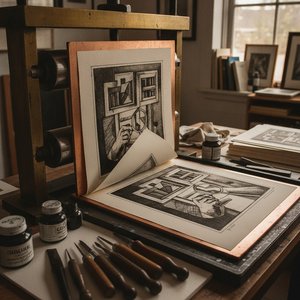
Etching Unlocked: The Sharp, High-Impact Art of Line and Shadow for the Modern Collector
Master the high-impact world of etching. Explore the transformative power of line and shadow through the intaglio tradition, from its armor-making origins to modern collecting strategies for the sophisticated art enthusiast.
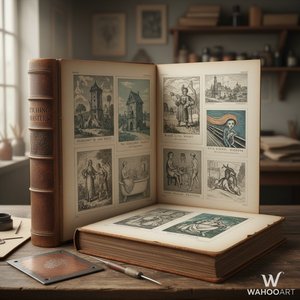
Top 10 legendárnych leptov, ktoré zmenili umenie navždy | OriginalUniqueArt
Objavte 10 legendárnych leptov od Rembrandta, Goya a ďalších majstrov. Prežite príbehy umenia, techniky a nadčasovej krásy. Reprodukcie obrazov pre váš interiér na OriginalUniqueArt.com – múzejná kvalita a inšpirácia!