- Domov

- Tlač na plátno
- franz bernhard schuller
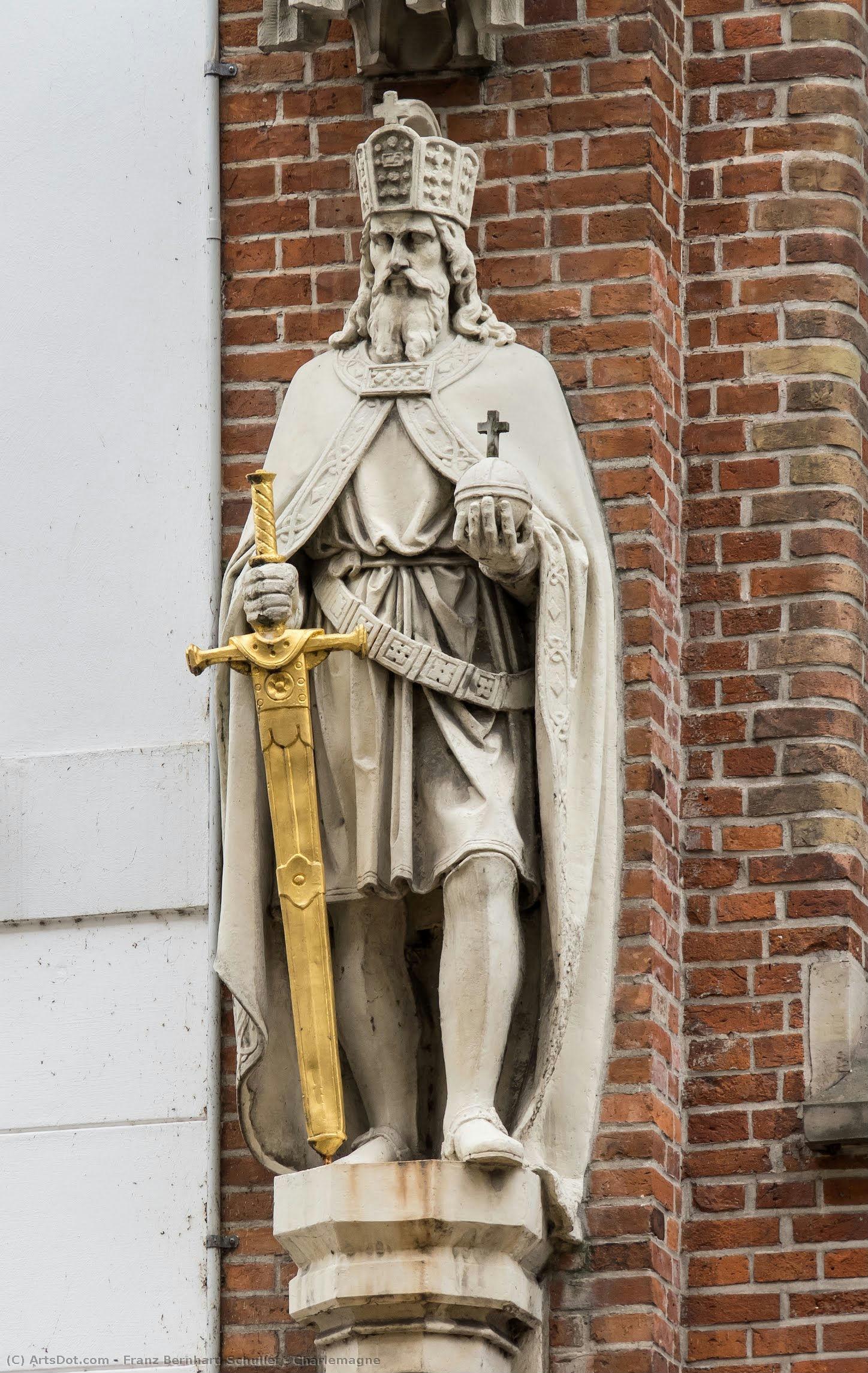
- Charlemagne
 Preview
 Objednať reprodukciu Kúpiť digitálnu verziu
 Odoslať
 Zdieľať
 Podrobnosti o dielo
 Pridať do obľúbených

 Stiahnuť
 Podobné diela
 RTG skúška
 Prezentácia
Charlemagne

 Zobraziť viac
Giclée / Umenotlač
Giclée tlač alebo plátno múzeálnej kvality s rýchlou výrobou a flexibilnými možnosťami povrchovej úpravy.




































Vyberte si z našich preddefinovaných rozmerov, ktoré zodpovedajú pôvodným pomeroḿ diela.

Môžete zadať vlastné rozmery, aby sa reprodukcia prispôsobila konkrétnemu rámu alebo priestoru. Ak zvolená veľkosť nebude zodpovedať proporciám originálu, dielo buď orežeme, alebo obraz rozšírime pomocou zrkadlenia či farebného doplnenia okrajov. Pred začatím výroby vám pošleme digitálnu ukážku na schválenie.
Máte na vedomí, že náhľad na obrazovke neodzrkadľuje skutočné orezanie alebo rozšírenie. Len digitálna ukážka presne zobrazí finálnu kompozíciu.
Hoci sú k dispozícii vlastné rozmery, pre zachovanie pôvodných proporcií odporúčame vybrať si rozmer z vopred definovaného zoznamu.
Celosvetová doprava () do 2 týždňov namiesto štandardných 4/5 týždňov. (27 júl)

Bezplatná expresná doprava po celom svete

Prémiové lnianske plátno

Kompletné poistenie prepravy

Záruka vrátenia colného poplatku

Záruka presného farebného zhodnutia

60-dňá politika vrátenia (iba pri defektoch)

100% záruka vrátenia peňazí

Výhodná množstevná zľava
 Možnosť skla je dostupná len pri rozmeroch pod 110 cm

Charlemagne
Giclée / Umenotlač
Veľkosť reprodukcie
-


Celková cena za vybrané možnosti
-
Biografia umelca
Early Life and Training in the German Tradition
Franz Bernhard Schuller, a name perhaps less familiar than some of his contemporaries, nevertheless occupies an intriguing space within the landscape of 19th-century German sculpture. Born in Ostritz, Germany, in 1815, Schuller’s artistic journey began under the tutelage of Gareis, a sculptor whose influence would lay the foundation for Schuller's classical approach. This initial training was further refined through studies with Schwanthaler, another prominent figure in German sculpture, solidifying his commitment to academic principles and detailed craftsmanship. The Germany of Schuller’s youth was undergoing significant cultural shifts, yet he remained deeply rooted in the traditions of idealized form and narrative storytelling that characterized much of European art at the time. This early immersion in classical ideals would become a defining feature of his work, shaping both his subject matter and technical execution.A Sculptor of Narrative and Historical Grandeur
Schuller’s oeuvre is marked by a preference for monumental sculpture, often depicting scenes steeped in history and mythology. He wasn't merely replicating forms; he was striving to embody the spirit of an era or the weight of a legend. His most celebrated work, Charlemagne, exemplifies this ambition. The statue isn’t simply a representation of the Frankish king but an attempt to capture his power, authority, and the very essence of his reign. This dedication to narrative is evident in the meticulous detail he lavished upon each sculpture, from the folds of drapery to the expressive features of his figures. While documentation on the full scope of his work remains limited, the presence of pieces like Charlemagne within prestigious collections such as the Musée d'Orsay and the Louvre speaks volumes about the quality and artistic merit recognized by his peers and subsequent generations.Influences and Artistic Development
The influence of Classical sculpture is pervasive throughout Schuller’s work, a testament to his rigorous training and dedication to academic principles. However, he wasn't simply copying ancient models. He absorbed the lessons of antiquity—the emphasis on anatomical accuracy, balanced composition, and idealized beauty—and adapted them to suit contemporary tastes and narratives. The Baroque tradition also appears to have played a role in his development, particularly in its dramatic use of movement and emotional intensity. This blend of Classical restraint and Baroque dynamism created a unique style that distinguished Schuller from other sculptors of his time. He skillfully balanced the grandeur of historical subjects with a refined sense of detail and expressive power.Recognition and Legacy
Despite not achieving widespread fame during his lifetime, Franz Bernhard Schuller’s work has garnered increasing attention in recent years. His inclusion in the sculpture sections of renowned institutions like the Musée d'Orsay and the Louvre is a clear indication of his artistic significance. The fact that his sculptures continue to be studied and admired today demonstrates their enduring appeal and historical importance.- His work provides valuable insight into the development of German sculpture in the 19th century.
- He represents a continuation of the Classical tradition, adapted for a new era.
- The meticulous craftsmanship and narrative power of his sculptures continue to captivate audiences.

franz bernhard schuller
1815 - 1857 , Germany
Základné informácie
- Artistic Movement Or Style: Classical Sculpture
- Artists Who Influenced This Artist:
- Gareis
- Schwanthaler
- Date Of Birth: 1815
- Date Of Death: 1857
- Full Name: Franz Bernhard Schuller
- Nationality: German
- Notable Artworks: ['Charlemagne']
- Place Of Birth: Ostritz, Germany

