

 Náhľad v interiéri
 Odoslať ako digitálnu kartu
 Zdieľať
 Podrobnosti o dielo
 Príručka

 Stiahnuť obraz
 Podobné položky
 RTG skúška
 Prehliadanie diapozoje
 Q&A
Q&A Štatistiky
Duet
 Oil
Oil- WallArt
- Dutch Golden Age
 1658
1658- Early Modern
 31.0 x 24.0 cm
 Staatliches Museum
 Zobraziť viac
Giclée / Umenotlač
Giclée tlač alebo plátno múzeálnej kvality s rýchlou výrobou a rôznymi možnosťami povrchovej úpravy. ( Kúpiť ručne maľovaný obraz Prepnúť na digitálny obraz)




P118B €10

P118H €10

P118W €10

P438Z €10

P508JH €12

P508YH €12

P805H €10

P805Z €10

P919BZ €10

P919G €10

P919XJ €10

P959ZH €10

P968JZ €12

W106C €8

W218G €10

W218JH €8

W218Y €10

W307PJ €10

W316G €10

W316PJ €8

W316Y €10

W398PJ €8

W4111J €10

W500HY €15

W500JH €15

W692G €12

W849H €8

W940BG €15

W953PJ €8




Vyberte si z našich preddefinovaných rozmerov, ktoré zodpovedajú pôvodným pomeroḿ diela.

Zadajte šírku a výšku, ktoré potrebujete, aby sa reprodukcia hodila k vášmu rámu alebo stene. Print možno len orezávať, nikdy však nemennú veľkosť zvětšiť oproti pôvodnému obrázku, preto pri inom formáte stráca časť obrazu. Pred samotným vytlačiacím procesom vám pošleme digitálny náhľad na schválenie. Obrázok zobrazený na tejto stránke nezobrazuje reálny rez — len digitálny náhľad ukazuje presný výsledok.
Celosvetová doprava () do 2 týždňov namiesto štandardných 4 až 5 týždňov. (30 október)

Bezplatná expresná doprava po celom svete

Vysokokvalitné lnianske plátno

Kompletné poistenie prepravy

Záruka vrátenia colného poplatku

Záruka presného farebného zhodnutia

100-dená politika vrátenia tovaru (iba pri vadách)

100% záruka vrátenia peňazí

Zľava pri väčšom množstve
 Možnosť skla je dostupná len pri rozmeroch pod 110 cm

Duet
Giclée / Umenotlač
Veľkosť reprodukcie
-


Celková cena
€ 71
A Symphony of Light and Detail
In the quiet intimacy of a seventeenth-century Dutch interior, Frans van Mieris the Elder captures a moment of profound musical connection in his masterpiece, Duet. This exquisite work serves as a quintessential example of the fijnschilder style, a technique where the artist’s brushwork becomes nearly invisible, leaving behind only the breathtaking reality of texture and light. As we gaze upon the scene, we are transported to an era of refined elegance, where the soft glow of candlelight or filtered daylight dances across the polished wood of a harpsimchord and the rich, crimson folds of a lady's gown. The painting is not merely a depiction of a musical performance; it is a sensory experience that invites the viewer to hear the delicate pluck of strings and feel the hushed reverence of the room.
The composition centers on a woman lost in the rhythmic flow of her music, her posture poised and graceful. Beside her, a companion watches with an intensity that suggests a shared emotional resonance, creating a silent dialogue between the performers. The inclusion of a small dog, resting loyally at their feet, adds a layer of domestic warmth and symbolizes fidelity, grounding the sophisticated atmosphere in a sense of home and heart. Every element, from the delicate lace of a collar to the subtle sheen on the musical score, is rendered with a precision that speaks to Van Mieris’s mastery of the Leiden school, making this piece a jewel of the Dutch Golden Age.
Historical Elegance for the Modern Collector
To possess a reproduction of Duet is to bring a piece of history into the contemporary living space. Created in 1658, during the height of the Dutch Golden Age, this work reflects the prosperity and cultural sophistication of the Netherlands. During this period, artists like Van Mieris were celebrated for their ability to elevate genre scenes—everyday moments of life—into high art through unparalleled technical virtuosity. For the discerning interior designer, this painting offers a timeless focal point that complements both classical and modern decor. Its rich palette of deep reds, warm ambers, and soft shadows provides a sophisticated anchor for a room, evoking a sense of luxury and intellectual depth.
Beyond its aesthetic appeal, the painting serves as an emotional sanctuary. In an age of digital noise, the stillness captured in Duet offers a meditative quality that can transform the atmosphere of any gallery or private residence. It is a celebration of the fine arts, the beauty of domesticity, and the enduring power of human connection. Whether displayed in a sunlit study or a formal dining room, this work continues to inspire awe, reminding us of the meticulous beauty that can be found in life's most quiet, harmonious moments.
Otázky a odpovede
Aké miesto si v dejinách umenia predstavuje „Duet“ od Frans van Mieris?
„Duet“ od Frans van Mieris patrí do smeru Dutch Golden Age, v rámci obdobia Early Modern. Spolu tvoria miesto tohto diela v dejinách umenia.
Aké farby dominujú v díle „Duet“ od Frans van Mieris?
„Duet“ je charakteristický/á paletou Earthy, ktorej dominuje Phthalo Green (#301e1f).
Čo zobrazuje „Duet“ od Frans van Mieris a akú náladu vyvoláva?
„Duet“ od Frans van Mieris spája portrait, harpsichord, music, dutch golden age, 17th century, elegant scene, fijnschilder s Elegant atmosférou.
Biografia umelca
Život ponorený do detailu: Svet Franca van Mierisa Staršieho
Frans van Mieris Starší, meno synonymické s precíznym detailom a vyvinutým umením, zastáva významnú pozíciu v ére holandského zlatého veku. Narodený v Lejdene v roku 1635, odklonil svoju cestu od rodinného remesla zlatovníctva – recu, ktorú praktikoval jeho otec Jan Bastiaensz van Mieris – smerom k pútavému svetu maľby. Táto skorá sklônosť k kresleniu pripravila scénu pre kariéru, ktorá definovala štýl „fijnschilder“ a ponúkla intímny pohľad do holandskej spoločnosti 17. storočia. Jeho počiatočné školenie pod vedením Abrahama Toorenvlieta, následované kľúčovou výukou u uznávaného Gerrita Dou, položilo pevné základy, na ktorých vybudoval svoj vlastný, nezamiteľný umelecký hlas. Tieto formujúce roky mu vdechnuli nielen technickú zdatnosť, ale aj hlboké pochopenie naratívnej nuansov a sily jemného pozorovania.Vzostup „fijnschildera“
Van Mieris sa rýchlo stal osláveným majstrom štýlu *fijnschilder* – holandského termínu označujúceho „jemné maľovanie“. Túto techniku charakterizovala takmer obsesívna pozornosť k detailu, hladké a uhladené ťahy štetcom a preferencia menších plátien. Nešlo len o replikáciu reality; išlo o jej pozdvihnutie prostredníctvom nesmiernej presnosti. Povrchy v jeho obrazoch sa zdajú byť oživené – lesk saténu, jemná textúra zamatu či odlesky kovu sú vykreslené s ohromujúcou presnosťou. Nemaľoval len miestnosť; zrekonštruoval samotnú atmosféru v nej, čím pozval divákov do scén každodennosti a bohatstva. Jeho témy sa často točili okolo životov vyššej vrstvej: elegantné stretnutia, bohaté interiéry a portréty, ktoré zachytávali nielen podobnosť, ale aj charakter. Opakujúce sa motívy, ako napríklad hostiny s ústricami, lekári ošetrujúci pacientov či ženy zapojené do bežných činností, slúžili ako okná do zvykov a sociálnych rituálov vyšších tried. Hoci bol spočiatku silne ovplyvnený štýlom Gerrita Dou, Van Mieris postupne vyvinul vlastný prístup. Od preplnenia detailmi sa odklonil k greater zdôrazneniu interakcie medzi postavami a rozvíjajúcich sa príbehov v rámci jeho kompozícií. Neskoršie diela niekedy vykazujú tmavšie tónové vlastnosti v porovnaní s jasnejšou paletou jeho raných tvorieb, čo odráža rastúcu zrelosť a umelecké hľadanie.Významné diela a trvajúce oddedičstvo
Niekoľko kľúčových diel stojí ako dôkaz Van Mierisovej zručnosti a jeho evolúcie. Doctor's Visit (Návšteva lekára, 1657), považovaný za jedno z jeho najstarších a najdôležitejších diel, demonštruje jeho rodiacu sa nezávislosť od Douovho vplyvu. Tento obraz je majstrovským predvedením zachytenia tichého napätia lekárskeho vyšetrenia, vykresleného s neuveriteľnou úrovňou realismu. Jeho Self-Portrait with a Cittern (Autoportrét s citrou) je rovnako pútavý, pretože ukazuje jeho schopnosť zobraziť luxusné odevy a zároveň vyjadriť pocit osobnosti a introspekcie. Portrait of the Artist's Wife, Cunera van der Cock (Portrét manželky umelca, Cunery van der Cock) je príkladom jeho majstrovstva v portrétnej maľbe, zdôrazňujúc technickú obratnosť aj pochopenie *chiaroscuro* – dramatickej hry svetla a tieňa. Okrem žánrových scén a portrétov sa Van Mieris odvážil aj do alegorických malieb, ako sú tie zobrazujúce necnosti, ako je pitie, fajčenie či hazardovanie, čo dokazuje šírku jeho umeleckých schopností. Vplyv Franca van Mierisa presiahol daleko za jeho vlastný vek. Jeho odkaz rezonoval v rámci jeho rodiny; jeho syn Willem van Mieris (1662–1747) aj vnuk Frans van Mieris mladší (1689–1763) sa obaja stali úspešnými žánrovými maliarmami, čím pokračovali v umeleckej tradícii. Popularita jeho štýlu vytvorila aj početných imitátorov, medzi nich najmä A. D. Snaphaana, ktorý pôsobil v Lipsku a získal patronát na dvore Anhalt-Dessau.Trvalý prínos holandskému umeniu
Frans van Mieris zohral kľúčovú úlohu pri formovaní hnutia *fijnschilder* v rámci holandskej maľby zlatého veku. Jeho oddanosť detailu, realistické zobrazenie každodenného života a vyššej spoločnosti spolu s technickou brilanciou významne prispeli k ére, ktorá už bola známa svojou umeleckou inováciou. Požíval podporu významných osobností, vrátane arciduka Leopolda a Cosima III. de' Medici, čo je dôkazom medzinárodného uznania jeho talentu. Aj dnes jeho diela naďalej očarujú publikum svojím vynikajúcim remeslom a hlbokým vykreslením kultúry 17. storočia. Krádež autoportrétu z umeleckej galérie v New South Wales v Sydney slúži ako dojímavá pripomienka trvalej hodnoty a príťažlivosti jeho umenia – oddedičstva, ktoré naďalej inšpiruje a fascinuje zberateľov aj milovníkov umenia. Jeho obrazy nie sú len historickými artefaktmi; sú oknami do uplynutej éry, precízne vytvorenými a prenesenými do večného krásy.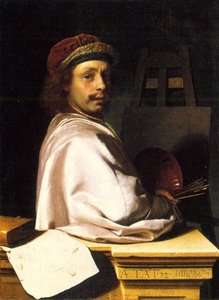
Frans van Mieris
1635 - 1681 , Holandsko
Základné informácie
- Artistic Movement Or Style: Fijnschilderstvo
- Artists Or Movements Influenced By This Artist: ['Nemecké maliarstvo']
- Artists Who Influenced This Artist: ['Gerrit Dou']
- Date Of Birth: Leiden, 1635
- Date Of Death: Leiden, 1681
- Full Name: Frans Jansz. van Mieris
- Nationality: Nemecký
- Notable Artworks:
- Doktor návšteva
- Sebaobrazie s citrónnikom
- Place Of Birth: Leiden
Súvisiace články

Top 10 majstrovských diel holandskej Zlatej éry: Umění pre váš domov s OriginalUniqueArt.com
Ponorte sa do sveta holandskej Zlatej éry s OriginalUniqueArt.com! Objavte príbehy Rembrandta, Vermeera a ďalších majstrov baroka. Reprodukcie obrazov pre váš domov – inšpirujte sa nadčasnými dielami. Preskúmajte kolekciu online!

Crimson Threads of Narrative: Exploring Symbolism & Representation in Artworks Featuring the Red Dress
Explore the rich symbolism of the red dress in art history! From ancient power displays to iconic portraits like Cézanne’s 'Madame Cezanne', discover the cultural and artistic significance behind this captivating color. Expert analysis & insights.

Golden Light & Dutch Skies: The Timeless Magic of Dutch Golden Age Landscapes
Discover the breathtaking beauty of Dutch Golden Age landscapes. Explore the mastery of light, chiaroscuro, and 17th-century realism through an expert art history lens, celebrating the enduring legacy of the Dutch Masters for discerning collectors and art lovers.

Mastering Light & Shadow: A Journey Through the Dutch Golden Age's Luminous Legacy
Embark on a cultural journey through the Dutch Golden Age. Explore the masterful interplay of light and shadow in 17th-century masterpieces, from Rembrandt to Vermeer, and discover how this era of profound realism continues to inspire fine art collectors today.

Golden Age Reflections: Dutch Baroque Painting & Cultural Innovation
Explore the Dutch Golden Age of painting! Discover key artists like Vermeer & ter Borch, their innovative techniques, and the rich cultural context behind these Baroque masterpieces. Learn about collecting & appreciating this iconic art period.
