

 Zobraziť v interiéri
 Odoslať
 Zdieľať
 Podrobnosti
 Príručka

 Stiahnuť
 Podobné položky
 RTG skúška
 Prehliadanie diapo\]
 Štatistiky
Grasshopper and Alligator
 Paper
Paper- WallArt
- Contemporary Realism
 2002
2002- Contemporary
 43.0 x 26.0 cm
 USC Fisher Museum of Art
 Prečítať si viac
Umelecké dielo zobrazené na tejto stránke je chránené autorským zákonom, čo znamená, že nemôžeme legálne vytvárať ani predávať jeho identickú reprodukciu. Táto ochrana je vymáhaná na základe medzinárodných dohôd, ako napríklad Bernská konvencia a národnými zákonmi, vrátane tých, ktoré sú stanovené v Autorské právo USA – Title 17. Všetky práva vyhradené.
Táto metóda plne dodržiava autorské práva, pretože nezahŕňa kopírovanie ani duplikovanie chráneného diela. Ide skôr o kreatívnu reinterpretáciu – nový obraz, ktorý je ovplybnený originálom, no nie je s ním identický.
Giclée / Umenotlač
Giclée tlač alebo plátno múzeálnej kvality s rýchlou výrobou a rôznymi možnosťami povrchovej úpravy. ( Objednať ručne maľovanú reprodukciu Prepnúť na digitálnu verziu obrazu)




P118B €10

P118H €10

P118W €10

P438Z €10

P508JH €12

P508YH €12

P805H €10

P805Z €10

P919BZ €10

P919G €10

P919XJ €10

P959ZH €10

P968JZ €12

W106C €8

W218G €10

W218JH €8

W218Y €10

W307PJ €10

W316G €10

W316PJ €8

W316Y €10

W398PJ €8

W4111J €10

W500HY €15

W500JH €15

W692G €12

W849H €8

W940BG €15

W953PJ €8




Vyberte si z našich preddefinovaných rozmerov, ktoré zodpovedajú pôvodným pomeroḿ diela.

Zadajte šírku a výšku, ktoré potrebujete, aby sa reprodukcia hodila k vášmu rámu alebo stene. Print možno len orezávať, nikdy však nemennú veľkosť zvětšiť oproti pôvodnému obrázku, preto pri inom formáte stráca časť obrazu. Pred samotným vytlačiacím procesom vám pošleme digitálny náhľad na schválenie. Obrázok zobrazený na tejto stránke nezobrazuje reálny rez — len digitálny náhľad ukazuje presný výsledok.
Celosvetová doprava () do 2 týždňov namiesto štandardných 4 až 5 týždňov. (25 október)

Bezplatná expresná doprava po celom svete

Vysokokvalitné lnianske plátno

Úplné poistenie prepravy

Záruka vrátenia colného poplatku

Záruka presného farebného zhodnutia

100-dená politika vrátenia tovaru (iba pri vadách)

100% záruka vrátenia peňazí

Ponuka množstevnej zľavy
 Možnosť skla je dostupná len pri rozmeroch pod 110 cm

Grasshopper and Alligator
Giclée / Umenotlač
Veľkosť reprodukcie
-


Celková cena
€ 70
A Dialogue of Silhouettes: The Poetic Contrast in Toledo’s Diptych
In the evocative diptych Grasshopper and Alligator, the legendary Mexican master Francisco Toledo invites us into a world where the boundaries between the organic and the graphic dissolve. Created in 2002, this work serves as a profound meditation on the duality of nature. The piece presents two distinct yet harmoniously linked book covers, each acting as a window into a simplified, primordial reality. Through the use of stark black silhouettes set against the warm, tactile embrace of beige and brown textured paper, Toledo strips away the unnecessary noise of the natural world to reveal its essential, skeletal truths. It is a composition that breathes with a quiet, rhythmic pulse, capturing the viewer's attention through a masterful balance of negative space and bold, decisive forms.
The technique employed here speaks to the artist’s deep connection to the artisanal traditions of Oaxaca. There is a palpable sense of the handmade in every fiber of the work; the rough, uneven surfaces of the paper provide a sensory depth that prevents the flat silhouettes from feeling static. The method—reminiscent of stenciling or precise paper cutting—creates clean, graphic outlines that define the alligator and the grasshopper with surgical precision. This interplay between the smooth, dark ink of the subjects and the rugged, aged texture of the substrate creates a visual tension that is both sophisticated and primal. For the collector or interior designer, this piece offers a unique textural element, providing a focal point that feels both ancient and strikingly modern.
Symbolism and the Soul of the Oaxacan Landscape
Beyond its aesthetic brilliance, Grasshopper and Alligator is steeped in the symbolic language that defined Toledo’s illustrious career. As an artist whose life was inextricably woven into the Zapotec soul of Mexico, Toledo often utilized fauna to represent the complex hierarchies and survival instincts of the natural world. The pairing of the grasshopper—a creature of lightness, agility, and ephemeral existence—with the alligator—a symbol of prehistoric strength, patience, and grounded power—creates a captivating narrative of contrasts. This is not merely an illustration of insects and reptiles; it is a symbolic exploration of life’s extremes, from the delicate to the formidable.
The emotional impact of the work lies in its deceptive simplicity. There is a certain whimsy in the pairing, yet a profound gravity in the execution. The muted, earthy palette evokes a sense of nostalgia and permanence, as if these figures have emerged from the very soil of Mexico to tell a story of coexistence. For those seeking to adorn a space with art that inspires contemplation, this diptych offers a sophisticated way to introduce themes of nature, resilience, and balance. It is a piece that does not demand attention through loudness, but rather commands it through a quiet, undeniable presence, making it an exquisite addition to any curated collection or thoughtfully designed interior.
Otázky a odpovede
Kedy bolo vytvorené dielo „Grasshopper and Alligator“ od Francisco Toledo?
Dielo „Grasshopper and Alligator“ od Francisco Toledo vzniklo v roku 2002.
Kto vytvoril „Grasshopper and Alligator“ a v ktorom roku?
Autorom diela „Grasshopper and Alligator“ je Francisco Toledo a vzniklo v roku 2002.
Aká je farebná identita diela „Grasshopper and Alligator“ od Francisco Toledo?
Farebná identita diela „Grasshopper and Alligator“ od Francisco Toledo: paleta v odtieňoch Earthy, ktorej dominuje Gray (#848899).
Biografia umelca
A Life Woven into the Soul of Oaxaca
Francisco Benjamín López Toledo, born in Juchitán de Zaragoza, Oaxaca, in 1940, wasn’t merely an artist; he was a cultural architect, a passionate advocate for his homeland, and one of Mexico's most profoundly influential contemporary figures. His life story is inextricably linked to the vibrant traditions and often-overlooked complexities of Oaxacan culture, a heritage that permeates every brushstroke, sculpted form, and woven thread of his extensive oeuvre. Toledo’s artistic journey began early, nurtured by the rich visual language of his Zapotec upbringing and formalized through studies at the Escuela de Bellas Artes de Oaxaca and later at the Centro Superior de Artes Aplicadas del Instituto Nacional de Bellas Artes in Mexico City under the guidance of Guillermo Silva Santamaría. However, formal training only provided a foundation; Toledo’s true education came from immersing himself in the world around him – the landscapes, folklore, and social realities of his native state.A Kaleidoscope of Influences
To categorize Francisco Toledo within a single artistic movement proves impossible, and perhaps even undesirable. His style is remarkably fluid, a captivating synthesis of diverse influences that reflect both his intellectual curiosity and deep-rooted cultural identity. The echoes of Pre-Columbian art resonate strongly in his work, particularly the iconography of Zapotec and other indigenous cultures, manifesting as stylized figures and symbolic motifs. This ancestral connection is beautifully interwoven with the exuberant palette and narrative spirit of Mexican folk art, creating a visual language that feels both ancient and strikingly modern. Yet, Toledo wasn’t content to simply replicate tradition; he fearlessly embraced elements of Surrealism, allowing dreamlike compositions and explorations of the subconscious to surface in his paintings and graphic works. This unique blend—a harmonious collision of history, heritage, and personal vision—defines the distinctive character of his art. He frequently employed bold lines, textured surfaces, and a deliberately limited color palette, creating images that are visually arresting and emotionally resonant. Artists who influenced this artist included Rufino Tamayo, Paul Klee, and Jean Dubuffet.Themes of Identity, Society, and Nature
Recurring themes weave through Toledo’s artistic narrative, revealing his profound engagement with the world around him. Oaxacan culture is not merely a subject matter but a living presence in his work—a celebration of traditions, beliefs, and the everyday lives of its people. Beyond aesthetic representation, Toledo used his art as a powerful vehicle for social commentary, fearlessly addressing issues such as poverty, inequality, and political corruption with both subtlety and directness. His canvases often serve as poignant reflections on the human condition, prompting viewers to confront uncomfortable truths about society. Equally prominent is his fascination with mythology and symbolism, drawing upon Zapotec lore and universal archetypes to imbue his work with layers of meaning. Finally, a deep reverence for nature—the landscapes, flora, and fauna of Oaxaca—is evident in his meticulous depictions of the natural world, where every plant and creature carries symbolic weight.Major Achievements & Artistic Style
Toledo’s artistic style is characterized by its distinctive blend of Surrealism, Folk Art, and Pre-Columbian influences. He skillfully combined bold lines with textured surfaces to create images that are visually striking and emotionally resonant. His palette was deliberately restrained, prioritizing color harmony over ostentation. Recurring motifs included stylized figures representing Zapotec deities and ancestral spirits alongside fantastical landscapes and dreamlike imagery. Notable artworks include “Grasshopper and Alligator,” “Two People Squatting…” and “Redes con Cangrejos…”. He established the Instituto de Artes Gráficas de Oaxaca (IAGO), a pioneering art library dedicated to preserving cultural heritage and fostering artistic expression, cementing his legacy as a visionary artist and cultural leader.Historical Significance & Legacy
Francisco Toledo’s contribution to Mexican art history is undeniable. His unwavering commitment to promoting Oaxacan culture and advocating for social justice elevated him to the status of national icon. He tirelessly championed indigenous rights and artistic innovation, inspiring generations of artists and scholars alike. His work continues to resonate with audiences worldwide, demonstrating the enduring power of art to communicate complex ideas and provoke thoughtful reflection. Toledo’s legacy extends beyond his artistic creations; it resides in the institutions he founded and the cultural values he upheld—a testament to his profound belief that art can serve as a catalyst for positive change. He was honored internationally for his achievements and contributions to the arts, solidifying his place among Mexico's most celebrated artists.
Francisco Toledo
1940 - , Mexiko
Rýchle fakty
- Artistic Movement Or Style: Surrealizmus, Folklór
- Artists Who Influenced This Artist:
- Rufino Tamayo
- Paul Klee
- Jean Dubuffet
- Date Of Birth: 1940
- Full Name: Francisco Benjamín López Toledo
- Nationality: Mexikánec
- Notable Artworks:
- Grasshopper and Alligator
- Two People Squatting...
- Redes con Cangrejos...
- Place Of Birth: Juchitán de Zaragoza, Mexiko
Súvisiace články

The Refined Aesthetic of Victorian Illustration: A Study in Narrative & Technique
Explore the captivating world of Victorian illustration! Discover Pre-Raphaelite influences, key artists like Rossetti & Stephens, and the era's rich narrative detail. A deep dive for art enthusiasts.
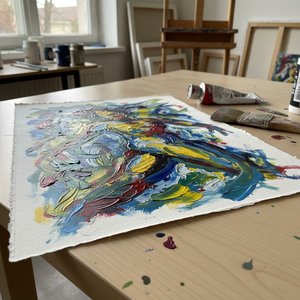
Acrylic on Paper: A Modern Canvas for Contemporary Expression
Explore the versatility of acrylic painting on paper! Discover expert techniques, artist insights & archival practices for creating stunning contemporary art. Learn more at OriginalUniqueArt.

Francisco Goya: Top 25 Majstrovských Diel pre Váš Domov | OriginalUniqueArt.com
Ponorte sa do sveta Francisca Goya a jeho 25 najvýznamnejších diel. Objavte príbehy za ikonickými obrazmi romantizmu, portrétmi a Čiernymi maľbami. Reprodukcie obrazov pre váš interiér na OriginalUniqueArt.com – luxusné dekorácie s umením.

Angelo Chiacchio: A Mid-Century American Illustration Master & the Rise of Commercial Art
Explore the captivating world of Angelo Chiacchio, a master of mid-century American illustration. Discover his evolution, signature style, and lasting impact on commercial art & design. Learn about his legacy at the Museum of American Illustration.

Kay Rasmus Nielsen: A Golden Age Illustrator's Enchanting Legacy of Symbolism & Narrative
Explore the captivating world of Kay Rasmus Nielsen, a celebrated Golden Age illustrator renowned for his Art Nouveau fairy tale art & Disney contributions. Discover his unique style, enduring legacy, and how to collect his enchanting works.


