

 Zobraziť v interiéri
 Odoslať
 Zdieľať
 Podrobnosti
 Príručka

 Stiahnuť
 Podobné položky
 RTG skúška
 Prehliadanie diapo\]
 Štatistiky
Painting 1946


 Prečítať si viac
Giclée / Umenotlač
Giclée tlač alebo plátno múzeálnej kvality s rýchlou výrobou a rôznymi možnosťami povrchovej úpravy. ( Objednať ručne maľovanú reprodukciu Prepnúť na digitálnu verziu obrazu)




P118B $10

P118H $10

P118W $10

P438Z $10

P508JH $12

P508YH $12

P805H $10

P805Z $10

P919BZ $10

P919G $10

P919XJ $10

P959ZH $10

P968JZ $12

W106C $8

W218G $10

W218JH $8

W218Y $10

W307PJ $10

W316G $10

W316PJ $8

W316Y $10

W398PJ $8

W4111J $10

W500HY $15

W500JH $15

W692G $12

W849H $8

W940BG $15

W953PJ $8




Vyberte si z našich preddefinovaných rozmerov, ktoré zodpovedajú pôvodným pomeroḿ diela.

Môžete zadať vlastné rozmery, aby sa reprodukcia prispôsobila konkrétnemu rámu alebo priestoru. Ak zvolená veľkosť nebude zodpovedať proporciám originálu, dielo buď orežeme, alebo obraz rozšírime pomocou zrkadlenia či farebného doplnenia okrajov. Pred začatím výroby vám pošleme digitálnu ukážku na schválenie.
Máte na vedomí, že náhľad na obrazovke neodzrkadľuje skutočné orezanie alebo rozšírenie. Len digitálna ukážka presne zobrazí finálnu kompozíciu.
Hoci sú k dispozícii vlastné rozmery, pre zachovanie pôvodných proporcií odporúčame vybrať si rozmer z vopred definovaného zoznamu.
Celosvetová doprava () do 2 týždňov namiesto štandardných 4 až 5 týždňov. (27 september)

Bezplatná expresná doprava po celom svete

Vysokokvalitné lnianske plátno

Úplné poistenie prepravy

Záruka vrátenia colného poplatku

Záruka presného farebného zhodnutia

100-dená politika vrátenia tovaru (iba pri vadách)

100% záruka vrátenia peňazí

Ponuka množstevnej zľavy
 Možnosť skla je dostupná len pri rozmeroch pod 110 cm

Painting 1946
Giclée / Umenotlač
Veľkosť reprodukcie
-


Celková cena
$ 80
Francis Bacon: The Shadow of Existential Angst
Francis Bacon (1909–1992) remains one of the most unsettling and influential figures in 20th-century art, a painter whose canvases grapple with profound questions about human existence and confront viewers with visceral depictions of pain, decay, and psychological torment. His oeuvre transcends mere representation; it’s an exploration of the subconscious mind, rendered in a style that defies easy categorization but consistently embodies Expressionism's raw emotional intensity.
- Early Life & Education: Born in Dublin, Ireland, Bacon’s formative years were marked by instability and illness—a recurring motif throughout his artistic output. His father’s stern demeanor and the nurturing influence of Jessie Lightfoot profoundly shaped his worldview, fostering a sensitivity to human suffering that would become central to his artistic vision. Initially drawn to horse racing and gambling, he pursued diverse occupations before dedicating himself to painting in his late twenties – a deliberate choice fueled by an urgent desire to express inner turmoil.
- Style & Technique: Bacon’s distinctive style is characterized by thick impasto brushwork—a technique that imbues his canvases with palpable texture and emotional intensity. Bold, gestural strokes convey dynamism and urgency, mirroring the turbulent psychological landscape of his subjects. He employed a limited color palette—muted pinks, blacks, whites, and dark greens accented with touches of yellow and red—to heighten dramatic tension and underscore symbolic significance. Distortion of perspective and flattened spatial relationships contribute to a surreal atmosphere, challenging conventional realism and inviting contemplation.
- Historical Context & Artistic Significance: Bacon’s work emerged in the immediate aftermath of World War II, reflecting the anxieties and disillusionment prevalent during that era. He skillfully blended modernist aesthetics with classical religious motifs, questioning established beliefs and exploring existential themes. His art stands as a testament to the power of visual expression to convey profound emotions and provoke intellectual debate—a legacy recognized by artists like Damien Hirst who drew inspiration from Bacon’s groundbreaking approach.
- Detailed Analysis: “Painting 1946”\n\nThe artwork, titled “Painting 1946,” is an oil-on-linen painting created in 1946 by Francis Bacon. It exemplifies Expressionism with elements of Surrealism, utilizing thick impasto layering and visible brushwork to amplify emotional impact. The artist’s meticulous attention to detail—particularly the depiction of a giraffe, snake, and various other fantastical creatures interwoven into the space—creates a disconcerting yet mesmerizing visual experience.\n\nThe painting's color palette is dominated by deep reds, purples, and blacks, generating a dramatic atmosphere that underscores the artwork’s unsettling themes. Stark chiaroscuro lighting emphasizes certain figures, casting profound shadows that deepen the sense of mystery and emotional weight. The distorted perspective contributes to a dreamlike quality, challenging conventional notions of realism.\n\nThe central figure—a man seated beneath an umbrella—represents a poignant juxtaposition between protection and concealment. His attire suggests formality but hints at hidden anxieties. Surrounding him are stylized forms reminiscent of insects or machinery, symbolizing intrusion and decay. The giraffe and snake figures add to the surreal landscape, representing opposing forces – stability versus chaos.\n\nThe artwork’s historical context is rooted in the immediate aftermath of World War II, reflecting the era's pervasive preoccupation with existential questions and societal upheaval. Francis Bacon’s bold approach embodies this spirit, blending modern dystopian themes with classical religious motifs. The piece serves as a commentary on human suffering and the relentless pursuit of meaning amidst devastation.\n\n## Painting 1946: A Surreal Echo of War and Faith
Subject Matter and Composition
- The artwork presents a disconcerting tableau dominated by an enigmatic figure seated beneath an umbrella in what appears to be a lavishly decorated room.
- Multiple figures—including a giraffe, a snake, and various fantastical creatures—are interwoven into the space, creating a densely populated scene that conveys a sense of unease.
- The central figure embodies a stark contrast between vulnerability and concealment, mirroring anxieties prevalent during the wartime period.
Expressionist Brushwork and Color Palette
- Executed with vigorous, expressive brushwork—a hallmark of Expressionism—the painting utilizes thick impasto layering to amplify emotional impact.
- A restrained yet striking color palette—primarily muted pinks, blacks, whites, and dark greens accented by touches of yellow and red—heightens the dramatic tension inherent in the composition.
- The distorted perspective and flattened spatial relationships contribute to a dreamlike quality, challenging conventional notions of realism and inviting symbolic interpretation.
WWII's Shadow and Philosophical Resonance
- Created in 1946, immediately following World War II, *Painting 1946* embodies the era’s anxieties and existential questioning.
- The artist’s stylistic choices reflect the broader cultural landscape of the time—a reaction against traditional artistic conventions fueled by philosophical currents championed by Friedrich Nietzsche.
- Bacon's preoccupation with themes of decay, fragmentation, and psychological torment mirrored the pervasive disillusionment felt across Europe after the devastation of the conflict.
Imagery Beyond Representation
- The central figure beneath the umbrella is a deliberate allusion to Neville Chamberlain, whose appeasement policy towards Hitler was widely criticized as naive and ultimately unsuccessful.
- The umbrella itself symbolizes protection—a futile attempt to shield oneself from an inescapable doom—while simultaneously concealing something hidden beneath its surface.
- Furthermore, Bacon’s inclusion of the giraffe and snake represents a jarring juxtaposition of natural beauty and primal instinct, reflecting the artist's preoccupation with confronting mortality and accepting the unpredictable nature of existence.
The Artist's Hand—A Bold Expression
- Bacon’s masterful use of impasto technique—thickly applied paint—creates a textured surface that amplifies the emotional intensity of the artwork.
- Dramatic chiaroscuro lighting emphasizes certain elements, casting deep shadows and highlighting areas of brilliance, mirroring the artist's fascination with theatrical presentation and conveying a sense of unease and psychological depth.
- The color palette is deliberately muted—primarily pinks, blacks, whites, and dark greens accented by touches of yellow and red—contributing to the artwork’s melancholic mood and reinforcing its symbolic resonance.
A Reflection of Its Time
- Created in 1946, *Painting 1946* emerges from the immediate aftermath of World War II—a period marked by profound societal upheaval and existential questioning.
- The artist’s bold approach reflects the era's tension, blending modern dystopian themes with classical religious motifs. It stands as a testament to the artistic spirit of its time, grappling with anxieties about loss, trauma, and the search for meaning amidst devastation.
- Bacon drew inspiration from Surrealist artists like René Magritte and Giorgio Morandi, whose explorations of dreamlike imagery and irrational juxtapositions anticipated the stylistic trends that would characterize the postwar art world.
Layers of Meaning
Francis Bacon's *Painting 1946* isn't merely a depiction of an anonymous figure beneath an umbrella; it’s a profound meditation on human vulnerability and the unsettling beauty of decay. Created in 1946, immediately following World War II, this monumental canvas embodies the anxieties of its time—a palpable sense of disillusionment mingled with an insistent yearning for transcendence. The artist himself described it as his most unconscious work, a testament to the spontaneous eruption of emotion onto the canvas. The central figure, clad in dark suit and seemingly impassive, dominates the composition, yet beneath the surface lurks an unsettling stillness—a frozen moment of terror captured in pigment and pastel. This man is not heroic; he’s stripped bare, exposed to the harsh realities of existence. The umbrella itself serves as a paradoxical symbol: protection from the storm, yes, but also confinement, shielding him from the world while simultaneously emphasizing his isolation. It's a visual echo of Neville Chamberlain's futile attempt to appease Hitler before the outbreak of hostilities—a poignant reminder of failed diplomacy and impending doom.- Style & Technique: Bacon’s expressive brushwork exemplifies Expressionism, characterized by bold gestures and impasto layering. The muted color palette – pinks, blacks, whites, greens – amplifies emotional intensity.
- Historical Context: Created in 1946, immediately following World War II, the painting reflects the anxieties of a generation grappling with trauma and disillusionment.
- Symbolism: The giraffe, snake, and other fantastical creatures represent distorted perceptions of reality—a critique of societal illusions and an exploration of psychological states.
- Emotional Impact: “Painting 1946
Biografia umelca
Život ponorený do intenzity
Francis Bacon, meno synonymné s najsurovejšími emóciami v umení 20. storočia, sa narodil v Dubline, Írsko, v roku 1909. Jeho umelecký duch však našiel svoju najpravdivejšiu podobu v turbulentnej atmosfére povojnovskej Británie. Ranné roky neboli pre Bacona stabilné; časté sťahovanie sa kvôli zdravotnému stavu matky v ňom vyvolalo pocit dezorientácie, ktorý hlboko ovplyvnil jeho pohľad na svet a nakoniec presiakol do jeho plátien. Komplikovaný vzťah k prísnemu otcovi a úzky vzťah s opatrovateľkou Jessie Lightfoot ešte viac formovali emocionálny terén jeho detstva. Pôvodne zaujatý dostihovými koňmi a životom hazardných hier Bacon blúdil rôznymi zamestnaniami, kým sa v neskorých dvadsiatych rokoch konečne venoval maľbe – oneskorený štart, ktorý možno zvýšil naliehavosť a intenzitu jeho neskorších diel. Nebol formálne vzdelaný, namiesto toho si vydláždil vlastnú cestu, absorboval vplyvy z rôznych zdrojov a rozvíjal jedinečne znepokojujúci vizuálny jazyk.Počiatočné umelecké podnety
Baconovo umelecké prebudenie nebolo okamžité, ale skôr postupná akumulácia dojmov. Diela Pabla Picassa, najmä deformované figúry jeho raného kubistického obdobia, sa ukázali ako kľúčové pri oslobodení ho od tradičnej reprezentácie. Ďalšiu inšpiráciu našiel v strašidelnej fotografii Egona Schieleho, ktorého expresívne skreslenia ľudskej formy rezonovali s Baconovým vlastným narastajúcim záujmom o krehkosť a zraniteľnosť existencie. Avšak náhodné stretnutie s filmom Sergeja Eisenštejna *Potemkinova pancérnica* poskytlo zásadný katalyzátor. Vizuálne obrazy filmu, najmä detail tváre kričiacej v agónii, sa stali trvalým motívom Baconovho diela, reprezentujúc prvoradený teror a hlboké utrpenie človeka. Hlboko obdivoval aj starých majstrov, najmä Diega Velázqueza, ktorého *Portrét pápeža Innocenta X.* by neskôr vo svojej kariére slávne reinterpretoval, premieňajúc autoritatívnu pápežskú postavu na mučeného zjavenia. Tieto vplyvy neboli len štýlovými apropriáciami; boli absorbované a transformované cez Baconov vlastný jedinečný cit, čo viedlo k umeleckej vízii, ktorá bola hlboko osobná a zároveň univerzálne rezonujúca.Formovanie charakteristického štýlu: Skreslenie a izolácia
Baconov prielom nastal s *Tri štúdie pre postavy pri základoch kríža* (1944), dielo, ktoré šokovalo a uchvátilo publikum v povojnovom Londýne. Tento triptych ustanovil jeho charakteristický štýl – deformované, fragmentované figúry izolované v klaustrofobických priestoroch. Neboli to zobrazenia náboženského mučeníctva, ale skôr vizuálne skúmania ľudskej úzkosti, zbavené akéhokoľvek upokojujúceho rozprávania alebo duchovného útechy. Jeho obrazy často obsahujú rozmazané alebo rozpúšťajúce sa formy, ktoré vyjadrujú pocit psychického zmätku a fyzickej zraniteľnosti. Často používal geometrické štruktúry – klietky, boxy – na obmedzenie svojich subjektov, zdôrazňujúc ich izoláciu a bezmocnosť. Bacónova paleta bola typicky tlmená a pochmúrna, odrážajúc temné témy, ktoré skúmal, hoci ju prerušovali výbuchy intenzívnej farby, ktoré zvýšili emocionálny dopad. Použitie týchto klietok nebolo len kompozičné zariadenie; symbolizovalo inherentné obmedzenia a reštrikcie uložené ľudskej existencii. Snažil sa zachytiť nielen *ako* veci vyzerajú, ale *ako sa cítia*, prekladajúc vnútorné stavy úzkosti, strachu a zúfalstva na plátno s brutálnou čestnosťou.Témy smrteľnosti, úzkosti a ľudskej kondície
Počas svojej plodnej kariéry sa Bacon opakovane vracal k určitým motívom: kríž ako symbol utrpenia; portréty, ktoré sa ponárali do psychickej intenzity jeho subjektov, často priateľov a milencov, ako bol George Dyer; a autoportréty, ktoré slúžili ako introspektívne skúmania identity a smrteľnosti. Jeho séria *Štúdia podľa Velázquezovho portrétu pápeža Innocenta X.* (1953) je možno jedným z jeho najikonickejších diel, transformujúc dôstojný portrét Velázqueza na kričiace zjavenie, ktoré stelesňuje existenciálny strach. Portréty Georgea Dyera, jeho nestabilného milenca, sú obzvlášť dojemné, zachytávajúce intenzitu ich spojenia a nadchádzajúci tieň tragédie. Bacónova práca nebola o zobrazení konkrétnych jednotlivcov; išlo o skúmanie univerzálnych tém ľudskej zraniteľnosti, izolácie a nevyhnutelnosti smrti. Nebojoval sa tmavších aspektov existencie, ale čelil im priamo, nútili divákov konfrontovať svoju vlastnú smrteľnosť a úzkosť.Trvalý odkaz: Výzva konvenciám
Vplyv Francisa Bacona na umenie 20. storočia je nepopierateľný. Vyzval tradičné predstavy o reprezentácii, odmietajúc idealizovanú krásu v prospech surového a nemilosrdného zobrazenia ľudskej kondície. Jeho dielo hlboko ovplyvnilo generácie umelcov, otvárajúc cestu novým formám vyjadrenia a spochybňujúc konvenčné umelecké hranice.- Povývojný expresionizmus: Bacon je považovaný za kľúčovú postavu tohto hnutia, ktorá ovplyvňuje umelcov svojím odvážnym štýlom a psychologickou hĺbkou.
- Aukčné záznamy & múzejné výstavy: Jeho obrazy naďalej dosahujú vysoké ceny v dražbách a sú vystavované v významných múzeách po celom svete, čím sa upevňuje jeho miesto v dejinách umenia.
- Konfrontácia pravdy: Bacónov odkaz spočíva v jeho schopnosti konfrontovať nepohodlné pravdy o ľudskej existencii a preložiť tieto skúsenosti do silných a nezabudnuteľných obrazov.
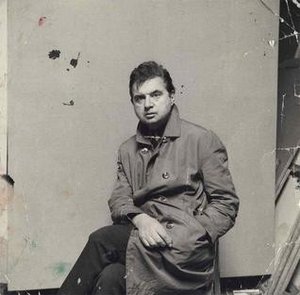
Francis Bacon
1909 - 1992 , Írsko
Rýchle fakty
- Artistic Movement Or Style: Exprezionizmus
- Artists Or Movements Influenced By This Artist: ['Post-war Expressionism']
- Artists Who Influenced This Artist:
- Picasso
- Egon Schiele
- Date Of Birth: 28. október 1909
- Date Of Death: 28. apríl 1992
- Full Name: Francis Bacon
- Nationality: Írsko-britský
- Notable Artworks:
- Three Studies...
- Pope series
- George Dyer portrait
- Place Of Birth (City And Country): Dublin, Írsko
Súvisiace články
The Existential Anguish of Francis Bacon: Trauma, Form & the Post-War Condition
Explore the profound existential anguish of Francis Bacon's art. Discover how trauma shaped his iconic paintings & lasting influence on modern expressionism. A guide for discerning collectors.

Top 10 majstrovských diel abstraktného expresionizmu pre váš domov | OriginalUniqueArt.com
Ponorte sa do sveta abstraktného expresionizmu s Pollockom, Rothkom a ďalšími majstrami. Objavte príbehy za 10 ikonických diel, techniky a farby, ktoré definovali toto revolučné umenie. Kvalitné reprodukcie na OriginalUniqueArt.com.
Francis Bacon: Top 25 diel pre milovníkov umenia a luxusný interiérový dizajn | OriginalUniqueArt.com
Ponorte sa do sveta Francis Bacona s OriginalUniqueArt.com! Objavte top 25 diel tohto majstra expresionizmu – portréty, triptychy a temné maľby plné emócií. Kúpiť reprodukcie obrazov pre luxusný interiérový dizajn. Preskúmajte celú kolekciu online!
Beyond Representation: Exploring the Emotional Landscape of Abstract Expressionism
Explore the profound emotional world of Abstract Expressionism with OriginalUniqueArt. Discover key artists like Pollock & Rothko, learn about collecting, and find museum-quality reproductions to inspire your space.

Wassily Kandinsky: Top 25 diel pre milovníkov umenia a dokonalý dizajn interiéru
Ponorte sa do sveta Wassilyho Kandinského s OriginalUniqueArt.com! Objavte top 25 diel abstraktného umenia, expresionizmu a farebných kompozícií. Kúpiť reprodukcie obrazov pre dokonalý dizajn interiéru. Explore the full collection online.


