

 Zobraziť v interiéri
 Odoslať
 Zdieľať
 Podrobnosti
 Príručka

 Stiahnuť
 Podobné položky
 RTG skúška
 Prehliadanie diapo\]
 Štatistiky
Madonna with Child
 Oil On Panel
- Renaissance Early Renaissance
 1514
1514 93.0 x 68.0 cm
 Ermitáž
 Prečítať si viac
Giclée / Umenotlač
Giclée tlač alebo plátno múzeálnej kvality s rýchlou výrobou a rôznymi možnosťami povrchovej úpravy. ( Objednať ručne maľovanú reprodukciu Prepnúť na digitálnu verziu obrazu)




P118B €10

P118H €10

P118W €10

P438Z €10

P508JH €12

P508YH €12

P805H €10

P805Z €10

P919BZ €10

P919G €10

P919XJ €10

P959ZH €10

P968JZ €12

W106C €8

W218G €10

W218JH €8

W218Y €10

W307PJ €10

W316G €10

W316PJ €8

W316Y €10

W398PJ €8

W4111J €10

W500HY €15

W500JH €15

W692G €12

W849H €8

W940BG €15

W953PJ €8




Vyberte si z našich preddefinovaných rozmerov, ktoré zodpovedajú pôvodným pomeroḿ diela.

Zadajte šírku a výšku, ktoré potrebujete, aby sa reprodukcia hodila k vášmu rámu alebo stene. Print možno len orezávať, nikdy však nemennú veľkosť zvětšiť oproti pôvodnému obrázku, preto pri inom formáte stráca časť obrazu. Pred samotným vytlačiacím procesom vám pošleme digitálny náhľad na schválenie. Obrázok zobrazený na tejto stránke nezobrazuje reálny rez — len digitálny náhľad ukazuje presný výsledok.
Celosvetová doprava () do 2 týždňov namiesto štandardných 4 až 5 týždňov. (26 október)

Bezplatná expresná doprava po celom svete

Vysokokvalitné lnianske plátno

Úplné poistenie prepravy

Záruka vrátenia colného poplatku

Záruka presného farebného zhodnutia

100-dená politika vrátenia tovaru (iba pri vadách)

100% záruka vrátenia peňazí

Ponuka množstevnej zľavy
 Možnosť skla je dostupná len pri rozmeroch pod 110 cm

Madonna with Child
Giclée / Umenotlač
Veľkosť reprodukcie
-


Celková cena
€ 70
A Portrait of Devotion: Unveiling the Madonna with Child
Within the hallowed halls of the Hermitage Museum in St. Petersburg resides a painting that transcends mere representation, offering instead a profound glimpse into the heart of Renaissance faith and artistry – the Madonna with Child by Francesco Bigi, more commonly known as Franciabigio. Completed around 1514, this oil on panel is not simply a depiction of Mary cradling her infant son; it’s a carefully constructed tableau brimming with symbolism, technical mastery, and an undeniable emotional resonance that continues to captivate viewers centuries later.
Franciabigio, a Florentine artist born around 1482 and tragically passing in 1525, carved out a unique niche within the artistic landscape of his time. Unlike many of his contemporaries who focused primarily on grand religious commissions, Franciabigio distinguished himself through his evocative portraits and masterful frescoes. His work is characterized by an intimate quality, a remarkable ability to capture not just physical likeness but also the subtle nuances of human emotion – qualities that are powerfully evident in this Madonna with Child.
The Anatomy of Faith: Symbolism and Composition
At first glance, the painting presents a serene scene: Mary, depicted as a youthful woman radiating grace and composure, holds the infant Jesus close. His gaze is direct, engaging the viewer with an innocent curiosity that belies his divine status. However, beneath this surface tranquility lies a complex web of symbolism. The dove hovering above the Madonna – a frequent motif in Christian art – represents the Holy Spirit, signifying divine guidance and blessing. The small object held by the infant Jesus, often interpreted as a bird or a small dove, further reinforces this theme of peace and spiritual grace.
Franciabigio’s compositional choices are equally deliberate. The figures are arranged within a balanced, harmonious space, creating a sense of stability and tranquility. The soft, rounded forms, characteristic of the High Renaissance style, lend a lifelike quality to the subjects, while the gentle use of light and shadow imbues the scene with an ethereal glow. The background landscape, rendered in muted greens and blues, provides a subtle yet effective contrast to the vibrant colors of Mary’s robe – a rich red that speaks to her role as Mother of God.
A Master's Touch: Technique and Historical Context
Francibigio’s technical skill is undeniable. His use of color is remarkably sophisticated, particularly in his rendering of textures—the delicate folds of Mary’s robe, the soft curls of the infant Jesus’ hair. The painting demonstrates a keen understanding of perspective and anatomy, reflecting the influence of artists like Leonardo da Vinci, whose anatomical studies profoundly impacted Renaissance art.
The Madonna with Child was created during a period of significant artistic innovation in Florence, a time when artists were pushing the boundaries of realism and exploring new ways to represent religious subjects. Franciabigio’s work stands as a testament to this dynamic creative environment, showcasing his ability to synthesize classical influences with contemporary trends. The painting's creation coincided with the rise of the Medici family, who commissioned numerous works of art to glorify their lineage and demonstrate their patronage of the arts.
A Timeless Legacy: Reproduction and Inspiration
Today, reproductions of the Madonna with Child continue to inspire artists and interior designers alike. Its serene beauty, profound symbolism, and masterful technique make it a timeless masterpiece that transcends its historical context. Whether displayed in a grand gallery or cherished within a private home, this painting offers a powerful reminder of the enduring power of faith, art, and human connection.
Otázky a odpovede
Aká je odporúčaná veľkosť tlače pre „Madonna with Child“ od Franciabigio?
Odporúčaná veľkosť tlače pre dielo „Madonna with Child“ od Franciabigio je Medium.
Aké sýte farby má dielo „Madonna with Child“?
Farby diela „Madonna with Child“ od Franciabigio vykazujú Subtle Color saturáciu s intenzitou Monochromatic.
Aký pocit vyvolávajú farby diela „Madonna with Child“ od Franciabigio?
„Madonna with Child“ od Franciabigio spája paletu v odtieňoch Earthy s Tranquil tónom.
Biografia umelca
Franciabigio: Florentínsky portrétista renesancie
Franciabigio (okolo 1482 – 24. januára 1525) predstavuje jedinečnú postać v živobudnej tapisérii florentinského umenia počas vrcholu renesancie. Je to maliar, ktorého odkaz žije predovšetkým v jeho expresívnych portrétoch a majstrovských freskách, skôr než v grandióznych náboženských zakázkach. Hoci definitívne biografické detaily zostávujú nejasné, vedci veria, že sa narodil vo Florencii vo Taliansku, pravdepodobne ako Francesco di Cristofano, hoci mená ako Marcantonio Franciabigio či Francia Bigio sa v historických záznamoch objavujú nesúradne. Jeho rané umelecké vzdelávanie prebehlo pod vedením Alberta Altramonteho, čo vytvorilo pevný základ pre jeho neskoršie spolupráce a štylistickú evolúciu. Kolem roku 1506 Franciabigio prešiel do štúdia Andrea del Sarta, čo znamenalo kľúčový moment v jeho kariére. Toto partnerstvo podané v prostredí plnom inovácie a experimentov vyvrcholilo ich spoločným založením dielne na Piazza del Grano – centra umeleckej aktivity, ktoré priťahovalo aj iných významných umelcov, ako boli Rosso Fiorentino, Pontormo, Francesco Indaco či Baccio Bandinelli. Franciabigio si rýchlo získal slávu vďaka svojej výnimočnej zručnosti pri tvorbe fresiek, čím si v tejto technike získal uznanie, že dokázal prekonať aj svojich súčasníkov. Práve v tomto médiu sa umelecká zručnosť Franciabigia skutočne rozsvietila – dokázal zachytiť jemné výrazy a s nevídanou citlivosťou vyjadriť psychologickú hĺbku postáv. Jeho sláva sa upevnila prostredníctvom portrétov preplavujúcich sa hmatateľným naturalizmom, čo ho odlíšilo od mnohých jeho kolegov, ktorí uprednostňovali idealizované zobrazenia. Na rozdiel od monumentálnych fresiek dominujúcich v kláštore Santa Maria della Annunziata, kde Andrea del Sarto vedol rozsáhlejší projekt spolu s Franciabiogom – čo bola spolupráca zastínená del Sartovým oslavovaným „Zrodením Venuše“ – sa Franciabigova práca sústreďovala na zachytenie individuálneho charakteru a emócie. Jeho dielo „Svadba Panny Mária“, vytvorené v roku 1513, je klasickým príkladom tohto prístupu, demonštrujúc jeho schopnosť premeniť biblické naratívy na humanistický realizmus. Freska „Večera Pána“ na objednávku pre Convento della Calza vo Florencii (1514) ešte viac upevnila jeho reputáciu – bol to monumentálny podnik pod dozorom Andrea del Sarta, ktorý zahŕňal konšteláciu umelcov vrátane Pontorma a Indaca. Franciabigova príspevok k tomuto ambicióznemu projektu však bol v porovnaní s del Sartovým majstrovským dielom výrazne striedmenejší, čo podčiarkovalo štylistickú dominanciu jeho mentora. Podobne v Convento della Salzo (1518–19) spolupracoval s Andrea del Sartom na dielach ako „Odchod svätého Jána Krteľa do púšte“ a „Stretnutie svätého Jána Krteľa s Ježišom“, čím potvrdil svoju neustálu angažovanosť do inovatívnych umeleckých úspeak. Jeho umelecká cesta vyvrcholila v Villa Medici v Poggio a Caiano (1520–21), kde sa venoval freskovaniu diela „Ciceronov triumf“ – projektu, ktorý ukázal štylistické príbuznosti Franciabiga s Pontormom, čo je obzvlášť zrejmé v lunete zobrazujúcej Vertumnusa a Pomonu. Na rozdiel od Pontormoveho svetelného zobrazenia mýtických postáv však Franciabigova kompozícia vyjadrovala pocit melanchólie a nepokoja – čo odrážalo proto-manieristickú senzibilitu, ktorá sa jemne odklonila od vtedajších estetických ideálov. Významným bodom jeho tvorby je aj „Retablo svätého Jóba“ (1516), ktoré demonštruje jeho technickú majstrosť a umeleckú víziu. Vplyv Franciabiga presiahol aj za jeho okamžitých súčasníkov; stopy štýlu Raffaela Sanzia možno rozpoznať v niekoľkých dieloch pripisovaných jemu – najmä v „Madone s dieťaťom“, čo podčiarkuje všadovstupný dopad renesančných umeleckých princípov. Franciabigovo trvalé oddedičenie spočíva v jeho schopnosti preložiť humanistické ideály do vizuálnej podoby a zachytiť zložitosti ľudských emócií s bezkonkurenčnou umelcovskou silou – čo je dôkazom jeho jedinečného prínosu do histórie florentinského umenia.
Franciabigio
1482 - 1525 , Taliansko
Rýchle fakty
- Artistic Movement Or Style: Renesancia
- Artists Or Movements Influenced By This Artist: ['Renesancia']
- Artists Who Influenced This Artist:
- Andrea del Sarto
- Raphael Sanzio
- Date Of Birth: Florencia, Taliansko (1482)
- Date Of Death: 24. január 1525
- Full Name: Francesco Cristofano
- Nationality: Talianska
- Notable Artworks:
- Portrét muža
- Hlava Madonny
- Anjel
- Retablo svätého Józa
- Svadba Panny Mária
- Večera Pána
- Odišiel Svätého Jána Krteľa
- Stretnutie Jána Krteľa
- Ciceronov triumf
- Vertumnus a Pomona
- Place Of Birth: Florencia
Súvisiace články
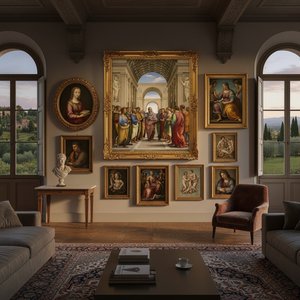
Raphaelove majstrovské diela: Top 25 obrazov pre váš domov | OriginalUniqueArt.sk
Objavte top 25 majstrovských diel Raffaela Sanzia! Pútavé príbehy, renesančné umenie a techniky slávnych obrazov. Reprodukcie pre luxusný interiér na OriginalUniqueArt.sk. Preskúmajte kolekciu online!
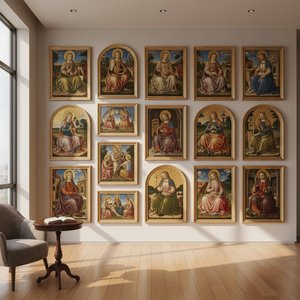
Fra Angelico: Top 25 Majstrovských Diel pre Krásu a Duchovnosť | OriginalUniqueArt.com
Objavte top 25 majstrovských diel Fra Angelica – renesančných fresiek a panelových malieb plných duchovnosti. Prežite príbehy umenia, techniky a farieb. Kvalitné reprodukcie obrazov na OriginalUniqueArt.com! Preskúmajte celú kolekciu online.

The Enduring Power of Painting: A Historical & Contemporary Exploration of Form and Emotion
Explore the rich history & enduring techniques of oil painting with OriginalUniqueArt. Discover masterpieces, learn about art collecting, and find authentic handmade reproductions crafted by skilled artists.

The Enduring Legacy of Oil on Canvas: Technique, History & Aesthetic Impact
Explore the rich history & techniques of oil painting – from Renaissance masters to Impressionism. Discover pigments, layering methods, and why this timeless medium endures. Expert insights for artists & art enthusiasts.

Oil on Canvas: A Historical & Technical Exploration of a Timeless Artistic Medium
Explore the rich history & enduring techniques of oil painting on canvas. Discover the science behind its longevity, conservation practices, and contemporary relevance. Expert insights for art enthusiasts.