Geometric Abstraction · 1954
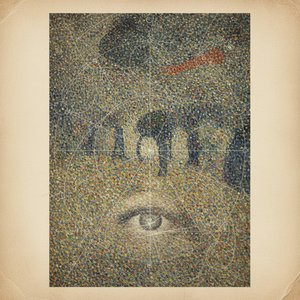
Study for the (Fernand Léger, 1954)
Fernand Léger (1881–1955) vytvoril Study for the . Pochádza z roku 1954. Patrí k umeleckému smeru Geometric Abstraction. Je vyrobené z Acrylic On Canvas. Nachádza sa v Museu do Caramulo v Caramulo, Portugalsko. Rozmery sú 38 × 44 cm.
- 1954
- Acrylic On Canvas
- 38 × 44 cm
- Museu do Caramulo

 Náhľad v interiéri

 Ručne maľovaná olejná reprodukcia
 Odoslať ako digitálnu kartu
 Zdieľať
 Informačný list


 Stiahnuť obraz
 Podobné položky
 RTG skúška
 Prehliadanie diapozoje
 Otázky a odpovede

 Štatistiky
Study for the v krátkosti
- Názov
- Study for the
- Umelec
- Fernand Léger (1881–1955)
- Narodený v roku
- Argentan, Francúzsko
- Dátum
- 1954
- Technika
- Acrylic On Canvas
- Rozmery
- 38 × 44 cm
- Kde si ho pozrieť
- Museu do Caramulo, Caramulo, Portugalsko
- Motív
- musical performance, geometric forms, modern landscape, instrument ensemble, urban scene, animal presence
Čo zobrazuje Study for the ?
A Symphony of Form and Feeling: Exploring Fernand Léger’s “Study for Breakfast”
Fernand Léger's "Study for Breakfast," completed in 1954, transcends mere representation; it embodies the very spirit of Pointillism—a technique championed by Georges Seurat and embraced wholeheartedly by Léger as a means to convey dynamism and immediacy. This unassuming landscape isn’t simply depicted as it appears before our eyes; instead, Léger meticulously constructs it from countless tiny dots of pigment, creating an illusion of depth and texture that defies conventional painting methods. The resulting image pulsates with energy, mirroring the rhythms of daily life—a quiet morning scene rendered with astonishing precision. It's a masterful demonstration of how abstraction can serve as a conduit for emotion and observation simultaneously.- Style: Pointillism – Léger’s signature style prioritizes optical mixing over blending pigments on canvas, resulting in vibrant hues that shimmer and shift subtly under the light.
- Technique: Léger employed a painstaking process of applying dots of color—typically yellow, red, and blue—to build up layers of tonal variation. This method demanded immense patience and meticulous attention to detail, reflecting Léger’s unwavering commitment to his artistic vision.
Historical Context: Embracing Modernity Amidst Postwar Uncertainty
Created in the aftermath of World War II, “Study for Breakfast” speaks to a broader cultural preoccupation with rebuilding and redefining beauty after devastation. Léger’s stylistic choices—the geometric abstraction and the deliberate fragmentation of form—were deliberately antithetical to the prevailing artistic trends of his time, signaling a rejection of Impressionism's focus on fleeting sensations and an embrace of the machine age’s influence on visual perception. This bold stance positioned Léger as a pioneer of abstract expressionism, anticipating developments that would reshape the landscape of 20th-century art.Symbolic Resonance: The Quiet Power of Observation
Despite its apparent simplicity, “Study for Breakfast” is laden with symbolic significance. Léger’s use of dots—representing individual particles and conveying movement—suggests a fascination with scientific principles and an attempt to capture the underlying order of nature. The muted palette contributes to a mood of contemplative serenity, inviting viewers to contemplate the beauty found in everyday moments. It's a subtle reminder that even amidst turbulent times, art can offer solace and inspire wonder.Emotional Impact: Capturing Essence Through Precision
Ultimately, Léger’s “Study for Breakfast” succeeds in conveying an emotional resonance far exceeding its visual surface. The artist doesn’t aim to evoke sentimental feelings but rather to distill the essence of a scene—the feeling of warmth, light, and stillness—into a meticulously crafted composition. This achievement underscores Léger's profound understanding of how abstraction can communicate complex ideas and sensations with remarkable effectiveness. It remains an enduring testament to his artistic genius and a captivating example of Pointillist artistry.V ktorom múzeu sa nachádza Study for the ?
Museu do Caramulo
Caramulo, Portugalsko
A Symphony of Steel and Soul Nestled within the verdant, undulating hills of the Serra do Caramulo in central Portugal, the Museu do Caramulo emerges as a breathtaking paradox, a sanctuary where the precision of mechanical engineering meets the profound depth of human creativity. This is not merely a repository for relics; it is a living dialogue between two seemingly disparate worlds. Founded by the visionary brothers Abel and João de Lacerda, the museum stands as a testament to a shared passion that refused to see boundaries between the roar of an engine and the silent grace of a brushstroke.


Vysoko rozlíšené fotografie diela Study for the

Fernand Léger, Study for the (1954), Museu do Caramulo. Verejné vlastníctvo
Otázky k dielu Study for the , odpovede
Kde je dnes vystavené dielo „Study for the“ od Fernand Léger?
Originál diela „Study for the“ od Fernand Léger sa nachádza v múzeu Museu do Caramulo, Caramulo, Portugalsko. Reprodukcia vám umožňuje toto dielo vystaviť priamo vo vašom domove.
V ktorom roku bolo vytvorené dielo „Study for the“?
Vznik diela „Study for the“ od Fernand Léger sa datuje do roku 1954.
V akom médiu je vytvorené dielo „Study for the“ od Fernand Léger?
Technikou diela „Study for the“ od Fernand Léger je Acrylic On Canvas. Reprodukcie majú za cieľ verné odovzdanie vzhľadu tejto techniky.
Aké sú rozmery originálu „Study for the“ od Fernand Léger?
Pôvodné rozmery diela "Study for the" sú 38 x 44 cm. Pôvodné rozmery sú užitočným vodidlom pri výbere veľkosti reprodukcie.
Čo zobrazuje dielo "Study for the"?
Predmetmi diela „Study for the“ sú musical performance, geometric forms, modern landscape, instrument ensemble, urban scene, animal presence, domestic setting, pointillism technique.
Je „Study for the“ vo voľnom dostupe?
Stav autorských práv pre „Study for the“ od Fernand Léger: dielo je v stave v slobodnom prostredí – autorské práva vypršali. To určuje, či je možné voľne vytvárať reprodukcie tohto obrazu.
Kto je umelcom diela „Study for the"?
Dielo „Study for the“ sa pripisuje autorovi Fernand Léger.
Do ktorého umeleckého smeru patrí „Study for the“ od Fernand Léger?
„Study for the“ od Fernand Léger patrí do smeru Geometric Abstraction. Tento smer poskytuje štylistický kontext diela.
K ktorej fáze tvorivého rozvoja Fernand Léger patrí dielo „Study for the“?
V rámci kariéry umelca Fernand Léger spadá dielo „Study for the“ do obdobia Mature Period, čo umožňuje jeho porovnanie s ostatnými prácami tohto umelca.
O umelcovi, Fernand Léger

1881–1955, Francúzsko
Fernand Léger
Fernand Léger: Život Vytvarovaný Formou Fernand Léger, narodený Joseph Fernand Henri Léger v roku 1881 v malej dedinke Argentan v Normandii, je zásadnou figúrou v evolúcii moderného umenia. Jeho cesta od poľnohospodárskych krajín detstva až po popredné miesto v parížskej avantgárdovej scéne je dôkazom neochrabného umeleckého zrakového zážitku a neustáleho úsilia o zachytenie ducha strojárstva. Na rozdiel od mnohých svojich kolegov, ktorí abstraktný um prispôsobili ako únik od reprezentácie, hľadal *integráciu* modernosti – jej dynamiku, mechanické formy, jej samotnú esenciu – do nového vizuálneho jazyka, ktorý bol zároveň silne abstraktný a hlboko zakorennený v pozoriteľnom svete. Jeho rané roky, sprevádzané fyzickou prácou na farmách, poskytli protiklad k priemyselnému budúcemu, ktorému sa tak vášnivým spôsobom venoval.
Aj od Fernand Léger
 Mesto1919
 The Mechanic1920
 Tri ženy1921
 Nudy v lese1910

Eseje k dielu Study for the
 Priemyselná estetika v umení: 10 diel pre moderný interiér | OriginalUniqueArtPonorte sa do sveta priemyselnej estetiky s 10 ikonickými dielami od Moneta po Pollocka. Objavte príbehy, techniky a farebné motívy industr…
 Georges Seurat: Pointillism, Perception & the Scientific Foundations of Modern ArtExplore the revolutionary art of Georges Seurat and the science behind Pointillism. Discover chromoluminarism, optical mixing, and the last…
 Mastering the Machine Age: The Top 25 Fernand Léger ArtworksImmerse yourself in the vibrant world of Fernand Léger. Explore 25 iconic masterpieces of Cubism and Tubism, from bold geometric forms to m…