Náhľad v interiéri
 Odoslať ako digitálnu kartu
 Zdieľať
 Podrobnosti o dielo
 Príručka

 Stiahnuť obraz
 Podobné položky
 RTG skúška
 Prehliadanie diapozoje
 Otázky a odpovede
 Štatistiky
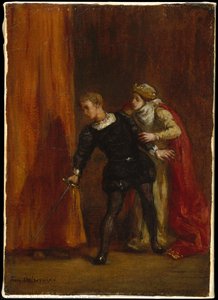
Illustration for Goethe's Faust

- 225.0 x 295.0 cm


 Zobraziť viac
Giclée / Umenotlač
Giclée tlač alebo plátno múzeálnej kvality s rýchlou výrobou a rôznymi možnosťami povrchovej úpravy. ( Kúpiť ručne maľovaný obraz Prepnúť na digitálny obraz)




P118B €10

P118H €10

P118W €10

P438Z €10

P508JH €12

P508YH €12

P805H €10

P805Z €10

P919BZ €10

P919G €10

P919XJ €10

P959ZH €10

P968JZ €12

W106C €8

W218G €10

W218JH €8

W218Y €10

W307PJ €10

W316G €10

W316PJ €8

W316Y €10

W398PJ €8

W4111J €10

W500HY €15

W500JH €15

W692G €12

W849H €8

W940BG €15

W953PJ €8




Vyberte si z našich preddefinovaných rozmerov, ktoré zodpovedajú pôvodným pomeroḿ diela.

Zadajte šírku a výšku, ktoré potrebujete, aby sa reprodukcia hodila k vášmu rámu alebo stene. Print možno len orezávať, nikdy však nemennú veľkosť zvětšiť oproti pôvodnému obrázku, preto pri inom formáte stráca časť obrazu. Pred samotným vytlačiacím procesom vám pošleme digitálny náhľad na schválenie. Obrázok zobrazený na tejto stránke nezobrazuje reálny rez — len digitálny náhľad ukazuje presný výsledok.
Celosvetová doprava () do 2 týždňov namiesto štandardných 4 až 5 týždňov. (6 november)

Bezplatná expresná doprava po celom svete

Vysokokvalitné lnianske plátno

Kompletné poistenie prepravy

Záruka vrátenia colného poplatku

Záruka presného farebného zhodnutia

100-dená politika vrátenia tovaru (iba pri vadách)

100% záruka vrátenia peňazí

Zľava pri väčšom množstve
 Možnosť skla je dostupná len pri rozmeroch pod 110 cm

Illustration for Goethe's Faust
Giclée / Umenotlač
Veľkosť reprodukcie
-


Celková cena
€ 72
A Vision of Ambition and Desire
Eugène Delacroix's pencil drawing, “Illustration for Goethe’s Faust,” is more than just a depiction of a scene from the renowned German tragedy; it’s a potent distillation of Romantic ideals – a swirling vortex of movement, emotion, and dramatic intensity. Created in 1825 and currently residing within the hallowed halls of the Musée du Louvre in Paris, this work offers a glimpse into Delacroix's artistic soul and his profound engagement with the philosophical currents of his time. The image immediately commands attention: a powerfully mounted figure, draped in a turban and adorned with a flowing beard, dominates the composition, his hand firmly gripping a sword – a symbol of both power and potential conflict. He’s not merely riding; he's actively engaged, projecting an aura of command and restless energy.
The scene unfolds against a backdrop of implied action and subtle narrative. Two figures flank the central figure, their postures suggesting observation or perhaps even intervention in this unfolding drama. A soaring bird punctuates the upper portion of the image, adding a layer of dynamism and hinting at freedom – a concept frequently explored within the Romantic movement. Delacroix masterfully employs pencil to capture not just the likenesses of his subjects but also the very essence of their emotions; the tension in the horseman’s stance, the implied threat in his grip, all contribute to a palpable sense of unease and anticipation.
The Romantic Palette: Delacroix's Signature Style
Delacroix was a pivotal figure in the Romantic movement, rejecting the rigid formality of Neoclassicism in favor of expressive brushwork, vibrant color palettes, and emotionally charged subject matter. His “Illustration for Faust” exemplifies these characteristics perfectly. Unlike the smooth, polished surfaces favored by earlier artists, Delacroix’s pencil strokes are loose and visible, creating a sense of immediacy and movement. The drawing is rich with subtle tonal variations – from deep shadows that engulf portions of the scene to highlights that illuminate the figure's face and clothing – contributing to its dramatic effect. The use of light and shadow isn’t merely decorative; it serves to heighten the emotional impact, emphasizing the character’s intensity and vulnerability.
- Dynamic Composition: The diagonal thrust of the horseman’s posture creates a sense of forward momentum, pulling the viewer into the scene.
- Expressive Pencil Technique: Delacroix's loose, visible strokes convey energy and emotion, characteristic of Romanticism.
- Rich Tonal Range: The skillful use of light and shadow adds depth and drama to the composition.
A Window into Goethe’s World
Delacroix's drawing is a visual interpretation of Johann Wolfgang von Goethe’s epic tragedy, “Faust.” The story itself explores themes of ambition, desire, morality, and the consequences of unchecked pursuit of knowledge. Faust, a brilliant scholar consumed by dissatisfaction, makes a pact with Mephistopheles – the Devil – exchanging his soul for worldly pleasures and limitless power. The drawing captures this pivotal moment, hinting at the dangerous allure of forbidden knowledge and the potential for ruin that lies within such bargains. It’s important to note that Delacroix wasn't simply illustrating a scene from the play; he was conveying its underlying themes through visual language.
The connection between Delacroix and Goethe extends beyond this particular drawing. Both artists shared a fascination with the power of emotion, the complexities of human nature, and the exploration of the sublime – that feeling of awe and terror inspired by the vastness and indifference of the natural world. Delacroix’s travels to North Africa, documented in works like “View of Tangier,” undoubtedly informed his artistic vision, providing him with a wealth of exotic subjects and a deeper understanding of human experience.
A Legacy Preserved: The Musée du Louvre
The “Illustration for Goethe’s Faust” is but one example of the extraordinary collection housed within the Musée du Louvre in Paris. This iconic institution is renowned for its vast holdings of European art spanning centuries and encompassing a diverse range of styles and movements. Delacroix’s work stands alongside masterpieces by other Romantic giants like Géricault and Ingres, offering visitors a comprehensive overview of the era's artistic landscape. For those seeking to delve deeper into Delacroix’s oeuvre, reproductions and original works can be found at Eugène Delacroix: View of Tangier and other notable pieces on OriginalUniqueArt.
Otázky a odpovede
Sú farby diela „Illustration for Goethe's Faust“ od Eugéne Delacroix sýte alebo tlmené?
Farby diela „Illustration for Goethe's Faust“ od Eugéne Delacroix majú Výrazná farebná sýtosť saturáciu. Saturácia určuje, ako sú farby živé alebo tlmené.
Akú techniku a štýl charakterizuje „Illustration for Goethe's Faust“ od Eugéne Delacroix?
„Illustration for Goethe's Faust“ je vytvorené v technike Akryl na plátne v štýle Romanticism.
Aký je pomer strán a aké sú rozmery diela „Illustration for Goethe's Faust“ od Eugéne Delacroix?
„Illustration for Goethe's Faust“ od Eugéne Delacroix má formát Horizontálna orientácia s rozmerami 225 x 295 cm.
Biografia umelca
Revolučné štetce: Život a odkaz Eugèna Delacroixa
Ferdinand Victor Eugène Delacroix, narodený v Charenton-Saint-Maurice neďaleko Paríža v roku 1798, bol viac než len maliar; bol zosobnením vášnivého ducha romantizmu. Vznikol ako popredná postava francúzskeho umenia počas obdobia spoločenských otrasov a posúvajúce sa estetiky ideálov. Delacroix odmietol prísny formalizmus neoklasicizmu, namiesto toho prijal drámu, emócie a živú paletu farieb, ktorá navždy zmenila chod maľby. Jeho život, poznačený osobnými tragédiami, sa stal neoddeliteľne spojený s jeho umeleckou víziou – snahou zachytiť sublime, preskúmať exotické svety a vyjadriť surovú silu ľudskej skúsenosti.
Delacroixove rané roky formovala komplexná rodinná história a mierne krehké zdravie. Zostal sirotou v šestnástich rokoch a našiel vedenie vplyvnej postave Charles-Maurice de Talleyrand-Périgorda, ktorého mnohí považovali za svojho pravého otca. Toto spojenie mu poskytlo kľúčovú patronáž a prístup do parížskeho umeleckého sveta. Najprv študoval u Pierre-Narcisse Guérina, rešpektovaného akademického maliara, ale práve dielo Théodora Géricaulta – najmä jeho monumentálna *Raft Medúzy* – skutočne zapálilo Delacroixovu umeleckú vášeň. Dokonca pózoval pre Géricaulta a absorboval od staršieho umelca oddanosť realizmu a emocionálnej intenzite.
Od historických scén k exotickým víziám
Delacroix prerazil na Salóne v roku 1822 s *Dante a Virgílius v pekle*, dielo, ktoré okamžite signalizovalo jeho odklon od zavedených noriem. Inšpirovaný Dante Alighieriho *Infernom* maľba predstavovala odvážne použitie farieb, dynamické kompozície a hmatateľný pocit psychického zmätku. Toto znamenalo začiatok kariéry venovanej skúmaniu tém vášne, konfliktu a ľudskej kondície. Hoci sa stretol so zmiešanými reakciami – niektorí kritici chválili jeho originalitu, iní odmietali jeho prácu ako chaotickú a postrádajúcu klasické zdokonaľovanie – Delacroix vytrval a rozvíjal osobitý štýl charakterizovaný voľnou maľbou štetcom, bohatými textúrami a dôrazom na pohyb.
Jeho fascinácia presahovala historické a literárne témy. Kľúčová cesta do severnej Afriky v roku 1832 hlboko ovplyvnila jeho umeleckú trajektóriu. Ponorený do živého kultúry Maroka bol Delacroix očarený exotickou krajinou, kočovným životným štýlom arabských kmeňov a intenzitou ich tradícií. Táto skúsenosť vniesla do jeho obrazov nový pocit farieb, svetla a energie, ako je vidieť na dielach ako *Arab Horses Fighting* a početných štúdiách alžírskych životov. Nesnažil sa len dokumentovať tieto scény; hľadal pochopenie základného ducha kultúry výrazne odlišnej od jeho vlastnej.
Sila farieb a politické angažovanie
Delacroixova majstrovská znalosť farieb je možno jeho najtrvalejším dedičstvom. Inšpiroval sa baroknou exuberanciou Rubensa a benátskych renesančných majstrov, pričom uprednostňoval chromatickú intenzitu pred presným kreslením. Pochopil, že farba môže vyvolať emócie, vytvárať atmosféru a odovzdávať význam spôsobmi, ktoré čiara sama o sebe nedokáže. Tento inovatívny prístup hlboko ovplyvnil nasledujúce generácie umelcov a pripravil cestu pre impresionizmus a postimpresionizmus.
Okrem svojich estetických inovácií bol Delacroix politicky angažovaný umelec. Jeho najikonickejšie dielo, *Sloboda vedie ľud* (1830), nie je len zobrazením júlovej revolúcie; je to silná alegória slobody a povstania. Dynamické kompozície maľby, alegorické postavy a surová emocionálna sila upevnili jej miesto v dejinách umenia ako symbol francúzskej národnej identity a revolučných ideálov. Nešlo len o dokumentovanie udalosti; išlo o zachytenie ducha národa bojujúceho za slobodu.
Trvalý vplyv
Delacroix pokračoval v plodnom maľovaní počas celého svojho života a skúmal rôznorodé témy od shakespearovských tragédií po biblické príbehy. Podieľal sa aj na významnej miere ako litograf, ilustrujúc diela literárnych gigantov ako William Scott a Johann Wolfgang von Goethe. Jeho štúdio sa stalo centrom umeleckých výmen, priťahujúc ambicióznych maliarov, ktorých zaujal jeho nekonvenčný prístup.
Do času svojej smrti v roku 1863 si Delacroix pevne upevnil pozíciu jedného z najväčších umelcov Francúzska. Jeho vplyv presahoval romantické hnutie a formoval vývoj moderného maliarstva, inšpiroval nespočetných umelcov svojím odvážnym použitím farieb, dynamickými kompozíciami a neochvejnou oddanosťou emocionálnemu vyjadreniu. Zostáva kľúčovou postavou v dejinách umenia – svedectvom o sile individuálnej vízie a trvalej príťažlivosti sublime.

Eugéne Delacroix
1798 - 1863 , Francúzsko
Základné informácie
- Artistic Movement Or Style: Romantizmus
- Artists Or Movements Influenced By This Artist:
- Impresionizmus
- Postimpresionizmus
- Artists Who Influenced This Artist:
- Rubens
- Talianski renesanční majstri
- Date Of Birth: 26. apríl 1798
- Date Of Death: 13. august 1863
- Full Name: Eugène Delacroix
- Nationality: Francúz
- Notable Artworks:
- Liberty Leading the People
- The Death of Sardanapalus
- Arab Horses Fighting
- Place Of Birth: Chantonnay, Francúzsko
Súvisiace články

Ferdinand Delacroix: Romanticism's Revolutionary Brush – A Study of Passion, Politics, and Painterly Innovation
Explore the revolutionary art of Eugène Delacroix, leader of French Romanticism. Discover his masterful use of color, political engagement, and lasting influence on modern painting. Learn about key works & history.
Kay Rasmus Nielsen: A Golden Age Illustrator's Enchanting Legacy of Symbolism & Narrative
Explore the captivating world of Kay Rasmus Nielsen, a celebrated Golden Age illustrator renowned for his Art Nouveau fairy tale art & Disney contributions. Discover his unique style, enduring legacy, and how to collect his enchanting works.
The Power of Graphite: Mastering Depth, Texture, and Detail in the Art of Pencil Drawing
Explore the profound artistry of graphite drawing. Discover professional techniques for mastering depth, texture, and detail through a lens of art history, from classical sketches to modern masterpieces. Elevate your understanding of the pencil medium with our expert guide.

Louvre: Top 25 majstrovských diel pre váš domov – Umění, história a dekorácie
Objavte top 25 majstrovských diel z Louvre v Paríži! Od Mona Lisy po Venus z Miléta – príbehy umelcov, techniky a nadčasná krása. Reprodukcie obrazov pre váš domov na OriginalUniqueArt.com. Preskúmajte kolekciu online.
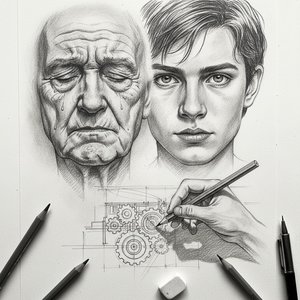
The Nuances of Graphite: Exploring Emotional Depth & Technical Mastery in Pencil Drawing
Explore the captivating world of graphite drawing! Discover its rich history, master essential techniques like chiaroscuro, and learn how artists evoke emotion through this timeless medium. Expert insights for art enthusiasts.