

 Zobraziť v interiéri
 Odoslať
 Zdieľať
 Podrobnosti
 Príručka

 Stiahnuť
 Podobné položky
 RTG skúška
 Prehliadanie diapo\]
 Štatistiky
In the camp
 Acrylic On Canvas
- WallArt
- Surrealism
 1940
1940 47.0 x 42.0 cm
 Deutsches Historisches Museum
 Prečítať si viac
Ručne maľovaná olejová reprodukcia
Ručne maľovaný olej na plátne vo vašej zvolenej veľkosti a v ráme, vyrobený na mieru našimi umelcami. ( Prepnúť na tlač Prepnúť na digitálnu verziu obrazu)




P118B €10

P118H €10

P118W €10

P438Z €10

P508JH €12

P508YH €12

P805H €10

P805Z €10

P919BZ €10

P919G €10

P919XJ €10

P959ZH €10

P968JZ €12

W106C €8

W218G €10

W218JH €8

W218Y €10

W307PJ €10

W316G €10

W316PJ €8

W316Y €10

W398PJ €8

W4111J €10

W500HY €15

W500JH €15

W692G €12

W849H €8

W940BG €15

W953PJ €8




Vyberte si z našich preddefinovaných rozmerov, ktoré zodpovedajú pôvodným pomeroḿ diela.

Zadajte šírku a výšku, ktoré potrebujete, aby sa dielo hodilo k vášmu rámu alebo stene. Keďže ide o ručnú maľbu, pri rozmeroch s odlišným pomerom strán môže umelec namalovať o niečo viac okolo obrázka alebo ho mierne orezatú — výber patrí vám. Pred začatím maľovania vám pošleme digitálnu ukážku na schválenie. Obrázok zobrazený na tejto stránke nenahrádza reálny výsledok — ten zobrazuje iba digitálna ukážka.
Po odoslaní objednávky vám tím OriginalUniqueArt.com pošle e-mail s pokynmi a poskytne náhľad na návrh
Celosvetová doprava () za 3 až 4 týždne namiesto štandardných 5 týždňov. (27 október). Bez kompromisov v kvalite.

Bezplatná expresná doprava po celom svete

Vysokokvalitné lnianske plátno

Úplné poistenie prepravy

Záruka vrátenia colného poplatku

Záruka presného farebného zhodnutia

100-dená politika vrátenia tovaru (iba pri vadách)

100% záruka vrátenia peňazí

Ponuka množstevnej zľavy
 Možnosť skla je dostupná len pri rozmeroch pod 110 cm

In the camp
Spôsob reprodukcie
Veľkosť reprodukcie
-


Celková cena
€ 264
Felix Nussbaum’s “In The Camp” – A Portrait of Despair Rendered in Bold Minimalism
The painting "In The Camp" by Felix Nussbaum, created in 1940 during his imprisonment at Saint Cyprien internment camp—a harrowing experience that encapsulates the psychological toll of Nazi persecution—stands as a testament to both artistic innovation and profound human emotion. Nussbaum’s oeuvre is marked by Neue Sachlichkeit, or New Objectivity, an art movement born from disillusionment with Expressionism's emotional fervor following World War I. This stylistic choice reflects Nussbaum’s desire to confront the brutal realities of his situation without resorting to sentimental melodrama—a deliberate rejection of artistic conventions that would have obscured the gravity of the subject matter.- Subject Matter: The painting depicts a man seated on a crate in the sand, positioned against a bleak landscape dominated by barbed wire and scattered bones. This stark visual representation underscores the dehumanizing conditions endured by Jewish internees during the occupation of France.
- Composition & Technique: Nussbaum employs a minimalist approach—primarily black and white—to heighten the impact of his depiction. The subdued palette amplifies the sense of isolation and hopelessness, mirroring the psychological state of those imprisoned. Thick brushstrokes contribute to textural richness, conveying both physical discomfort and emotional turmoil.
- Symbolism: Several elements within the painting carry symbolic weight. The man’s slumped posture embodies defeat and resignation; his downward gaze signifies introspection and despair. The woman defecating into a steel drum serves as a visceral reminder of the degradation inherent in the camp environment, symbolizing loss of dignity and humanity.
- Historical Context: Created during the Second World War, “In The Camp” captures the pervasive atmosphere of fear and uncertainty that gripped Europe under Nazi rule. Nussbaum’s artistic response to this crisis reflects a broader trend toward confronting uncomfortable truths—a courageous assertion of human experience amidst unimaginable suffering.
Exploring Nussbaum's Artistic Vision: Neue Sachlichkeit & Its Influence
Neue Sachlichkeit, championed by artists like Georg Grosz and Otto Dix, rejected the expressive distortions favored by Expressionism in favor of a rigorously objective portrayal of reality—often unflinching in its depiction of social ills. Nussbaum’s stylistic commitment aligns perfectly with this movement's ethos: he eschews emotional embellishment to convey the bleakness of his surroundings with uncompromising honesty. This deliberate aesthetic choice underscores Nussbaum’s conviction that art should serve as a conduit for confronting difficult truths and fostering empathy for those experiencing hardship.The Emotional Resonance of “In The Camp”: A Window Into Existential Angst
Beyond its formal qualities, "In The Camp" possesses a palpable emotional resonance—a haunting portrayal of existential angst that transcends time and circumstance. Nussbaum’s masterful use of light and shadow contributes to the painting's dramatic intensity, emphasizing the man’s vulnerability against the backdrop of oppressive surroundings. The overall impression is one of profound sadness and disillusionment—a poignant reminder of the human cost of ideological extremism.Reproductions & Artistic Legacy: Bringing Nussbaum’s Vision Home
High-quality reproductions of “In The Camp” offer a captivating glimpse into Nussbaum's artistic genius and his unflinching engagement with the horrors of the Holocaust. These prints allow viewers to appreciate the painting’s meticulous detail and expressive power—a testament to Nussbaum’s enduring legacy as an artist who bravely confronted darkness while striving to preserve beauty amidst despair. Consider framing it in a neutral tone to maximize its impact, enhancing its contemplative mood.Otázky a odpovede
Môžem si pozrieť "In the camp" ako prejav v režime celého obrazovky?
K dispozícii je diaporama: stránka Diaporama diela „In the camp“ od Felix Nussbaum.
Aká je celková svetlá alebo tmavá skladba "In the camp"?
Z hľadiska vnímanej jasnosti je „In the camp“ od Felix Nussbaum balanced.
Do ktorej miestnosti sa vzhľadom na farebnú skladbu odporúča „In the camp“ od Felix Nussbaum?
Earthy farebná paleta diela „In the camp“ od Felix Nussbaum dokonale ladí s jeho odporúčaným priestorom: Living Room.
Biografia umelca
Felix Nussbaum (1904-1944): A Life Etched in Exile
Felix Nussbaum’s story is a stark and profoundly moving testament to the power of art born from unimaginable suffering. Born in Osnabrück, Germany, in 1904, his life unfolded against the backdrop of rising nationalism and escalating persecution, culminating in the horrors of the Holocaust. He wasn't simply a victim *of* history; he was an artist who meticulously documented its impact on his soul, creating a body of work that stands as both a personal lament and a universal warning. Nussbaum’s paintings offer a rare, unflinching glimpse into the psychological landscape of displacement, fear, and ultimately, annihilation – a perspective often absent from broader historical narratives. His father, Philipp Nussbaum, a World War I veteran with an early passion for painting himself, recognized and nurtured his son's talent, providing encouragement that would prove vital in the darkening years to come. This initial support fostered a lifelong dedication to art, even as political realities increasingly constricted his path.Early Life and Artistic Influences
Nussbaum’s artistic journey began with formal studies in Hamburg and Berlin in 1920, continuing for as long as circumstances allowed. His early work reveals a clear debt to the Post-Impressionist masters, particularly Vincent van Gogh and Henri Rousseau. The vibrant colors and expressive brushwork of these artists provided a foundation upon which Nussbaum would later build his unique style. However, he wasn’t content with mere imitation. He actively sought out new influences, drawn to the unsettling dreamscapes of Giorgio de Chirico and Carlo Carrà, pioneers of the *pittura metafisica* movement. The careful attention to color demonstrated by Carl Hofer's expressionist paintings also left a lasting impression on Nussbaum’s approach. These diverse inspirations coalesced into what would become known as his “New Objectivity” style – a blend of realism and surrealism, characterized by precise detail, unsettling compositions, and a pervasive sense of alienation. This period was marked by experimentation and growth, but the looming shadow of Nazi ideology soon threatened to extinguish his artistic promise. He took refuge in Rome after 1933 where he studied under a scholarship awarded by the German government.The Rise of Fascism and Artistic Resistance
The ascent of Adolf Hitler and the National Socialist party in 1933 irrevocably altered Nussbaum’s life trajectory. Studying on a scholarship at Villa Massimo, Rome, he witnessed firsthand the chilling pronouncements of Hitler's propaganda minister regarding Nazi artistic values – glorification of heroism and the Aryan race. Recognizing that as a Jew, he could not remain within this ideological framework, Nussbaum made the courageous decision to leave Rome in 1933. Shortly thereafter, his studio was destroyed by arson—a deliberate act orchestrated by Nazi sympathizers—effectively erasing much of his early oeuvre. Despite facing immense hardship and persecution, Nussbaum continued to paint prolifically during this period, driven by an unwavering commitment to artistic expression as a form of resistance against oppression. His work became increasingly imbued with themes of exile, loss, and psychological torment – reflections of his own personal experience and the broader anxieties of European Jewry under Nazi rule.Exile and Artistic Transformation
In 1937, Nussbaum and Felka Platek emigrated to Belgium, seeking refuge from the escalating dangers posed by Nazi Germany. They established a home in Ostende, where Nussbaum continued his artistic endeavors amidst the uncertainty of wartime conditions. His paintings from this era—particularly *The Beach at Rapallo*, 1934—capture the fleeting beauty of a moment before the storm of war descended upon Europe. The poignant depiction of Felka Platek painting—a portrait of his beloved wife—underscores Nussbaum’s enduring fascination with capturing human emotion and vulnerability. As the Nazi occupation deepened, Nussbaum faced increasing restrictions on his freedom and artistic activity. Nevertheless, he persevered, producing some of his most powerful works during this period—including *The Great Disaster*, 1939—a haunting meditation on the impending catastrophe that would engulf Europe.A Legacy of Suffering and Artistic Integrity
The Nazi invasion of Belgium in 1940 marked a devastating turning point for Nussbaum’s life. Arrested as a “hostile alien,” he endured imprisonment at Saint-Cyprien camp, where he documented the dehumanizing conditions of internment with unflinching honesty. He escaped captivity and sought refuge with Felka Platek, relying on the generosity of Belgian friends for sustenance and protection. Nussbaum continued to paint relentlessly during this perilous period—producing *Self Portrait with Jewish Identity Card*, 1943—a visceral depiction of existential anguish—and *Triumph of Death*, 1944—a monumental canvas imbued with symbolic references to mortality and the horrors of the Holocaust. Tragically, Nussbaum’s parents perished at Auschwitz in August 1944—a devastating loss that underscored the immensity of his personal tragedy. Shortly thereafter, he and Felka were deported to Mechelen transit camp, where Felix was murdered upon arrival in August of that year. His brother and sister-in-law followed soon after, completing the annihilation of Nussbaum’s family within a single year. Despite this unimaginable loss, Nussbaum's art—particularly *Self Portrait with Jewish Identity Card* and *Triumph of Death*—remains a profoundly moving testament to human resilience and artistic integrity—a haunting reminder of the horrors endured during the Holocaust and an enduring symbol of courage in the face of oppression.
Felix Nussbaum
1904 - 1945 , Nemecko
Rýchle fakty
- Artistic Movement Or Style: Surrealism, New Objectivity
- Artists Or Movements Influenced By This Artist: ['Karl Hofer']
- Artists Who Influenced This Artist:
- Vincent van Gogh
- Henri Rousseau
- Giorgio de Chirico
- Date Of Birth: 1904
- Full Name: Felix Nussbaum
- Nationality: German-Jewish
- Notable Artworks:
- Self Portrait with Jewish Identity Card
- Triumph of Death
- Place Of Birth: Osnabrück, Germany
Súvisiace články
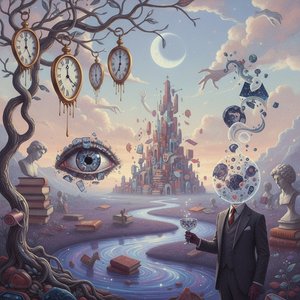
Beyond Reality: A Connoisseur's Guide to the Subconscious Majesty of Surrealism
Embark on a sophisticated journey through the dreamlike world of Surrealism. Discover the profound symbolism of masters like Dalí and learn how to curate evocative, subconscious-inspired masterpieces for your private collection with expert art historical insight.
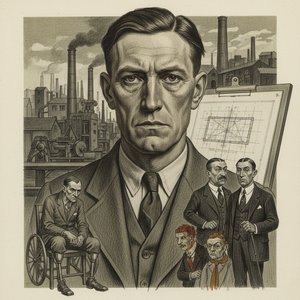
Neue Sachlichkeit: Objectivity, Realism & Social Commentary in Interwar German Art
Explore Neue Sachlichkeit – the pivotal German art movement critiquing Weimar society with unflinching realism. Discover key artists like Dix & Grosz, its historical context, and collecting insights for discerning investors.

Unblinking Truths: The Clinical Realism of Germany’s Neue Sachlichkeit
Explore the clinical precision of German New Objectivity through masters like Otto Dix. Discover the truth behind the Weimar era's raw realism.
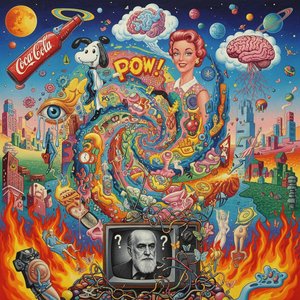
Pop Surrealism: A Collision of Culture, Dreams & the Subconscious in Post-War Art
Explore the captivating world of Pop Surrealism with OriginalUniqueArt. Discover key artists like George Condo & Robert Williams, investment potential, and the movement's cultural impact. Expert insights for collectors.
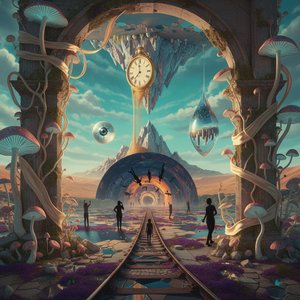
Dreamscapes & Disrupted Realities: Exploring Surrealism's Enduring Influence
Explore the fascinating world of Surrealism! Discover its origins, key artists like Dalí & Magritte, and enduring influence on art & culture. Expert insights & high-quality reproductions at OriginalUniqueArt.
