
 Náhľad v interiéri
 Odoslať ako digitálnu kartu
 Zdieľať
 Podrobnosti o dielo
 Príručka

 Stiahnuť obraz
 Podobné položky
 RTG skúška
 Prehliadanie diapozoje
 Q&A
Q&A Štatistiky
The First Communion

- 65.0 x 53.0 cm


 Zobraziť viac
Giclée / Umenotlač
Giclée tlač alebo plátno múzeálnej kvality s rýchlou výrobou a rôznymi možnosťami povrchovej úpravy. ( Kúpiť ručne maľovaný obraz Prepnúť na digitálny obraz)




P118B €10

P118H €10

P118W €10

P438Z €10

P508JH €12

P508YH €12

P805H €10

P805Z €10

P919BZ €10

P919G €10

P919XJ €10

P959ZH €10

P968JZ €12

W106C €8

W218G €10

W218JH €8

W218Y €10

W307PJ €10

W316G €10

W316PJ €8

W316Y €10

W398PJ €8

W4111J €10

W500HY €15

W500JH €15

W692G €12

W849H €8

W940BG €15

W953PJ €8




Vyberte si z našich preddefinovaných rozmerov, ktoré zodpovedajú pôvodným pomeroḿ diela.

Zadajte šírku a výšku, ktoré potrebujete, aby sa reprodukcia hodila k vášmu rámu alebo stene. Print možno len orezávať, nikdy však nemennú veľkosť zvětšiť oproti pôvodnému obrázku, preto pri inom formáte stráca časť obrazu. Pred samotným vytlačiacím procesom vám pošleme digitálny náhľad na schválenie. Obrázok zobrazený na tejto stránke nezobrazuje reálny rez — len digitálny náhľad ukazuje presný výsledok.
Celosvetová doprava () do 2 týždňov namiesto štandardných 4 až 5 týždňov. (3 november)

Bezplatná expresná doprava po celom svete

Vysokokvalitné lnianske plátno

Kompletné poistenie prepravy

Záruka vrátenia colného poplatku

Záruka presného farebného zhodnutia

100-dená politika vrátenia tovaru (iba pri vadách)

100% záruka vrátenia peňazí

Zľava pri väčšom množstve
 Možnosť skla je dostupná len pri rozmeroch pod 110 cm

The First Communion
Giclée / Umenotlač
Veľkosť reprodukcie
-


Celková cena
€ 71
The Haunting Beauty of "The First Communion": A Symbolist Portrait of Innocence
Eugène Anatole Carrière’s “The First Communion,” painted in 1896, isn't merely a depiction of a religious ceremony; it’s a profoundly evocative exploration of childhood innocence, spiritual yearning, and the subtle anxieties that lie beneath the surface of faith. This masterpiece, now housed within the collections of art institutions worldwide, exemplifies Carrière’s signature style – a near-monochrome palette dominated by muted browns and greys, creating an atmosphere of ethereal mystery and quiet melancholy. The painting immediately draws the viewer into a dreamlike space, where reality seems to soften and blur at the edges.
Carrière's artistic journey was deeply influenced by his time as a prisoner in Dresden during the Franco-Prussian War. Exposure to the works of Peter Paul Rubens, with their rich, glowing colors and dramatic lighting, left an indelible mark on his approach to painting. This influence is subtly present in “The First Communion,” though Carrière ultimately developed his own distinctive style – one characterized by a deliberate reduction of color to its most essential tones, emphasizing mood and atmosphere over precise representation. The use of brown creates a sense of timelessness, suggesting that the scene unfolds outside of specific time or place, existing instead within a realm of spiritual contemplation.
A Study in Symbolism: Veil, Light, and Shadow
The central figure of the painting – a young girl receiving communion – is enveloped in a veil, a potent symbol of purity, concealment, and nascent faith. The veil isn’t simply an article of clothing; it acts as a visual barrier, hinting at the mysteries surrounding religious initiation and the vulnerability inherent in entering into a sacred tradition. The lighting within the painting is equally significant. A diffused light source casts long shadows across the girl's face and gown, contributing to the overall sense of solemnity and introspection. The interplay of light and shadow creates a visual metaphor for the spiritual journey – a movement from darkness towards enlightenment.
Carrière’s technique is notable for its meticulous layering of paint and subtle blending. He eschews sharp outlines and bold brushstrokes, opting instead for a fluid, almost watercolor-like application that lends the scene an ethereal quality. The smooth texture of the canvas, combined with the delicate gradations of color, creates a sense of translucence, as if the girl herself is partially obscured by a veil of spiritual mist. The simplified forms and flattened perspective further enhance this dreamlike effect, distancing the viewer from a realistic portrayal and inviting them to contemplate the painting’s symbolic meaning.
Historical Context and Artistic Legacy
"The First Communion" was created during the late 19th century, a period of profound social and artistic change. The Symbolist movement, which Carrière embraced, sought to express subjective emotions and spiritual experiences through art, often rejecting the realism and materialism of earlier artistic traditions. This painting aligns perfectly with the Symbolist aesthetic – it’s not about depicting a literal event but rather conveying a complex range of feelings associated with religious initiation and the transition from childhood innocence to adult faith.
Carrière's work had a significant impact on subsequent generations of artists, particularly Pablo Picasso. The influence of Carrière’s monochrome palette and his exploration of psychological themes can be seen in Picasso’s Blue Period, demonstrating the enduring legacy of this enigmatic French artist. “The First Communion” remains a powerful testament to Carrière's artistic vision – a hauntingly beautiful portrayal of faith, innocence, and the mysteries of the human spirit.
Collecting a Timeless Masterpiece: Reproductions and Beyond
OriginalUniqueArt offers high-quality reproductions of “The First Communion,” allowing art lovers worldwide to experience the beauty and emotional depth of this iconic painting. Whether you’re seeking a stunning addition to your home or office, or simply want to connect with the artistic legacy of Eugène Carrière, our meticulously crafted reproductions capture the essence of the original while offering exceptional value. Explore our collection today and bring this evocative masterpiece into your world.
Otázky a odpovede
Ako si môžem pozrieť „The First Communion“ od Eugén Carrière v formie prezentácie?
K dispozícii je diaporama: stránka Prehliadanie diela diela „The First Communion“ od Eugén Carrière.
S akým pocitom sa spája „The First Communion“?
Emocionálny tón zaznamenaný pre „The First Communion“ od Eugén Carrière je Melancholic. Tento opis vystihuje pocit, ktorý toto dielo vyjadruje.
Môžem si "The First Communion" pozrieť podrobnejšie?
Dielo „The First Communion“ je možné skúmať vrstvu po vrstve na jeho stránke RTG skenovanie, ktorá funguje ako interaktívny prehliadač inšpirovaný konzervačným svetelným stolom a ponúka jedenaásť optických náhľadov na obraz.
Biografia umelca
Eugén Carrière
Eugén Carrière bol francúzsky symbolistický umelec obdobia fin-de-siècle, ktorý sa narodil 16. januára 1849 v Gournay-sur-Marne (Seine-Saint-Denis). Jeho štúdium na École des Beaux-Arts v Paríži a neskôr pod Cabanelom položilo základy jeho budúceho umeleckého pôsobiežia.Životné obdobie a Školenie
Carrière bol pätnáctym dieťatom z rodičov Leon Camille Josepha Carriera, poisťovateľského podnikateľa, a Élisabeth Wetzelovej. Narodil sa v Strasbourgu, kde získal prvotné umelecké vzdelanie na École Municipale de Dessin ako súčasť svojho učebného miestnosti v oblasti litografie. V roku 1868 krátko pracoval ako litograf v Paríži a bol tak veľmi ovplyvnený výtvornosťou Petra Paula Rubensova, ktorému sa otvoril počas svojho väzenia v Dredsdach. Tento vplyv je viditeľný vo svetlých farbách jeho skorších diel. Jeho umelecké vzdelanie pokračovalo pod Cabanelom na École des Beaux-Arts a bol prerušený vojnou medzi Francúzskom apruskom, počas ktorej pôsobil ako väziník v Dredsdachu.Umelecký Štýl a Vplyvy
Carrièreho maľby sú známe svojou výraznou hnedou monochromatickou paletou, ktorá bola predmetom fascinácie mnohých umelcov. Jeho tvorba bola ovplyvnená výtvornosťou Petra Paula Rubensova, ktorému sa otvoril počas svojho väzenia v Dredsdach. Tento vplyv je viditeľný vo svetlých farbách jeho skorších diel. Jeho štýl bol ovplyvnený tiež umelcami ako Rubens a Rembrandt. Carrière používal výraznú hnedú paletu, ktorá vyjadruje melanchóliu a izoláciu. Jeho práce boli ovplyvňované tiež filozofiou Nietzscheho a estetickou teoriou Baudelairea.Významné Dielo a Výstava
* **Mladá Mater (1879)**: Táto obrazovka, ktorá je dnes vystavená v Musée des Beaux-Arts de Rouen, predstavuje jednu z jeho najvýznamnejších diel. Označila začiatok jeho tematického výberu domácich scén, ktoré sa stali znakom jeho umeleckého štýlu. * **Nemocné Dieťa (Montargis)**: Tento obraz zobrazuje mladé dieťa v nemocniciach a vyjadruje bolestivosť a zraniteľnosť ľudského tela. Jeho práce boli vystavené na Výstavách spoločnosti národnej krásnych umení, ktoré Carrière pomohol založiť. * **Prvé Komúnia (Toulon)**: Táto obrazovka zobrazuje mladého človeka počas prvého prijímania Eucharistie a vyjadruje duchovnú hodnotu kresťanského sviatku. Jeho práce boli uznávané kritikom Rogerom Marxom, ktorý ho považoval za jedno z hlavných slov ruského symbolizmu. * **Portrét Louisa Henriho Devillez (1887)**: Tento obraz zobrazuje podnikateľa Louisa Henriho Devillez a je známý svojím vysokým umeleckým stupňom v zachytávaní podstaty jeho subjektu. Jeho práce boli vystavené na Výstavách spoločnosti národnej krásnych umení, ktoré Carrière pomohol založiť.Posledné Životné Obdobie a Pamätník
Carrière pokračoval vo výučbe mladých umelcov v Ferdinande Humbertovej akadémii v Paríži až do roku 1905. Jeho práce ovplyvnili Picasso, Matisse a ďalších významných umelcov obdobia avantgardy. Eugène Carrière zomrel 27. marca 1906 v Paríži. Jeho umelecké dielo zostalo súčasťou francúzskej kultúry a jeho štýl má pokračujúci vplyv na súčasné umenie. Jeho posledné roky boli plné tvorby a uznania, čo ho zaradil medzi najvýznamnejších predstaviteľov francúzskeho symbolizmu. Jeho diel je vystavených v mnohých múzeách po celom svete.
Eugén Carrière
1849 - 1906 , Francúzsko
Základné informácie
- Artistic Movement Or Style: Symbolizmus
- Artists Or Movements Influenced By This Artist: ['Pablo Picasso']
- Artists Who Influenced This Artist: ['Peter Paul Rubens']
- Date Of Birth: 16 januára 1849
- Full Name: Eugène Anatole Carrière
- Nationality: Francúzsko
- Notable Artworks:
- The Sick Child
- Young Mother
- Place Of Birth: Gournay-sur-Marne, Francúzsko
Súvisiace články
Sacred Narratives on Canvas: Exploring Religious Painting Through History
Explore the rich history of religious painting with OriginalUniqueArt.com! Discover iconic artworks, symbolism & techniques from antiquity to the Renaissance. Enhance your art appreciation today.
Simon Vouet: A Baroque Master's Journey from Italian Influence to French Classicism
Explore the life & art of Simon Vouet, a pivotal French Baroque painter who introduced Italian styles to France. Discover his masterpieces and lasting influence on 17th-century art.
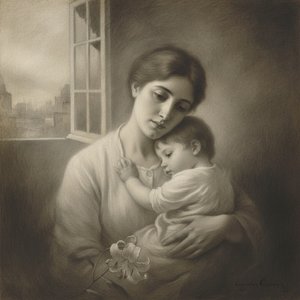
Eugène Carrière: The 'Peintre d'Âme' & Symbolist Portraiture’s Intimate Vision
Explore the haunting world of Eugène Carrière, a pivotal French Symbolist artist known for his deeply intimate portraits & 'peinture d'âme'. Discover his life, style, and lasting influence on modern masters like Picasso. Shop high-quality reproductions at OriginalUniqueArt.
Sacred Narratives Embodied: A Comprehensive Exploration of Religious Iconography in Art History
Explore the rich history of religious iconography in art! Discover symbolism, movements & masterpieces from Byzantine to Renaissance periods. Expert insights for collectors and enthusiasts at OriginalUniqueArt.
Charles Le Brun: Master of French Baroque Classicism & His Enduring Legacy
Explore the life & art of Charles Le Brun, master of French Baroque Classicism. Discover his royal commissions, influence on Versailles, and enduring legacy through detailed analysis & stunning artworks.