
() ·
Obraz vytvorený ručne, pripravený špeciálne pre vás
Ručne maľovaná olejová reprodukcia
Ručne maľovaný olej na plátne vo vašej zvolenej veľkosti a v ráme, vyrobený na mieru našimi umelcami. ( Prepnúť na tlač Prepnúť na digitálny obraz)
Biografia umelca
Discover Endre Rozsda (1913-1999), a Hungarian-French Surrealist painter. Explore his lyrical abstraction, dreamlike scenes & architectural art inspired by childhood memories.
 Zobraziť viac
od ·
Kapitola 1
Akú veľkosť by mala mať?
Posuňte pre zmenu veľkosti; obrázok vľavo zobrazuje rám v jeho reálnej šírke. Priebeh pôvodného diela zostáva zachovaný.
Vyberte si z našich preddefinovaných rozmerov, ktoré zodpovedajú pôvodným pomeroḿ diela.

Zadajte šírku a výšku, ktoré potrebujete, aby sa dielo hodilo k vášmu rámu alebo stene. Keďže ide o ručnú maľbu, pri rozmeroch s odlišným pomerom strán môže umelec namalovať o niečo viac okolo obrázka alebo ho mierne orezatú — výber patrí vám. Pred začatím maľovania vám pošleme digitálnu ukážku na schválenie. Obrázok zobrazený na tejto stránke nenahrádza reálny výsledok — ten zobrazuje iba digitálna ukážka.
Kapitola 2
V akom stave by mal doraziť?
Vyberte si opletenie plátna
Vyberte si rám

Biele okraje €1

rozostrené okraje €1

Vytiahnutý okraj €1

P118B €10

P118H €10

P118W €10

P438Z €10

P508JH €12

P508YH €12

P805H €10

P805Z €10

P919BZ €10

P919G €10

P919XJ €10

P959ZH €10

P968JZ €12

W106C €8

W218G €10

W218JH €8

W218Y €10

W307PJ €10

W316G €10

W316PJ €8

W316Y €10

W398PJ €8

W4111J €10

W500HY €15

W500JH €15

W692G €12

W849H €8

W940BG €15

W953PJ €8

H24-GOLD €30

H24-SILVER €30

H36-GOLD €45

H36-SILVER €45
V rámoch
Profil: . Celkový rozmer vrátane rámov: .
Kapitola 3
Kto ho maľuje a malo by sa niečo meniť?
Po objednávke vám tím OriginalUniqueArt.com pošle e-mail s pokynmi a poskytne náhľad návrhu
Celosvetová doprava () za 3 až 4 týždne namiesto štandardných 5 týždňov. (16 november). Bez kompromisov v kvalite.
Kapitola 4
Posledné dotahy
Štítok, ako v múzeu?
Detaily vygravírovaného bronzového pláka
This elegant plaque features the artist's name and the title of the artwork, finely engraved for a timeless presentation.
It is made from bronze with a refined, elegant finish. The text is precisely laser-engraved for a sharp and permanent result. Measuring 9x2 cm, the plaque is compact yet easy to read. It's built to be durable and scratch-resistant, offering a professional, museum-quality look. Mounting is simple thanks to the included adhesive backing.
Detaily transparentnej akrylovej plăty
The plaque includes essential engraved details such as the artist's name, the title of the artwork, the date it was created, the type of media used-like oil on canvas or watercolor-a brief description of the piece, and a QR code that links to the complete artwork information.
It is crafted from clear acrylic, offering a sleek, modern appearance. The text is UV-engraved in black to ensure strong visual contrast. With a size of 10x15 cm, it ensures optimal readability. It comes equipped with two metal hooks for secure wall mounting. The plaque is designed to be weather-resistant, making it suitable for various environments, and it includes interactive features that work seamlessly with smartphone scanning.
Detaily čiernej akrylovej plăty
This elegant plaque includes engraved information such as the artist's name, the title of the artwork, the date it was created, the type of media used (like oil on canvas or watercolor), a short description of the artwork, and a QR code for quick access to more information.
The plaque itself is made from refined black acrylic with a premium finish. The text is laser-engraved in white for high contrast and readability. Its size is 10x15 cm, designed to be easy to read. It comes with two metal hooks for professional mounting. The design is sleek and fits any interior style. It is also weather-resistant and durable, with built-in digital integration for mobile compatibility.
Ochranný lak?
Kedy vám má byť doručené?
Kapitola 5
Vaša maľba presne podľa vašej objednávky

Deux prostituées
Technika reprodukcie
Veľkosť reprodukcie
-

Výborne skúsený umelec
Viac detailov, jemnosti a dodatočného času na výrobu
-

Rámovanie reprodukcie
-
-
V prípade umeleckých diel alebo reprodukcií, ktorých ktorákoľvek strana je väčšia ako 105 cm (cca 41 palcov), sa rám dodáva v rozloženom stave ako sada. Táto metóda zabezpečuje bezpečnú доставu a chráni pred poškodením počas prepravy.
Vyžaduje sa odborná montáž – toto nie je produkt na vlastnú prípravu (DIY).
Sada musí byť zmontovaná a plátno napnuté skúseným profesionálnym rámovaníkom, s použitím drevárneho lepidla (nie je súčasťou sady), klieš na napínanie plátna a svoriek na udržanie prav角的 rámov počas schnutia lepidla. Nesprávna montáž alebo nerovnomerné napnutie plátna môže trvalo poškodiť umelecké dielo, čo nie je kryté našou zárukou.
 V prípade umeleckých diel alebo reprodukcií, ktorých ktorákoľvek strana je väčšia ako 105 cm (cca 41 palcov), sa rám dodáva v rozloženom stave ako sada. Táto metóda zabezpečuje bezpečnú доставu a chráni pred poškodením počas prepravy.
Všetky lišty z masívneho dreva sú súčasťou balenia, presne narezané na mieru.
Montuje sa pomocou súčasťou balenia dodaných skrutiek, plus drevolepu na spoje v rohoch, ktorý nie je súčasťou balenia a musí si ho zabezpečiť váš montážnik.
Vyžadujú sa profesionálne nástroje, ktoré nie sú súčasťou sady: kliešte na napínanie plátna (napínací nástroj) a svorky na udržanie pravých uhlov rámov počas schnutia lepidla.
Dôležité:
Spoje v rohoch si vyžadujú lepidlo na drevo, tyče je potrebné upevniť pomocou svoriek, kým lepidlo úplne newyschne, a napnutie plátna na zostavený rám si vyžaduje klieže na napínanie plátna. Žiadna z týchto pomôcok nie je súčasťou sady. Pred objednaním tejto veľkosti si, prosím, zabezpečte skúseného odborníka na zakladanie rámov.

Popisné označenie
-
-

Ochranný lak
Lesklý lak (zvýrazňuje farby, chráni pred svetlom a vlhkosťou)
-

Prispôsobiť moje dielo
Príklady možností úprav: nahradenie tváre vlastnou fotografiou; pridanie domáceho zvieraťa (napr. nahradenie mačky psom); vloženie skrytého odkazu do pozadia; zmena krajiny alebo prvkov v pozadí.
-

Prioritné doručenie
Celosvetová doprava () za 3 až 4 týždne namiesto štandardných 5 týždňov. (16 november). Bez kompromisov v kvalite.
-
Rýchle doručenie
Celosvetová doprava do za 5 týždňov. (23 november).
V cene
Celková cena
€ 267
Možnosť skla je dostupná len pri rozmeroch pod 110 cm
Súčasťou každej objednávky
- Bezplatná expresná doprava po celom svete
- Vysokokvalitné lnianske plátno
- Kompletné poistenie prepravy
- Záruka vrátenia colného poplatku
- Záruka presného farebného zhodnutia
- 100-dená politika vrátenia tovaru (iba pri vadách)
- 100% záruka vrátenia peňazí
- Zľava pri väčšom množstve


 Náhľad v interiéri
 Odoslať ako digitálnu kartu
 Zdieľať
 Podrobnosti o dielo
 Príručka

 Stiahnuť obraz
 Podobné položky
 RTG skúška
 Prehliadanie diapozoje
 Otázky a odpovede
 Štatistiky
V číslach
- 1955rok vytvorenia
- 29výber z dostupných rámov
- štandardné veľkosti, v ich vlastných proporciách
- 5týždňov na vytvorenie a doručenie
O origináli

- 44.0 x 66.0 cm


Toto dielo je chránené autorským právom
Umelecké dielo zobrazené na tejto stránke je chránené autorským zákonom, čo znamená, že nemôžeme legálne vytvárať ani predávať jeho identickú reprodukciu. Táto ochrana je vymáhaná na základe medzinárodných dohôd, ako napríklad Bernská konvencia a národnými zákonmi, vrátane tých, ktoré sú stanovené v Autorské právo USA – Title 17. Všetky práva vyhradené.
Ako rešpektujúca a legálna alternatíva ponúkame vlastné, ručne maľované diela inšpirované originálom. Naši skúsení a profesionálni umelci dôkladne študujú štýl, náladu a umelecký podnet originálu, aby vytvorili nové, jedinečné dielo, ktoré vyvoláva rovnaký pocit – pričom samo ostáva vlastným originálnym dielom.
Táto metóda plne dodržiava autorské práva, pretože nezahŕňa kopírovanie ani duplikovanie chráneného diela. Ide skôr o kreatívnu reinterpretáciu – nový obraz, ktorý je ovplybnený originálom, no nie je s ním identický.

Endre Rozsda
1913 - 1999, Hungary
Rýchle fakty o umelcovi Endre Rozsda
- Name: Endre Rozsda
- Movement: Surrealism, Lyrical Abstraction
- Birth Date: 1913-11-18
- Death Date: 1999-09-16
- Birth Place: Mohács, Hungary
- Nationality: Hungarian, French
- Date Of Birth: 1913
- Date Of Death: 1999
- Influenced By: Béla Bartók, Vilmos Aba-Novák
- Notable Works: Femme au collier de perles, Deux prostituées
- Place Of Birth: Mohács, Hungary
Biografia umelca
Endre Rozsda: A Life in Surrealism
Early Life and Education
Endre Rozsda (Hungarian: rozsda endre; November 18, 1913 – September 16, 1999) was a Hungarian-French painter. Born in Mohács, a small city along the Danube River in Hungary, his childhood memories profoundly impacted his entire artistic journey. He received foundational training at the school of Vilmos Aba-Novák, laying the groundwork for his future explorations.
Early Artistic Development (1930s - 1940s)
Rozsda’s early career blossomed with a successful solo exhibition in Budapest in 1936 at the ‘Tamás’ gallery. Critics lauded his work, and the Museum of Fine Arts acquired one of his paintings. This period was closely tied to Hungarian post-impressionism. However, a transformative experience – attending a concert by Béla Bartók – signaled a shift in his artistic direction. The German occupation forced his return to Budapest in 1943, where his unique surrealistic style began to fully mature.
Surrealist Period and European School (1940s - 1956)
After World War II, Rozsda became actively involved with the establishment of the European School, participating in numerous group exhibitions. This period saw him developing his signature surrealistic approach, drawing heavily on personal memories to conjure a unique and dreamlike world.
Exile and Parisian Years (1956 - 1999)
The suppression of the Hungarian Revolution in 1956 prompted Rozsda’s permanent relocation to France. In Paris, he connected with influential figures like Raymond Queneau and André Breton, who penned an introduction for his exhibition at the ‘Furstenberg’ gallery in 1957. He participated in the International Exhibition of Surrealism in Milan (1961). A significant achievement came in 1964 when he won the Copley Prize, judged by a distinguished panel including Hans Arp, Max Ernst, and Marcel Duchamp.
Artistic Style and Themes
Rozsda’s work underwent further evolution from the 1960s onwards. He explored the interplay of architectonic structures and swirling colors, creating richly detailed microcosms. His artistic endeavor was driven by a desire “to control time” and dissolve reality through imagination, consistently relying on surrealist principles while embracing lyrical abstraction as his means of expression.
- Key Themes: Childhood memories, dreams, the subconscious, architectural forms
- Influences: Béla Bartók (music), Vilmos Aba-Novák (early training), Surrealism
- Style Characteristics: Lyrical abstraction, surrealist imagery, detailed compositions, vibrant color palettes
Major Achievements and Legacy
Rozsda’s contributions to the art world are marked by his unique ability to blend personal experience with surrealist techniques. His work stands as a testament to the power of memory and imagination. He left behind a significant body of paintings that continue to captivate audiences with their dreamlike quality and intricate detail.
Historical Significance
Endre Rozsda’s artistic journey reflects the turbulent political landscape of 20th-century Europe. His exile from Hungary and embrace by the Parisian art scene highlight the role of art as a refuge and a means of expressing cultural identity. He remains an important figure in the history of Surrealism and lyrical abstraction, inspiring artists with his innovative approach to form and content.
Súvisiace články

Zinaida Serebriakova: A Pioneer of Russian Modernism & Embodiment of Female Experience
Explore the life & art of Zinaida Serebriakova, a pioneering Russian Modernist painter. Discover her intimate scenes, striking self-portraits, and lasting impact on 20th-century art. A deep dive into her world.
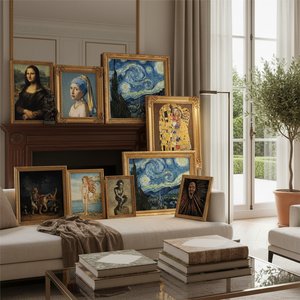
Top 10 klasických diel umenia pre nadčasnú atmosféru a elegantný interiér
Objavte top 10 klasických diel umenia – od Mona Lisy po Hviezdnatú noc. Prežite príbehy slávnych maliarov a nadčasnú krásu renesancie, impresionizmu a ďalších štýlov. Kvalitné reprodukcie obrazov na OriginalUniqueArt.com.
Lucian Freud: A Psychological Portraiture of Post-War Existence
Explore the profound psychological depth of Lucian Freud's portraits. Discover his unique realism, artistic evolution, and lasting influence on modern art. A collector’s guide to a master.
Andrea del Sarto: Florentine Grace, Technical Mastery & Artistic Ambition
Explore the life & art of Andrea del Sarto, a Florentine Renaissance master renowned for harmonious compositions & technical brilliance. Discover his frescoes, portraits, and lasting influence on art history.