Pictorialism · 1920
Sunflower (Edward Steichen, 1920)
Edward Steichen (1900–1973) vytvoril Sunflower. Pochádza z roku 1920. Patrí k umeleckému smeru Pictorialism. Je vyrobené z Acrylic On Canvas. Nachádza sa v George Eastmanova fotografia a filmová galéria v Rochester, Spojené štáty americké. Rozmery sú 19 × 24 cm.
- 1920
- Acrylic On Canvas
- 19 × 24 cm
- George Eastmanova fotografia a filmová galéria, Rochester

 Náhľad v interiéri

 Ručne maľovaná olejná reprodukcia
 Odoslať ako digitálnu kartu
 Zdieľať
 Informačný list


 Stiahnuť obraz
 Podobné položky
 RTG skúška
 Prehliadanie diapozoje
 Otázky a odpovede

 Štatistiky
Sunflower v krátkosti
- Názov
- Sunflower
- Umelec
- Edward Steichen (1900–1973)
- Narodený v roku
- Bivange, Luxembursko
- Dátum
- 1920
- Technika
- Acrylic On Canvas
- Rozmery
- 19 × 24 cm
- Kde si ho pozrieť
- George Eastmanova fotografia a filmová galéria, Rochester, Spojené štáty americké
- Pohyb
- Pictorialism
- Obdobie
- 19th Century
- Motív
- sunflower, edward steichen, photography, art, landscape, composition
Čo zobrazuje Sunflower?
A Luxembourgian Seed Takes Root: The Genesis of “Sunflower”
Edward Steichen’s 1920 painting, "Sunflower," isn’t merely a depiction of a flower; it's a poignant distillation of memory, displacement, and the enduring search for belonging. Born in the small, unassuming village of Bivange, Luxembourg, in 1879 – a region steeped in history and shadowed by the shifting borders of Europe – Steichen’s early life was marked by an emigration to America at just eighteen months old. This relocation, a common experience for Luxembourgers facing economic hardship, instilled within him a profound sense of rootlessness, a feeling that would subtly permeate his artistic vision throughout his career. The painting itself emerges from this context; it's not simply a botanical study but a visual echo of a past left behind, a yearning for stability amidst constant change.
Steichen’s journey to America was fueled by the hope of opportunity and a desire to escape the limitations imposed by his birthplace. He quickly immersed himself in the vibrant artistic scene of Milwaukee, Wisconsin, where he honed his skills as a lithographer and began experimenting with photography – a medium that would ultimately become his defining voice. This early exposure to both visual arts laid the groundwork for his later ability to capture light, texture, and emotion with remarkable precision.
The Pictorialist’s Palette: Technique and Style
“Sunflower” exemplifies Steichen's mastery of the pictorialist style – a movement that sought to elevate photography to the level of fine art. The painting is rendered in tempera and oil on canvas, utilizing a muted palette dominated by earthy browns, ochres, and subtle greens. These colors evoke the rich soil from which the sunflower springs, grounding the image in a sense of naturalism while simultaneously lending it an air of quiet contemplation. Steichen’s brushwork is deliberately soft and blended, creating a hazy, dreamlike quality that obscures sharp details and invites the viewer to lose themselves within the scene.
The composition itself is carefully constructed. The sunflower dominates the center of the frame, its broad petals radiating outwards in an explosion of color and form. Steichen employs a technique known as *sfumato*, borrowed from Renaissance painting, to soften edges and create a sense of atmospheric perspective. This blurring effect not only adds depth but also contributes to the painting’s overall mood of melancholy and nostalgia. The lighting is particularly noteworthy – a diffused, almost ethereal glow that seems to emanate from within the flower itself, suggesting an inner life and vitality.
Symbolism in Bloom: Memory, Displacement, and Resilience
The sunflower, as a symbol, carries layers of meaning. Historically, it has represented adoration, loyalty, and longevity – qualities that resonate deeply with Steichen’s own experiences. The flower's tendency to follow the sun is often interpreted as a metaphor for seeking guidance and direction in life, a theme particularly relevant to an artist grappling with displacement and uncertainty. The painting can be seen as a visual representation of Steichen’s own journey – his departure from Luxembourg, his struggles to find acceptance in America, and his ongoing quest for artistic fulfillment.
Furthermore, the sunflower's association with remembrance is significant. It’s often used as a symbol of mourning and remembrance, connecting to the broader context of Steichen’s life – marked by personal loss and the challenges of adapting to a new culture. Despite these hardships, however, “Sunflower” ultimately conveys a sense of resilience and hope. The flower's vibrant colors and upward-reaching form suggest an enduring spirit, a testament to the human capacity for growth and renewal.
A Legacy in Light: Steichen’s Enduring Influence
Edward Steichen’s “Sunflower” stands as a powerful example of his artistic vision – a synthesis of technique, symbolism, and personal experience. His pioneering work in photography and painting profoundly influenced generations of artists, shaping the course of modern visual culture. Today, reproductions of this evocative image continue to captivate viewers with their quiet beauty and poignant message. It serves as a reminder that even amidst displacement and hardship, there is always room for growth, remembrance, and the enduring pursuit of light.
V ktorom múzeu sa nachádza Sunflower?
George Eastmanova fotografia a filmová galéria
Rochester, Spojené štáty americké
Duch vytesaný do svetla V pokojnom, zelenom prostredí Rochesteru v New Yorku stojí monument, ktorý nie je len pomníkom umenia, ale samotnému vynálezu vizuálneho rozprávania. George Eastman Museum je oveľa viac než len archívom fotografií a filmov; je živým svedectvom nekonečnej ľudskej túžby zachytávať prchavé okamihy, uchovávať éterické spomienky a zdieľať hlboké vízie. Táto inštitúcia, založená vizionárnym podnikateľom Georgeom Eastmanom – mužom, ktorý demokratizoval fotografiu prostredníctvom svojich revolučných fotoaparátov Kodak – predstavuje mimoriadne spojenie technologických inovácií, umeleckej výraznosti a architektského veľkolepstva.


Vysoko rozlíšené fotografie diela Sunflower

Protected by copyright: these files are for personal reference, not a licence to republish.
Edward Steichen, Sunflower (1920), George Eastmanova fotografia a filmová galéria.
Otázky k dielu Sunflower, odpovede
Kde je dnes vystavené dielo „Sunflower“ od Edward Steichen?
Originál diela „Sunflower“ si môžete pozrieť v múzeu George Eastmanova fotografia a filmová galéria, Rochester, Spojené štáty americké.
Kedy bolo vytvorené dielo „Sunflower“ od Edward Steichen?
Dielo „Sunflower“ od Edward Steichen vzniklo v roku 1920.
Akou technikou je vytvorené „Sunflower“?
„Sunflower“ je realizované v technike Acrylic On Canvas.
Aké sú reálne rozmery diela „Sunflower“ od Edward Steichen?
Originálne dielo „Sunflower“ od Edward Steichen má rozmery 24 x 19 cm.
Čo zobrazuje „Sunflower“ od Edward Steichen?
Témy predstavované v díle „Sunflower“ od Edward Steichen zahŕňajú sunflower, edward steichen, photography, art, landscape, composition, color, 1920. Spolu zhrňujú predmet skladby.
Možno voľne reprodukovať obraz diela „Sunflower“ od Edward Steichen?
„Sunflower“ od Edward Steichen patrí do stále chránené autorským právom. Tento stav určuje pravidlá pre reprodukciu obrazu tohto diela.
Kto je umelcom diela „Sunflower"?
Autorom diela „Sunflower“ je Edward Steichen. Prácu nájdete v katalógu pod menom Edward Steichen.
K akému umeleckému smeru patrí „Sunflower“?
„Sunflower“ je dielo smeru Pictorialism. Tento smer odzrkadľuje umeleckú tradíciu, ktorej toto dielo súčasťou.
K ktorej fáze tvorivého rozvoja Edward Steichen patrí dielo „Sunflower“?
V rámci kariéry umelca Edward Steichen spadá dielo „Sunflower“ do obdobia Early Period, čo umožňuje jeho porovnanie s ostatnými prácami tohto umelca.
O umelcovi, Edward Steichen

1900–1973, Luxembursko
Edward Steichen
Edward Steichen: From a man of his time to an artist out of time Edward Steichen, later known as Edward Steichen, was a figure who transcended simple categorization. Born in 1879 in the small village of Bivange, Luxembourg, his life became an extraordinary journey from European roots to becoming one of America’s most influential artists – not merely as a photographer, but as a painter, curator, and visionary who reshaped how we perceive visual culture. The early years were marked by a significant relocation; in 1881, the Steichen family emigrated to Hancock, Michigan, seeking new opportunities. This move instilled in young Edward a sense of displacement and perhaps, a heightened sensitivity to observation – qualities that would profoundly shape his artistic vision.
O umelci Edward Steichen Významné diela umelca Edward Steichen
Aj od Edward Steichen
 Le Tournesol (The Sunflower)1920
 Behind-the-scenes photograph, Paying the Piper1921
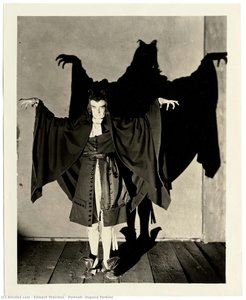 Portrait, Osgood Perkins1923
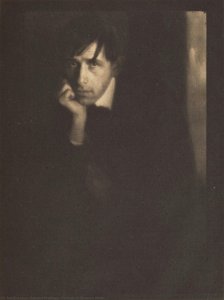 Portrait of Clarence White1905
Eseje k dielu Sunflower
 Pictorialism Unveiled: How the Aesthetic Revolution Transformed Photography into Fine ArtExplore the revolution of Pictorialism. Discover how visionary photographers moved beyond documentation to transform the lens into a fine a…
 Top 10 diel 19. storočia: Majstri a príbehy v umení pre váš domovPonorte sa do sveta 19. storočia s top 10 dielami impresionizmu, realizmu a romantizmu! Objavte príbehy Courbeta, Moneta a Van Gogha. Repro…
 Sunlight on Canvas: The Radiant Symbolism of Yellow Flowers in Impressionist ArtExplore the profound symbolism of yellow flowers in Impressionist art through expert analysis. Discover the light of the masters today.