

 Odoslať
 Zdieľať
 Podrobnosti
 Príručka

 Stiahnuť
 Podobné položky
 Prehliadanie diapo\]
 Štatistiky
Lobby card, The Man from Lost River


 Prečítať si viac
Umelecké dielo zobrazené na tejto stránke je chránené autorským zákonom, čo znamená, že nemôžeme legálne vytvárať ani predávať jeho identickú reprodukciu. Táto ochrana je vymáhaná na základe medzinárodných dohôd, ako napríklad Bernská konvencia a národnými zákonmi, vrátane tých, ktoré sú stanovené v Autorské právo USA – Title 17. Všetky práva vyhradené.
Táto metóda plne dodržiava autorské práva, pretože nezahŕňa kopírovanie ani duplikovanie chráneného diela. Ide skôr o kreatívnu reinterpretáciu – nový obraz, ktorý je ovplybnený originálom, no nie je s ním identický.
Giclée / Umenotlač
Giclée tlač alebo plátno múzeálnej kvality s rýchlou výrobou a rôznymi možnosťami povrchovej úpravy. ( Objednať ručne maľovanú reprodukciu Prepnúť na digitálnu verziu obrazu)




































Vyberte si z našich preddefinovaných rozmerov, ktoré zodpovedajú pôvodným pomeroḿ diela.

Zadajte šírku a výšku, ktoré potrebujete, aby sa reprodukcia hodila k vášmu rámu alebo stene. Print možno len orezávať, nikdy však nemennú veľkosť zvětšiť oproti pôvodnému obrázku, preto pri inom formáte stráca časť obrazu. Pred samotným vytlačiacím procesom vám pošleme digitálny náhľad na schválenie. Obrázok zobrazený na tejto stránke nezobrazuje reálny rez — len digitálny náhľad ukazuje presný výsledok.
Celosvetová doprava () do 2 týždňov namiesto štandardných 4 až 5 týždňov. (25 október)

Bezplatná expresná doprava po celom svete

Vysokokvalitné lnianske plátno

Úplné poistenie prepravy

Záruka vrátenia colného poplatku

Záruka presného farebného zhodnutia

100-dená politika vrátenia tovaru (iba pri vadách)

100% záruka vrátenia peňazí

Ponuka množstevnej zľavy
 Možnosť skla je dostupná len pri rozmeroch pod 110 cm

Lobby card, The Man from Lost River
Giclée / Umenotlač
Veľkosť reprodukcie
-


Celková cena
€ 70
A Cinematic Echo from the Silent Era
In the delicate, sepia-toned realm of early twentieth-century cinema, few artifacts capture the evocative essence of storytelling quite like this lobby card for The Man from Lost River. Created in 1921, this piece serves as a hauntingly beautiful window into the dawn of Hollywood’s golden age. The artwork presents a monochromatic landscape, bathed in rich shades of brown and aged umber, which immediately transports the viewer to a bygone era of celluloid dreams and silent drama. At its heart, the composition centers on a poignant confrontation between two figures: one a rugged man in plaid and suspenders, representing the raw, untamed spirit of the frontier, and the other a polished gentleman in a suit and hat, embodying a more structured, perhaps encroaching, social order. This visual tension is framed by a decorative border reminiscent of film sprockets, subtly reminding us that we are looking at a fragment of a larger, moving narrative.
The artistry of this piece lies in its masterful use of silhouette and shadow, techniques that Edward Steichen—a master of light and atmosphere—often utilized to imbue photography with the soul of painting. The background, featuring the dark, skeletal outlines of trees against a pale, misty sky, suggests an outdoor setting near a river, mirroring the title's melancholic promise. This use of negative space and high-contrast imagery does more than just set a scene; it creates a sense of profound isolation and mystery. For the collector or interior designer, this artwork offers a sophisticated layer of historical depth, providing a focal point that is both intellectually stimulating and visually grounding.
Symbolism and the Texture of Nostalgia
Beyond its surface beauty, the lobby card functions as a symbolic tapestry of class struggle and environmental mystery. The contrast between the two men acts as a visual metaphor for the collision of different worlds—the rustic and the refined—a common theme in the literature of Katherine Newlin Burt upon which the film was based. The sepia palette itself carries a heavy emotional weight, evoking a sense of nostalgia and the inevitable passage of time. It feels like a recovered memory, a piece of history that has been preserved through the decades to tell a story of human conflict set against the backdrop of the American wilderness.
For those looking to integrate such a piece into a curated collection or a high-end interior, its value lies in its ability to evoke emotion without overwhelming a space. The muted tones allow it to harmonize with various decor styles, from classic mid-century modern to rustic industrial, while the bold typography and dramatic imagery command attention. Owning a reproduction of this caliber is not merely about displaying an image; it is about preserving the atmospheric magic of the silent era, bringing a touch of cinematic history and a profound sense of narrative mystery into the contemporary home.
Otázky a odpovede
Do ktorej miestnosti sa vzhľadom na farebnú skladbu odporúča „Lobby card, The Man from Lost River“ od Edward Steichen?
Neutrals farebná paleta diela „Lobby card, The Man from Lost River“ od Edward Steichen dokonale ladí s jeho odporúčaným priestorom: Office.
Aká technika bola použitá pre „Lobby card, The Man from Lost River“ od Edward Steichen?
„Lobby card, The Man from Lost River“ je vytvorené v technike Photography.
Kto je umelcom diela „Lobby card, The Man from Lost River"?
Dielo „Lobby card, The Man from Lost River“ sa pripisuje autorovi Edward Steichen.
Biografia umelca
Edward Steichen: From a man of his time to an artist out of time
Edward Steichen, later known as Edward Steichen, was a figure who transcended simple categorization. Born in 1879 in the small village of Bivange, Luxembourg, his life became an extraordinary journey from European roots to becoming one of America’s most influential artists – not merely as a photographer, but as a painter, curator, and visionary who reshaped how we perceive visual culture. The early years were marked by a significant relocation; in 1881, the Steichen family emigrated to Hancock, Michigan, seeking new opportunities. This move instilled in young Edward a sense of displacement and perhaps, a heightened sensitivity to observation – qualities that would profoundly shape his artistic vision. Even as a child, an innate talent for drawing was evident, nurtured by supportive parents who recognized and encouraged his creative inclinations. The pivotal moment arrived at sixteen when he received his first camera, initiating a period of largely self-directed learning through relentless experimentation. This wasn’t merely about mastering technique; it was about discovering a new language, a way to capture the world with an immediacy and intimacy previously unattainable.- Early Life & Education: Edward Steichen’s formative years were shaped by his upbringing in Luxembourg and subsequent relocation to Michigan. His parents instilled in him a love for art and learning, recognizing his exceptional talent from a young age. He attended Pio Nono College, where he demonstrated an inquisitive spirit and a passion for drawing—skills that would serve as the foundation for his artistic pursuits.
- Pictorialism & Stieglitz: Steichen’s artistic trajectory intersected with Alfred Stieglitz’s pioneering efforts to elevate photography as fine art. Together, they established the Photo-Secession in 1902, a group dedicated to disseminating innovative ideas and showcasing groundbreaking work. Their collaboration culminated in the publication of *Camera Work*, a journal that championed photographic experimentation and challenged conventional artistic boundaries.
- The Photo-Secession & The Gallery 291: Steichen’s involvement with Stieglitz solidified his role as a champion of avant-garde art, particularly European modernism. He founded the Gallery 291 in New York City, providing a platform for exhibitions featuring artists like Picasso and Matisse—artists who profoundly influenced Steichen's artistic vision.
- Straight Photography & World War I: The outbreak of World War I spurred Steichen’s artistic evolution away from Pictorialism toward “Straight Photography,” characterized by sharp focus and unadorned representation of reality. This stylistic shift reflected a broader cultural movement towards clarity and directness, mirroring the urgency of the wartime era.
- Fashion Photography & Beyond: Steichen revolutionized the fashion industry during the 1920s and 30s, collaborating with Vogue and Vanity Fair to create images that transcended mere documentation—they conveyed mood, glamour, and narrative depth. He skillfully utilized light and composition to communicate personality and emotion, establishing himself as a pioneer in this field.
Major Achievements & Artistic Style
Steichen’s artistic style was marked by a remarkable versatility that extended beyond photography into painting and filmmaking. His meticulous attention to detail—evident in his portraits and landscapes—demonstrated an unwavering commitment to capturing the essence of his subjects and environments. He mastered techniques like Tonalism, achieving exceptional tonal richness and atmospheric depth in his paintings. Steichen’s photographic compositions were equally innovative, employing geometric arrangements and careful framing to convey visual impact and intellectual contemplation. His work consistently pushed boundaries, challenging conventions and inspiring subsequent generations of artists.The Family of Man & UNESCO Recognition
Steichen's magnum opus, *The Family of Man*, curated at the Museum of Modern Art in 1955, stands as a testament to his belief in the unifying power of photography—a conviction that resonated deeply with audiences worldwide. Featuring images from sixty-eight countries, the exhibition explored universal human experiences—love, birth, death, joy, sorrow—transcending cultural and geographical distinctions. Its profound message captivated millions of visitors and earned UNESCO’s Memory of the World Register designation—affirming Steichen's enduring legacy as a visionary artist who championed humanist values.Legacy & Influence
Edward Steichen died in 1973, leaving behind an extraordinary body of work that continues to inspire artists and scholars alike. His influence on photography is undeniable; he fundamentally altered perceptions of the medium’s artistic potential—elevating it from a purely technical endeavor to a form of expressive art. Furthermore, his pioneering contributions to fashion photography established new standards for visual storytelling within the industry. Steichen's unwavering dedication to experimentation and innovation cemented his place as one of America’s most important artists—a figure whose vision reshaped how we perceive and interpret the world around us.
Edward Steichen
1900 - 1973 , Luxembursko
Rýchle fakty
- Artistic Movement Or Style: Pictorializmus; Fotografické umenie
- Artists Or Movements Influenced By This Artist: ['Fotografické umenie']
- Artists Who Influenced This Artist: ['Alfred Stieglitz']
- Date Of Birth: 27. marec 1879
- Full Name: Edward Jean Steichen
- Nationality: Americký
- Notable Artworks:
- The Pond–Moonlight
- The Flatiron
- Place Of Death: West Redding, Connecticut
Súvisiace články
Echoes of Time: Nostalgia, Technique & Cultural Significance in Vintage Paintings
Explore the captivating world of vintage paintings! Discover key styles, cultural significance & collecting tips from art experts at OriginalUniqueArt. Find authentic reproductions and elevate your home décor.
Top 10 slávnych obrazov v odtieňoch 'putty': Umění pre váš domov s OriginalUniqueArt
Objavte top 10 slávnych obrazov v odtieňoch 'putty' – impresionizmus, Van Gogh, Monet a ďalší majstri. Inšpirujte sa pre váš domov s kvalitnými reprodukciami na OriginalUniqueArt.com!
Top 10 slávnych obrazov v odtieňoch hľuzoviek: Umění pre váš domov s OriginalUniqueArt
Ponorte sa do sveta 10 slávnych obrazov v odtieňoch hľuzoviek! Objavte príbehy Van Gogha, Moneta a ďalších majstrov. Reprodukcie pre váš domov s OriginalUniqueArt – umenie online.
Top 10 slávnych obrazov v odtieňoch hliny: Umění pre váš domov s OriginalUniqueArt
Objavte top 10 slávnych obrazov v odtieňoch hliny! Prežite príbehy Van Gogha, Picassa a ďalších majstrov. Reprodukcie pre váš domov s OriginalUniqueArt – umenie, ktoré vás inšpiruje. Preskúmajte celú kolekciu online!
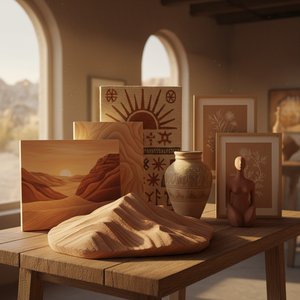
Top 10 slávnych obrazov v odtieňoch piesku: Krása a história umenia pre váš domov
Objavte top 10 slávnych obrazov v nádherných pieskových odtieňoch! Prežite príbehy Van Gogha, Moneta a ďalších majstrov. Reprodukcie obrazov pre váš domov na OriginalUniqueArt.com – umenie s kvalitou múzeí.


