
 Náhľad
 Odoslať
 Zdieľať
 Podrobnosti o dielo

 Stiahnuť
 Podobné diela
 RTG skúška
 Prezentácia
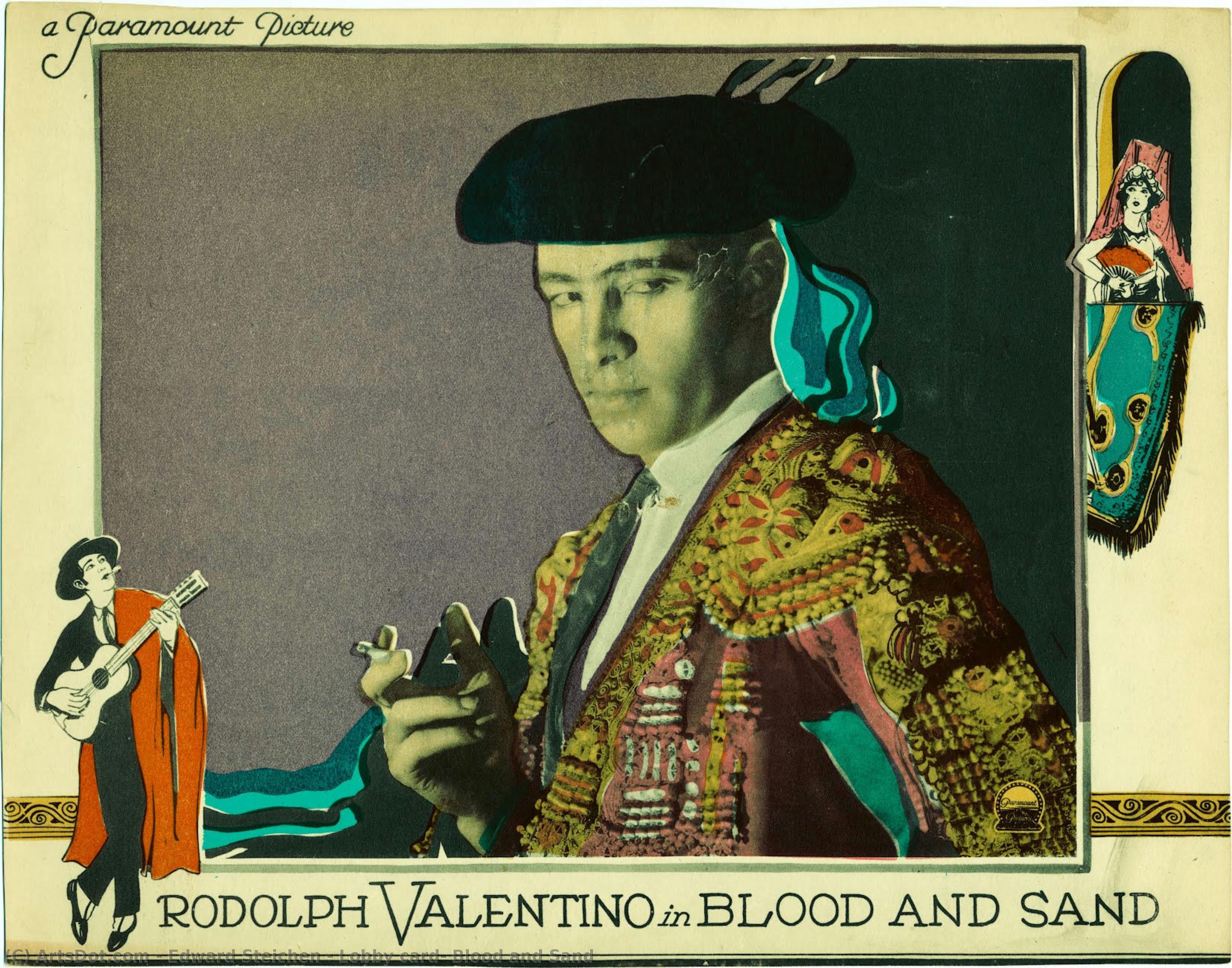
Lobby card, Blood and Sand


 Zobraziť viac
Kúpte si digitálnu snímku vo vysokom rozlíšení s vylepšenými detailmi, ktorá je oveľa kvalitnejšia než online náhľad.
Každý súbor starostlivo pripravujú naši interní špecialisti pomocou pokročilých nástrojov a odborného manuálneho retušovania. Zabezpečujeme, aby každý obrázok disponoval výnimočnou čistotou, presnou farebnou vernosťou a jemnými detailmi.
Konečný súbor vám bude doručený e-mailom do 72 hodín, optimalizovaný pre okamžité použitie v profesionálnom, redakčnom aj tlačovom prostredí. Ide o rovnakú kvalitu, ktorej dôverajú špičkové dizajnérske štúdiá, vydavateľstvá a galérie.
Digitálny obraz
Stiahnite si vysokorozlíšený súbor na osobné zobrazovanie, tlačenie a kreatívne projekty. ( Kúpiť tlač Kúpiť ručne maľovaný obraz)
Súčasťou každej objednávky digitálneho obrazu
Expetórne digitálne doručenie, garantované
Keď si vyberiete OriginalUniqueArt.com, nedostávate len obrázok – získate profesionálne upravené digitálne umenie, vytvorené s precíznosťou a so zárukou vašej maximálnej spokojnosti. Tu je všetko, čo je súčasťou vašej objednávky automaticky:

Rýchle doručenie e-mailom
Vaša vysokorozlíšená digitálna súprava obrázkov vám bude zaslaná e-mailom do 72 hodín od objednávky – pripravená na okamžité použitie.

Digitálny súbor s vylepšením AI
Vaše dielo je profesionálne optimalizované pomocou pokročilých nástrojov umelej inteligencie a manuálnej editácie, čo zaručuje maximálnu úroveň detailov, čistotu a presnosť farieb.

Bezplatné celoživotné opätovné doručenie
Náhodou ste zmazali alebo ste stratili svoj súbor? Nebavžte sa – pošleme vám ho kedykoľvek znova, úplne bez poplatkov.

Bez poplatkov za dovoz – navždy
Užite si svoje umelodelo okamžite bez colných poplatkov, daní alebo nákladov na dopravu – digitálne stiahnutia sú vždy oslobodené od dane.

Garantovaná presnosť farieb
Pomocou profesionálnych nástrojov a farebného manažmentu zabezpečujeme, aby vaša digitálna fotografia čo najpresnejšie odrážala pôvodné farby.

60-dňová záruka spokojnosti
Ak nebudete spokojní so svojou digitálnou fotografiou, upravíme ju alebo vám vrátime 100% v priebehu 60 dní – bez zbytočných otázok.

100% Záruka vrátenia peňazí
Nie ste spokojní? Získajte plnú náhradu peňazí do 60 dní od prijatia vášho digitálneho súboru – bez zbytočných otázok.

Zľavy pri veľkom odbere
Kúpte si 3 obrazy, ušetrite 10% - Kúpte si 5, ušetrite 15% - Kúpte si 10+, ušetrite 20%. Ideálne pre kreatívne projekty, galérie a agentúry.
Popis zberateľského predmetu
A Glimpse into Cinematic Romance: Blood and Sand
This evocative lobby card for "Blood and Sand," dating back to 1922, transports the viewer directly into the passionate, sun-drenched melodrama of early cinema. It is more than just a promotional piece; it is a carefully constructed tableau vivant, capturing the very essence of cinematic yearning. The composition immediately draws the eye to the central figure—a man embodying the romantic archetype, dressed in attire suggestive of Spanish passion and drama. His serious gaze, coupled with the casual elegance of the cigarette held in his hand, speaks volumes about unspoken narratives of honor, desire, and fate that defined the era's storytelling.
Compositional Drama and Visual Contrast
The artistry here lies in its masterful use of contrast, both chromatic and thematic. The background is deliberately bifurcated: a deep, brooding expanse of dark blue meeting a lighter, atmospheric gray. This division mirrors the emotional landscape of the film itself—the tension between mystery and clarity, passion and restraint. To the right, the splash of vibrant red from the woman's gown acts as an undeniable focal point, symbolizing irresistible passion or perhaps danger. Juxtaposed against this fiery hue is the gentle suggestion of music, embodied by the figure playing the guitar on the left. These elements—the brooding man, the singing spirit, and the passionate vision in red—are woven together by the hand of the illustrator to create a visual symphony that promises high drama.
The Allure of Early Hollywood Iconography
To understand this piece is to appreciate the golden age of movie promotion. The inclusion of "A Paramount Picture" anchors it firmly within the industrial art history of early 20th-century filmmaking. Edward Steichen, whose touch may be felt in the overall sophisticated presentation, helped define how stars like Rodolph Valentino became cultural icons. This card functions as a piece of visual ephemera elevated to fine art; it is a tangible artifact from a time when cinema was viewed with an almost mythic reverence. For collectors and designers alike, it offers a window into the intersection of burgeoning celebrity culture and high artistic design.
Symbolism and Emotional Resonance
The symbolism within "Blood and Sand" is rich with Mediterranean undertones—the intensity of Spanish life, the weight of tradition against the pull of individual desire. The flowers adorning the central hat are not mere decoration; they suggest fleeting beauty or perhaps a promise that cannot be kept. Owning a reproduction of this piece allows one to curate an atmosphere steeped in romantic melancholy and dramatic flair. It speaks to the enduring human fascination with grand, sweeping narratives—the kind that make you feel the weight of history on your own shoulders.
Bringing Cinematic Grandeur Home
Whether used as a striking accent piece for a library, a gallery wall centerpiece, or incorporated into an interior design scheme aiming for Old World glamour, this artwork possesses inherent narrative power. The technique, blending photographic realism with illustrative flair, ensures that the reproduction retains both historical authenticity and breathtaking visual impact. It is a sophisticated nod to cinematic history, offering depth, color, and undeniable romance to any space it graces.
Životopis umelca
Edward Steichen: From a man of his time to an artist out of time
Edward Steichen, later known as Edward Steichen, was a figure who transcended simple categorization. Born in 1879 in the small village of Bivange, Luxembourg, his life became an extraordinary journey from European roots to becoming one of America’s most influential artists – not merely as a photographer, but as a painter, curator, and visionary who reshaped how we perceive visual culture. The early years were marked by a significant relocation; in 1881, the Steichen family emigrated to Hancock, Michigan, seeking new opportunities. This move instilled in young Edward a sense of displacement and perhaps, a heightened sensitivity to observation – qualities that would profoundly shape his artistic vision. Even as a child, an innate talent for drawing was evident, nurtured by supportive parents who recognized and encouraged his creative inclinations. The pivotal moment arrived at sixteen when he received his first camera, initiating a period of largely self-directed learning through relentless experimentation. This wasn’t merely about mastering technique; it was about discovering a new language, a way to capture the world with an immediacy and intimacy previously unattainable.- Early Life & Education: Edward Steichen’s formative years were shaped by his upbringing in Luxembourg and subsequent relocation to Michigan. His parents instilled in him a love for art and learning, recognizing his exceptional talent from a young age. He attended Pio Nono College, where he demonstrated an inquisitive spirit and a passion for drawing—skills that would serve as the foundation for his artistic pursuits.
- Pictorialism & Stieglitz: Steichen’s artistic trajectory intersected with Alfred Stieglitz’s pioneering efforts to elevate photography as fine art. Together, they established the Photo-Secession in 1902, a group dedicated to disseminating innovative ideas and showcasing groundbreaking work. Their collaboration culminated in the publication of *Camera Work*, a journal that championed photographic experimentation and challenged conventional artistic boundaries.
- The Photo-Secession & The Gallery 291: Steichen’s involvement with Stieglitz solidified his role as a champion of avant-garde art, particularly European modernism. He founded the Gallery 291 in New York City, providing a platform for exhibitions featuring artists like Picasso and Matisse—artists who profoundly influenced Steichen's artistic vision.
- Straight Photography & World War I: The outbreak of World War I spurred Steichen’s artistic evolution away from Pictorialism toward “Straight Photography,” characterized by sharp focus and unadorned representation of reality. This stylistic shift reflected a broader cultural movement towards clarity and directness, mirroring the urgency of the wartime era.
- Fashion Photography & Beyond: Steichen revolutionized the fashion industry during the 1920s and 30s, collaborating with Vogue and Vanity Fair to create images that transcended mere documentation—they conveyed mood, glamour, and narrative depth. He skillfully utilized light and composition to communicate personality and emotion, establishing himself as a pioneer in this field.
Major Achievements & Artistic Style
Steichen’s artistic style was marked by a remarkable versatility that extended beyond photography into painting and filmmaking. His meticulous attention to detail—evident in his portraits and landscapes—demonstrated an unwavering commitment to capturing the essence of his subjects and environments. He mastered techniques like Tonalism, achieving exceptional tonal richness and atmospheric depth in his paintings. Steichen’s photographic compositions were equally innovative, employing geometric arrangements and careful framing to convey visual impact and intellectual contemplation. His work consistently pushed boundaries, challenging conventions and inspiring subsequent generations of artists.The Family of Man & UNESCO Recognition
Steichen's magnum opus, *The Family of Man*, curated at the Museum of Modern Art in 1955, stands as a testament to his belief in the unifying power of photography—a conviction that resonated deeply with audiences worldwide. Featuring images from sixty-eight countries, the exhibition explored universal human experiences—love, birth, death, joy, sorrow—transcending cultural and geographical distinctions. Its profound message captivated millions of visitors and earned UNESCO’s Memory of the World Register designation—affirming Steichen's enduring legacy as a visionary artist who championed humanist values.Legacy & Influence
Edward Steichen died in 1973, leaving behind an extraordinary body of work that continues to inspire artists and scholars alike. His influence on photography is undeniable; he fundamentally altered perceptions of the medium’s artistic potential—elevating it from a purely technical endeavor to a form of expressive art. Furthermore, his pioneering contributions to fashion photography established new standards for visual storytelling within the industry. Steichen's unwavering dedication to experimentation and innovation cemented his place as one of America’s most important artists—a figure whose vision reshaped how we perceive and interpret the world around us.
Edward Steichen
1900 - 1973 , Luxembursko
Základné informácie
- Artistic Movement Or Style: Pictorializmus; Fotografické umenie
- Artists Or Movements Influenced By This Artist: ['Fotografické umenie']
- Artists Who Influenced This Artist: ['Alfred Stieglitz']
- Date Of Birth: 27. marec 1879
- Full Name: Edward Jean Steichen
- Nationality: Americký
- Notable Artworks:
- The Pond–Moonlight
- The Flatiron
- Place Of Death: West Redding, Connecticut

