

 Náhľad
 Odoslať
 Zdieľať
 Podrobnosti o dielo

 Stiahnuť
 Podobné diela
 RTG skúška
 Prezentácia
 Štatistiky
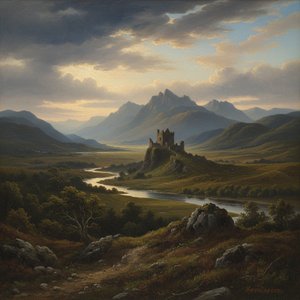
Linlithgow Palace
 Romantic Landscape
 1855
1855 46.0 x 65.0 cm
 Zobraziť viac
Ručne maľovaná olejová reprodukcia
Ručne maľovaný olej na plátne vo vašej zvolenej veľkosti a v ráme, vyrobený na mieru našimi umelcami. ( Prepnúť na tlač Prepnúť na digitálny obraz)




































Vyberte si z našich preddefinovaných rozmerov, ktoré zodpovedajú pôvodným pomeroḿ diela.

Môžete zadať vlastné rozmery tak, aby sa hodili do konkrétneho rámu alebo priestoru. Ak sa váš zvolený rozmer nezhoduje s pôvodnými proporciami obrazu, dielo buď orezáme, alebo ho doplníme ručne maľovanými prvkami. Pred začiatkom výroby vám zašleme digitálny náhľad na schválenie.
Upozorňujeme, že ukážka na obrazovke neodráža skutočné orezanie alebo doplnenie. Skutočnú finálnu kompozíciu zobrazuje iba digitálny náhľad.
Hoci sú k dispozícii vlastné rozmery, odporúčame vybrať rozmer z preddefinovaného zoznamu, aby sme zachovali pôvodné proporcie.
Po odoslaní objednávky vám tím OriginalUniqueArt.com pošle e-mail s pokynmi a poskytne náhľad na návrh.
Celosvetová doprava () za 3 až 4 týždne namiesto štandardných 5 týždňov. (18 september). Bez kompromisov v kvalite.

Bezplatná expresná doprava po celom svete

Prémiové lnianske plátno

Kompletné poistenie prepravy

Záruka vrátenia colného poplatku

Záruka presného farebného zhodnutia

100-dená politika vrátenia tovaru (iba pri vadách)

100% záruka vrátenia peňazí

Výhodná množstevná zľava
 Možnosť skla je dostupná len pri rozmeroch pod 110 cm

Linlithgow Palace
Technika reprodukcie
Veľkosť reprodukcie
-


Celková cena za vybrané možnosti
$ 300
Biografia umelca
Early Life and Artistic Beginnings
Edmund Thornton Crawford, born in 1806 at Cowden near Dalkeith, Scotland, embarked on a path that would establish him as one of the most celebrated landscape and marine painters of his era. His initial foray into the world of art wasn’t through formal training but rather an apprenticeship to a house-painter in Edinburgh. However, it quickly became apparent that Crawford possessed a natural aptitude and burgeoning passion for painting—a talent too significant to be confined to domestic decoration. This led to his enrollment at the Trustees' Academy under the tutelage of Andrew Wilson, where he found himself amongst a cohort of future artistic luminaries including David Octavius Hill and Robert Scott Lauder.
It was within the walls of the academy that Crawford forged a particularly close bond with William Simson, an older student who became his mentor and guiding force. Their shared sketching expeditions proved invaluable, instilling in Crawford a deep appreciation for observation and a refined understanding of artistic technique. His early works began to surface at the Royal Institution, marking the nascent stages of a career that would soon captivate audiences with its evocative depictions of the Scottish countryside.
Formative Influences and Dutch Masters
While initially exhibiting scenes of the Lowland Scottish landscape, Crawford’s artistic trajectory took a pivotal turn with his travels to the Netherlands. These journeys weren't merely geographical shifts but profound immersions into the world of 17th-century Dutch painting. He meticulously studied the works of masters like Van de Velde and Hobbema, absorbing their techniques for capturing light, atmosphere, and the subtle nuances of nature. This influence became a defining characteristic of his style—a picturesque quality that blended realism with an impressionistic sensibility.
The Dutch Masters’ emphasis on detailed observation and atmospheric perspective resonated deeply with Crawford, shaping his approach to both landscape and marine subjects. He wasn't simply replicating scenes; he was striving to convey the *feeling* of a place—the crispness of the air, the play of light on water, the weight of clouds in the sky. This dedication to capturing the essence of nature would become a hallmark of his work.
A Rising Star and Academic Recognition
Crawford’s contributions to the annual exhibitions of the Royal Scottish Academy steadily gained recognition throughout the 1830s. Although not among the academy's founding members, he was elected an associate in 1839, solidifying his position within the Scottish art establishment. This period saw him continue to explore Scottish landscapes and coastal scenes, building a repertoire of subjects that showcased his growing mastery.
However, it wasn’t until 1848, with his election as an academician, that he unveiled what many consider his breakthrough work: ‘Eyemouth Harbour.’ This painting—a dynamic depiction of maritime life and the rugged beauty of the Scottish coast—immediately established him as a leading landscape painter. It was followed by a series of equally compelling works, including ‘A View on the Meuse,’ ‘A Fresh Breeze,’ and ‘River Scene and Shipping, Holland,’ each demonstrating his unique ability to blend detailed realism with atmospheric depth.
Legacy and Historical Significance
Edmund Thornton Crawford’s art stands as a testament to the power of observation, the influence of artistic tradition, and the enduring appeal of the Scottish landscape. He wasn't merely documenting scenes; he was interpreting them through a lens informed by Dutch Masters yet distinctly his own.
His paintings offer a glimpse into 19th-century Scotland—a world of bustling harbors, serene riverscapes, and dramatic coastal views. His ability to capture the essence of nature, combined with his technical skill and picturesque style, earned him a devoted following and cemented his place in art history.
- Key Characteristics: Picturesque style influenced by Dutch Masters; detailed realism blended with atmospheric depth; evocative depictions of Scottish landscapes and marine scenes.
- Major Works: ‘Eyemouth Harbour,’ ‘A View on the Meuse,’ ‘A Fresh Breeze,’ ‘River Scene and Shipping, Holland.’
- Historical Significance: Crawford’s work represents a significant contribution to 19th-century Scottish landscape painting, bridging the gap between traditional realism and impressionistic sensibilities.
Crawford's later years saw him settle in Lasswade, continuing to contribute regularly to the RSA exhibitions until 1877. He passed away in 1885, leaving behind a legacy of paintings that continue to captivate and inspire—a testament to his enduring artistic vision.

edmund thornton crawford
1806 - 1885
Základné informácie
- Artistic Movement Or Style: Landscape & Marine Painting
- Artists Who Influenced This Artist:
- Andrew Wilson
- William Simson
- Dutch Masters
- Date Of Birth: 1806
- Date Of Death: 1885
- Full Name: Edmund Thornton Crawford
- Nationality: Scottish
- Notable Artworks:
- Eyemouth Harbour
- View on the Meuse
- A Fresh Breeze
- Portsmouth Harbour
- Place Of Birth: Cowden, Scotland
Súvisiace články
Alexander Nasmyth: Picturing Scotland's Romantic Landscape – Innovation & Identity
Explore the life & art of Alexander Nasmyth, a pivotal figure in Scottish Romantic landscape painting. Discover his iconic works, including portraits of Robert Burns, and learn about his lasting influence on national identity. Fine art reproductions available.

The Sublime and the Picturesque: Exploring Emotion & Nature in Romantic Landscape Painting
Explore the emotional power of Romantic landscape painting! Discover the sublime & picturesque traditions, key artists like Friedrich & Cole, and find your perfect artwork at OriginalUniqueArt.

Top 10 Majstrov Romantickej Krajinomaľby: Obrazy, ktoré zmenili svet umenia
Ponorte sa do sveta romantickej krajinomaľby! Objavte top 10 majstrovských diel od Friedricha, Turnera a ďalších. Historické obrazy prírody s nádychom emócií. Reprodukcie obrazov pre váš interiér na OriginalUniqueArt.com.

John Constable: Top 25 Majstrovských Diel pre Váš Domov | OriginalUniqueArt.sk
Ponorte sa do sveta Johna Constabla s OriginalUniqueArt.sk! Objavte top 25 majstrovských diel anglického romantizmu – od ikonického Hay Wain až po krajinárske motívy Suffolku. Kvalitné reprodukcie obrazov pre váš domov. Preskúmajte celú kolekciu online!

Evocations of Place: A Historical Journey Through Landscape Art
Explore the rich history of landscape art with OriginalUniqueArt. Discover renowned artists, movements like Impressionism & Romanticism, and expert guidance for collecting timeless pieces. Find your perfect serene escape today!