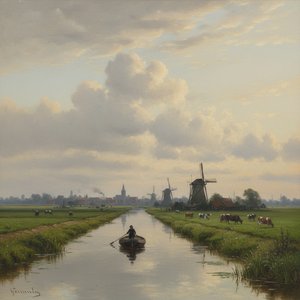
Daybreak
Ručne maľovaná olejová reprodukcia
Ručne maľovaný olej na plátne vo vašej zvolenej veľkosti a v ráme, vyrobený na mieru našimi umelcami.
P118B $10
P118H $10
P118W $10
P438Z $10
P508JH $12
P508YH $12
P805H $10
P805Z $10
P919BZ $10
P919G $10
P919XJ $10
P959ZH $10
P968JZ $12
W106C $8
W218G $10
W218JH $8
W218Y $10
W307PJ $10
W316G $10
W316PJ $8
W316Y $10
W398PJ $8
W4111J $10
W500HY $15
W500JH $15
W692G $12
W849H $8
W940BG $15
W953PJ $8
Vyberte si z našich preddefinovaných rozmerov, ktoré zodpovedajú pôvodným pomeroḿ diela.
Môžete zadať vlastné rozmery tak, aby sa hodili do konkrétneho rámu alebo priestoru. Ak sa váš zvolený rozmer nezhoduje s pôvodnými proporciami obrazu, dielo buď orezáme, alebo ho doplníme ručne maľovanými prvkami. Pred začiatkom výroby vám zašleme digitálny náhľad na schválenie.
Upozorňujeme, že ukážka na obrazovke neodráža skutočné orezanie alebo doplnenie. Skutočnú finálnu kompozíciu zobrazuje iba digitálny náhľad.
Hoci sú k dispozícii vlastné rozmery, odporúčame vybrať rozmer z preddefinovaného zoznamu, aby sme zachovali pôvodné proporcie.
Po odoslaní objednávky vám tím OriginalUniqueArt.com pošle e-mail s pokynmi a poskytne náhľad na návrh.
Celosvetová doprava () za 3 až 4 týždne namiesto štandardných 5 týždňov. (19 júl). Bez kompromisov v kvalite.
Bezplatná expresná doprava po celom svete
Prémiové lnianske plátno
Kompletné poistenie prepravy
Záruka vrátenia colného poplatku
Záruka presného farebného zhodnutia
60-dňá politika vrátenia (iba pri defektoch)
100% záruka vrátenia peňazí
Výhodná množstevná zľava
Daybreak
Technika reprodukcie
Veľkosť reprodukcie
-
Celková cena za vybrané možnosti
-
Popis diela
A Serene Dawn: Capturing Nature's Majesty
Dwight William Tryon’s "Daybreak" is a captivating depiction of sunrise over water, rendered in a style characteristic of American Tonalism. This evocative painting transports the viewer to a tranquil scene where the soft light of dawn gently illuminates the landscape. The composition features two boats resting peacefully on the water's surface – one closer to the left and another towards the right - with scattered figures adding a sense of human presence within this vast natural setting. Tryon masterfully uses subtle gradations of color, particularly in the sky’s cloud formations, creating a dramatic backdrop that enhances the overall serenity of the scene. The painting's atmosphere is one of quiet contemplation and peaceful awakening, inviting viewers to share in the stillness of the moment.Tonalism and Artistic Influences
"Daybreak," created around 1885, exemplifies the Tonalist movement prevalent in late 19th-century American art. This style prioritized mood and atmosphere over precise detail, emphasizing subtle color harmonies and soft edges to create a sense of tranquility and introspection. Tryon was significantly influenced by James McNeill Whistler, a leading figure in the Aesthetic Movement, who championed "art for art's sake" and emphasized harmonious color relationships. Unlike earlier landscape traditions that focused on dramatic narratives or heroic depictions of nature, Tonalism sought to capture the essence of a scene through its tonal qualities – the interplay of light and shadow, and the subtle nuances of color. Tryon’s work reflects this shift towards a more contemplative and atmospheric approach to landscape painting.Technique and Composition
Tryon's technique in "Daybreak" is characterized by his delicate brushwork and careful layering of paint. He employed thin glazes of oil paint to build up the luminous quality of the sky and water, creating a sense of depth and atmosphere. The composition is carefully balanced, with the boats acting as anchors in the foreground while the expansive sky draws the eye upwards. The placement of figures within the scene isn't about narrative detail but rather contributes to the overall feeling of peaceful solitude.- Color Palette: Predominantly soft blues, pinks, and grays create a harmonious and calming effect.
- Brushwork: Loose and blended brushstrokes contribute to the atmospheric quality of the painting.
- Light & Shadow: The subtle interplay of light and shadow defines forms and creates depth, emphasizing the tranquility of the scene.
Symbolism and Emotional Impact
Beyond its aesthetic beauty, "Daybreak" carries symbolic weight. Sunrises often represent new beginnings, hope, and renewal. The presence of boats suggests journeys and exploration, while the figures in the distance hint at human connection within the vastness of nature. The painting evokes a sense of peace, tranquility, and quiet contemplation. It invites viewers to pause, reflect, and appreciate the beauty of the natural world. "Daybreak" is more than just a landscape; it's an emotional experience that resonates with our innate desire for serenity and connection. The overall effect is one of gentle optimism and enduring beauty – qualities that make this painting a timeless treasure.Biografia umelca
Dwight William Tryon: The Silent Symphony of Light and Shadow
Dwight William Tryon, born in Hartford, Connecticut, on August 13, 1849, emerged from the quiet landscapes of New England as a painter deeply attuned to the subtle poetry of nature. His early life, marked by the sudden loss of his father, instilled within him a profound connection to the rural world – a connection that would become the very foundation of his artistic vision and define his enduring legacy as one of America’s foremost Tonalist painters. His upbringing on his grandparents' farm in East Hartford provided an intimate familiarity with the rhythms of the countryside, fostering a keen observation of light, color, and texture that he would later translate onto canvas with remarkable sensitivity. Without formal training initially, Tryon’s artistic journey began organically, fueled by a natural inclination and a deep appreciation for the beauty surrounding him. He honed his skills through self-study, meticulously sketching the rolling hills, dense forests, and shimmering waterways of Connecticut, patiently capturing the ephemeral effects of light and shadow. This dedication culminated in his first sale in 1870 – a modest beginning that nonetheless ignited his passion and set him on a path toward recognition. Subsequent local exhibitions further showcased his burgeoning talent, hinting at a promising career destined to gain wider acclaim.The Parisian Awakening: Influences and Early Style
Driven by an ambition to refine his craft and immerse himself in the artistic currents of Europe, Tryon embarked on a transformative journey to France in 1876. He enrolled in the atelier of Jacquesson de la Chevreuse at the École des Beaux-Arts in Paris, seeking formal training and exposure to the established artistic traditions of the continent. However, his education extended far beyond the confines of the classroom; he actively sought guidance from a constellation of influential artists, including Charles-François Daubigny, Henri Harpignies, and Jean Baptiste-Antoine Guillemet – masters renowned for their mastery of light, color, and atmospheric perspective. Initially, Tryon’s style leaned towards Luminism—a movement characterized by its emphasis on capturing the effects of natural light and creating a sense of luminous atmosphere through subtle gradations of tone. Yet, as he spent time in France, he became increasingly drawn to the principles of the Barbizon School – a revolutionary movement that prioritized direct observation of nature, eschewed academic conventions, and favored a more subdued palette. The Barbizon painters, working primarily outdoors (“en plein air”), sought to capture the essence of their subjects with immediacy and honesty, rejecting the artificiality of studio painting. The influence of James McNeill Whistler was particularly profound; Tryon admired Whistler’s ability to evoke mood and atmosphere through carefully controlled color harmonies—a technique that would become a hallmark of his own style.Shaping a Distinctive Palette: Tonalism Takes Root
Returning to the United States in 1881, Tryon began to develop a distinctly personal artistic voice – one that fused the lessons he had learned in Paris with his deep-rooted connection to the American landscape. He embraced the principles of Tonalism—a movement characterized by its emphasis on subtle tonal variations and atmospheric effects, often achieved through the use of muted colors and delicate brushwork. Unlike the brighter, more vibrant palettes favored by Impressionists, Tryon’s paintings were imbued with a sense of quiet contemplation and understated beauty. His compositions frequently featured groupings or broken rows of trees positioned in the middle distance, acting as visual anchors that connected a luminous sky above to a foreground marsh or pasture below. These scenes—often depicting autumnal landscapes—were rendered with remarkable sensitivity, capturing the fleeting effects of light and shadow with exquisite detail. His masterful control of color and texture allowed him to evoke a profound sense of atmosphere – a feeling of stillness, serenity, and almost melancholic beauty. Works like *Salt-Marsh, December* exemplify this approach, showcasing his ability to capture the subtle nuances of light and color in a way that resonated deeply with viewers.Recognition and Legacy: Patronage and Smith College
Throughout the 1890s and early 1900s, Tryon’s work gained increasing recognition within the American art world. He exhibited regularly at prestigious venues such as the Pennsylvania Academy of Fine Arts and the Montross Gallery, attracting the attention of discerning collectors and critics alike. A pivotal moment in his career came with the patronage of Charles Lang Freer, an industrialist and art connoisseur who became Tryon’s most important supporter. Freer acquired dozens of Tryon's paintings, providing him with the financial security to dedicate himself fully to his artistic pursuits. Furthermore, Freer’s generosity extended beyond mere monetary support; he collaborated with Tryon on interior design projects for his Detroit mansion, further solidifying their creative partnership. In 1893, Tryon was commissioned to decorate Freer's Detroit mansion with a series of murals depicting the changing seasons—a testament to his artistic skill and reputation. Beyond his commercial success, Tryon also found fulfillment in teaching, serving as a professor at Smith College from 1886 until his retirement in 1923. During this time, he established the Tryon Gallery of Art, nurturing the talents of aspiring artists and contributing to the development of the college’s art program. Dwight William Tryon passed away on July 1, 1925, in South Dartmouth, Massachusetts, leaving behind a substantial body of work that continues to be celebrated for its quiet beauty, atmospheric depth, and profound connection to the natural world. His paintings—now housed in prominent collections such as the Smithsonian American Art Museum and the Freer Gallery of Art—stand as enduring testaments to his artistic vision and his lasting contribution to the history of American art.Key Works
* *Salt-Marsh, December* (1879) * *Spring* (c. 1880) * *Newbury Haystacks in Moonlight* (1891) * *The First Leaves* (1889 - Carnegie Prize Winner)Dwight William Tryon
1849 - 1925 , Spojené štáty americké
Základné informácie
- Artistic Movement Or Style: Tonalizmus, Barbizon
- Artists Or Movements Influenced By This Artist: ['Impressionism']
- Artists Who Influenced This Artist:
- Whistler
- Daubigny
- Harpignies
- Date Of Birth: 13.8.1849
- Date Of Death: 1.7.1925
- Full Name: Dwight William Tryon
- Nationality: Americký
- Notable Artworks:
- Salt-Marsh
- Spring
- Haystacks
- Place Of Birth: Hartford, USA


Možnosť skla je dostupná len pri rozmeroch pod 110 cm