
 Náhľad v interiéri
 Odoslať ako digitálnu kartu
 Zdieľať
 Podrobnosti o dielo
 Príručka

 Stiahnuť obraz
 Podobné položky
 RTG skúška
 Prehliadanie diapozoje
 Otázky a odpovede
 Štatistiky
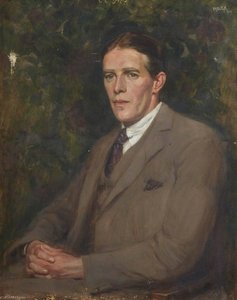
Malcolm Macleod

- 127.0 x 102.0 cm

 Zobraziť viac
Získajte súbor pripravený na tlač, ktorý ponúka oveľa vyššiu kvalitu než online náhľad. Každý predávaný digitálny obraz pochádza z vysokorozlíseného originálu v našej databáze – zvyčajne s šírkou 5 000 až 15 000 pixelov – takže môžete s istotou tlačiť vo veľkom formáte, vytvárať detailné výrezy alebo reprodukovať jemné detaily.
Žiadny súbor neopustí naše štúdio bez úprav. Digitálny expert kontroluje farby v porovnaní s originálnym obrazom a v prípade potreby ich opraví, následne nástrojmi na profesionálnu retuš zvyšuje mieru ostrosti a detailov — pričom vždy zostáva verný umeleckému ťahu štetca a štýlu autora. Výsledkom je obraz, ktorý pôsobí ako samotné dielo, nie ako naskenovaný snímok s filtrom.
Schvaľujete ešte pred dokončením: náš expert vám obrazový súbor do 72 hodín pošle e-mailom na kontrolu. Nie ste spokojní? Požiadajte o vylepšenia alebo opravy, prípadne si môžete vyžiadať vrátenie platby, ak kvalita nedosahuje očakávanú úroveň.
Táto kvalita je základom dôvery vydavateľov, dizajnových štúdií, galérií a tlačovníkov.
Digitálny obraz
Stiahnite si vysokorozlíšený súbor na osobné zobrazovanie, tlačenie a kreatívne projekty. ( Prepnúť na tlač Kúpiť ručne maľovaný obraz)
Súčasťou každej objednávky digitálneho obrazu
Garantovaná expertná digitálna distribúcia
Keď si vyberiete OriginalUniqueArt.com, nezískate len obyčajný obrázok – získate profesionálne upravené digitálne umenie, vytvorené s maximálnou precíznosťou a podložené zárukou vašej spokojnosti. Tu je všetko, čo je súčasťou vašej objednávky automaticky:

Rýchle doručenie e-mailom
Vaša vysokorozlíšená digitálna súprava obrázkov vám bude zaslaná e-mailom do 72 hodín od objednávky – pripravená na okamžité použitie.

Digitálny súbor s vylepšením AI
Vaše dielo je profesionálne optimalizované pomocou pokročilých nástrojov umelej inteligencie a manuálnej úpravy, čo zaručuje maximálnu mieru detailov, čistotu a presnosť farieb.

Bezplatné celoživotné opätovné doručenie
Súbor ste náhodou zmazali alebo ste ho stratili? Žiadne starosti – kedykoľvek vám ho môžeme poslať znova, úplne bez poplatkov.

Bez poplatkov za dovoz – navždy
Užite si svoje umenie okamžite bez colných poplatkov, daní alebo nákladov na dopravu – digitálne stiahnutia sú vždy oslobodené od dane.

Garantovaná presnosť farieb
Pomocou profesionálnych nástrojov a farebného manažmentu zabezpečujeme, aby vaša digitálna fotografia čo najpresnejšie odrážala pôvodné farby.

Záruka spokojnosti 100 dní
Ak nebudete spokojní so svojím digitálnym obrázkom, upravíme ho alebo vám v priebehu 100 dní vrátime 100% – bez zbytočných otázok.

100% Záruka vrátenia peňazí
Nie ste spokojní? Získajte plnú náhradu platby do 100 dní od prijatia digitálneho súboru – bez zbytočných otázok.

Zľavy pri veľkom odbere
Pri kúpe 3 obrázkov získate zľavu 10% - Pri kúpe 5 obrázkov získate zľavu 15% - Pri kúpe 10+ obrázkov získate zľavu 20%. Ideálne pre kreatívne projekty, galérie a agentúry.
Životopis umelca
Duncan MacGregor Whyte: A Highland Visionary
Duncan Macgregor Whyte, a name perhaps less familiar than some of his contemporaries, nevertheless holds a significant place in the landscape of 19th and early 20th-century Scottish art. Born in Oban, Argyll, in 1866, into a family steeped in religious leadership – his father was a Congregational Minister – Whyte’s artistic journey began not within formal academies but through observation and immersion in the rugged beauty of his native Highlands. This formative experience would profoundly shape his distinctive style, characterized by a deep connection to the land, a nuanced understanding of light, and an ability to capture both the grandeur and the quiet intimacy of Highland life.
Early influences were diverse. Whyte’s artistic training commenced in Glasgow, providing him with a grounding in traditional techniques. However, recognizing the need for broader exposure, he travelled extensively throughout Europe, studying under masters like Van Havermaet in Antwerp and Delécluse in Paris. These periods weren't merely about technical skill; they represented an encounter with different artistic philosophies – particularly the Impressionist movement’s emphasis on capturing fleeting moments of light and atmosphere – which would subtly inform his own approach. Crucially, it was in Paris that he met Mary Baylis Barnard, a fellow artist who became his wife and lifelong collaborator, sharing not only a life but also an artistic vision.
The Palette of the Highlands
Whyte’s oeuvre is predominantly defined by two recurring themes: landscapes and portraits. While he produced numerous seascapes – often depicting the dramatic coastline around Oban and Tiree – it was his depictions of Highland scenery that truly cemented his reputation. These aren't romanticized, idealized vistas; rather, they are rendered with a remarkable honesty, capturing the harshness of the weather, the textures of the peat bogs, and the ever-changing light on the hillsides. He frequently depicted scenes of rural life – shepherds tending their flocks, crofters working the land, and families gathered around fires – offering intimate glimpses into the daily rhythms of Highland communities.
His portraiture, equally compelling, showcased a keen eye for capturing character and personality. He painted members of the local gentry, clergy, and ordinary folk alike, often employing a rich palette of browns, greens, and greys to evoke the mood and atmosphere of his subjects. The portraits are not merely likenesses; they possess a palpable sense of presence, reflecting the dignity and resilience of those he depicted.
Technique and Style
Whyte’s technique evolved considerably throughout his career. Initially influenced by academic traditions, he gradually embraced looser brushwork and brighter colors, mirroring the Impressionist movement's impact. His later works demonstrate a growing confidence in capturing atmospheric effects – particularly the way light interacts with water and stone – through subtle shifts in tone and color. He was a master of layering paint to create depth and texture, and his use of glazing techniques allowed him to build up luminous surfaces that shimmered with reflected light.
His style can be described as ‘Highland Impressionism’ - a synthesis of traditional landscape painting with the innovative approaches of the late 19th-century avant-garde. He avoided overt sentimentality, instead focusing on conveying a sense of place and time through careful observation and skillful execution.
Legacy and Recognition
Duncan Macgregor Whyte’s work remained largely unheralded during his lifetime, though he exhibited at prestigious venues such as the Royal Scottish Academy and the Walker Art Gallery. He established a studio in Balevullin on Tiree, where he continued to paint until his death in 1953, aged 86. It wasn’t until decades after his passing that his work began to receive wider recognition, thanks to the efforts of art historians and collectors who appreciated his unique vision.
Today, Whyte's paintings are held in several important collections, including those of the Kelvingrove Art Gallery and Museum in Glasgow and the State Art Collection of the Art Gallery of Western Australia. His legacy endures as a testament to the power of observation, the beauty of the Scottish Highlands, and the enduring appeal of a painter who captured the spirit of his homeland with remarkable skill and sensitivity.
Duncan Macgregor Whyte
1866 - 1953
Základné informácie
- Full Name: Duncan MacGregor Whyte
- Nationality: Scottish
- Date Of Birth: 1866
- Date Of Death: 1953
- Place Of Birth: Oban, Argyll, Scotland
- Notable Artworks:
- Dugald McIsaac
- Hugh MacGowan
- The Last Rays of Day
- Artistic Movement Or Style: Portraiture, Landscape, Seascape
- Artists Who Influenced This Artist:
- Van Havermaet
- Delécluse
- Artists Or Movements Influenced By This Artist: ['Scottish Colourists']