
 Zobraziť v interiéri
 Odoslať
 Zdieľať
 Podrobnosti
 Príručka

 Stiahnuť
 Podobné položky
 RTG skúška
 Prehliadanie diapo\]
 Štatistiky
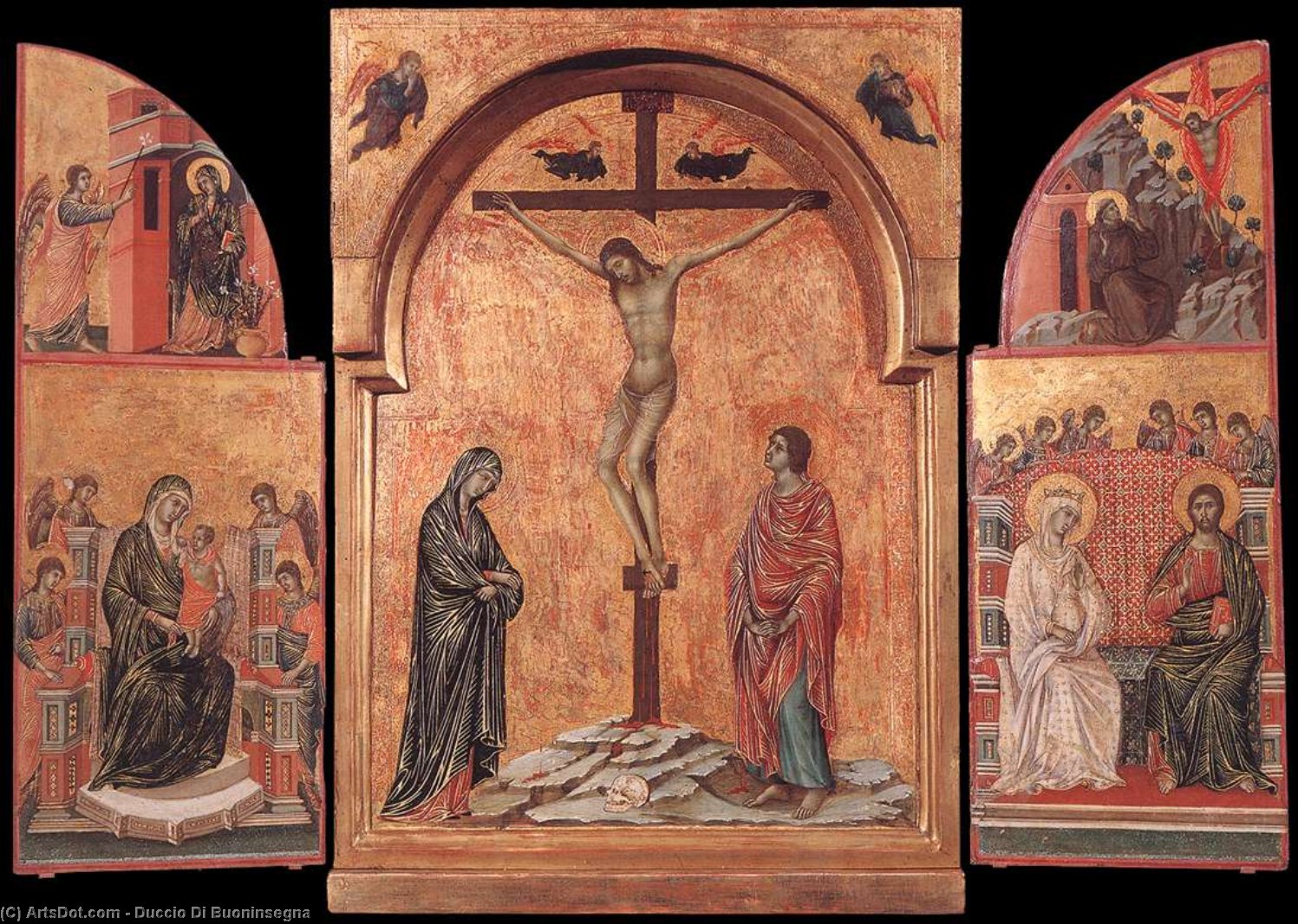
Triptych
 Akryl na plátne
- WallArt
- Raná renesancia
 1305
1305- Renaissance
 44.0 x 31.0 cm
 Kráľovská zbierka
 Prečítať si viac
Giclée / Umenotlač
Giclée tlač alebo plátno múzeálnej kvality s rýchlou výrobou a rôznymi možnosťami povrchovej úpravy. ( Objednať ručne maľovanú reprodukciu Prepnúť na digitálnu verziu obrazu)




P118B €10

P118H €10

P118W €10

P438Z €10

P508JH €12

P508YH €12

P805H €10

P805Z €10

P919BZ €10

P919G €10

P919XJ €10

P959ZH €10

P968JZ €12

W106C €8

W218G €10

W218JH €8

W218Y €10

W307PJ €10

W316G €10

W316PJ €8

W316Y €10

W398PJ €8

W4111J €10

W500HY €15

W500JH €15

W692G €12

W849H €8

W940BG €15

W953PJ €8




Vyberte si z našich preddefinovaných rozmerov, ktoré zodpovedajú pôvodným pomeroḿ diela.

Zadajte šírku a výšku, ktoré potrebujete, aby sa reprodukcia hodila k vášmu rámu alebo stene. Print možno len orezávať, nikdy však nemennú veľkosť zvětšiť oproti pôvodnému obrázku, preto pri inom formáte stráca časť obrazu. Pred samotným vytlačiacím procesom vám pošleme digitálny náhľad na schválenie. Obrázok zobrazený na tejto stránke nezobrazuje reálny rez — len digitálny náhľad ukazuje presný výsledok.
Celosvetová doprava () do 2 týždňov namiesto štandardných 4 až 5 týždňov. (27 október)

Bezplatná expresná doprava po celom svete

Vysokokvalitné lnianske plátno

Úplné poistenie prepravy

Záruka vrátenia colného poplatku

Záruka presného farebného zhodnutia

100-dená politika vrátenia tovaru (iba pri vadách)

100% záruka vrátenia peňazí

Ponuka množstevnej zľavy
 Možnosť skla je dostupná len pri rozmeroch pod 110 cm

Triptych
Giclée / Umenotlač
Veľkosť reprodukcie
-


Celková cena
€ 70
Záblesk božského utrpenia: Ducciovo triptych (1305)
Tento nádherný triptych, vytvorený v roku 1305 sienským majstrom *Ducciem di Buoninsegnom*, ponúka hlbokú meditáciu nad Kristovým utrpením. S rozmerami 44 x 31 cm tento devóčný panel predstavuje dokonalý príklad prechodu od byzantských umeleckých tradícií k začínajúcemu renesančnému štýlu v Taliansku.Predmet a naratív
Triptych sa rozvíja ako vizuálny príbeh rozdelený do troch kĺbových panelov. Centrálnym bodom je nepochybne *ukrižovanie*, ktoré zobrazuje Krista na kríži, obklopeného žalostnou Pannou Máriou a Jákom Evanjelistom. Na ľavom panele anjel odovzdáva božskú správu – možno ohlasuje Kristov osud – pred stylizovaným architektonickým pozadím. Na pravom panele potom svedčíme o *ukoronovaní Krista v nebesiach*, čo je penuhodná vízia odkupu a večnej slávy. Celá kompozícia precízne vedie diváka cez kľúčové momenty obetovania a spasenia.Štýl a technika: Spojenie svetov
Ducciov štýl je charakteristický pútavou kombináciou byzantskej formálnosti a rodiacemu sa renesančného naturalizmu. Hoci si zachováva ikonické pozadie z pozlatenej listovej zlata a plochú perspektívu typickú pre stredoveké umenie, zavádza jemné modelovanie a detailné prvky, ktoré postavám dodávajú väčšiu emocionálnu hĺbku. Použitá technika je pravdepodobne tempera alebo olej na drevenom panele, čo umožňuje precízne línie a bohatú sýtosť farieb. Všimnite si prevažne rovné, geometrické línie definujúce architektonické prvky – čo bol v tej dobe typický znak.Symbolika a ikonografia
Každý element v tomto triptychu nesie symbolický význam. Samotný kríž predstavuje najvyšší obetovanie a odkupenie. Postava *Márky* stelesňuje smútok, vieru a materskú žalosť. *Ján Evanjelista* slúži ako svedok Kristovho utrpenia. Scéna nebeského ukorončenia znamená božský triumf nad smrťou. Masívne použitie pozlatej listovej zlata nie je len dekoratívne; symbolizuje božstvo, svetlo a duchovnú transcendenciu.Historický kontext: Siena a Trecento
Duccio di Buoninsegna (1255–1319) bol kľúčovou postavou sienskeho maliarstva počas obdobia *Trecenta* (14. storočie). Siena, ako nezávislá republika a rival Florencie, si vyvinula svoj vlastný, odlišný umelecký štýl. Ducciovo dielo stelesňuje túto jedinečnú estetiku – charakterizovanú eleganciou, vypracovaným detailom a hlbokým duchovným citom. Po celom Taliansku bol veľmi žiadaný pre svoje zakázky, čo ho upevnilo ako jedného z najdôležitejších umelcov svojej doby.Emocionálny dopad a interpretácia
Tento triptych vyvoláva silný pocit úcty, smútku a nádeje. Dramatické osvetlenie, zamerané najmä na centrálnu scénu ukrižovania, znásobuje emocionálny dopad. Pri dodržiavaní etablerovanej náboženskej ikonografie však Duccio do svojich postáv vnáša ľudskú kvalitu, ktorá pozýva k empatii a kontemplácii. Umelecké dielo slúži nielen ako zobrazenie biblických udalostí, ale aj ako hlboko osobný vyjadrenie viery a oddanosti.Zbierateľstvo a interiérový dizajn
Reprodukcia tohto triptychu by bola úchvatným doplnkom každej umeleckej kolekcie alebo interiérového priestoru. Jeho bohaté farby, zložité detaily a hlboká tématika sa hodia tak do tradičných, ako aj do súčasných prostredí. Uvažujte o jeho vystavení v modlitebnej zrúčene, v knižnici alebo ako o dominantnom centre obývačky – jeho nadčasová krása bezpochybne podnieti zamyslenie a konverzáciu.Otázky a odpovede
Patrí dielo „Triptych“ od Duccio di Buoninsegna do verejnej vlastnícky sféry a prečo?
„Triptych“ od Duccio di Buoninsegna je v v verejnom vlastníctve – autorské práva vypršali. Doba trvania autorského práva sa začína dňom smrti umelca, ktorého smrť nastala v roku 1319.
S akým pocitom sa spája „Triptych“?
„Triptych“ od Duccio di Buoninsegna vyžaruje Tajomný emocionálny tón.
V akom období vzniklo dielo „Triptych“ od Duccio di Buoninsegna?
Historické obdobie diela „Triptych“ od Duccio di Buoninsegna je Renaissance. Táto klasifikácia umiestňuje toto dielo v kontexte dejín umenia.
Biografia umelca
The Sienese Luminary: Duccio di Buoninsegna and the Dawn of a New Italian Vision
Duccio di Buoninsegna, born in Siena around 1255, stands as a pivotal figure bridging the stylistic chasm between the Byzantine world and the burgeoning artistic sensibilities of Italy. While biographical details remain frustratingly scarce—the man himself often obscured by the brilliance of his art—his impact on the Sienese School and the trajectory of Italian painting is undeniable. He emerged during a period where religious iconography was deeply entrenched, yet a yearning for greater naturalism and emotional resonance was beginning to stir within artistic circles. Duccio wasn’t merely a painter; he was an innovator who dared to infuse sacred narratives with human feeling, subtly shifting the focus from rigid formality towards a more intimate connection between the divine and the earthly realm. His early training remains somewhat mysterious, though speculation suggests possible influences ranging from Florentine masters to direct exposure to Byzantine artistry—perhaps even travels to Constantinople itself. Whatever his formative experiences, they coalesced into a unique style that would define an era.A Synthesis of Tradition and Innovation
Duccio’s artistic development wasn't a sudden rupture with the past but rather a graceful evolution. His initial works were deeply rooted in Byzantine conventions: the lavish use of gold leaf to evoke celestial light, stylized figures possessing an ethereal quality, and a meticulous attention to religious symbolism. These elements are clearly visible in his early panels, demonstrating a profound respect for established artistic traditions. However, even within these established parameters, Duccio began to subtly introduce elements that foreshadowed his later innovations. He experimented with spatial arrangements, hinting at depth where flatness had previously reigned supreme. His color palettes, while still vibrant and rich—reflecting the opulence of Byzantine art—gained a newfound subtlety and harmony. More importantly, he started imbuing his figures with a nascent sense of humanity—a gentle curve of the mouth suggesting a smile, a slight tilt of the head conveying contemplation. This wasn’t a rejection of Byzantine ideals but a refinement, an infusion of life into what had often been static representations. He skillfully blended tradition and innovation, creating a style that was both reverent and remarkably fresh. His work represents a crucial step in the evolution of Italian painting, moving away from purely symbolic depictions towards more expressive and emotionally engaging portrayals of religious subjects.Masterpieces of Faith and Artistry
Two works stand as testaments to Duccio’s genius: the *Rucellai Madonna* (1285) and, most famously, the *Maestà* (1308-1311). The *Rucellai Madonna*, commissioned for a chapel in Florence, marked a significant departure from conventional Byzantine iconography. It was intended to be displayed prominently, showcasing the artist’s skill and attracting attention. While still adhering to traditional forms—the Virgin Mary is depicted with serene grace, surrounded by an angel—its composition, spatial organization, and depiction of the Virgin Mary and Child demonstrated a greater sense of naturalism and a more intimate portrayal of the divine mother. But it was the *Maestà*—a monumental altarpiece created for Siena Cathedral—that truly cemented Duccio’s legacy. This sprawling masterpiece comprises numerous panels depicting scenes from the life of the Virgin Mary and Christ, each one a miniature work of art in itself. The Maestà is not merely a collection of paintings; it's a visual narrative, unfolding with breathtaking detail and emotional depth. Duccio’s mastery of light and shadow, his ability to convey complex emotions through subtle gestures, and his innovative use of perspective all converge in this single, awe-inspiring work. It represents the culmination of his artistic development, showcasing his technical skill and his profound understanding of religious symbolism. Beyond these monumental pieces, works like *Polyptych No. 28* demonstrate his continued compositional skill and meticulous attention to detail.Influences and Development
Duccio’s artistic journey was shaped by a complex interplay of influences. His early training undoubtedly involved exposure to Byzantine art, particularly the rich iconography and vibrant colors of Constantinople. However, he also encountered the burgeoning artistic trends in Florence, where naturalism and perspective were gaining prominence. The influence of Simone Martini, a prominent Sienese painter, is often noted, as is that of the Florentine masters. Some scholars suggest Duccio may have even traveled to Paris, absorbing the latest developments in Gothic painting. This synthesis of Byzantine tradition, Florentine innovation, and potentially Parisian influences resulted in a uniquely Sienese style—one characterized by its elegance, refinement, and emotional intensity. His work represents a bridge between these diverse artistic currents, shaping the course of Italian painting for generations to come.A Lasting Legacy: Shaping the Future of Italian Art
Duccio di Buoninsegna’s influence extended far beyond his lifetime. He revolutionized Italian painting, paving the way for the development of the Sienese School—a distinct artistic tradition characterized by its elegance, refinement, and emotional intensity. His emphasis on naturalism, spatial depth, and human emotion directly impacted subsequent generations of artists, influencing not only those within Siena but also painters in Florence and beyond. While Giotto is often credited with initiating the Renaissance style, Duccio’s contributions were equally crucial, laying the groundwork for the artistic innovations that would define the 14th century and beyond. Despite facing financial hardships during his life, Duccio’s artistic legacy endures. His masterpieces continue to inspire awe and admiration, serving as a powerful reminder of the transformative power of art. He helped define the Trecento art movement, leaving an indelible mark on the history of Western painting. Today, his works can be found in prominent museums worldwide, offering glimpses into a world where faith, artistry, and human emotion converged with breathtaking beauty.
Duccio di Buoninsegna
1255 - 1319 , Taliansko
Rýchle fakty
- Artistic Movement Or Style: Sieneská škola, Gotika
- Artists Or Movements Influenced By This Artist: ['Sieneská škola']
- Artists Who Influenced This Artist: ['Byzantská umenie']
- Date Of Birth: c. 1255
- Date Of Death: 1319
- Full Name: Duccio di Buoninsegna
- Nationality: Taliančania
- Notable Artworks:
- Maestà
- Rucellajská Madona
- Place Of Birth: Siena, Taliansko
Súvisiace články
Fra Angelico: Top 25 Majstrovských Diel pre Krásu a Duchovnosť | OriginalUniqueArt.com
Objavte top 25 majstrovských diel Fra Angelica – renesančných fresiek a panelových malieb plných duchovnosti. Prežite príbehy umenia, techniky a farieb. Kvalitné reprodukcie obrazov na OriginalUniqueArt.com! Preskúmajte celú kolekciu online.
Giotto di Bondone: Top 25 majstrovských diel pre váš domov | OriginalUniqueArt.sk
Objavte top 25 majstrovských diel Giotta di Bondone! Fresky, renesančné obrazy a historické motívy plné emócií. Nájdite reprodukcie obrazov pre váš domov na OriginalUniqueArt.com – múzejná kvalita a inšpirácia pre interiérový dizajn.
Top 10 majstrovských diel protorenesancie: Umění, ktoré zmenilo svet | OriginalUniqueArt
Objavte 10 majstrovských diel protorenesancie – Giotto, Cimabue a ďalší. Ponorte sa do príbehov umenia, techník a farieb talianskej renesancie. Reprodukcie obrazov pre váš interiér na OriginalUniqueArt.com.
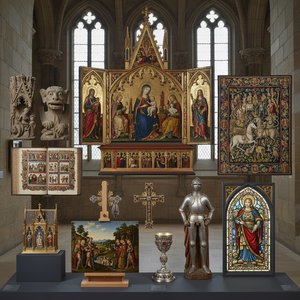
Late Medieval Masterpieces: 10 Artworks That Defined an Era | OriginalUniqueArt
Journey through 10 defining Late Medieval masterpieces – from Giotto's frescoes to Jan van Eyck’s realism. Explore the stories, techniques & vibrant colors of Gothic art. Find museum-quality reproductions and elevate your home decor with OriginalUniqueArt.com! Discover all masterpieces on OriginalUniqueArt.com
Top 25 diel Bienále di Venezia: Majstrovské kúsky pre váš domov | OriginalUniqueArt.sk
Objavte 25 ikonických diel Bienále di Venezia! Prežite príbehy slávnych umelcov a majstrovských obrazov. Reprodukcie pre váš domov s OriginalUniqueArt.sk – inšpirácia, dekorácie a múzejná kvalita online.


